By
June 3, 2026 / 2:46 AM EDT
/ CBS News
Add CBS News on Google
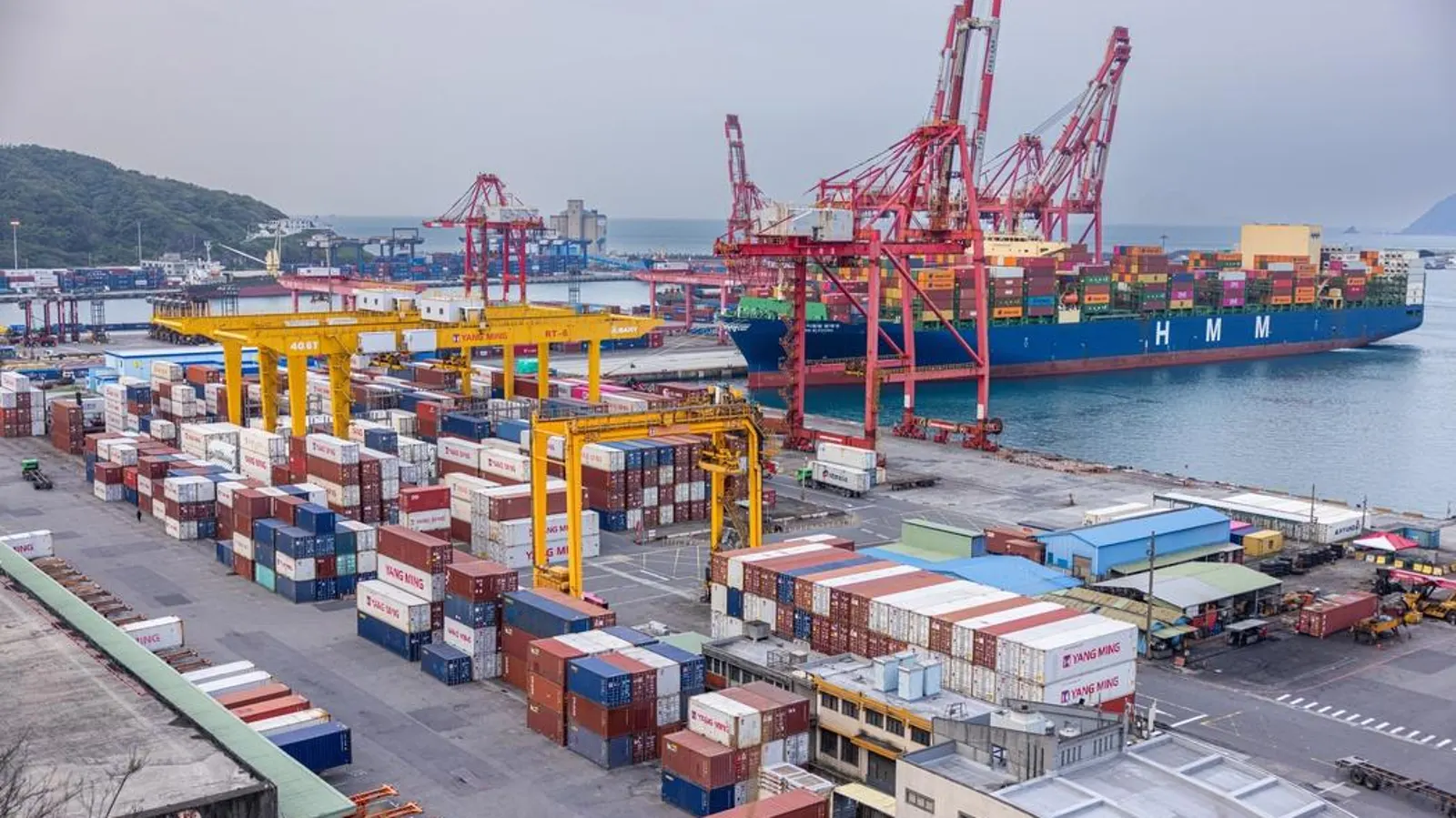
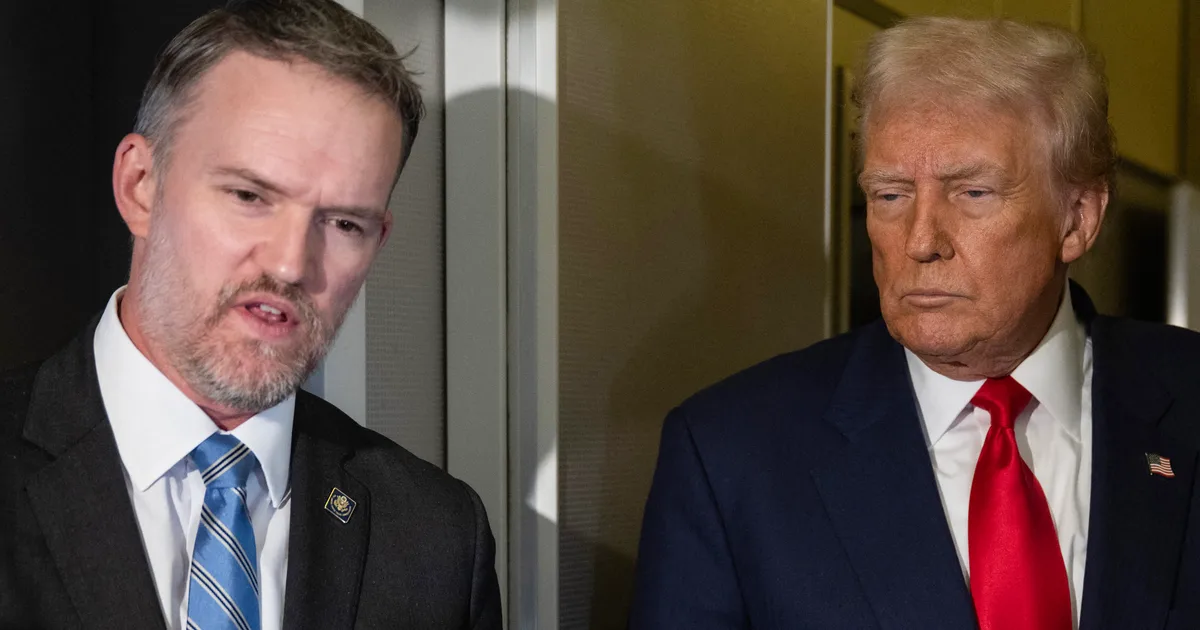
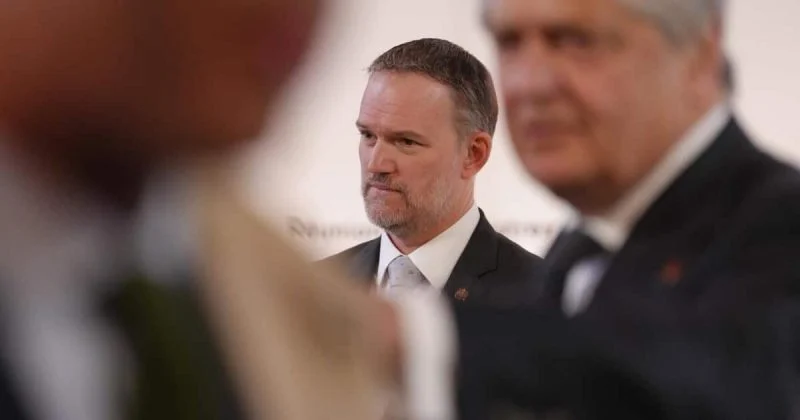
The Trump administration has unveiled proposed tariffs of 10% or more on dozens of countries accused of failing to crack down on forced labor, hitting some of the U.S.'s largest trading partners — as the administration tries to rebuild its system of global tariffs after the Supreme Court struck them down earlier this year.U.S. Trade Representative Jamieson Greer's office announced the planned tariffs late Tuesday, after launching investigations into 60 trading partners under a law designed to address unfair trade practices. The tariffs still need to go through a comment process before taking effect.The announcement lists 60 trading partners that have allegedly "failed to impose and effectively enforce" rules prohibiting imports of goods made with forced labor.Most of them are facing a 12.5% proposed tariff rate on U.S. imports, including China, Japan, South Korea and Brazil. A lower 10% rate applies to 16 trading partners — including the United Kingdom, Canada, Mexico, the European Union, Taiwan and Argentina — that Greer's office says are taking some steps or have made commitments to block forced labor.Some goods are exempt, including beef, tomatoes and coffee. The office also said it is considering a rule to allow some textiles to enter the United States at a reduced tariff rate if countries import an equal quantity of American textiles.Greer's office argued the rules are necessary because many other countries — unlike the U.S. — lack strong prohibitions on imports that are made using forced labor. As a result, firms in those countries could profit off of forced labor or produce their goods at a lower cost, making American companies that aren't allowed to use goods with forced labor less competitive."The failure of our most important trading partners to address the importation of goods made with forced labor is unacceptable. This creates a dynamic where American workers are forced to compete globally on an unlevel playing field," Greer said in a statement issued late Tuesday. "We will no longer tolerate this disparity."