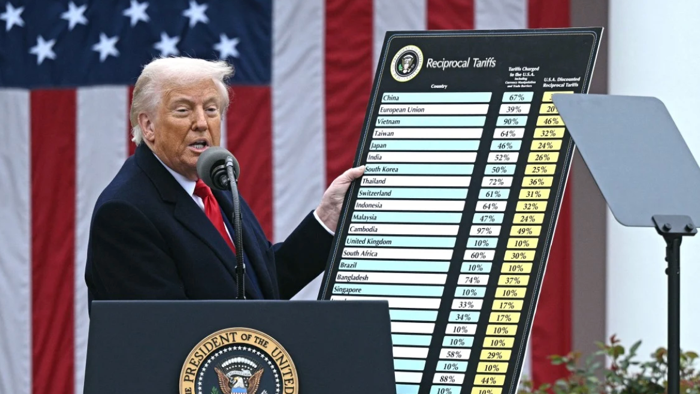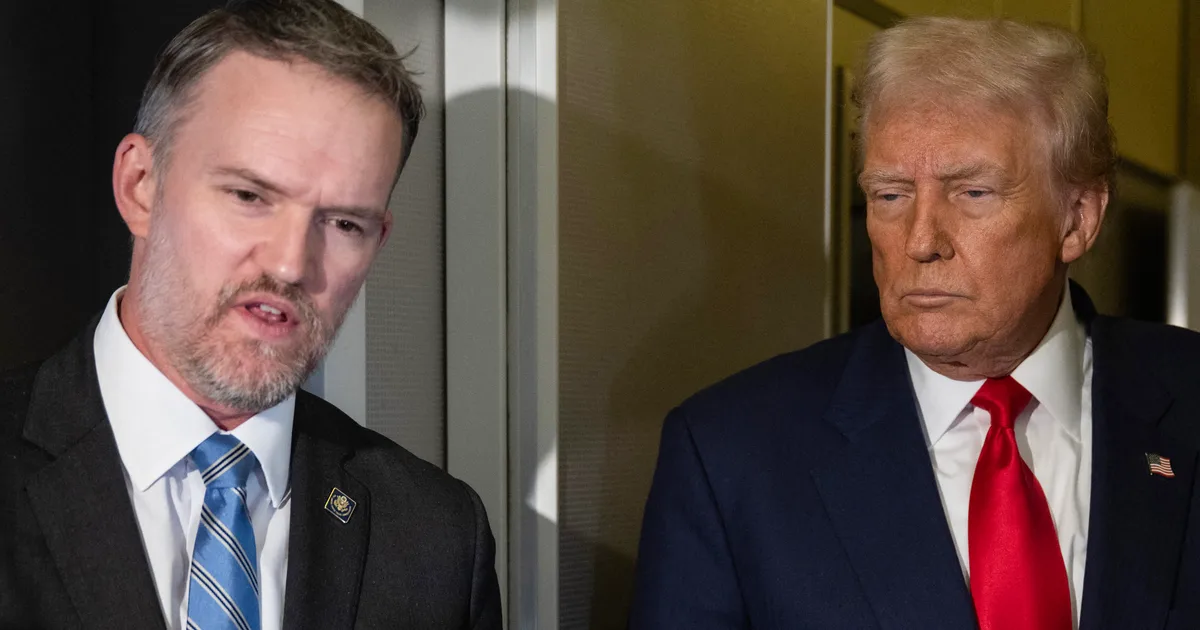
ToplineThe Office of the U.S. Trade Representative proposed new additional tariffs of at least 10% on 60 trading partners after an investigation into the handling and imports of goods allegedly made using forced labor, in the Trump administration’s latest bid to raise tariff rates after the president’s earlier “reciprocal tariffs” were struck down the Supreme Court.The USTR announced additional new tariffs of at least 10% on 60 trading partners, alleging failure to address imports of goods made using forced labor.Getty ImagesKey FactsIn a notice issued late on Tuesday, the Office of the US Trade Representative (USTR) said its probe had found “acts, policies, and practices” in 60 economies that failed to enforce a prohibition on imports of goods produced using forced labor. President Donald Trump’s top trade envoy, Jamieson Greer, said the failure to address this issue by key trading partners was “unacceptable” and forces U.S. workers to compete in an “unlevel playing field.”Examples of goods forced labor goods cited in the USTR’s report include rice imported from Myanmar, cotton from China’s Xinjiang region and tobacco from Malawi.The proposal calls for 10% additional duties on trading partners like the EU, Canada, Mexico, Taiwan, the U.K., Indonesia and others that have implemented a “partial regime” to tackle imports of goods made using forced labor.For all other countries—like China, India, Australia, South Korea, Japan and Brazil—the trade representative proposed an additional tariff of 12.5%.Crucial QuoteIn his statement, Greer said: “The failure of our most important trading partners to address the importation of goods made with forced labor is unacceptable. This creates a dynamic where American workers are forced to compete globally on an unlevel playing field…each of our trading partners must do more to ensure that trade does not perversely encourage and entrench forced labor globally.”Key BackgroundThe latest proposed tariffs come more than three months after the Supreme Court struck down Trump’s so-called “Liberation Day” reciprocal tariffs on nearly all major U.S. trading partners, deeming them unlawful. In response, Trump announced a flat 10% tariff rate on the countries under a law that allows the president to temporarily use such a measure to address major trade imbalances. The law allows such a tariff to remain in effect for up to 150 days, so Trump’s measure is set to expire next month.Further ReadingSupreme Court Strikes Down Trump’s Tariffs As Unlawful (Forbes)The Big Winners After Trump’s Tariff’s Overturned: Target, Samsung, Walmart, More (Forbes)
U.S. Proposes New 'Forced Labor' Tariffs Of At Least 10% On 60 Countries After Probe
The latest tariff proposal by Trump’s top trade envoy comes more than three months after the Supreme Court struck down the president’s “Liberation Day” tariffs.
399 words~2 min read