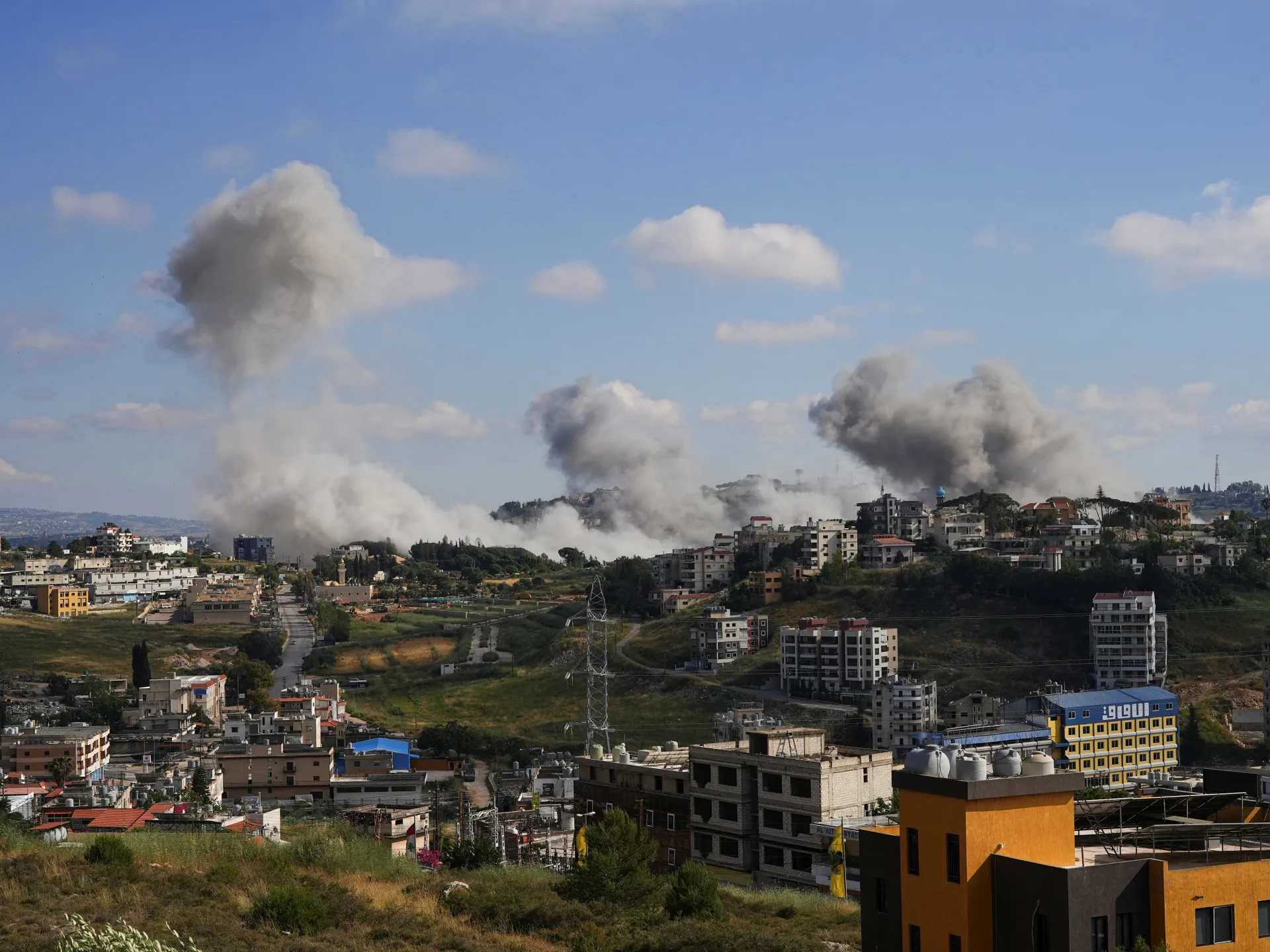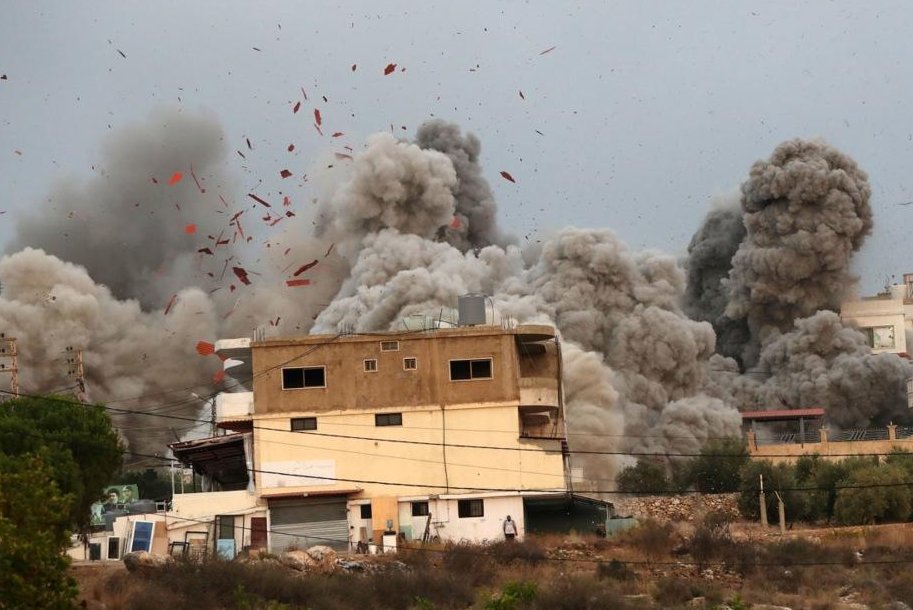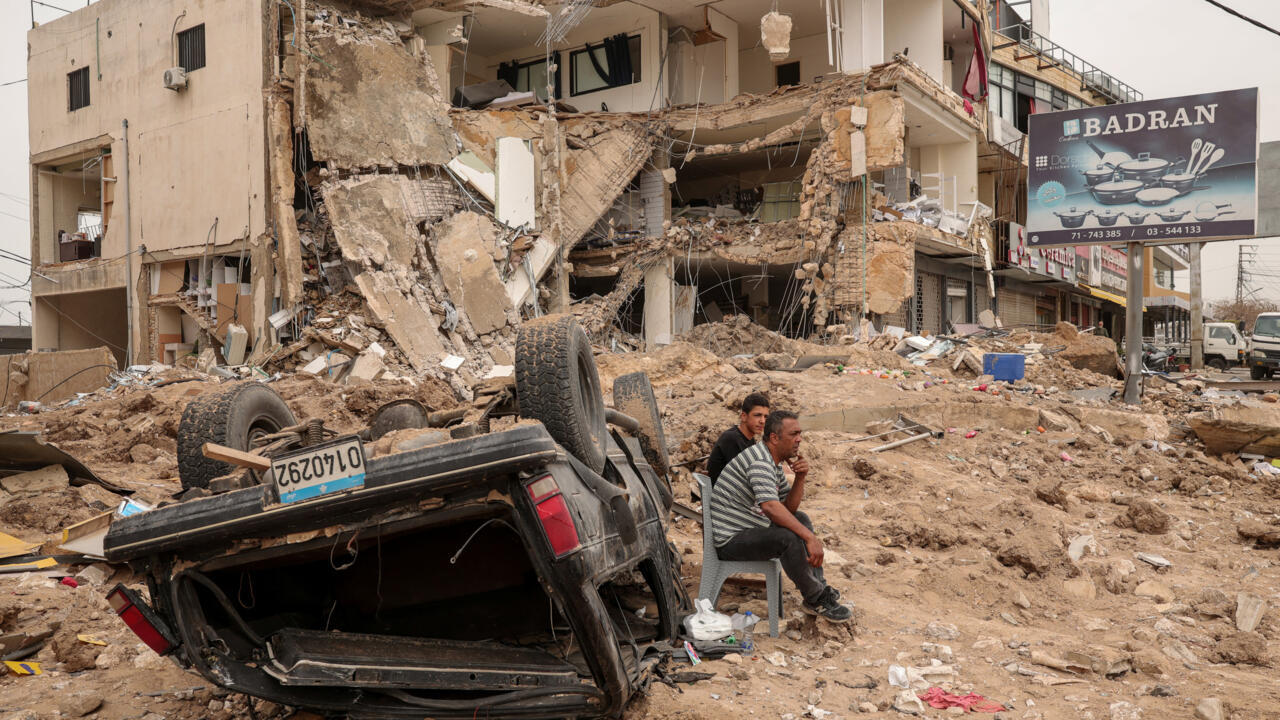
Israel's war in southern Lebanon is reopening old wounds far beyond the battlefield. More than a million people have been displaced since Israel and Hezbollah returned to full-scale conflict in March, while political leaders remain split over the powerful Shiite movement and negotiations with Israel. As calls for federalism and even partition become louder, the war is reviving debate over Lebanon's political system, national identity and territorial unity.
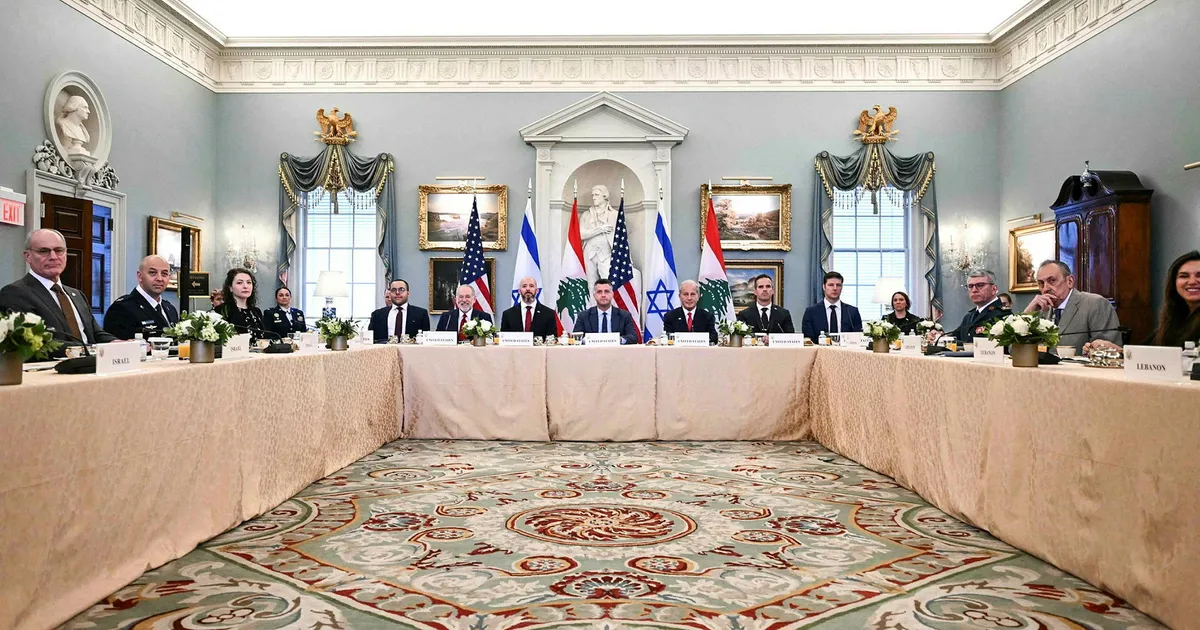
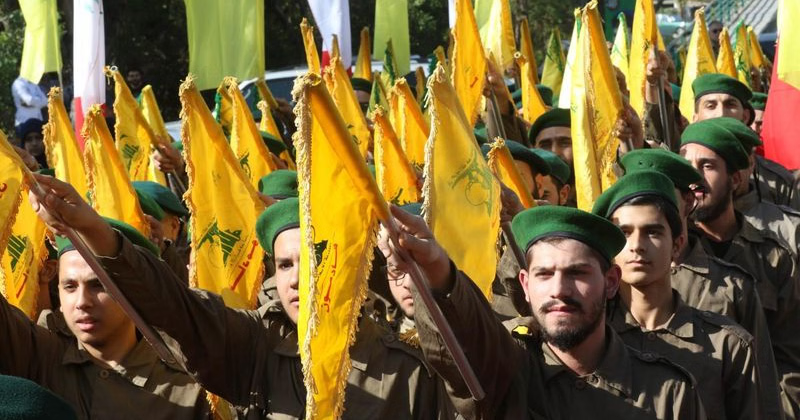
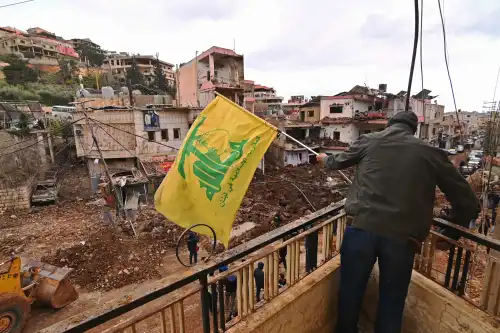
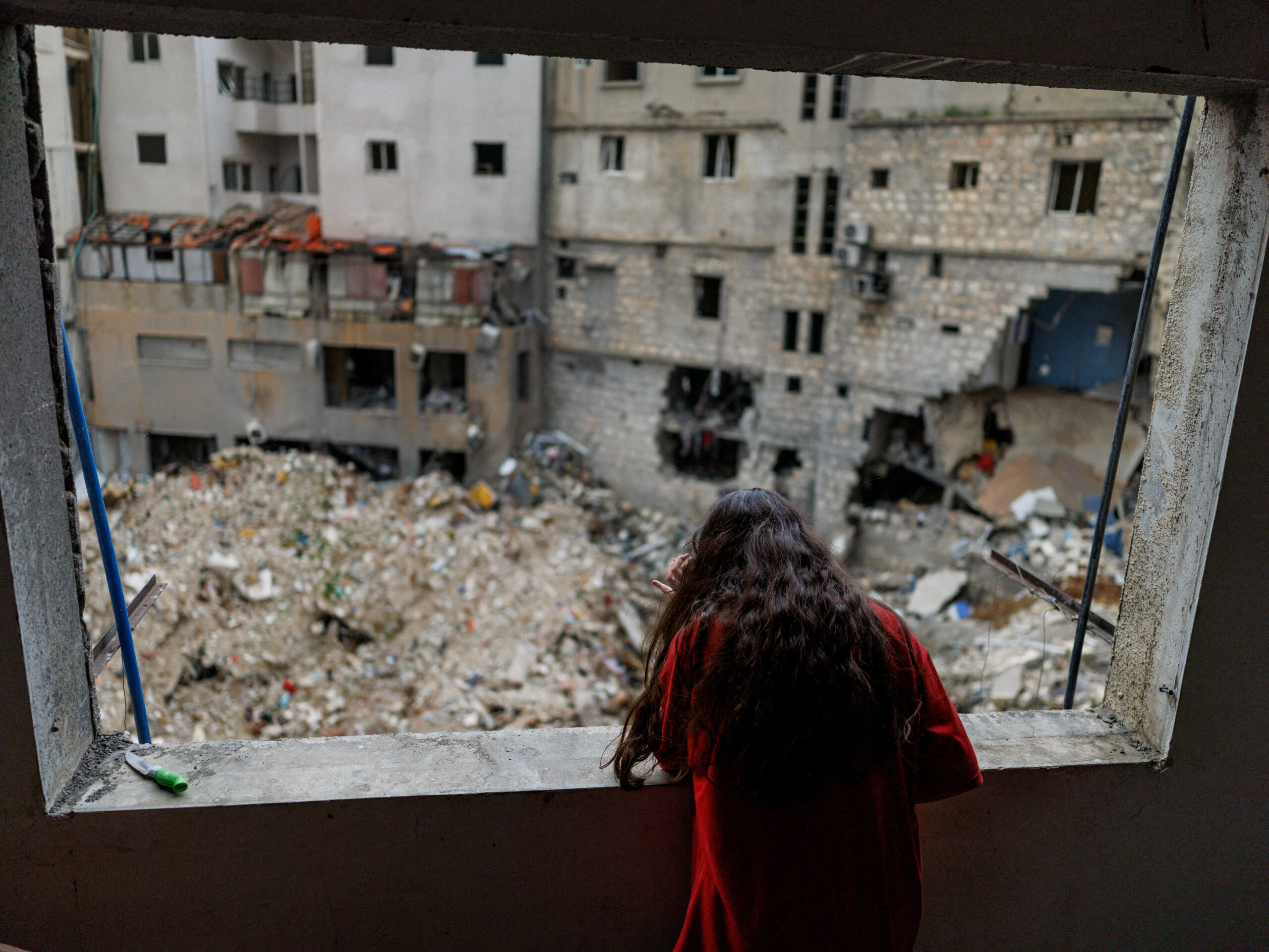
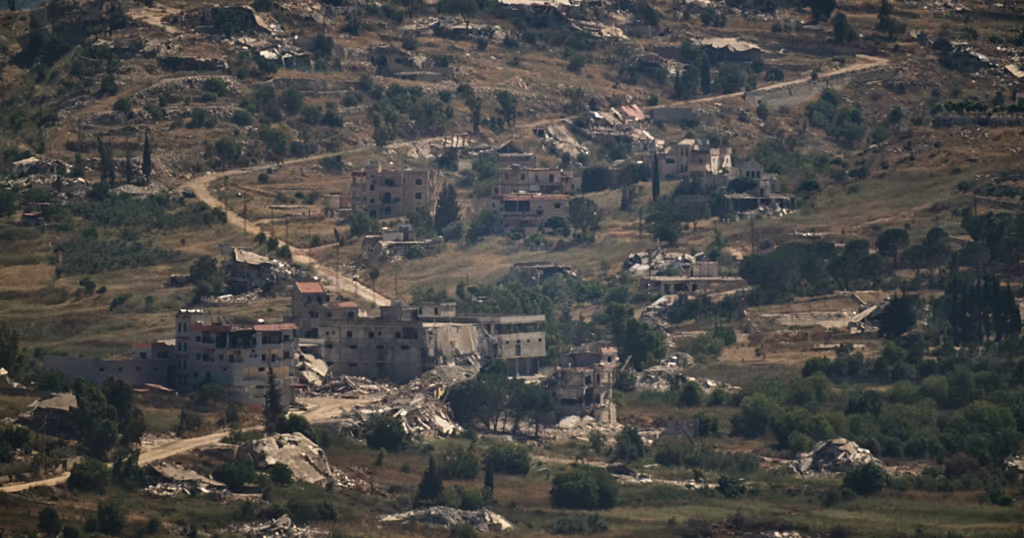
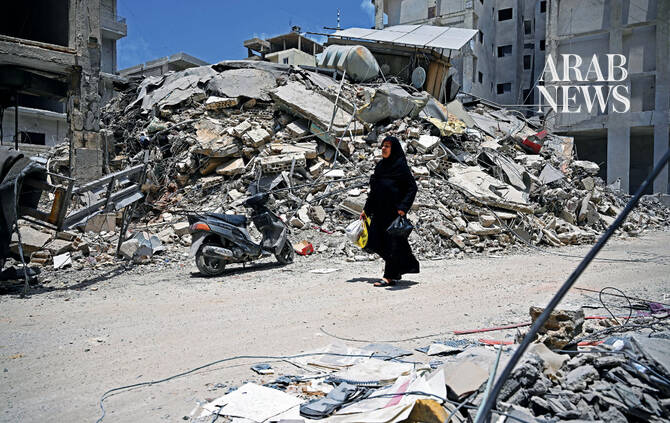
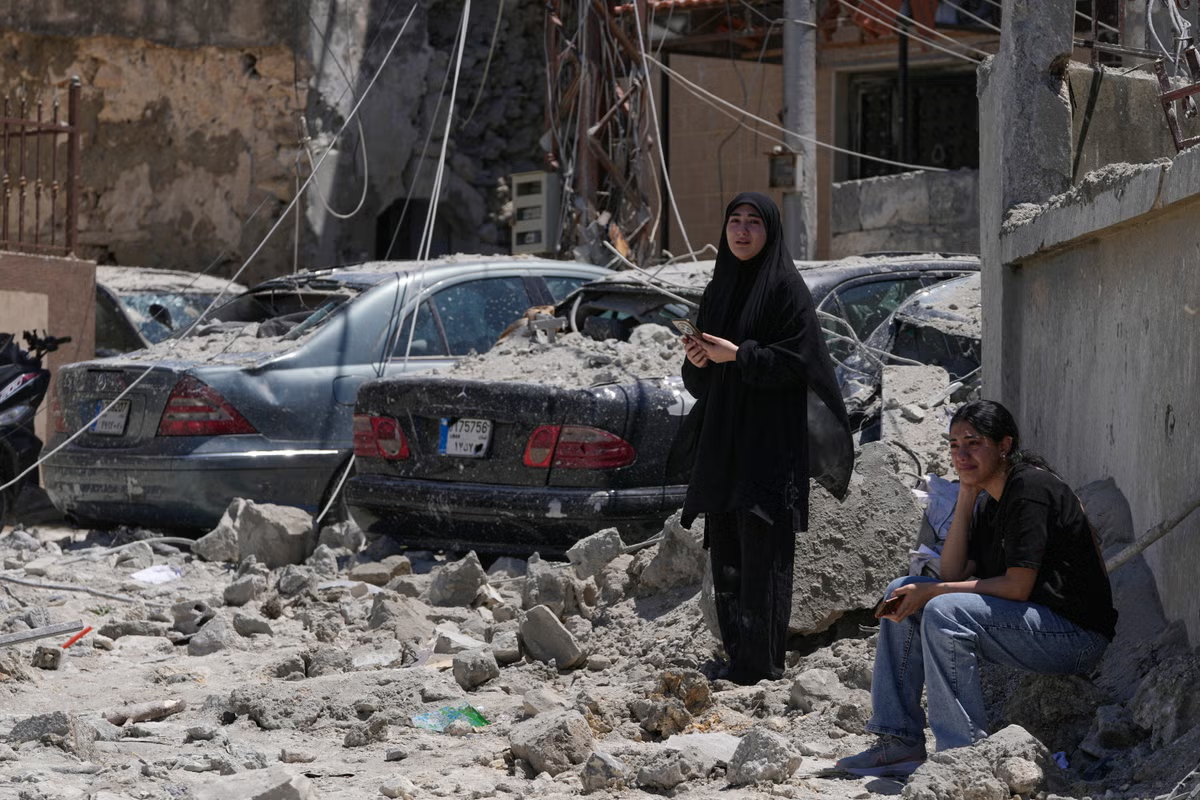
Months of fighting have devastated parts of southern Lebanon. Around 60 neighbourhoods have been completely destroyed, and Israel has established a de facto buffer zone covering 600 square kilometres of Lebanese territory. Israel and Lebanon agreed on Wednesday to implement a new US-brokered ceasefire following talks in Washington. But Hezbollah, which was not part of the negotiations, rejected the deal, and Israeli officials said military operations would continue despite the agreement. Yet the destruction has not united the country – instead deepening old rifts and reviving a debate many thought Lebanon had left behind. Lebanon's divisions often follow sectarian lines. Supporters of Hezbollah describe its fight against Israel as a legitimate resistance movement, while opponents blame the group for dragging the country into a devastating conflict. Those disagreements have fuelled wider arguments about Lebanon's future, including whether its sectarian power-sharing system – under which the president is a Christian, the prime minister a Sunni Muslim and the parliament speaker a Shiite Muslim – still works.