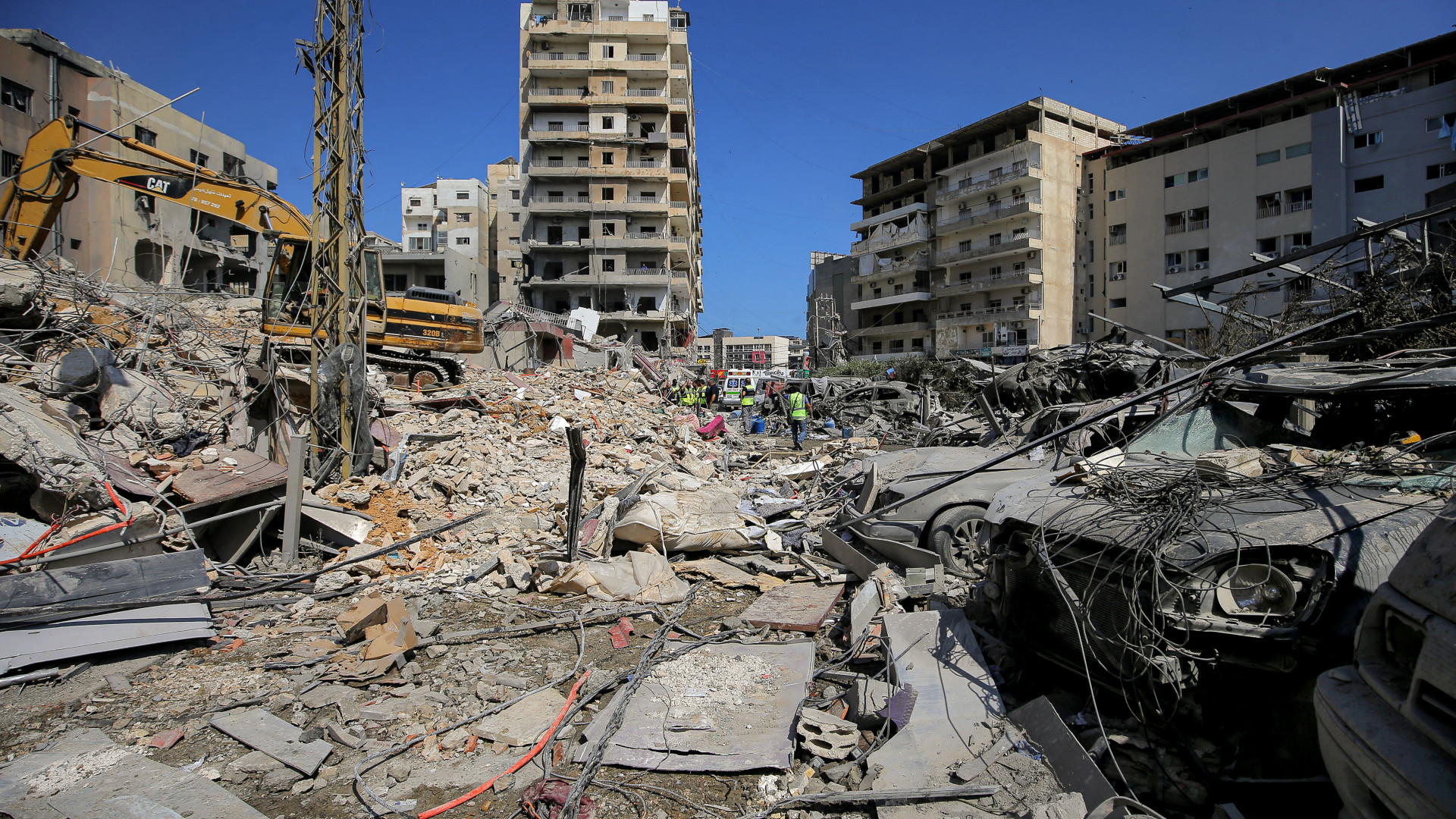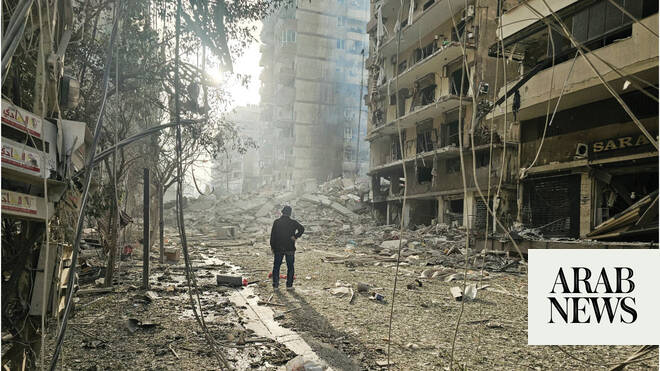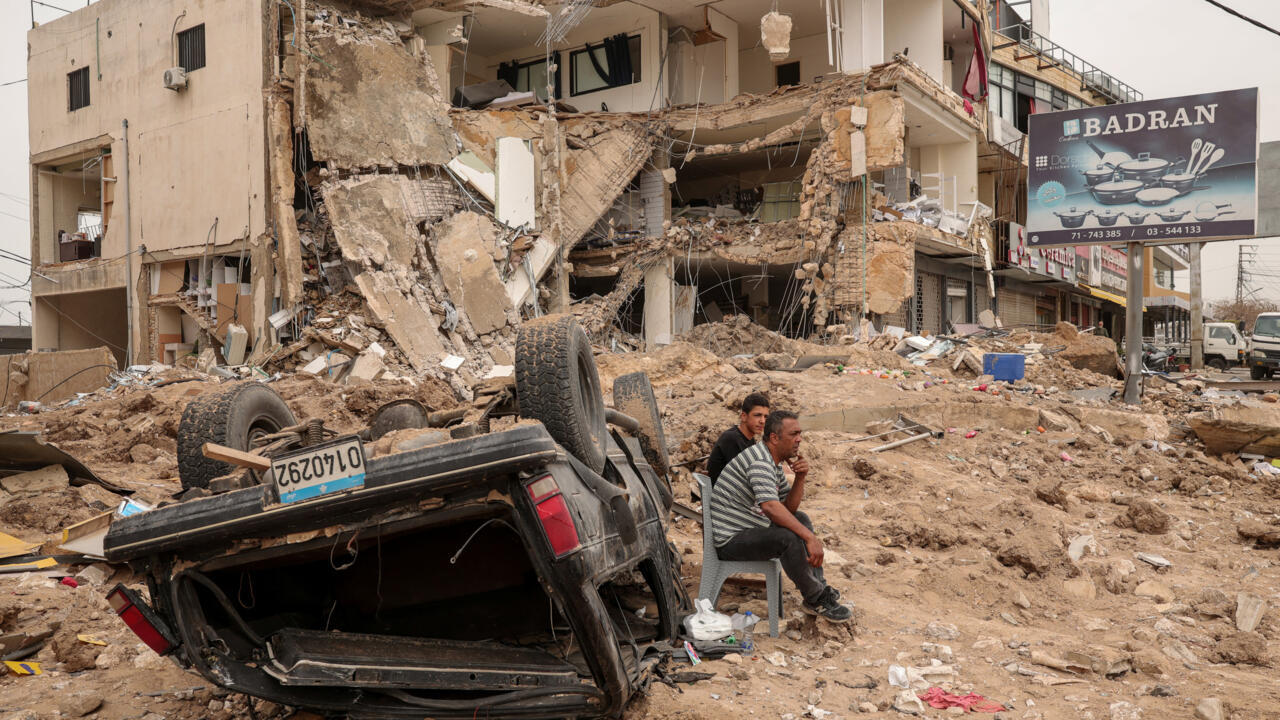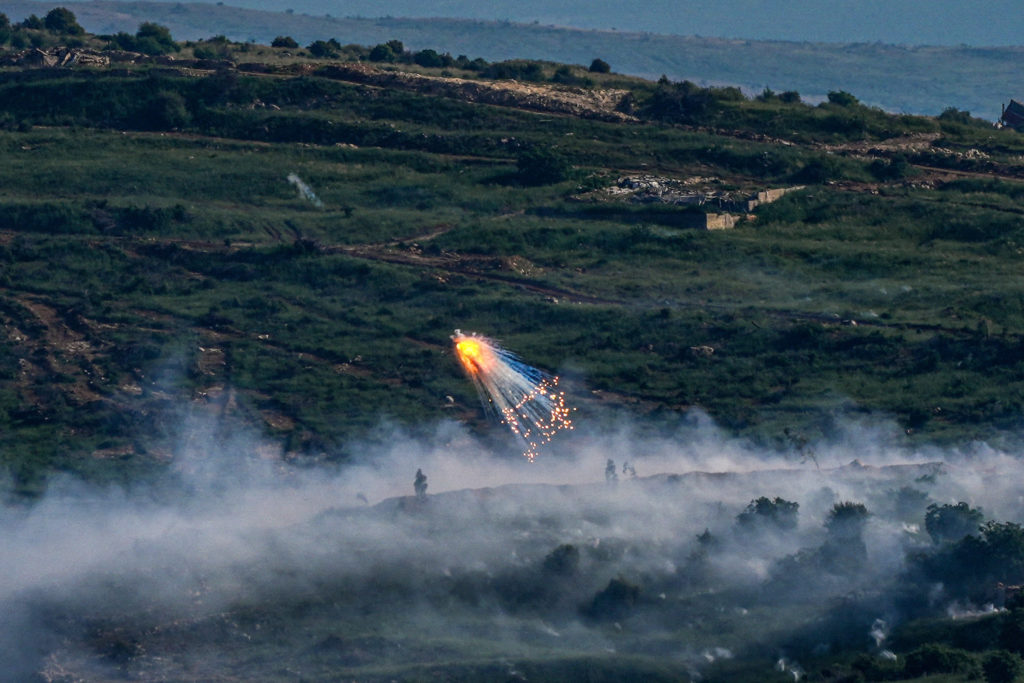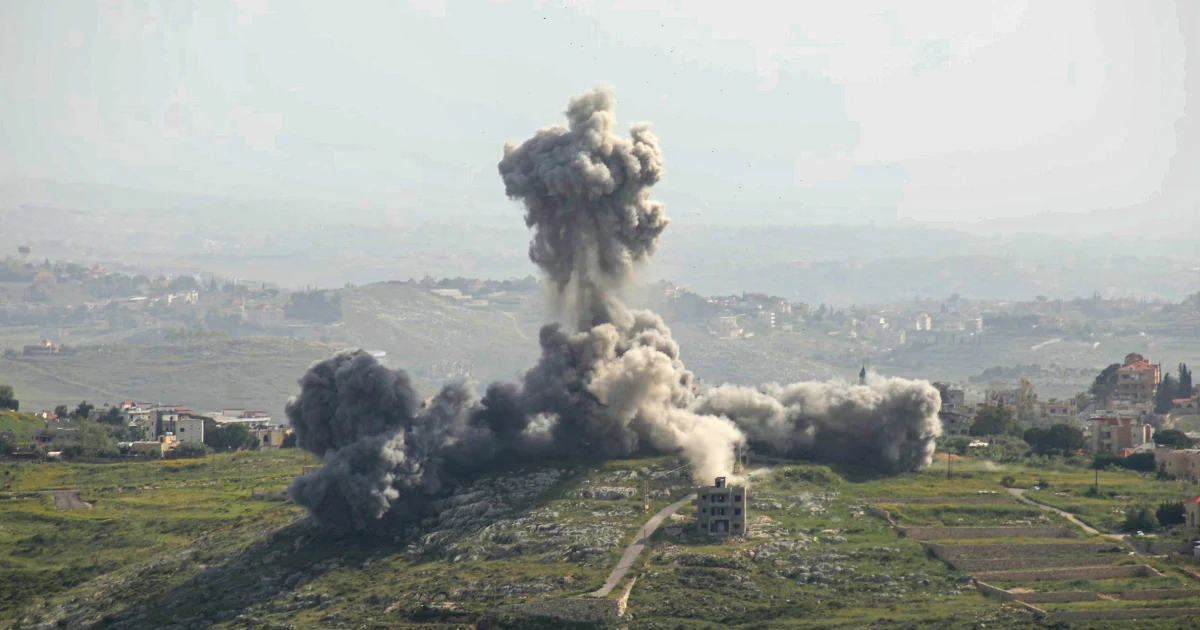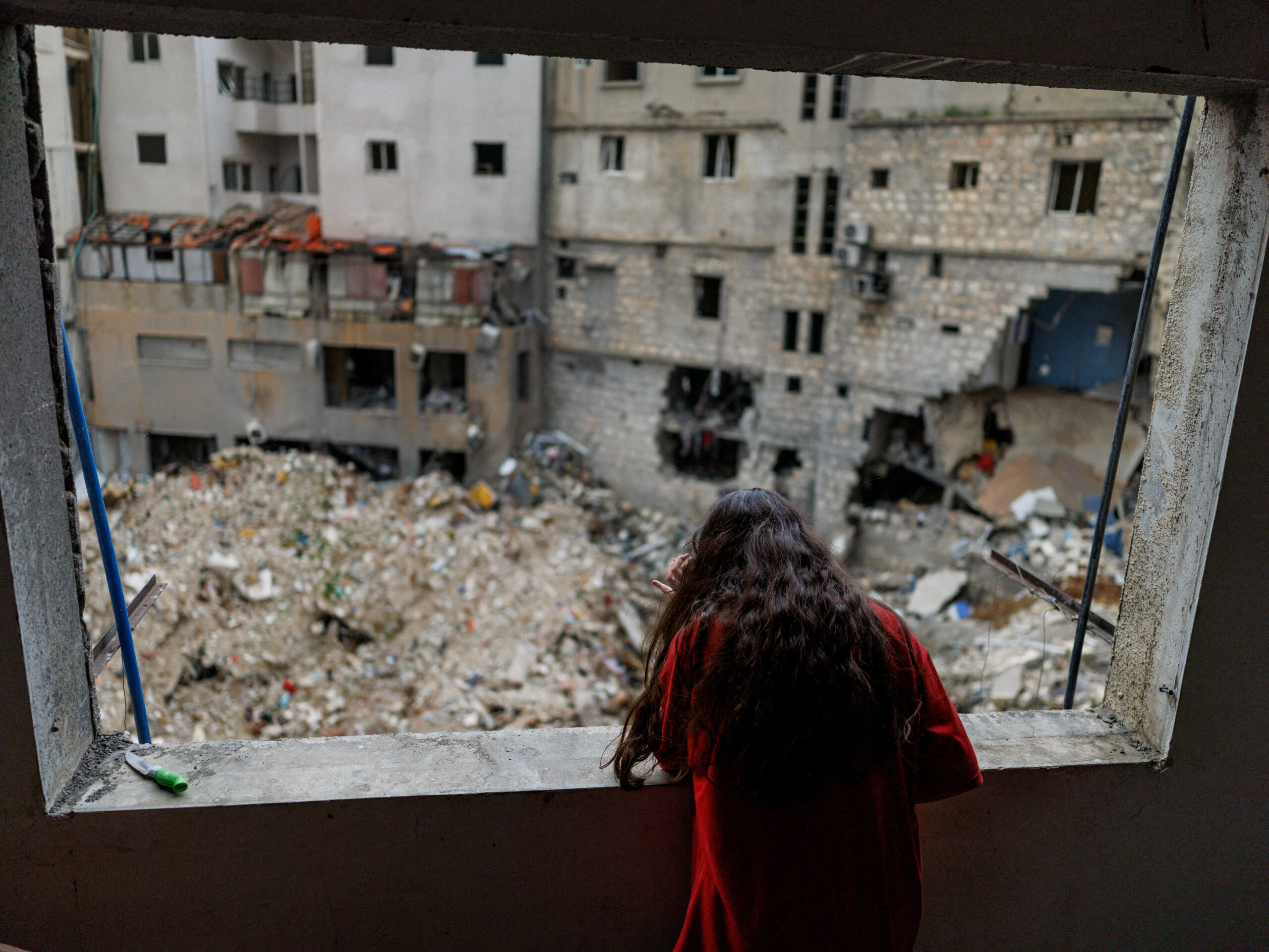
BEIRUT—Any visitor to Lebanon these days could be forgiven for thinking they have been transported thirty years back in time. Israel is occupying a tract of south Lebanon that almost exactly matches the configuration of its ill-fated “security zone” in the 1990s. Hezbollah is back to its daily “resistance” attacks against Israeli troops in south Lebanon and occasionally firing rockets (and now fiber-optic guided drones) across the border into northern Israel. Lebanese civilians in the south flee their homes and tread the well-worn road north to escape the violence. Israelis living in northern communities grumble that the government is not doing enough to eliminate the Hezbollah threat. It is as if nothing has changed over the past three decades. Even the current hesitant diplomatic track has echoes of more than four decades ago, specifically May 1983, when a weak Lebanese government was prodded by the Reagan administration into a broad security agreement with Israel, which was at the time occupying most of the southern half of Lebanon.
History is threatening to repeat itself with fresh proposed negotiations between Lebanon and Israel egged on by the Trump administration. As in 1983, a chasm of differences lies between the two sides, and it is uncertain whether it can be bridged. The negotiations are also splitting the Lebanese, with Hezbollah vehemently opposed to the idea of negotiating with Israel, describing the talks as a “grave sin.”