Published June 4th, 2026 - 03:15 GMT
Highlights
The pilot-zone plan is a central pillar of the new security arrangement, intended to facilitate de-escalation and create conditions for further Israeli withdrawal from southern Lebanon
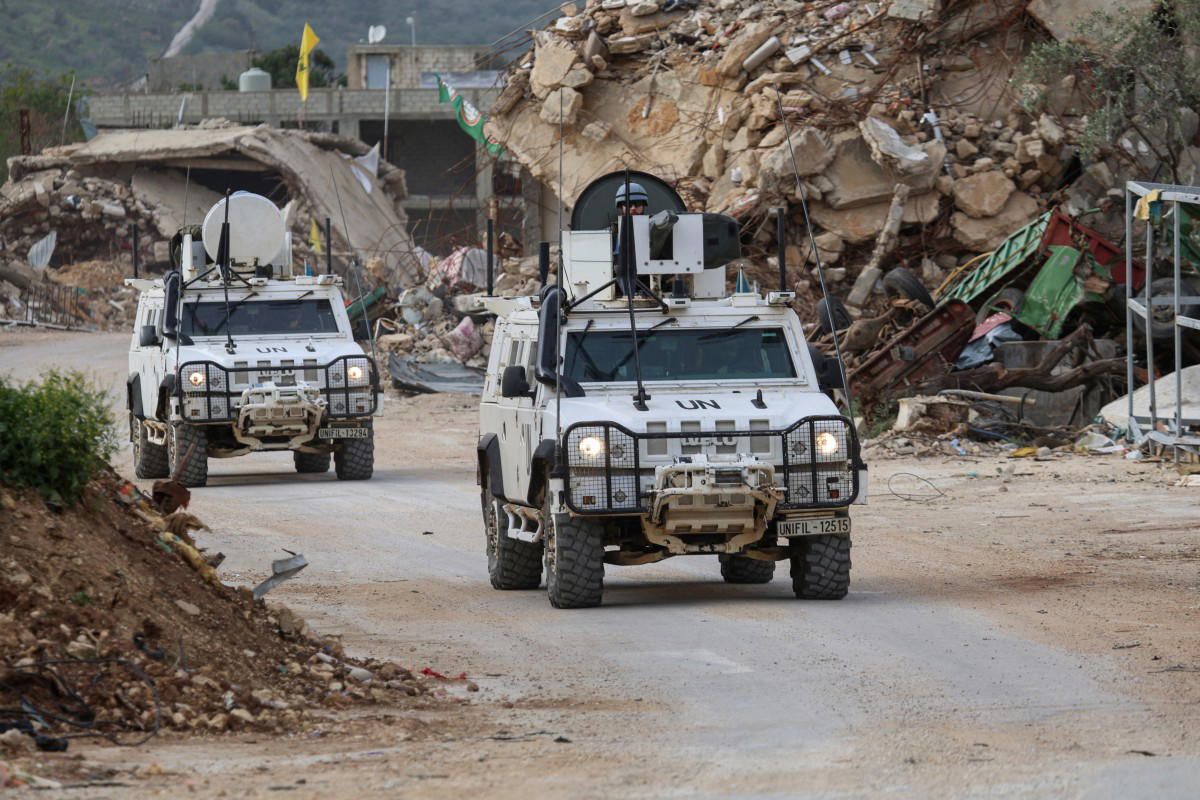
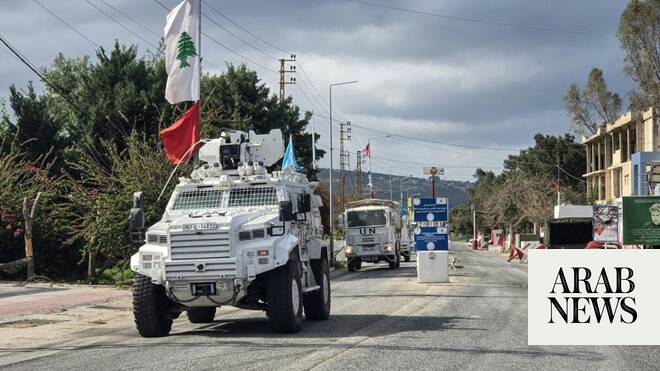
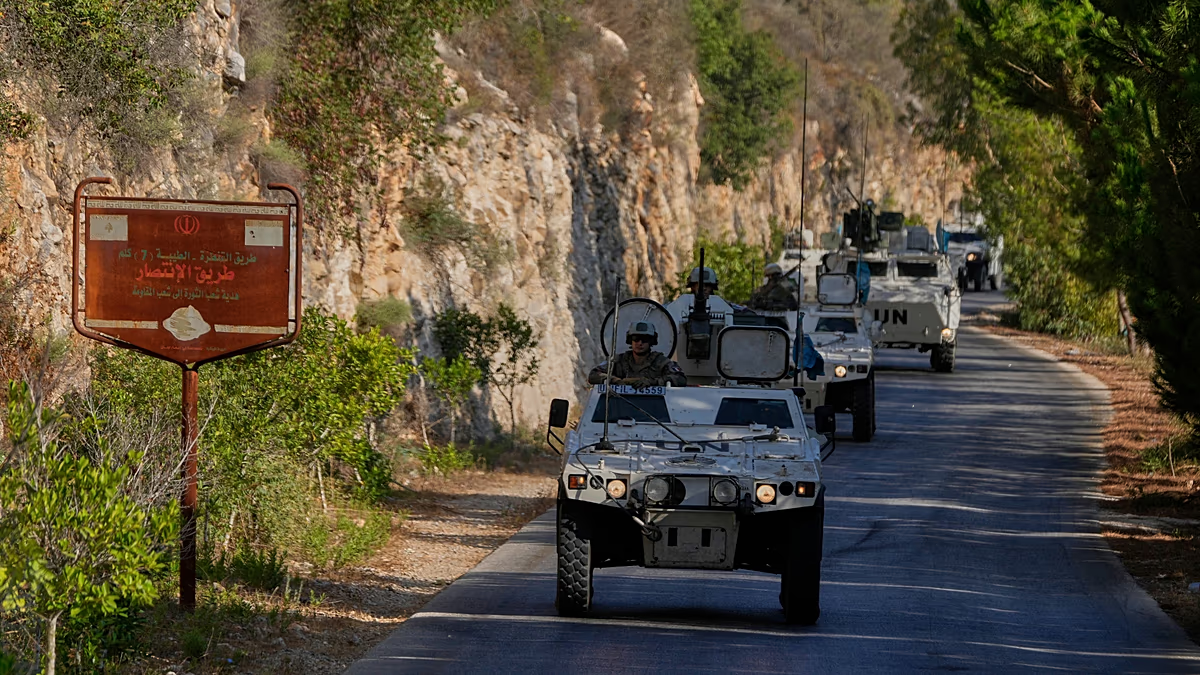
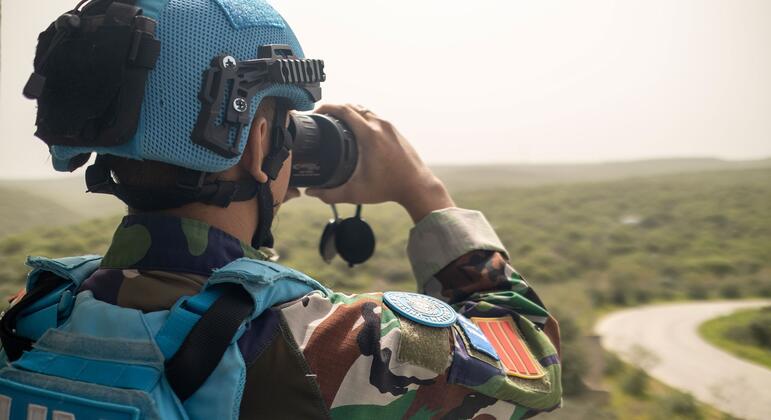
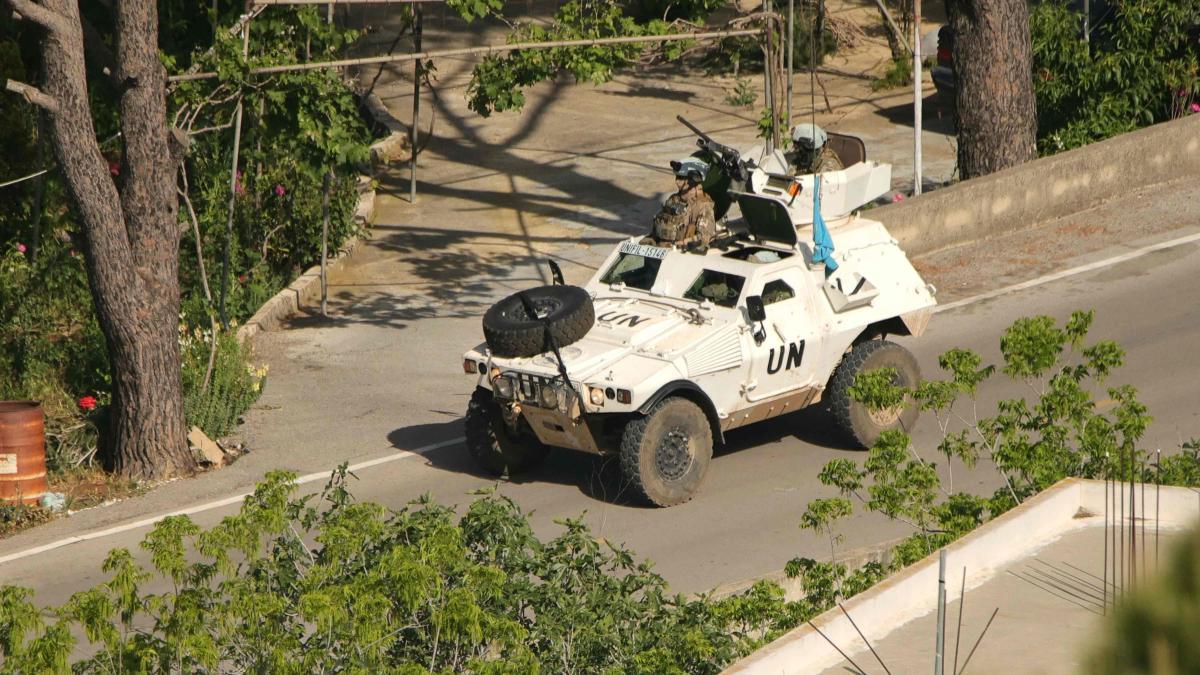
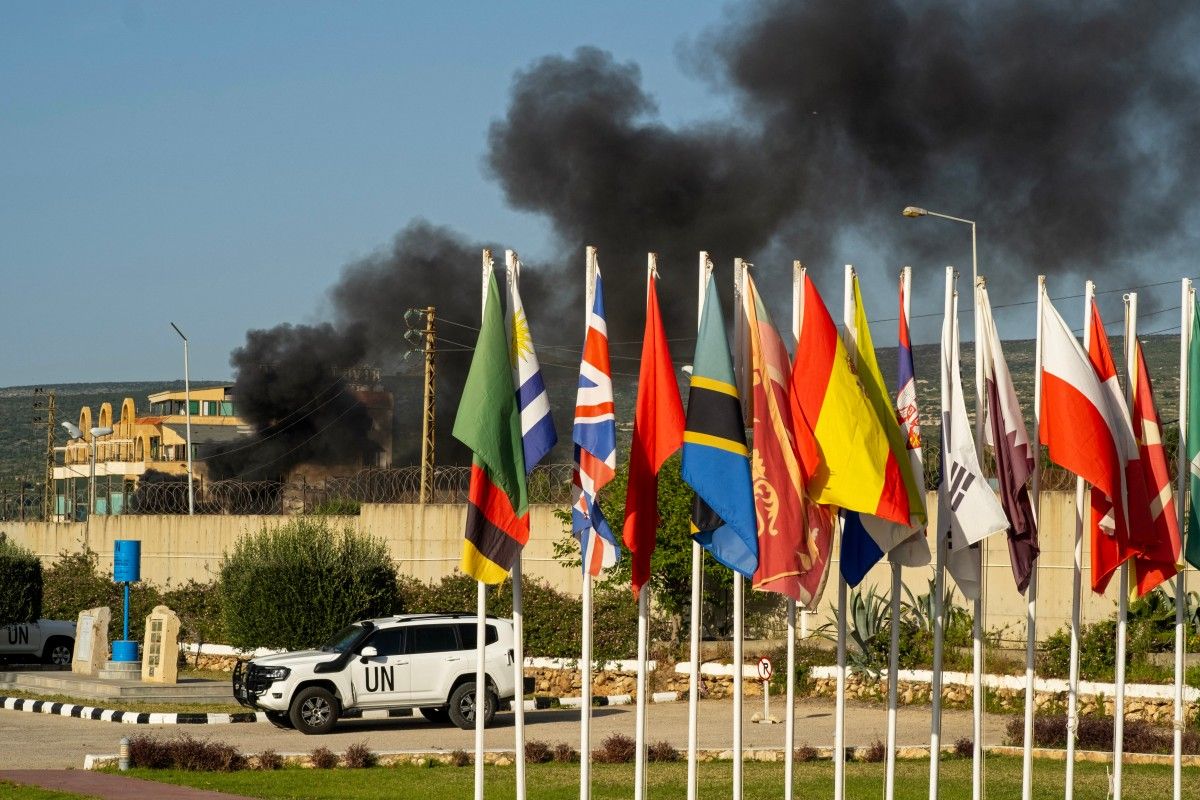
ALBAWABA- A United Nations peacekeeper was killed, and two Spanish soldiers were injured after four mortar rounds struck the Spanish-run “Miguel de Cervantes” base in Marjayoun on Wednesday, in one of the most serious attacks on UNIFIL positions in recent months.The base, part of the UNIFIL deployment in Sector East, hosts the Spanish battalion BRILIB, UNIFIL’s largest national contingent, and includes personnel from several countries, including Serbia. One Serbian “blue helmet” was killed in the strike, while two Spanish troops sustained injuries.Spanish Prime Minister Pedro Sánchez strongly condemned the attack, describing it as unacceptable violence against peacekeepers working to stabilize southern Lebanon. Writing on social media platform X, he expressed full support for UN personnel and called for respect of the ceasefire alongside a thorough investigation. Spain’s Foreign Minister José Manuel Albares also conveyed condolences to Serbia and wished a swift recovery to the wounded troops.En la noche de ayer, el conflicto en Líbano se saldó con cuatro ataques de mortero a la base española Miguel de Cervantes, un casco azul serbio fallecido y dos españoles heridos. Nuestra condena más absoluta a la violencia y todo nuestro apoyo a quienes se juegan la vida por…— Pedro Sánchez (@sanchezcastejon) June 4, 2026 Lebanese President Joseph Aoun and other officials have repeatedly condemned attacks on UNIFIL positions, warning that such incidents undermine stability efforts in the south and violate international humanitarian principles.The incident comes just days after the launch of a U.S.-brokered ceasefire framework between Lebanon and Israel and the initiation of Phase I deployment plans led by Lebanese Prime Minister Nawaf Salam. The agreement envisions the Lebanese Armed Forces taking exclusive control in designated “pilot zones” in the south, to exclude all non-state armed groups and gradually restore state authority along the border.The pilot-zone plan is a central pillar of the new security arrangement, intended to facilitate de-escalation and create conditions for further Israeli withdrawal from southern Lebanon. However, the mortar strike highlights the fragility of the process, raising concerns about the ability of Lebanese forces and international peacekeepers to operate safely during the transition.While details of responsibility remain unclear, the attack has intensified fears that continued violations by various actors could derail the ceasefire’s early implementation. It also adds pressure on ongoing diplomatic efforts to consolidate the agreement, as UNIFIL and international partners call for restraint and accountability to preserve the fragile truce.