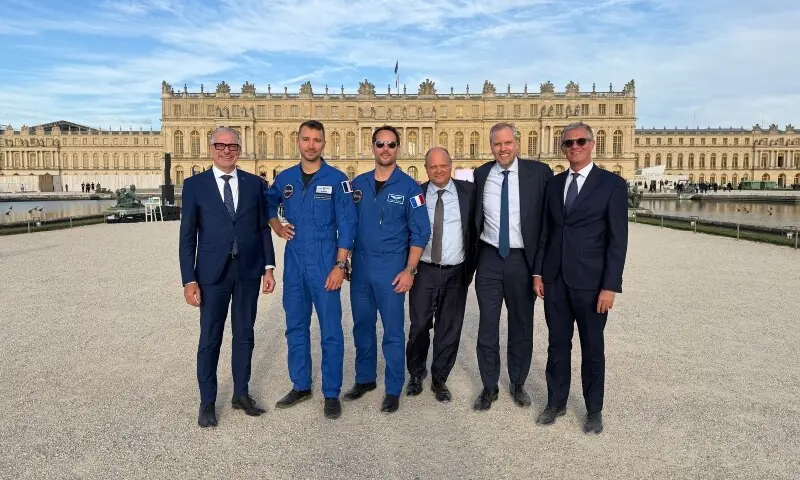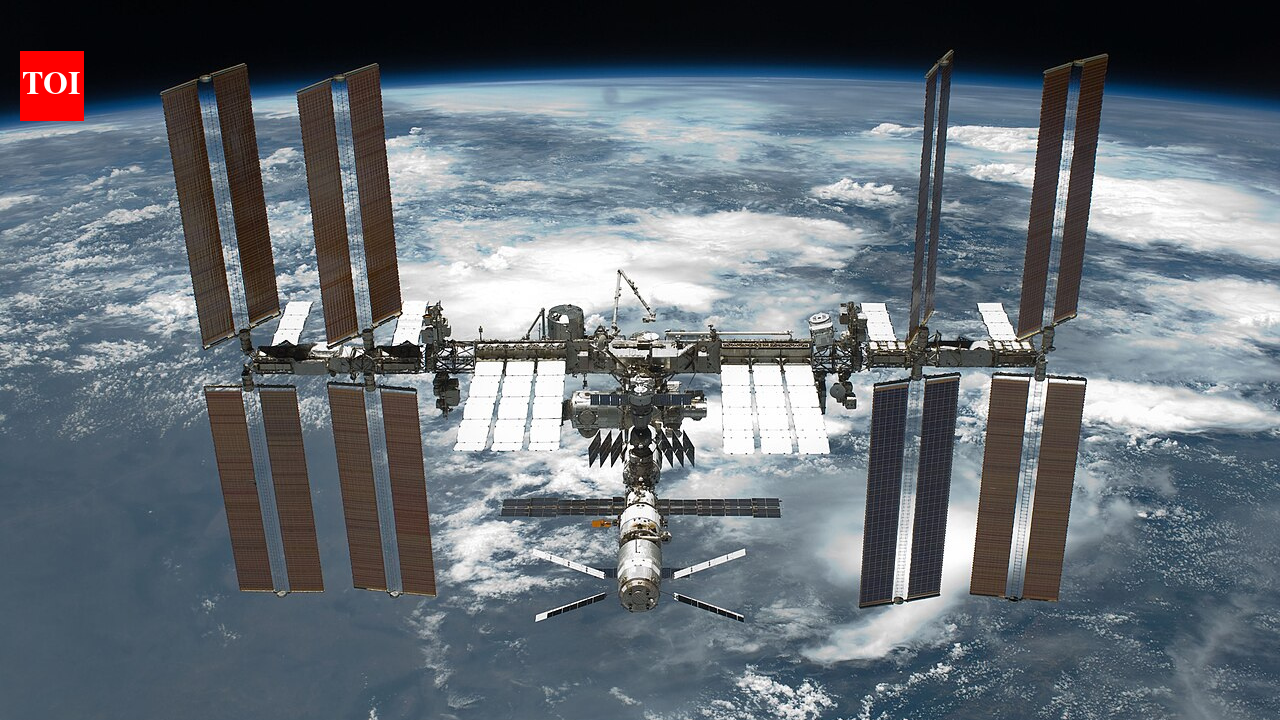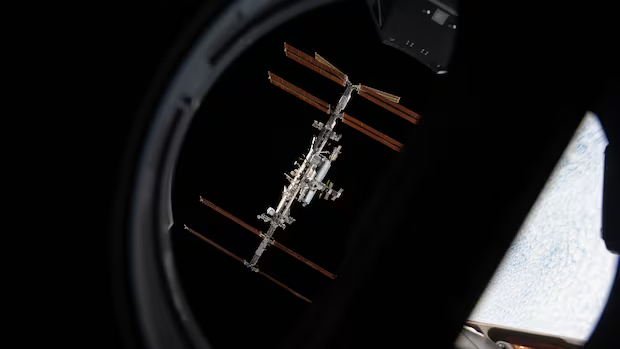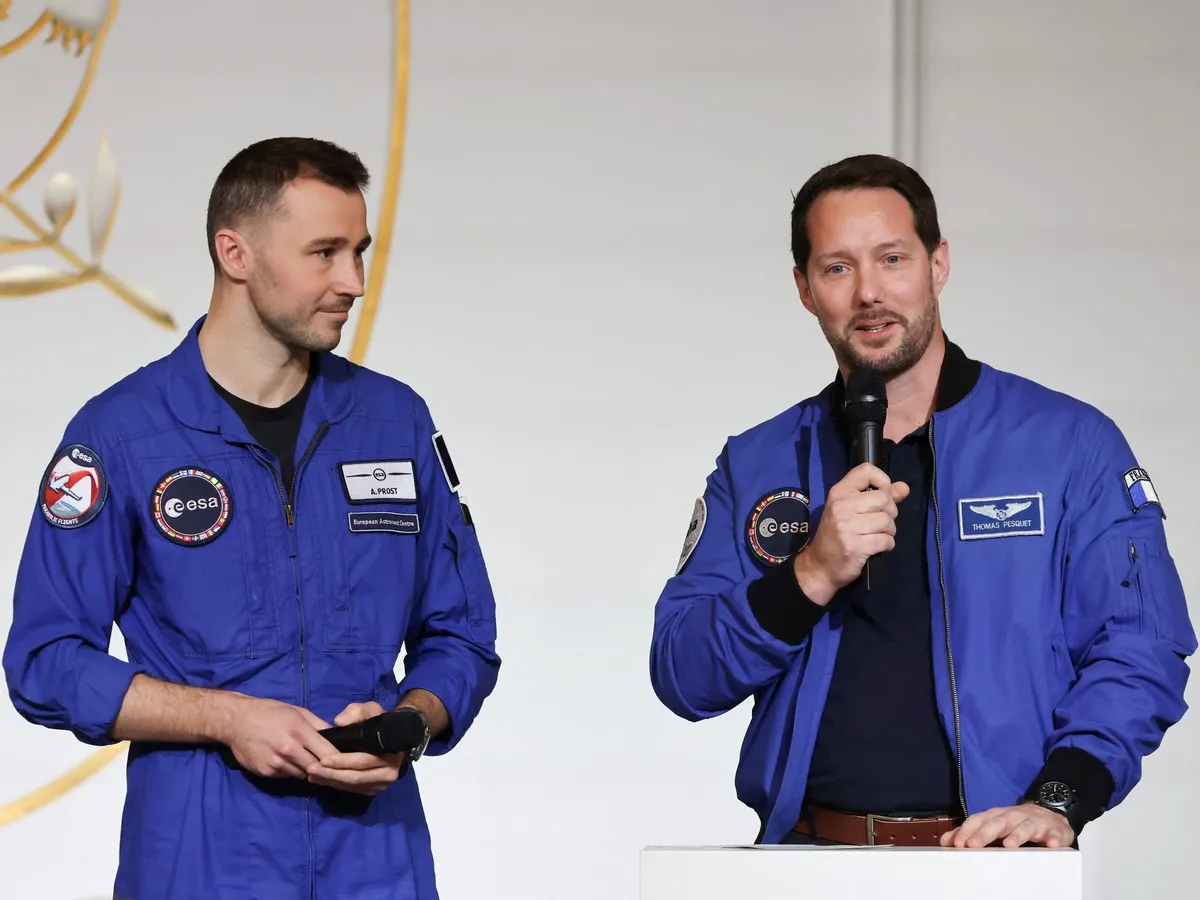
Skip to Content Subscribe Our Offers My Account Manage My Subscriptions FAQ Newsletters Canada Canadian True Crime Canadian Politics Health World Israel & Middle East Financial Post NP Comment Longreads Puzzmo Diversions Comics NP News Quiz New York Times Crossword Horoscopes Life Eating & Drinking Style Sponsored Play for Ontario Travel Travel Canada Travel USA Travel International Cruises Travel Essentials Culture Books Celebrity Movies Music Theatre Television Business Essentials Advice Lives Told Tails Told Shopping Buy Canadian Home Living Outdoor Living Tech Style & Beauty Kitchen & Dining Personal Care Entertainment & Hobbies Gift Guide Travel Guide Deals Savings National Post Store More Sports Hockey Baseball Basketball Football Soccer Golf Tennis Driving Vehicle Research Reviews News Gear Guide Obituaries Place an Obituary Place an In Memoriam Classifieds Place an Ad Celebrations Working Business Ads Archives Healthing Epaper Manage Print Subscription Profile Settings My Subscriptions Saved Articles My Offers Newsletters Customer Service FAQ Newsletters Canada World Financial Post NP Comment Longreads Puzzmo Diversions Life Shopping Epaper Manage Print Subscription HomeNewsSpaceThe ISS will be deorbited in 2030. These commercial space stations are here to fill the voidThe first commercial space station is expected to launch into orbit in 2027Author of the article: You can save this article by registering for free here. Or sign-in if you have an account.French astronauts Thomas Pesquet and Arnaud Prost speak to an audience ahead of departure for the ISS, at the presidential Elysee Palace in Paris on Feb. 5. Photo by LUDOVIC MARIN /POOL/AFP via Getty ImagesThe race to replace the ageing International Space Station is heating up after U.S. company Vast announced a mission to fly an astronaut to its planned Haven-1 station next year.Enjoy the latest local, national and international news.Exclusive articles by Conrad Black, Barbara Kay and others. Plus, special edition NP Platformed and First Reading newsletters and virtual events.Unlimited online access to National Post.National Post ePaper, an electronic replica of the print edition to view on any device, share and comment on.Daily puzzles including the New York Times Crossword.Support local journalism.Enjoy the latest local, national and international news.Exclusive articles by Conrad Black, Barbara Kay and others. Plus, special edition NP Platformed and First Reading newsletters and virtual events.Unlimited online access to National Post.National Post ePaper, an electronic replica of the print edition to view on any device, share and comment on.Daily puzzles including the New York Times Crossword.Support local journalism.Create an account or sign in to continue with your reading experience.Access articles from across Canada with one account.Share your thoughts and join the conversation in the comments.Enjoy additional articles per month.Get email updates from your favourite authors.Create an account or sign in to continue with your reading experience.Access articles from across Canada with one accountShare your thoughts and join the conversation in the commentsEnjoy additional articles per monthGet email updates from your favourite authorsSign In or Create an AccountorIf the repeatedly delayed Haven-1 is launched into orbit as scheduled in early 2027, it will become history’s first commercial space station, beating out several competitors.It would also mark a post-ISS era for humanity’s presence in space, as the West seeks independence from Russian space operations due to the war in Ukraine.After a quarter of a century being continuously inhabited, the ISS is scheduled to be deorbited in 2030.Get a dash of perspective along with the trending news of the day in a very readable format.By signing up you consent to receive the above newsletter from Postmedia Network Inc.A welcome email is on its way. If you don't see it, please check your junk folder.The next issue of NP Posted will soon be in your inbox.We encountered an issue signing you up. Please try againOn Tuesday, Vast became the first aerospace company to announce a crewed mission to its future station.This is an important milestone in a new era in crewed spaceflight that is less expensive — and less reliant on Russia, Vast CEO Max Haot told AFP in an interview.French astronaut Arnaud Prost “is joining us on the crew of the inaugural mission of what will be the world’s first operational commercial space station when it launches next year”, Haot said.On board Haven-1, Prost will be tasked with carrying out tests ahead of scientific experiments, which will be similar to those conducted on the ISS, he explained.The privately funded station will have a single module, compared to 16 currently on the ISS.During its three years in orbit, it will “host four two-week missions,” Haot said.Vast has bigger plans for its replacement. A close-up view of the International Space Station, photographed in 2011. The ISS is scheduled to be deorbited in 2030. NASA/AFP via Getty ImagesHaven-2 will eventually have nine modules, but the company plans to deploy them gradually over time.This will mean the modules cost “five to 10 times lower” than those for the ISS, which often exceeded a billion dollars, Haot said.“This will allow us to increase the number of crewed flights and offer more attractive prices to our customers,” he added.“We hope to launch three modules per year for our future station — and that at least one module will be launched by a European rocket.”The company aims to have four modules in space by 2030, which would support six-month missions on board.Other U.S. aerospace companies also have plans to launch commercial space stations, including Axiom Space and Amazon billionaire Jeff Bezos’s Blue Origin.The California-based Vast, which was founded in 2021 by cryptocurrency billionaire Jed McCaleb, acknowledges it entered the race late.But the company now claims to be two years ahead of its rivals, citing contracts with NASA.Also on Tuesday, Vast announced a mission to send French astronaut Thomas Pesquet to the ISS next year. The company also plans to open its European headquarters in Paris.For both new missions, Vast will use SpaceX’s Falcon 9 rockets and Dragon 2 capsule to get the astronauts into space.When asked about relying on billionaire Elon Musk’s company, Haot said SpaceX’s “unique” approach emphasised “speed and rocket reusability”.“It’s a model for everyone — and it’s the future of space,” he said.“If SpaceX had not succeeded in creating Dragon, Vast would not exist. And the United States and Europe would still be dependent on Russia to send humans into space.”Despite many international cooperation agreements falling apart after Moscow invaded Ukraine in 2022, the United States and other ISS partners have continued working with Russia on the space station. Join the Conversation This website uses cookies to personalize your content (including ads), and allows us to analyze our traffic. Read more about cookies here. By continuing to use our site, you agree to our Terms of Use and Privacy Policy.
The ISS will be deorbited in 2030. These commercial space stations are here to fill the void
Haven-1 space station starts outer space race between
1,103 words~5 min read