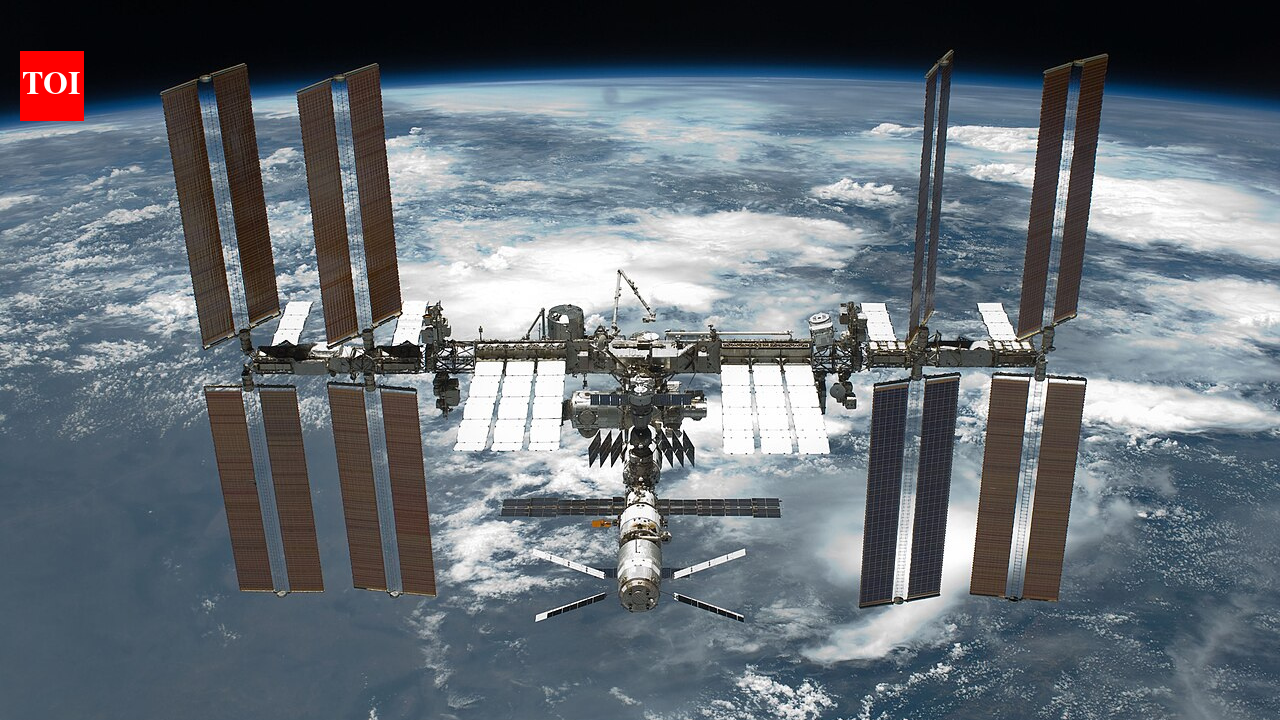
Humans have long dreamed of living among the stars, and for two decades hundreds of us have done so aboard the International Space Station (ISS). But a new era is about to begin in which private companies operate orbital outposts—with the promise of much greater access to space than before. The ISS is aging and is expected to be brought down from orbit into the ocean in 2031. To replace it, NASA has awarded more than $500 million to several companies to develop private space stations, while others have built versions on their own. The first of those, Vast Space from California, plans to launch its Haven-1 space station in early 2027 on a SpaceX Falcon 9 rocket, following significant testing this year. If all goes to plan, it will initially support crews of four people staying aboard the bus-size habitat for 10 days. Paying customers will be able to experience life in microgravity and conduct research such as growing plants and testing drugs. On its heels will be Axiom Space’s outpost, the Axiom Station, consisting of five modules (or rooms). It’s designed to look like a boutique hotel and is expected to launch in 2028. Voyager Space aims to launch its version, called Starlab, the same year, and Blue Origin’s Orbital Reef space station plans to follow in 2030.
Commercial space stations: 10 Breakthrough Technologies 2026
The first commercial orbital outpost is scheduled to launch in early 2027.
372 words~2 min read