https://arab.news/p2uac
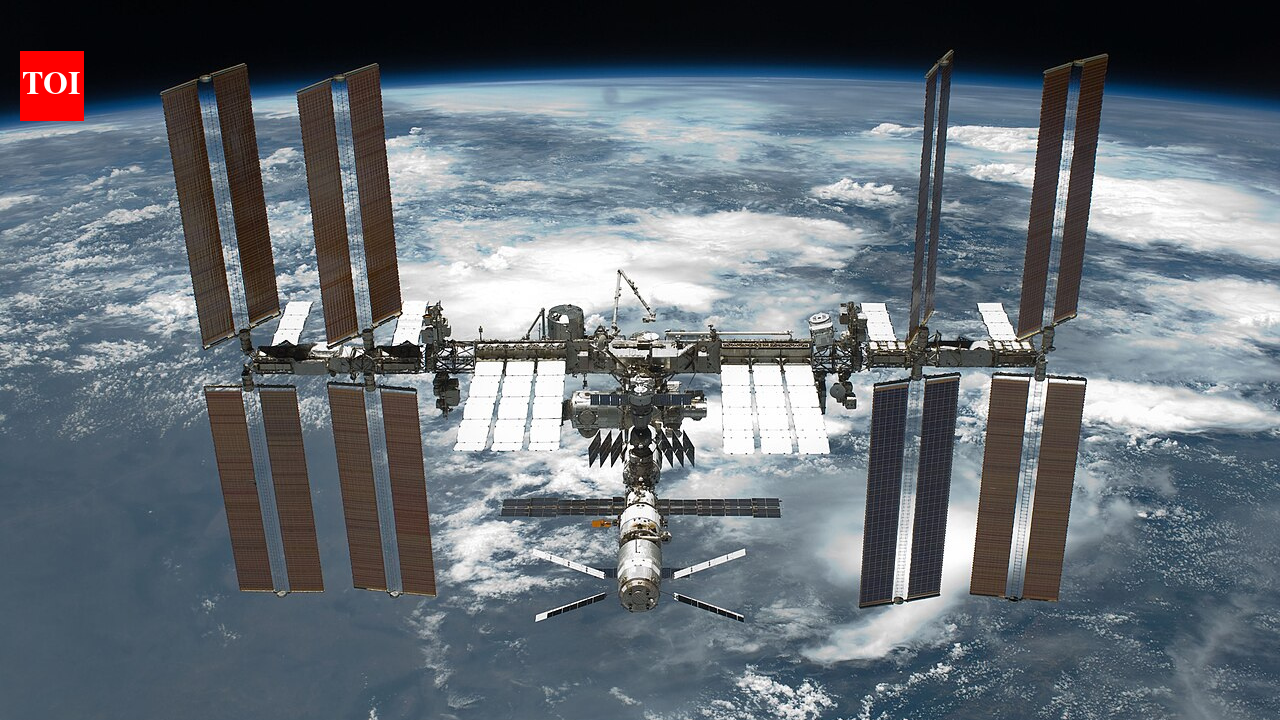
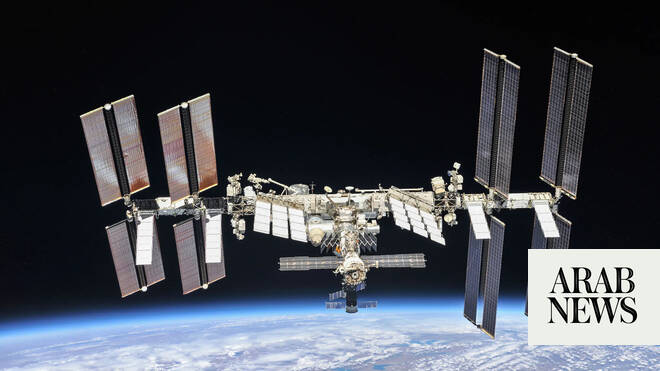
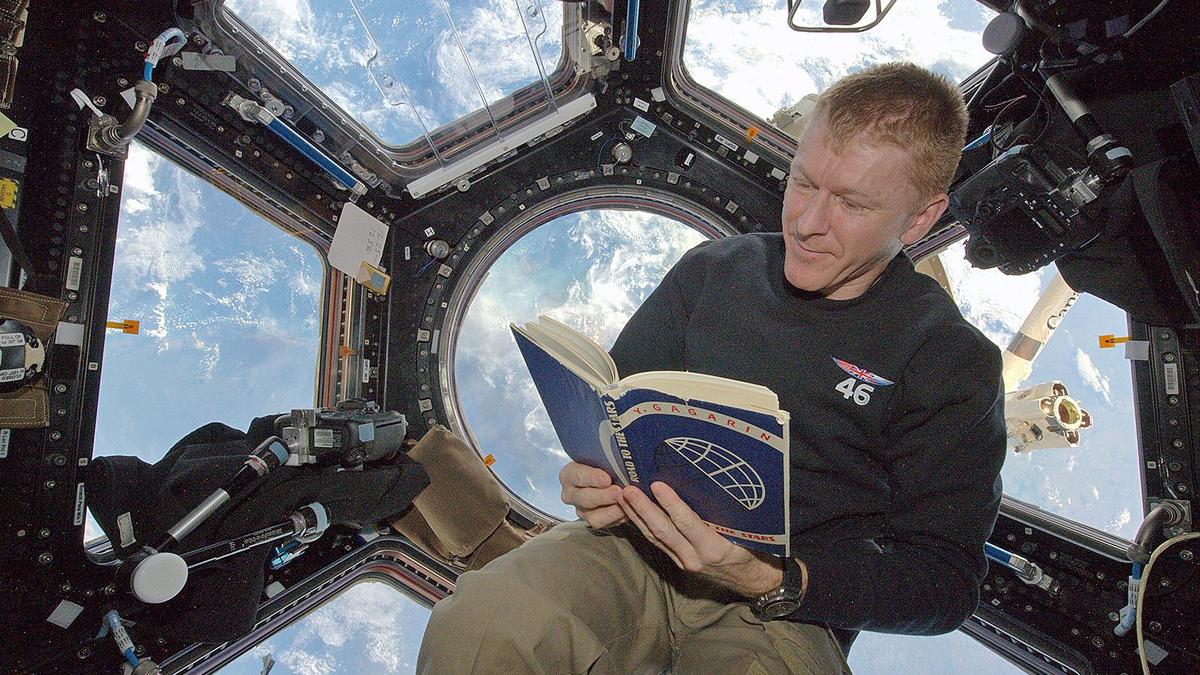
In five years’ time, the International Space Station will be retired. This symbol of peaceful collaboration is set to exit space at a time of increased and convergent geopolitical and technological competition on Earth. In uninterrupted operation for more than two decades, the space station has hosted thousands of scientific experiments in microgravity and welcomed 250 astronauts from 20 nations. A joint project between the US’ NASA, Russia’s Roscosmos, the European Space Agency, the Japan Aerospace Exploration Agency and the Canadian Space Agency, it included participation from 15 countries.
Needless to say, the world and space are today heading in a different direction. What will space look like in five years? What will Earth’s geopolitics look like in five years? Will there be the same opportunities for collaboration in research and science in space? The answers are starting to unfold and, noting the importance of space in terms of global communications and intelligence, we are noticing the erasure of commercialization within the space sector. In short, it is back to single-use and not even dual-use.
Today, the only country ready for the post-International Space Station era is China. The Tiangong space station, which has been fully functioning since late 2022, is a significant step in China’s ascent to prominence as a global space power. Tiangong is, for now, composed of three modules: the Tianhe core module and two laboratories, Wentian and Mengtian. Just like the International Space Station, it orbits Earth at a distance of about 400 km.