NEW DELHI: After sending its first astronaut to the International Space Station, autonomously docking two satellites, and launching the heaviest payload this year, India’s space industry is preparing for the first uncrewed test of its human spaceflight program in 2026.
In 2025, India’s space program spearheaded by the Indian Space Research Organisation marked several milestones, starting in January, when it became the fourth country to perform space docking — connecting two spacecraft in orbit, which is a capability crucial for future space stations and deep-space missions.
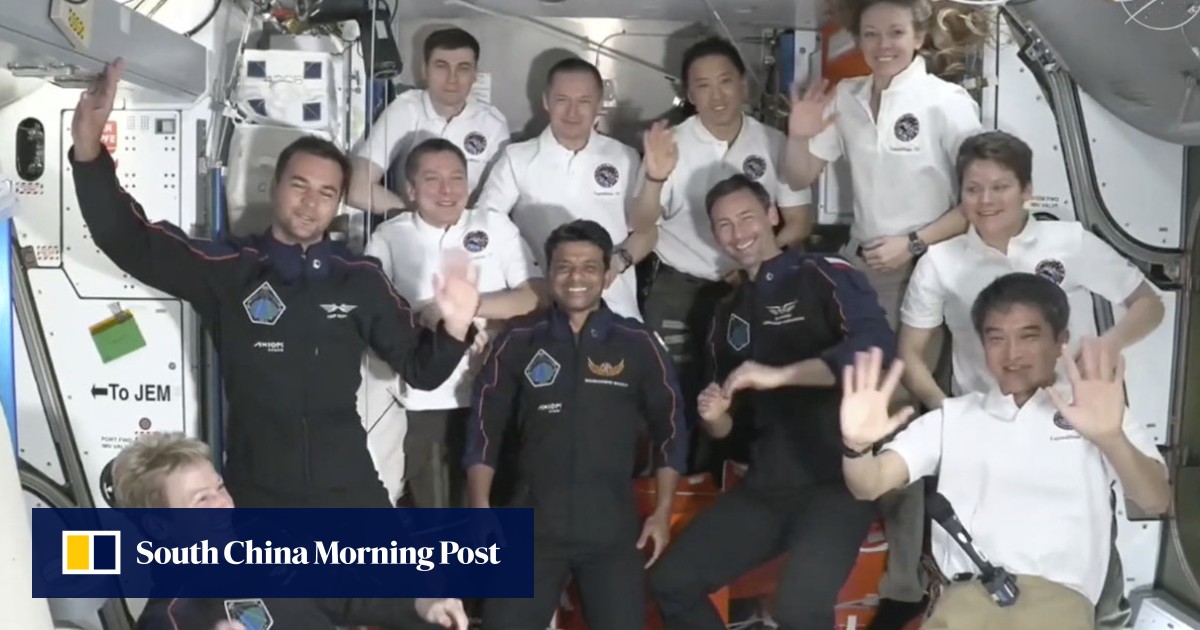
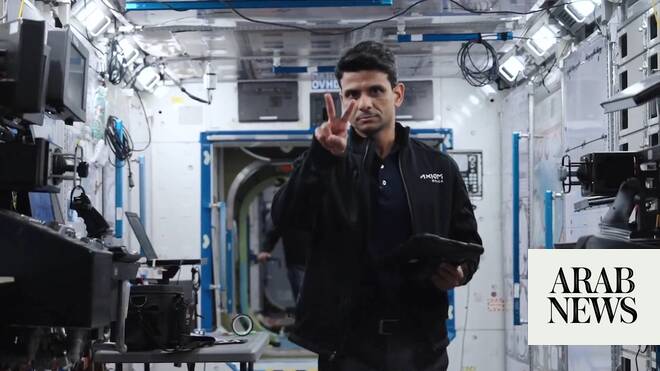
In June, Shubhanshu Shukla, an Indian Air Force pilot, flew to the ISS as part of the Axiom 4 mission. He became the second Indian national in space, after Rakesh Sharma in 1984.
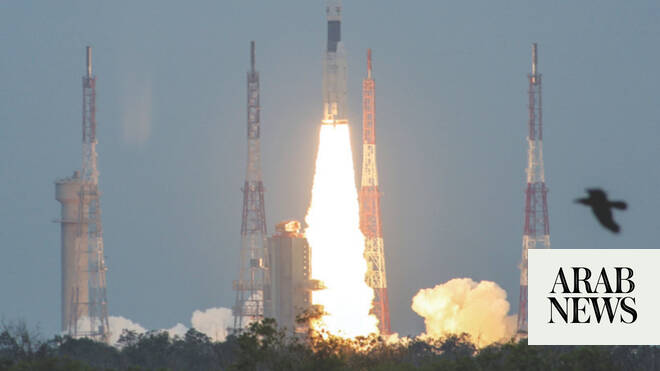
A month later, ISRO, in collaboration with NASA, launched a joint observation satellite to provide high-resolution radar imagery of the Earth, and in December capped the year by deploying the BlueBird Block 2, the heaviest payload ever launched from Indian soil.
It “marked a decisive year for India’s space sector as policy reforms translated into tangible execution across launch, satellite manufacturing, Earth observation, space data, and satellite communications,” said Lt. Gen. AK Bhatt (retd.), director general of the Indian Space Association.