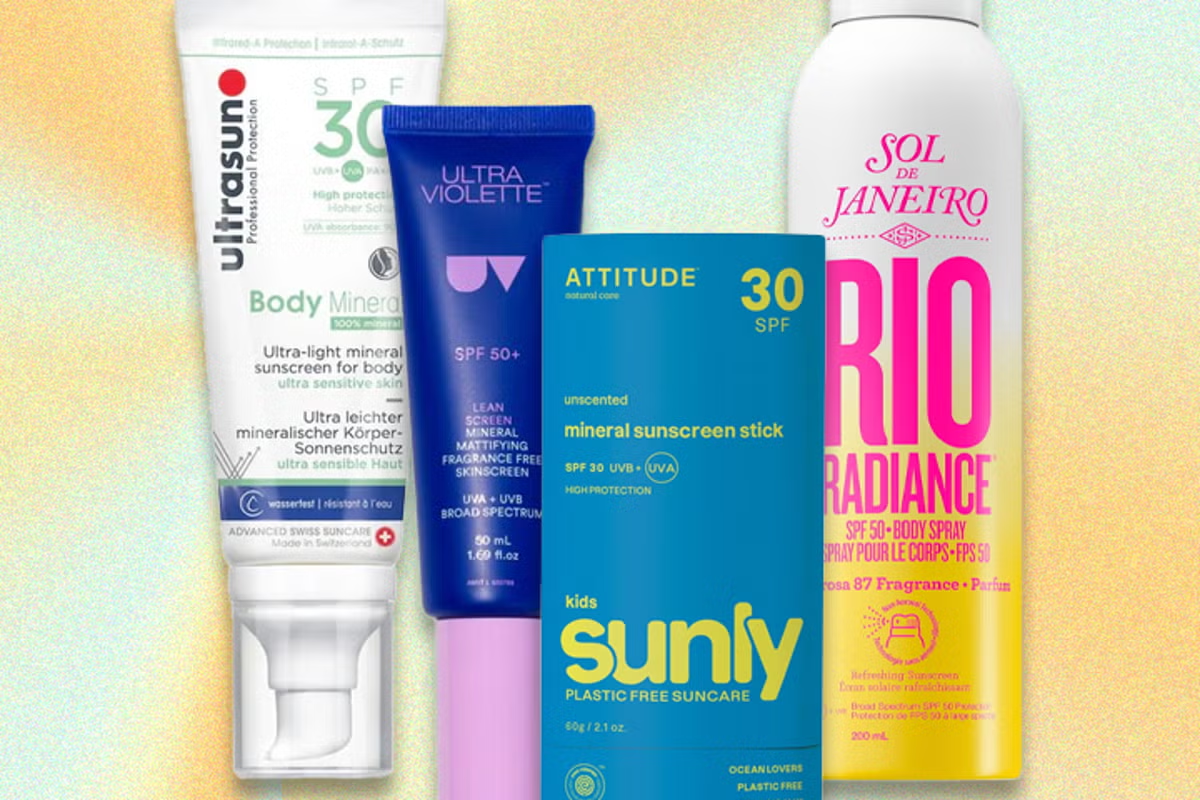
Your questions about reef-safe sunscreen answeredWhat is the best reef-safe sunscreenReach for the Pai British summer time illuminating sunscreen for a daily facial sunscreen suitable for all skin types. It adds a lit-from-within healthy-looking glow to the skin as well as meeting all my eco credentials, making it my number-one choice. How I tested reef-safe sunscreenI used each reef-safe sunscreen over a minimum of five days to assess how well the latest eco-friendly formulas held up in real-life use. I looked at a number of factors in each product, including: Ease of use: I evaluated how easy each product was to apply and reapply, including how quickly it absorbed and whether it left any greasiness or residue. Feel on skin: I assessed texture and comfort, noting whether each sunscreen felt lightweight, breathable and suitable for daily wear.Finish: I looked at how each formula sat on the skin, including any white cast, shine or tackiness.Eco credentials: I focused on mineral-based, non-nano formulas designed to be reef-safe, ensuring they were suitable for use in marine environments without harming waterways or oceans.Why choose a reef-safe sunscreen?“The biggest concern about SPFs for the planet is the pollution that it does to the oceans, thus affecting the ecosystem of these delicate environments,” explains Dr Ross Perry, medical director of Cosmedics Skin Clinics.According to The Ocean Foundation, an estimated 14,000 tons of sunscreen is believed to be deposited in oceans annually, and it’s a big problem: protectants, preservatives and parabens found in chemical sunscreens, which wash off into the water, can endanger marine organisms and contribute towards coral bleaching.What is a reef-safe sunscreen?So, what should we be considering when opting for an eco-friendly or reef-friendly sunscreen? Well, the first thing worth noting is “reef-friendly” and “reef-safe” are not regulated terms. Generally speaking, though, eco-sunscreens are natural alternatives to traditional sunscreens: they are biodegradable and made of non-toxic ingredients, such as zinc oxide and titanium dioxide, which block the sun’s UV rays and include safe synthetic filters.The most common mineral sun filters – zinc oxide and titanium dioxide – are known to leave a white cast, so, this can be an issue for darker skin tones, but with formulas becoming more advanced, a good rubbing in will usually make any white, chalky residue disappear.Dr Perry also shares this useful piece of advice: “When looking for a coral-friendly sunscreen, ideally, you’re looking for ones that don’t have oxybenzone and octinoxate ingredients, as these are known to cause the most damage to coral reefs.”You should look out for the SPF rating of at least 30 for UVB; HEV filters to protect against blue light, and, ideally, a five-star rating for UVA.What are the skincare benefits of an eco-sunscreen?“Eco-sunscreen is particularly suitable for people with sensitive skin or skin conditions such as eczema,” says Dr Lakhani, cosmetic doctor and skin care specialist at Harley Street’s Cranley Clinic. “Also, if you’re prone to sun rash or other issues like prickly heat, eco-sunscreen can be particularly beneficial.”Which destinations have banned certain suncreams?It’s estimated 14,000 tons of sun cream end up in the oceans each year (from people bathing and swimming), so, it’s understandable that several countries and US states have banned certain chemical sunscreens from entering their waters.Tourist hotspots include Hawaii, Florida’s Key West, and parts of Thailand, Mexico and the Caribbean, to name a few. Some are even handing out big fines if you are caught using sunscreen with banned chemical filters, so, checking the guidelines for each destination is highly recommended. Switching to an eco-friendly formulation isn’t just a must if you’re lucky enough to be travelling to these places, but also if you don’t want to pollute your own water here at home or leave a trace wherever you’re travelling to. Why you can trust IndyBest reviews Sabine Wiesel is a beauty journalist who specialises in skincare and beauty products. Having reviewed everything from the best neck creams to anti-aging creams and retinol eye creams, she is well-versed in finding the best value products for protecting skin. Meet the expertsDr Adil Sheraz: Consultant dermatologistDr Ross Perry: Medical director of Cosmedics Skin ClinicsDr Lakhani: Cosmetic doctor and skin care specialist at Harley Street’s Cranley ClinicFor more sustainably sourced products, read our guide to the best vegan and cruelty-free skincare brands
12 best reef-safe sunscreens that are eco-friendly and kind to skin
Better for the planet and sensitive skin, here’s why you should make the switch to mineral SPF
710 words~3 min read