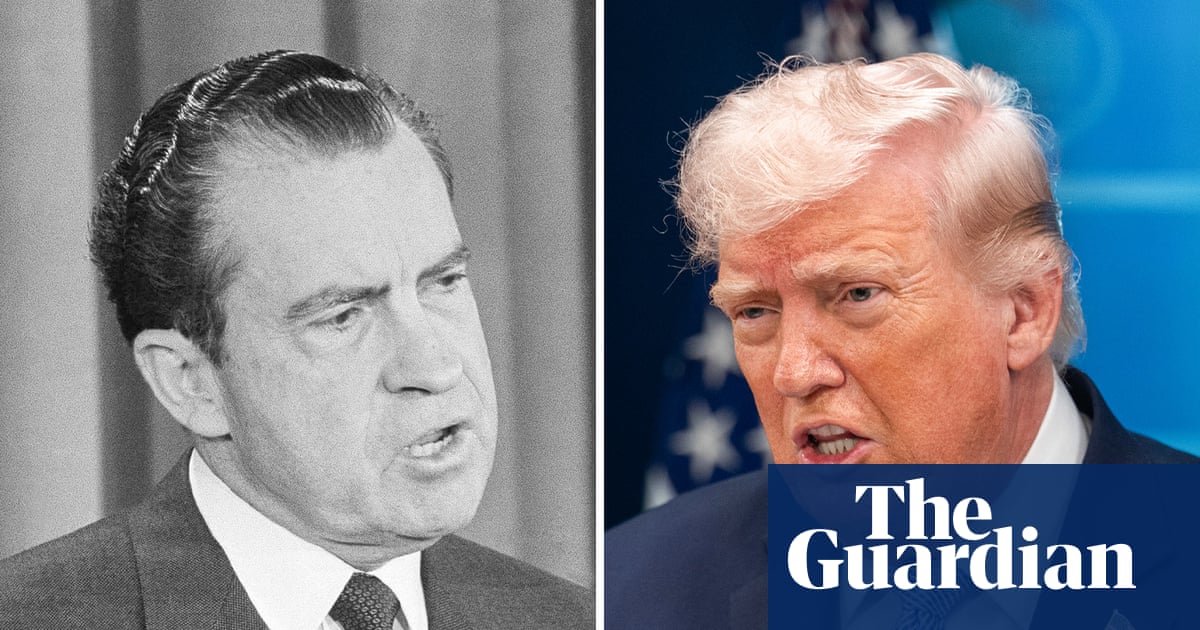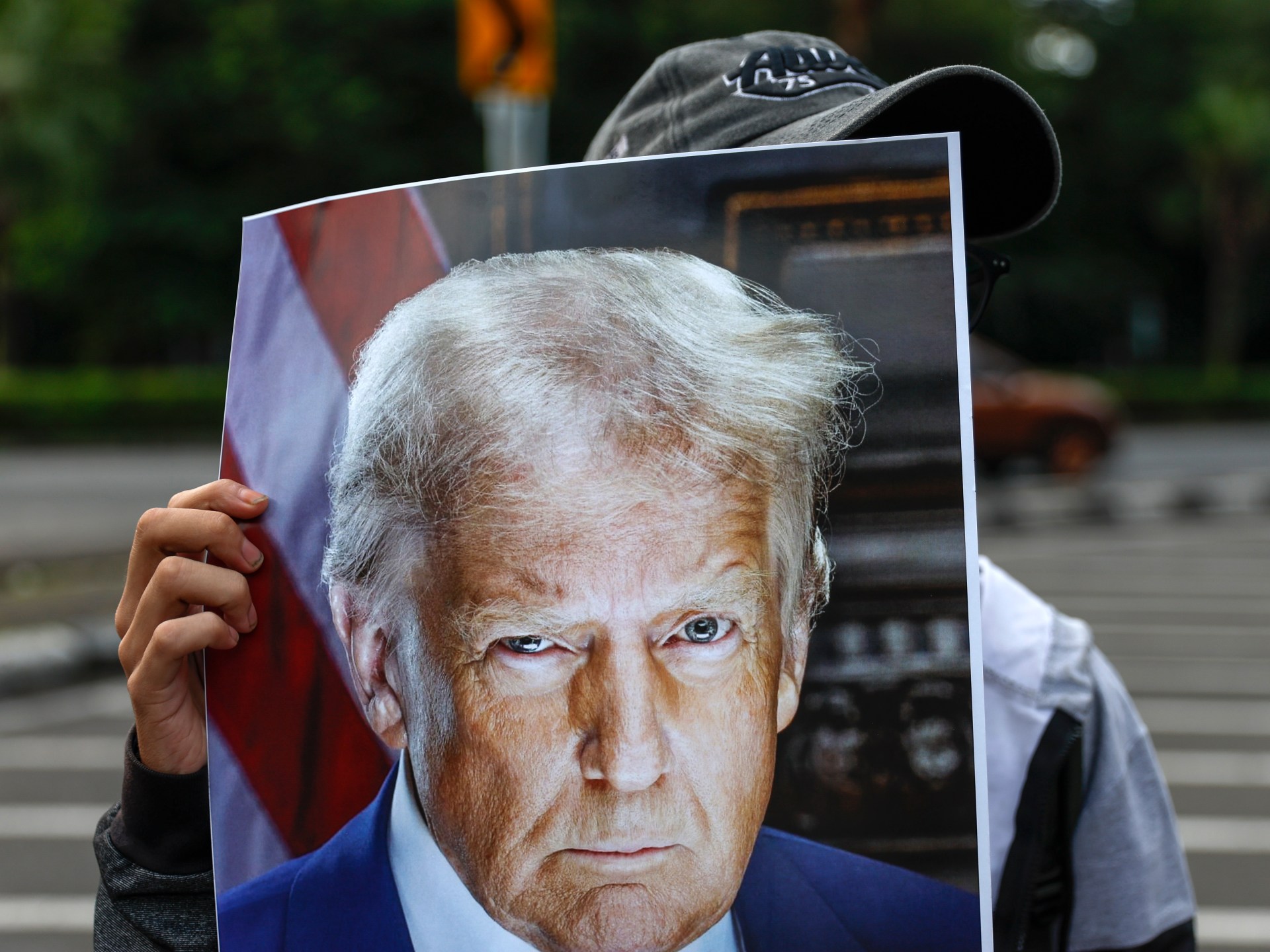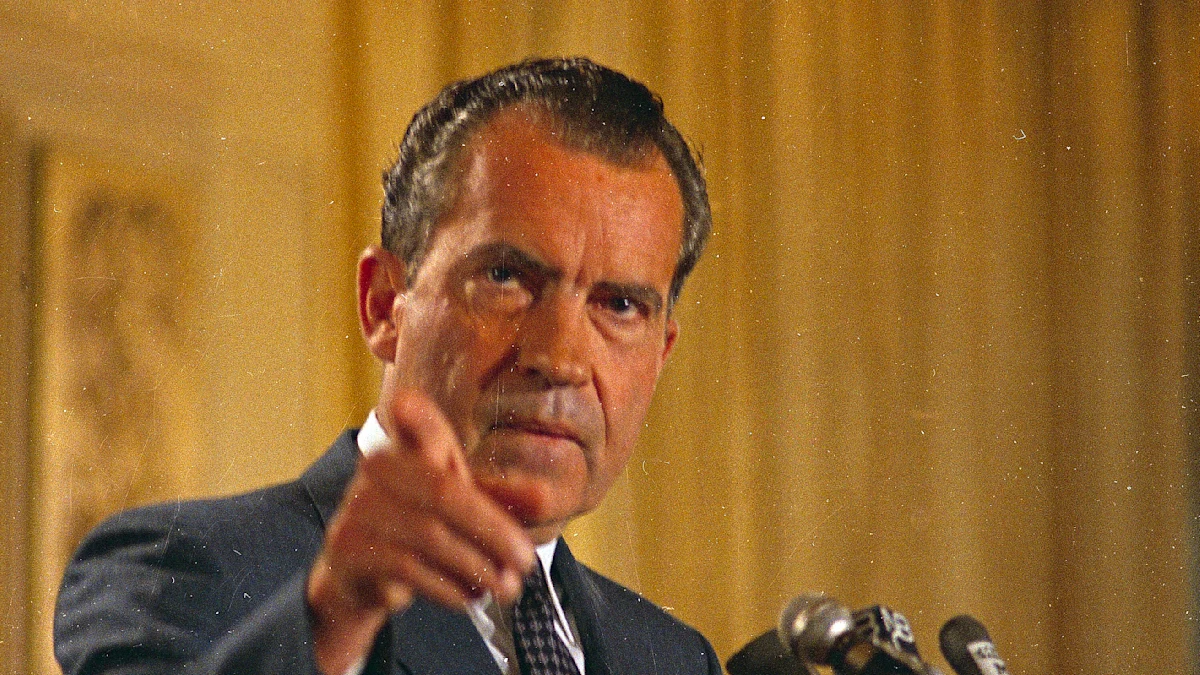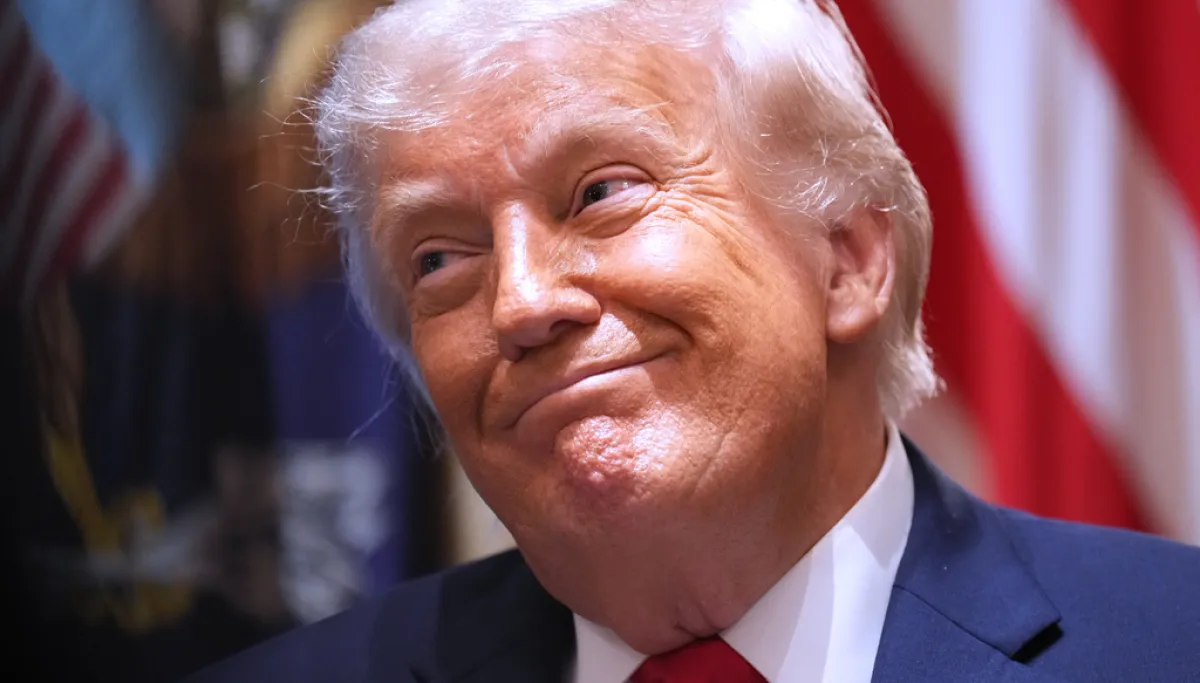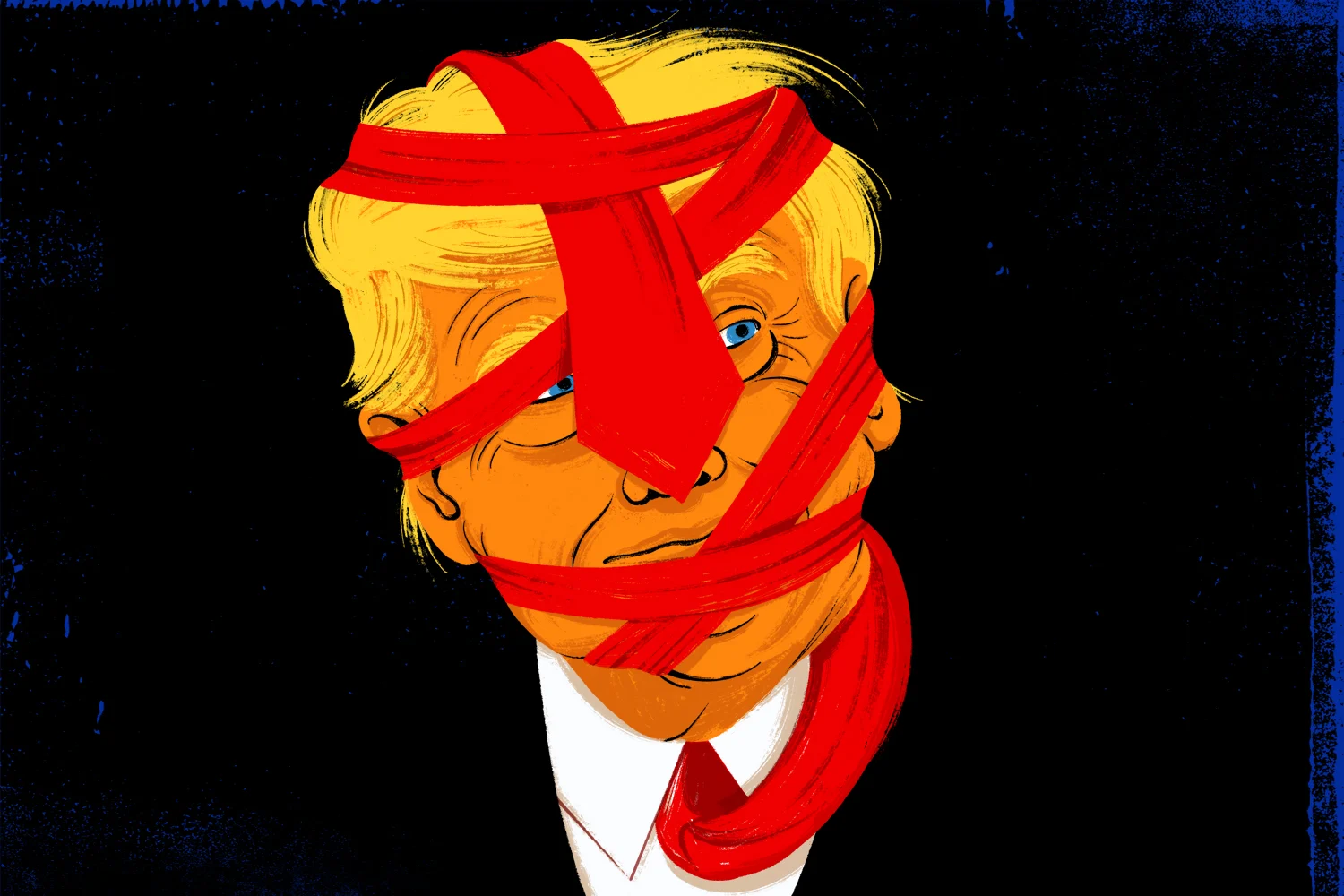
When U.S. President Donald Trump was elected to his second term, many foreign-policy watchers asserted that he would be likely to employ the madman theory as a tool of coercive bargaining. A term originally coined by President Richard Nixon, proponents of the madman theory argue that a leader who behaves as if he might do something crazy has a better chance of deterring and coercing actors into making concessions that they otherwise would not make. In other words, countries might be willing to acquiesce more to a leader insane enough to use nuclear weapons than a leader too rational to try such a bluff.
Trump was a firm adherent of the madman theory during his first term in office. He also pushed this argument during the 2024 campaign, telling the Wall Street Journal that he would never need to use force against China because Chinese President Xi Jinping “respects me and he knows I’m fucking crazy.” During the transition, historian Niall Ferguson argued that the United States’ rivals would be wary of challenging Trump because he presented himself as wild and unpredictable.
When U.S. President Donald Trump was elected to his second term, many foreign-policy watchers asserted that he would be likely to employ the madman theory as a tool of coercive bargaining. A term originally coined by President Richard Nixon, proponents of the madman theory argue that a leader who behaves as if he might do something crazy has a better chance of deterring and coercing actors into making concessions that they otherwise would not make. In other words, countries might be willing to acquiesce more to a leader insane enough to use nuclear weapons than a leader too rational to try such a bluff.