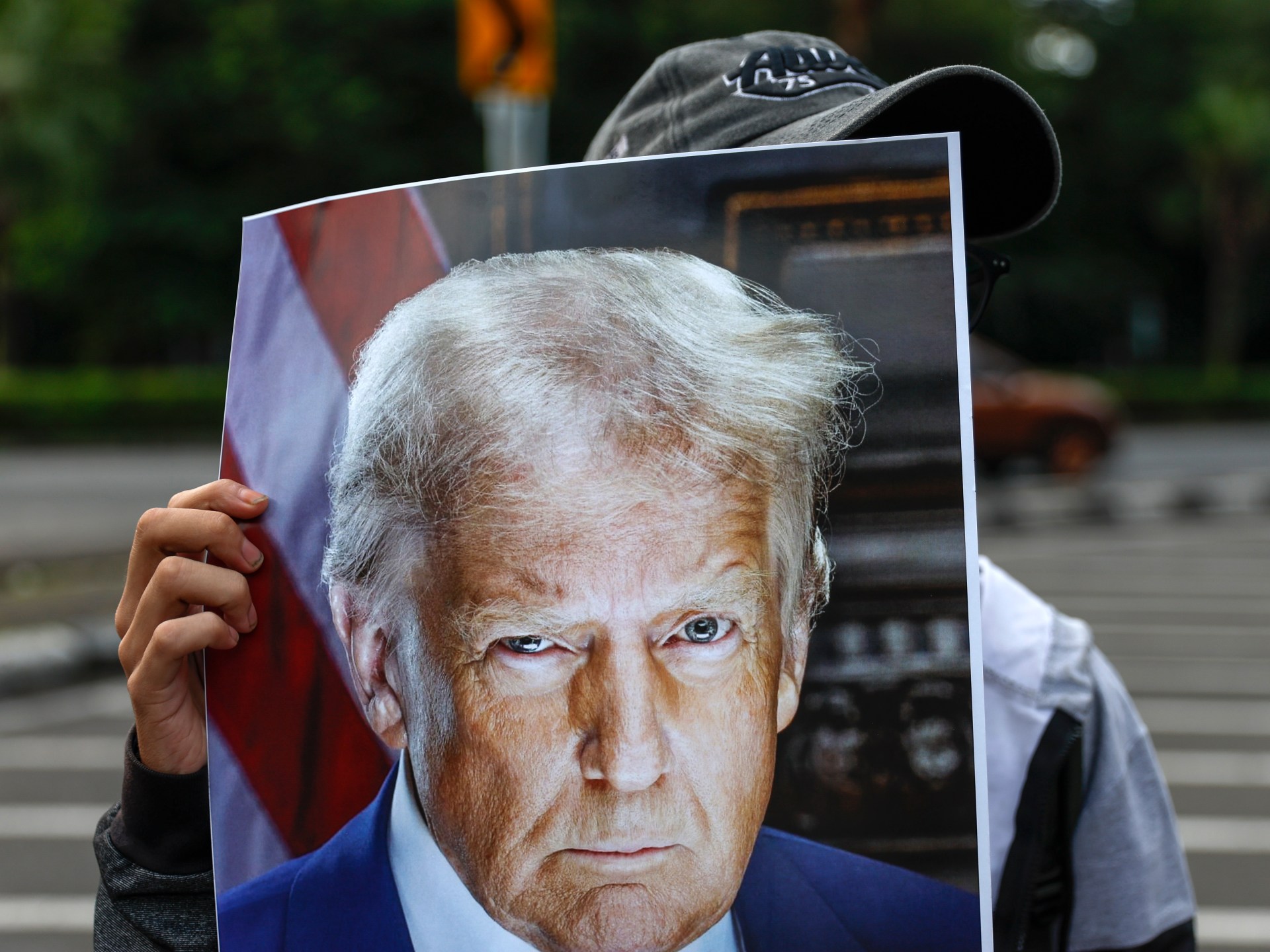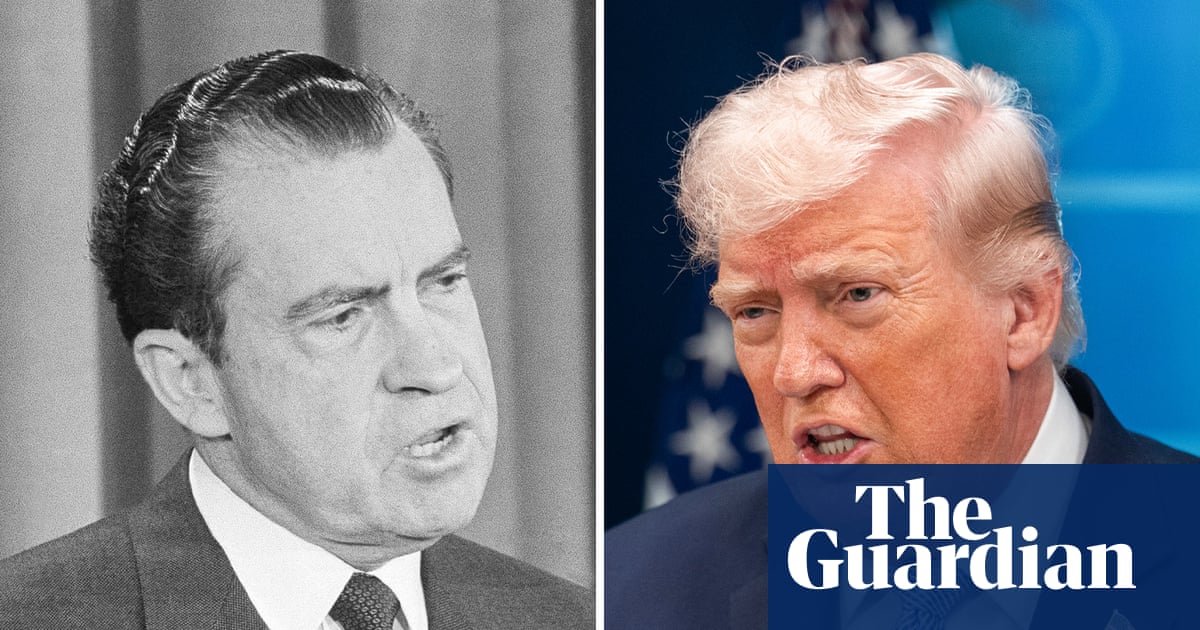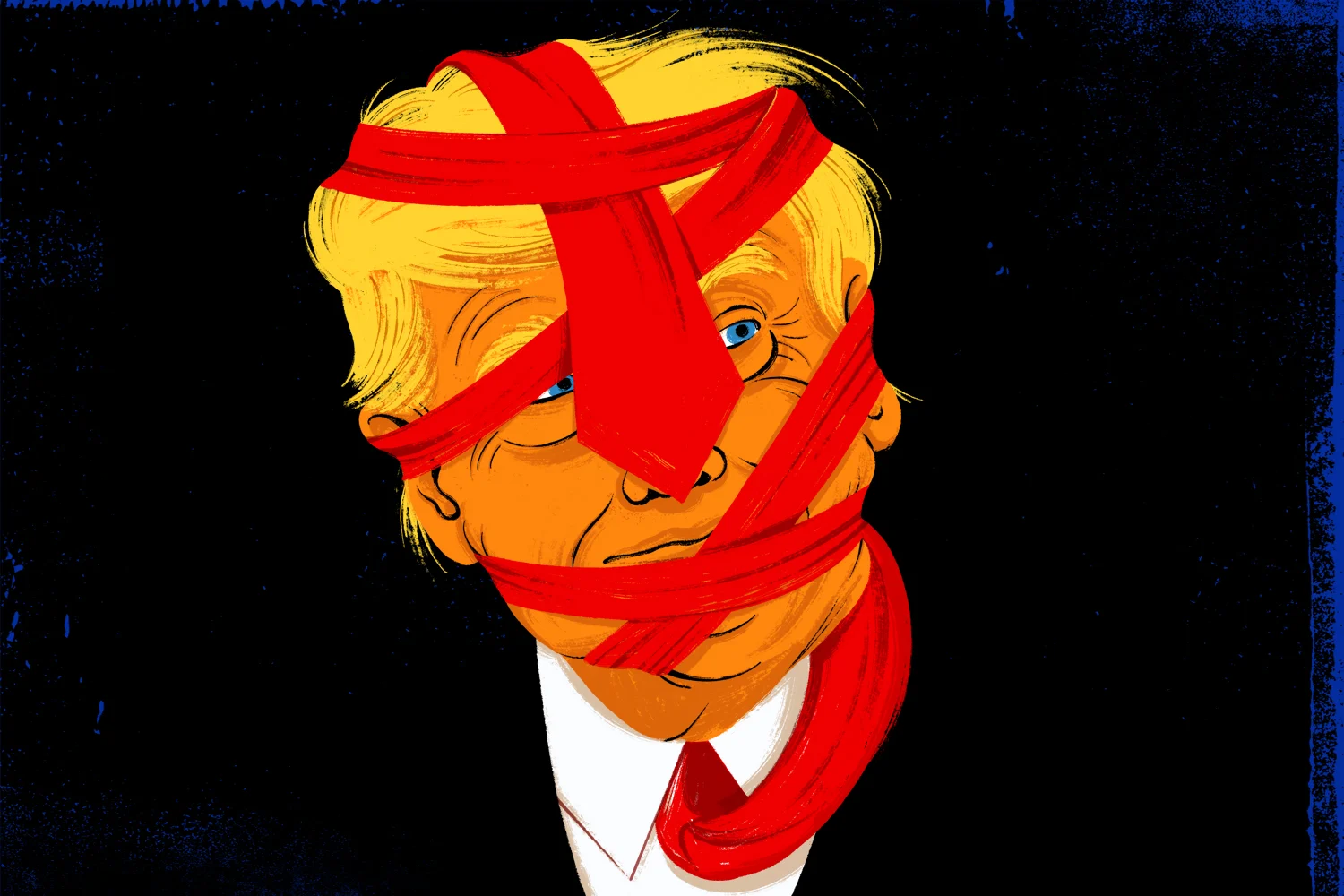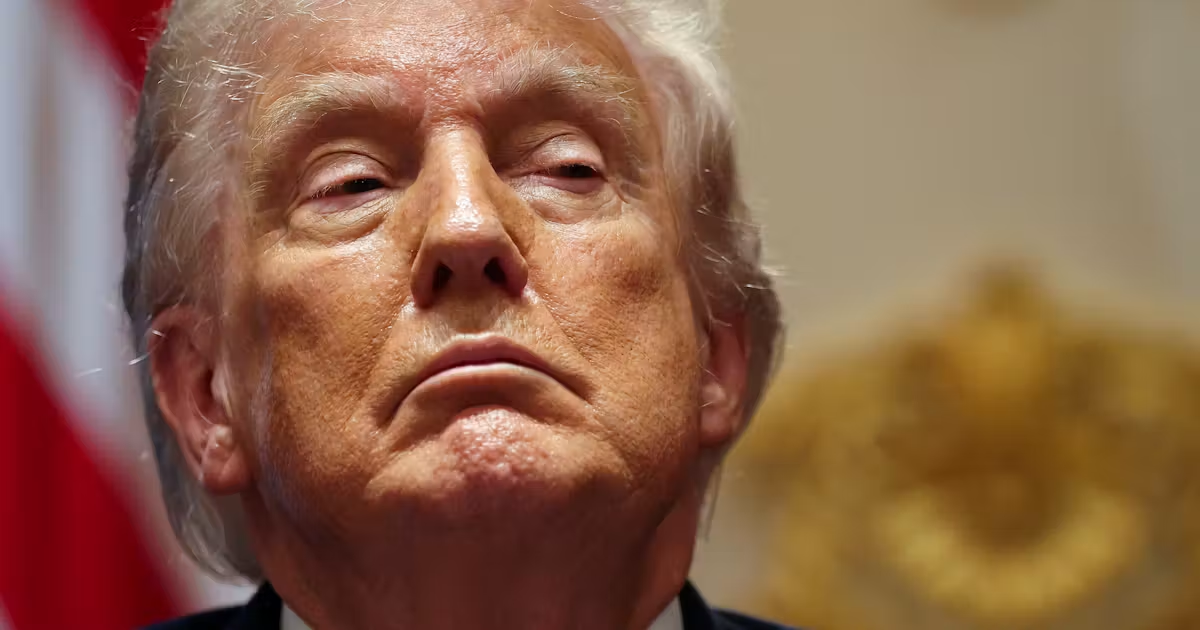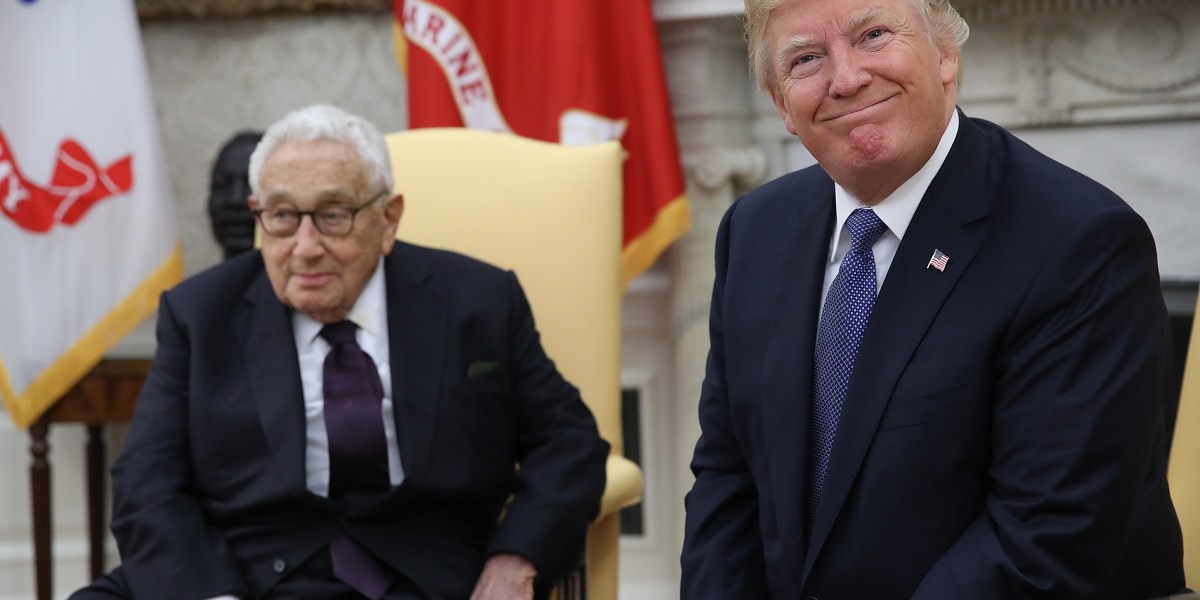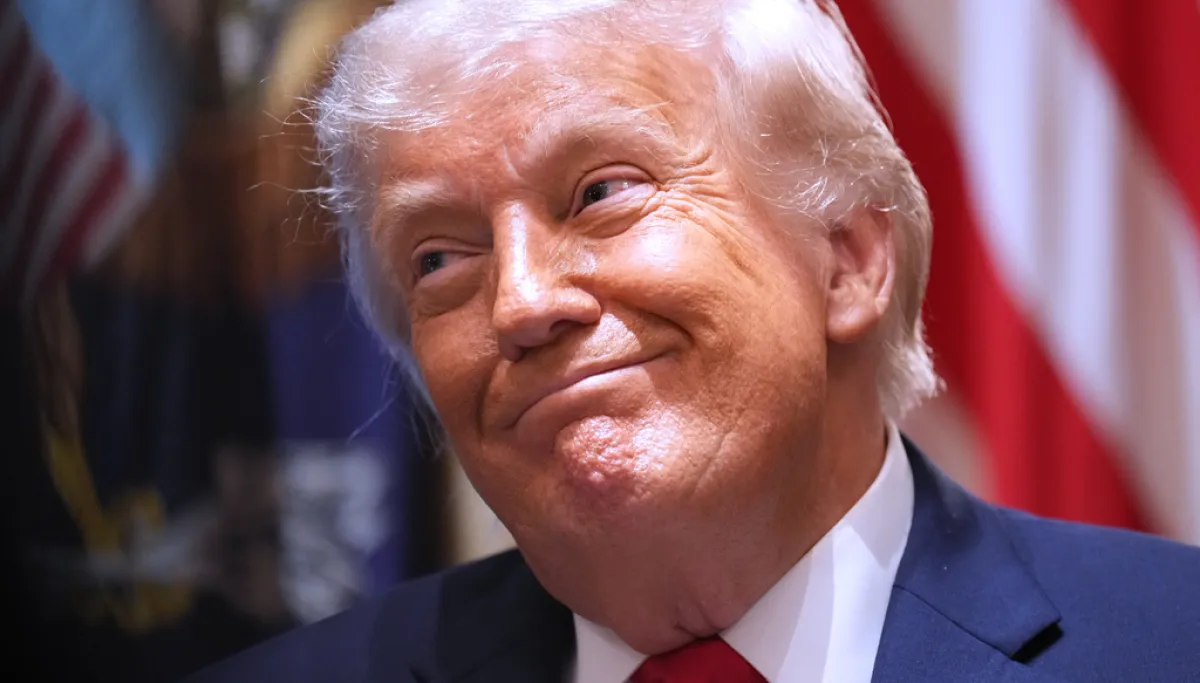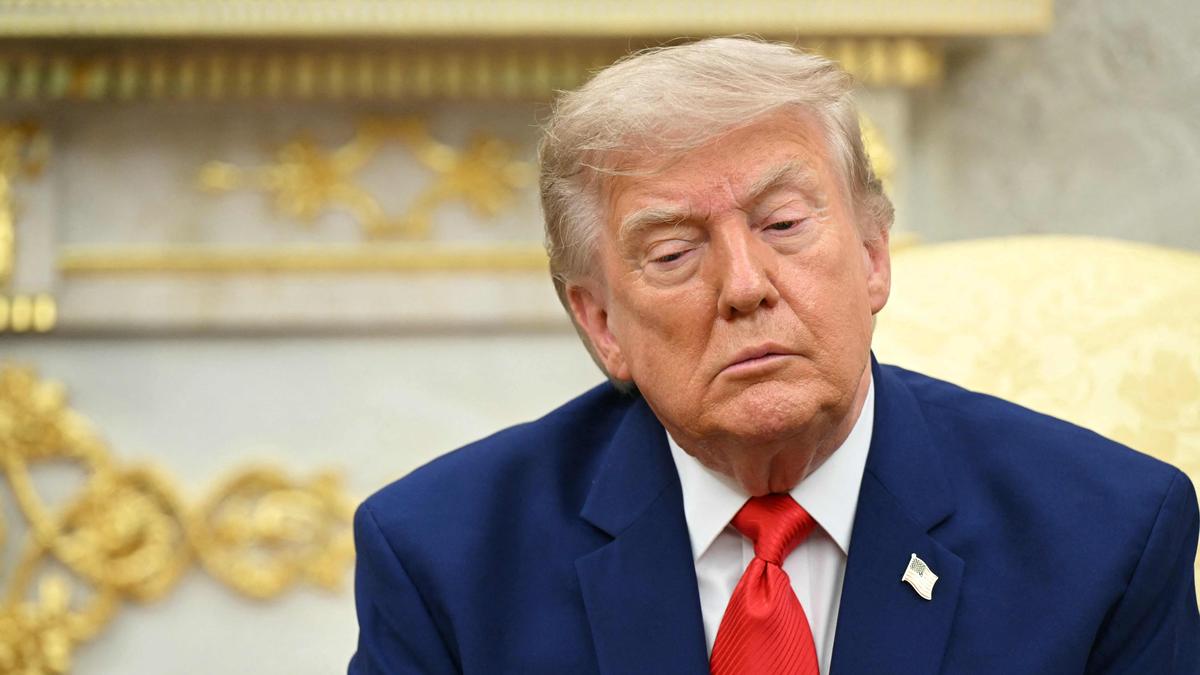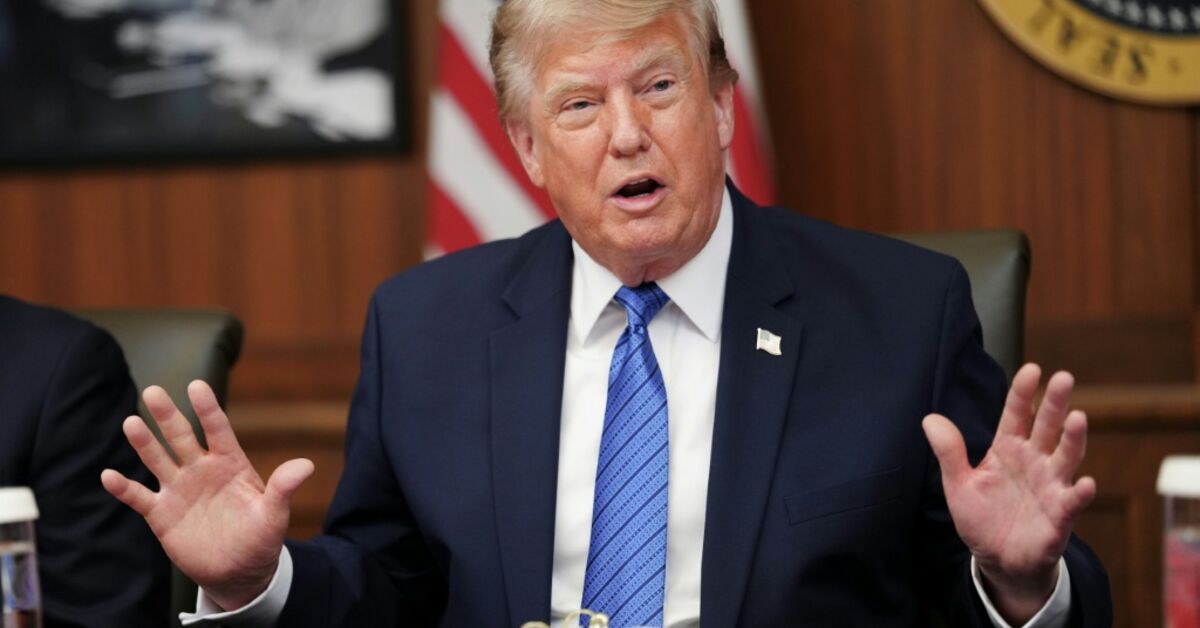
President Donald Trump‘s strategy toward Iran raises questions about his grip on reality. Each claim of impending peace, followed by further military engagement, has led to allegations that the president may be a madman. Like President Richard Nixon before him, however, it is possible that far from being insane, Trump is simply embracing the madman theory. This is an extreme form of coercive bargaining, adopted by a sane leader who feigns irrationality to create the impression of insanity in the mind of an opponent. The leader then threatens disproportionate force to gain a favorable outcome. What Nixon once did selectively and in secret, Trump does openly and regularly.As I explain in my new book, US Grand Strategy and the Madman Theory, its potential use as a component of foreign policy is a highly contentious proposition. After all, it deliberately undermines long-standing diplomatic practices with the use of provocative action.
But it has also produced results. Trump’s embrace of the madman theory during his first term led to the establishment of the United States-Mexico-Canada Agreement as a replacement for NAFTA, renegotiated trade deals with Japan and South Korea, and increased defense spending from NATO allies. This has continued in his second term, as Trump continues to challenge conventional wisdom in his attempt to alter the status quo and instigate sweeping change on an abridged timescale. His willingness to repeatedly engage in what the White House terms “purposeful strategic ambiguity” ensures no one can say for certain that Trump will not follow through on his pledges, no matter how outlandish they appear.