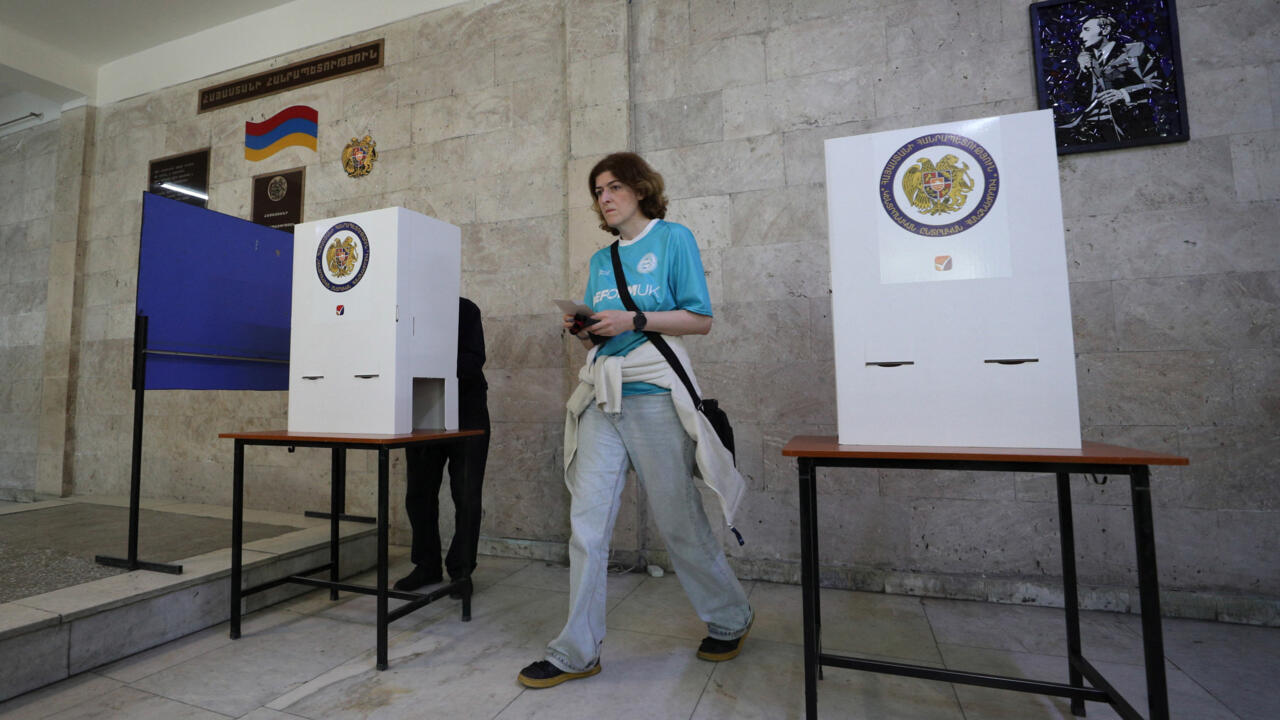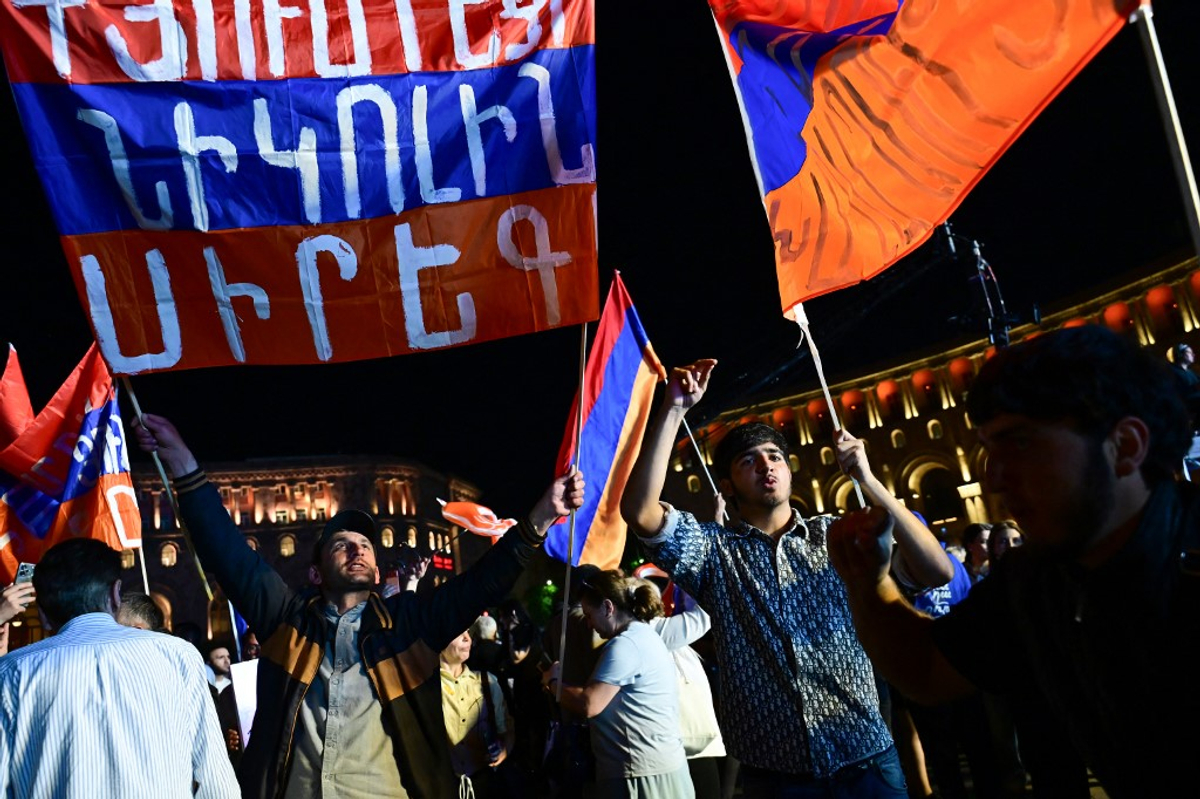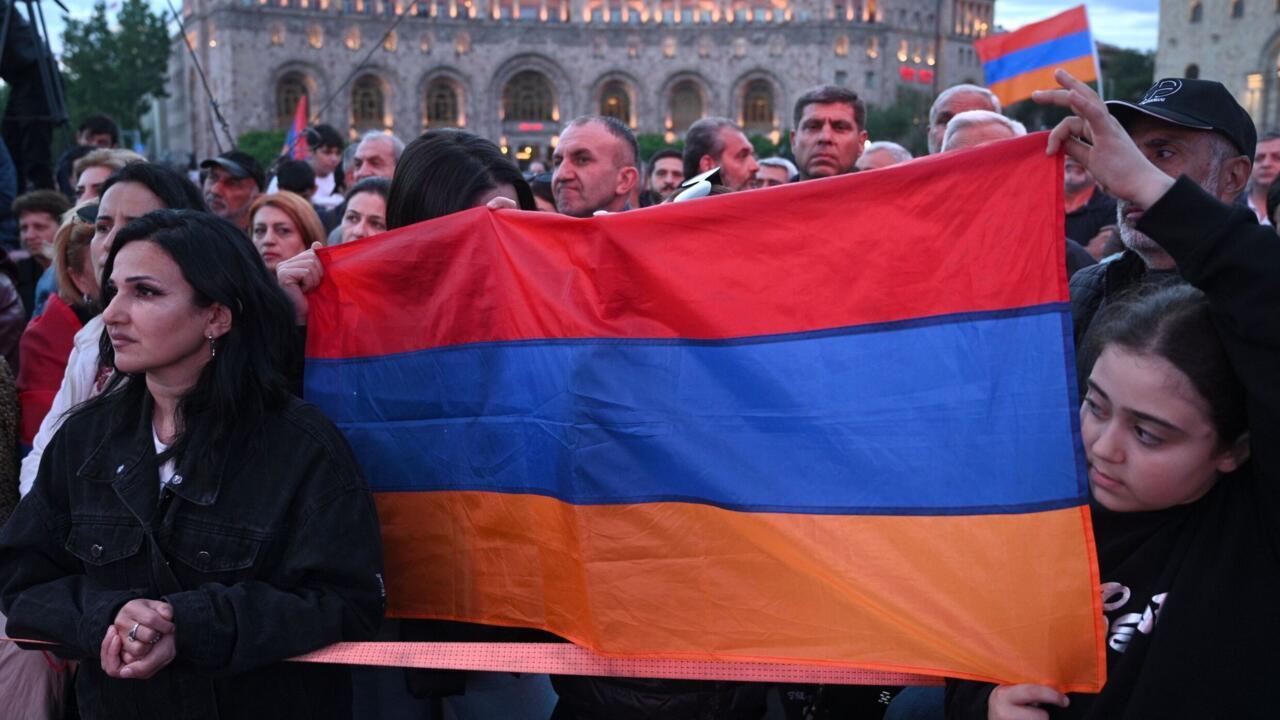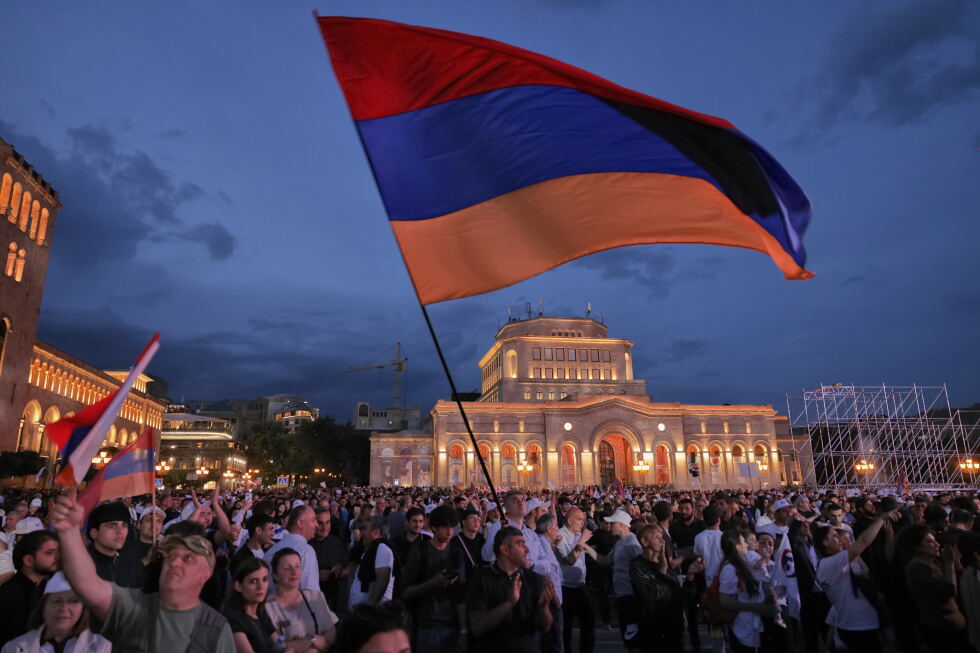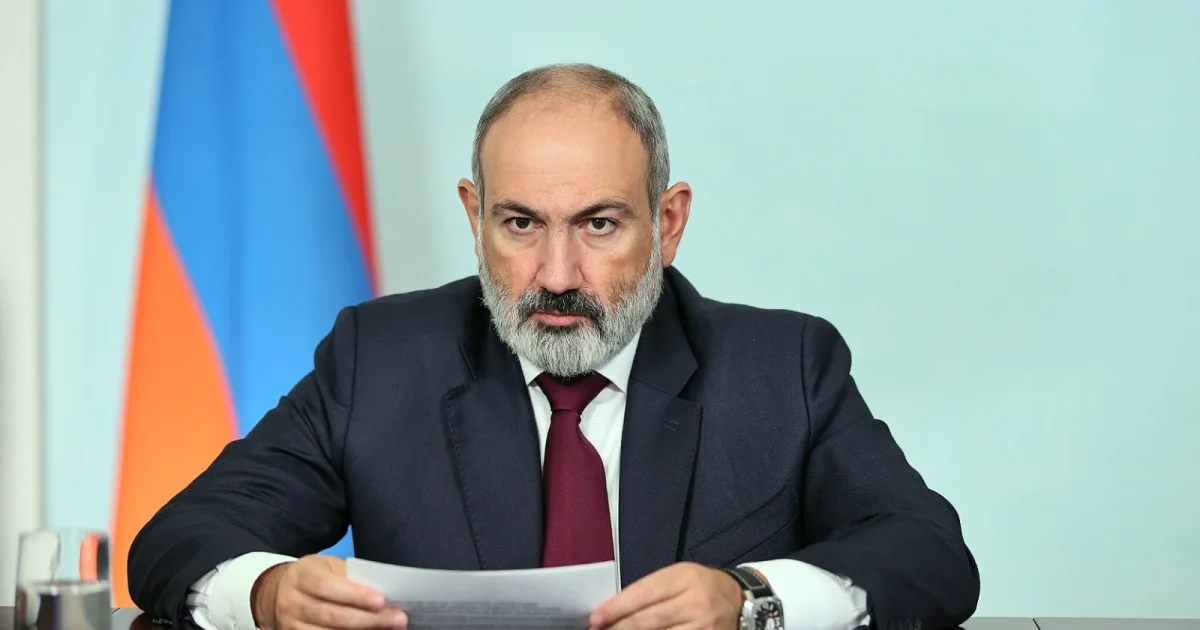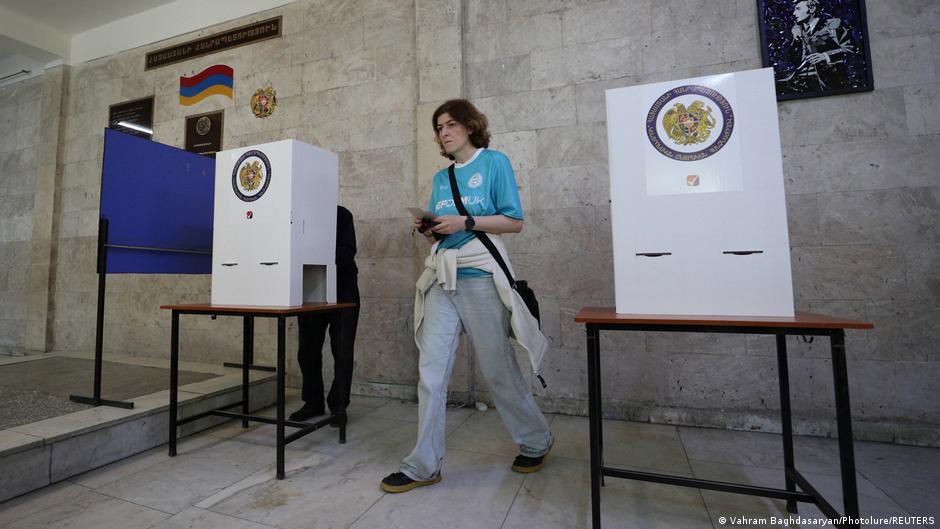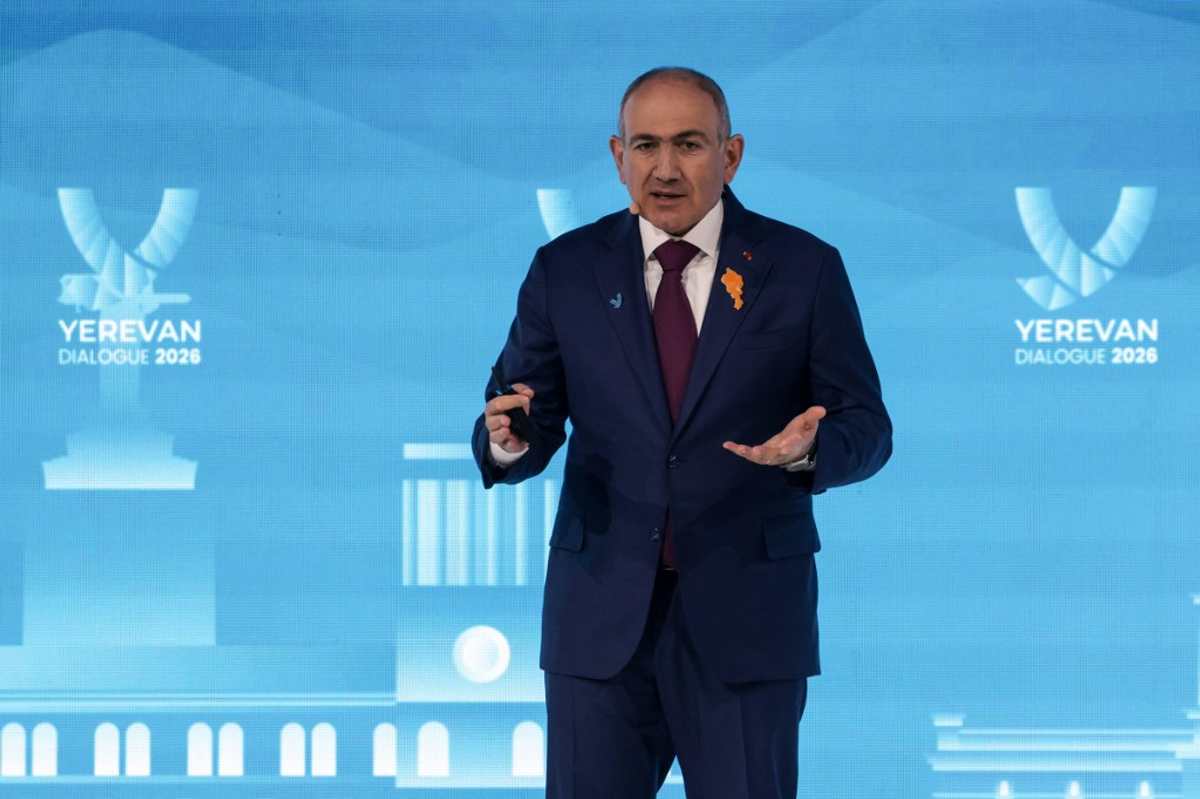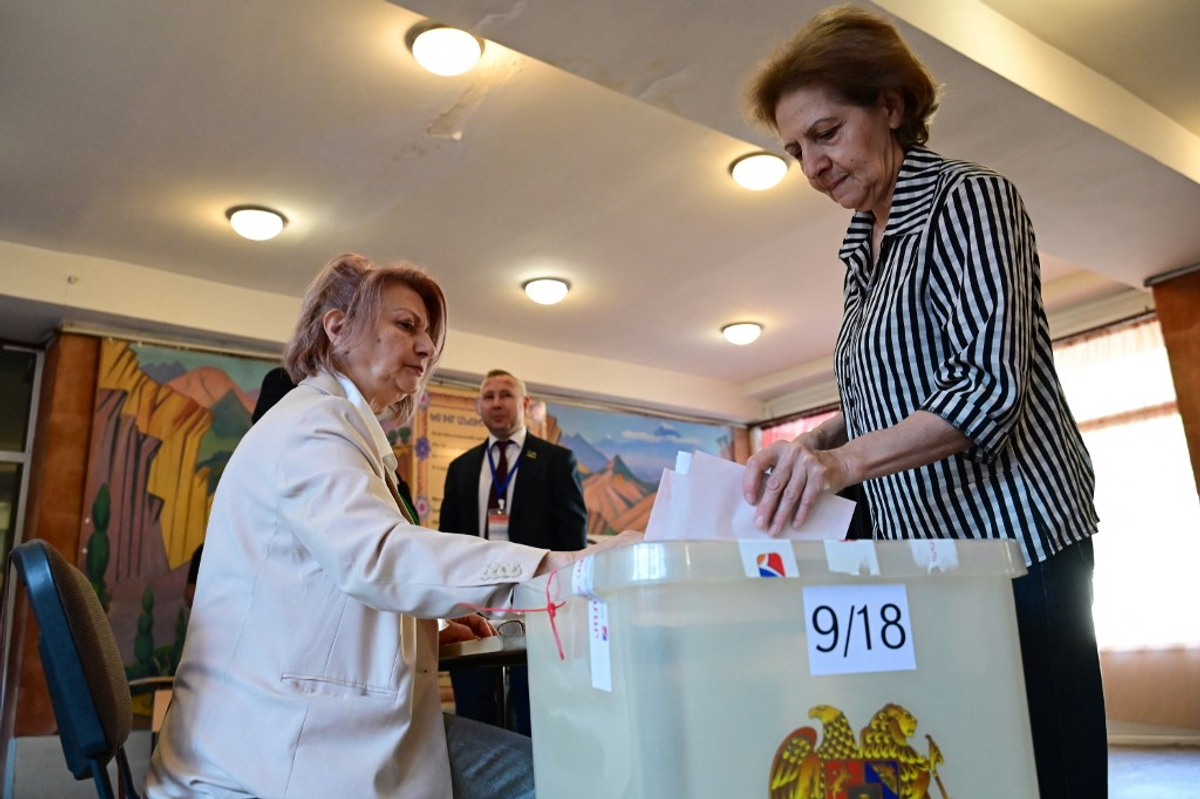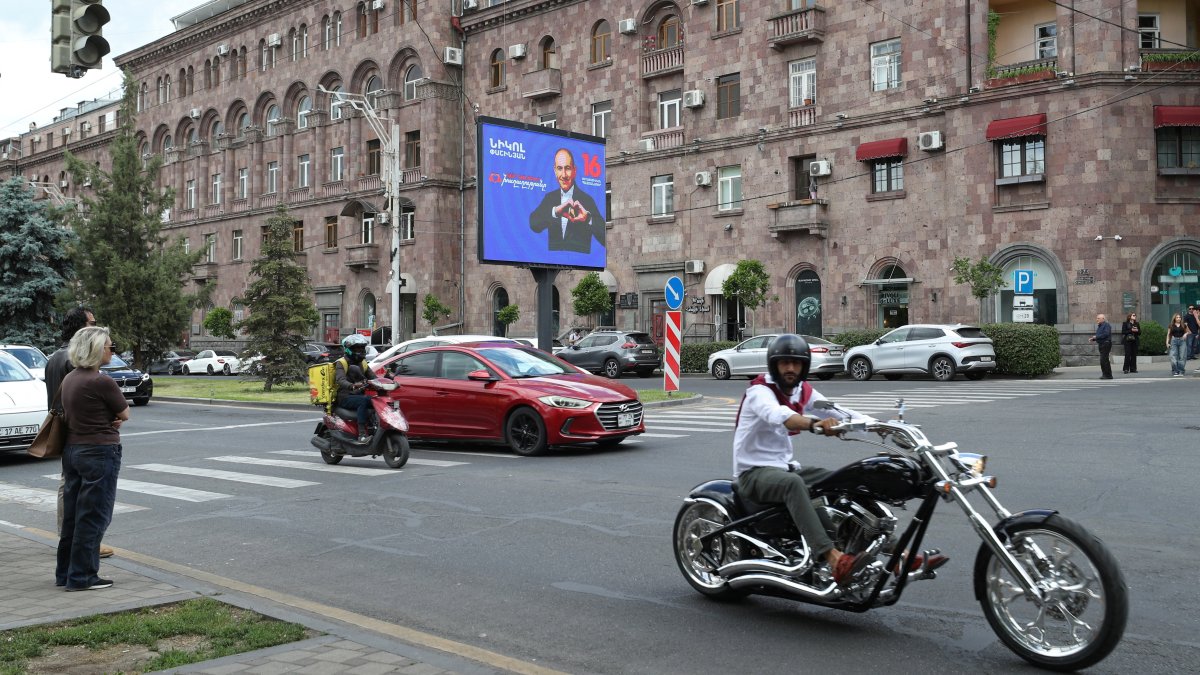
Armenians go to the polls in a crucial election this Sunday, which Prime Minister Nikol Pashinyan has positioned as a plebiscite on his agenda of seeking peace with Azerbaijan and strengthening relations with Europe. Its relationship with Russia may not be explicitly on the agenda, but the Kremlin has sought to make it so in recent weeks.
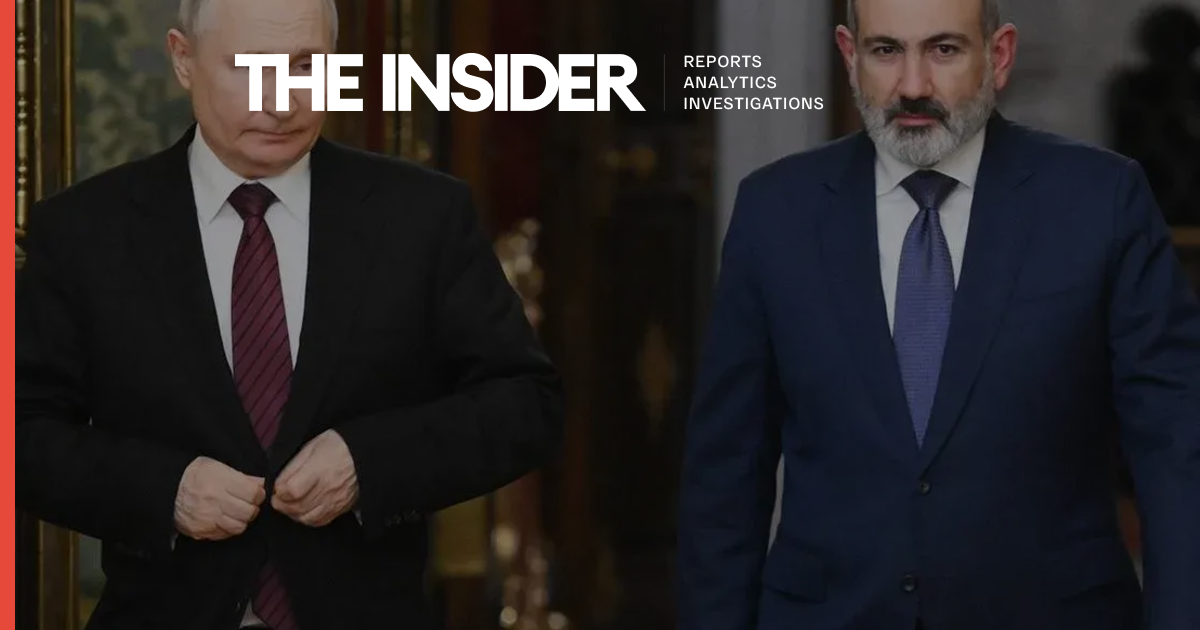
Despite Pashinyan's background as a journalist, President Vladimir Putin had tolerated him, hoping Russia's outsize influence would constrain any multilateral instincts Pashinyan may espouse. But that strategy failed as Russia at first turned a blind eye to Azerbaijan's 2020 war to retake the territories in and around Nagorno-Karabakh and then utterly ignored Baku's subsequent 2023 recapture of the entire territory and the resulting depopulation of its ethnic Armenian inhabitants.
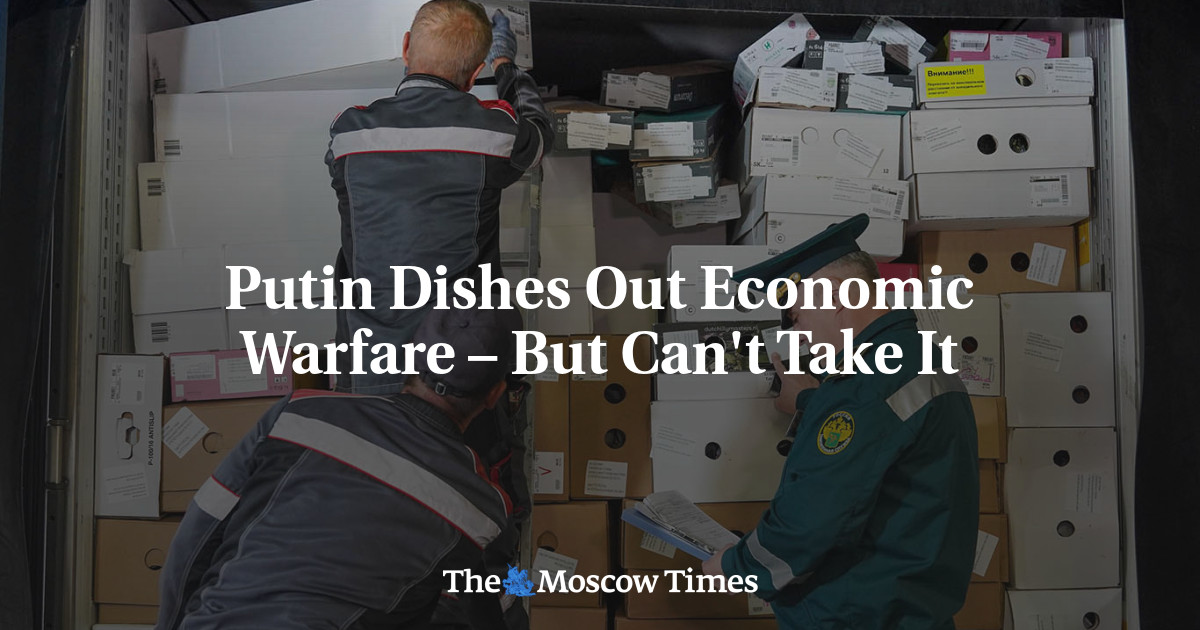
The Kremlin has taken a far more interventionist approach to Armenia’s latest election. Putin has publicly crowed about the arrest of billionaire-turned-opposition-politician Samvel Karapetyan. Karapteyan has long been linked to Moscow and its economic interests in Armenia, A report in The Insider last month claimed Russian records showed him having worked in intelligence at its Federal Security Service (FSB). Recent investigations by Reuters and local media outlets have found the Kremlin to not only be engaged in an active misinformation and disinformation campaign, but to be mulling over support for flying-in Armenian citizens from Russia, from where they cannot vote, to tip the scales in its favor. But the Kremlin has also turned to one of its preferred tools — economic pressure through trade restrictions.