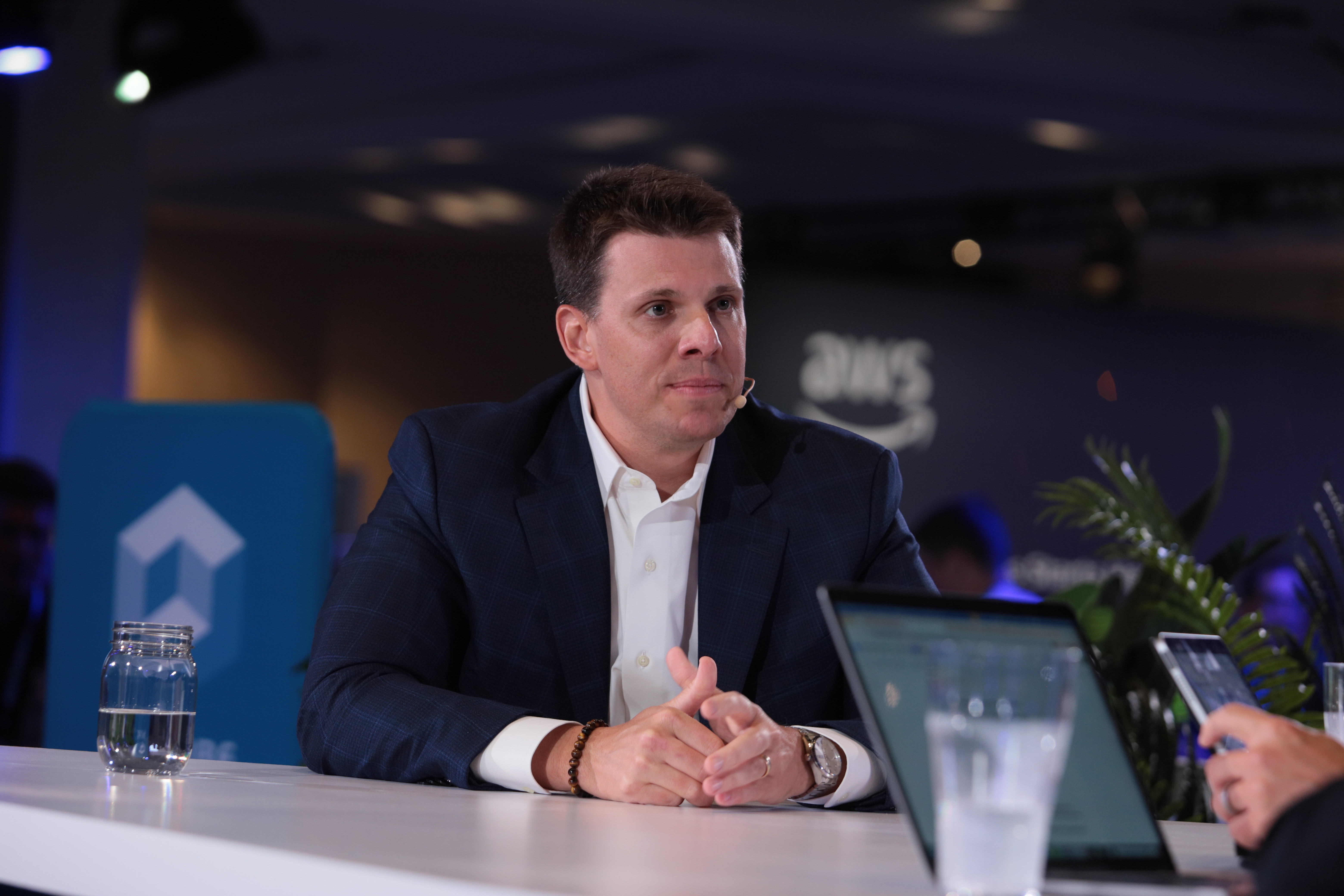
Brian Wilson is CEO of Kion, whose FinOps+ platform unifies AI-powered governance and cost management for regulated enterprises and agenciesgettyOver the past few years, FinOps has moved from a niche practice focused on tracking cloud spend to a discipline shaping how modern enterprises manage technology investments across AI, cloud and SaaS environments. Most teams today have better visibility into their cloud spend than they did even a few years ago, and in many cases, they can clearly identify where waste exists and where optimization opportunities lie. But in practice, few consistently execute on those opportunities. And no one has a good handle on the explosion of AI costs across their organization. With the leaders I talk to, the pattern is consistent. Teams don’t lack insight into spend; they lack a system that enables them to act on it and prevent it. Time is limited, processes are disconnected and ownership is loosely shared across teams, so decisions stall out. What should be a straightforward optimization becomes delayed, revisited or deprioritized. While cloud spend visibility has improved significantly, organizations still struggle to prevent waste without automated governance to enforce control. AI cost is the looming problem in the dark. That gap between insight and proactive execution is, in my experience, the defining challenge of FinOps in 2026, and closing it is what drives measurable value. The FinOps Foundation’s "State of FinOps 2026 Report" reflects this same pattern, where organizations can identify optimization opportunities but still struggle to consistently execute on them. At the same time, FinOps is gaining more organizational influence, as "78% of teams now report to the CTO or CIO," which ties financial accountability more closely to architecture, engineering and platform decision-making. The impact of AI on a company’s trajectory will only accelerate this change. In theory, alignment should make it easier to act. In practice, it hasn’t been because decisions still rely on manual coordination, which slows execution, creates inconsistency and makes it difficult to apply changes at scale.AI Raises The StakesThat gap becomes more pronounced as organizations take on new, more complex workloads. In my conversations with FinOps leaders, AI is consistently one of the first areas where these challenges become more visible. AI cost management is now a standard part of operations—but AI costs are less predictable; span cloud, SaaS and data center environments; and are harder to attribute, making ownership less clear and slowing decision-making. Even when optimization opportunities are obvious, it becomes more difficult to determine who is responsible and how decisions move forward.At the same time, AI is becoming a tool for improving execution. I see teams using it to automate workflows, improve forecasting, surface insights faster and reduce manual work like reporting. The immediate value isn't replacing expertise but giving teams greater capacity to focus on higher-impact decisions. More importantly, it’s changing how teams apply governance more dynamically, moving from reactive cost management to a proactive model that improves over time. The organizations getting the most out of AI resist the urge to adopt it broadly across all use cases and instead focus on where it drives long-term value: reducing time to action, improving accountability and enabling better decisions at scale. Governance Is The Backbone Of ScalabilityGovernance is often misunderstood as a slow, bureaucratic layer or something owned solely by IT, but when applied correctly, it’s what makes FinOps scalable and practical. It’s the missing mechanism that allows teams to consistently follow through on optimization, not just identify it.At its core, governance is a defined set of policies and rules determining how organizations operate across cloud, AI and technology environments. That means establishing policies for how resources are provisioned, accessed and managed, along with the workflows and automation needed to enforce them consistently.When that foundation is in place, teams spend less time coordinating and more time doing. Decisions are applied consistently rather than handled manually, reducing untracked usage and ensuring cost, access and resource controls are enforced. As environments scale, that consistency becomes critical, allowing organizations to maintain control without additional operational overhead or risk.This is driving a shift in how teams approach FinOps. Governance ranked as the No. 3 priority in the FinOps Foundation survey, and pre-deployment architecture costing emerged as one of the top desires among practitioners, signaling a move toward a governance-first approach. Rather than reacting to spend after the fact, practitioners are shifting left and applying governance earlier, addressing cost and policy before spend occurs. That reduces rework, accelerates decision-making and makes it easier to act. But making that shift requires organizational alignment well beyond the FinOps team itself. Expanding Beyond The Public CloudOnce that governance foundation is in place, FinOps can extend beyond the public cloud. The same policies, workflows and automation that enable consistent optimization can be applied across SaaS, AI, licensing, data platforms and private cloud infrastructure, bringing those areas into a unified model for managing cost.That expansion is already underway, with SaaS and AI management now table stakes for mature teams and many practitioners applying FinOps practices across private clouds, data centers and software licensing. But the key to successfully expanding FinOps is maintaining the same level of consistency as complexity grows.Even with the right structure in place, consistency depends on how teams operate together. Finance, engineering, cloud operations and procurement must work within a shared model of accountability, where decisions about usage, cost and commitments are made and carried out jointly. Without that, optimization breaks down.The Work AheadFinOps is maturing quickly. Success is no longer measured by visibility into spend; that is now assumed. The next challenge is execution at scale: turning insight into action, with governance and measurable outcomes, across additional scopes. AI is already compounding the problem as spend increases unpredictably and becomes harder to attribute. Without an automated governance foundation, AI projects stall and innovation slows. That’s why the direction is clear: The future of FinOps belongs to teams that can reduce time-to-action, operationalize governance and consistently deliver outcomes across their entire technology stack.Forbes Technology Council is an invitation-only community for world-class CIOs, CTOs and technology executives. Do I qualify?
From Insight To Impact: The Real Work Of FinOps In 2026
Without an automated governance foundation, AI projects stall and innovation slows.
1,009 words~5 min read