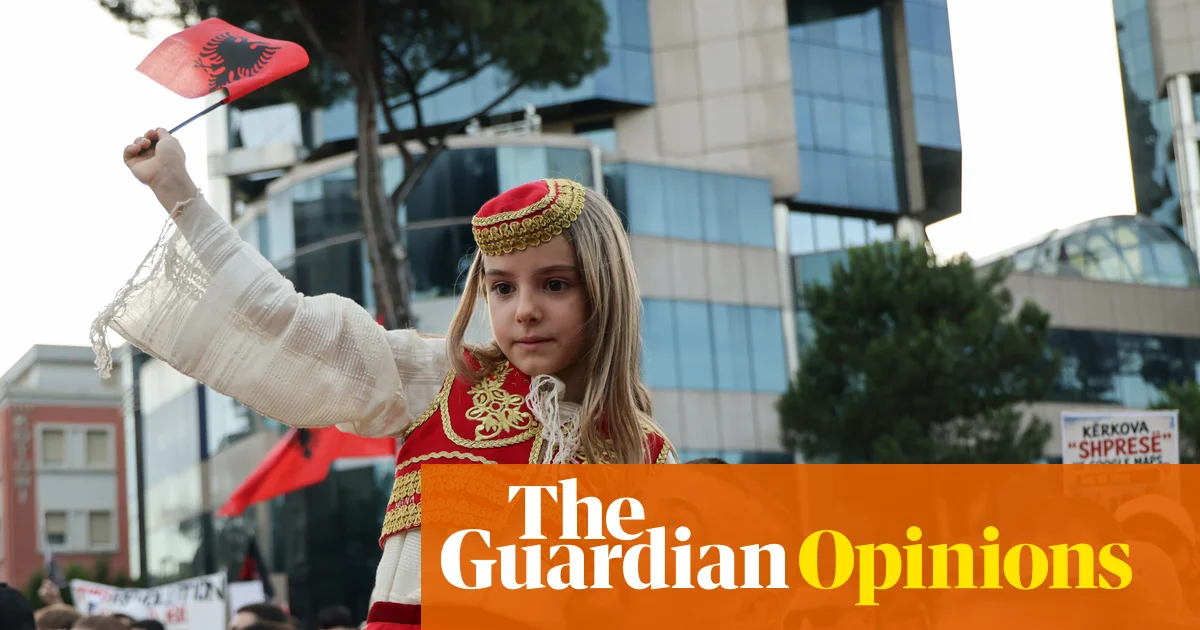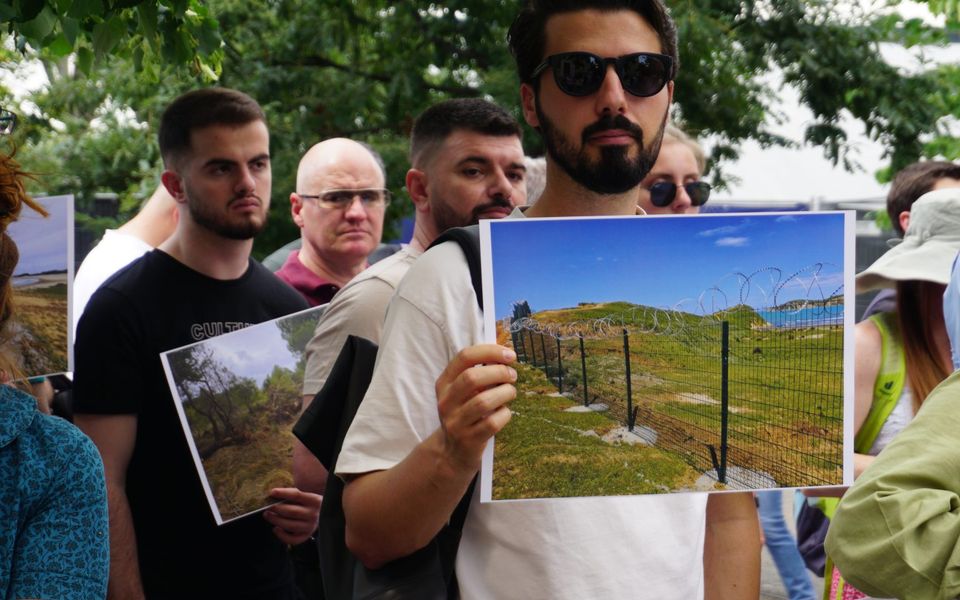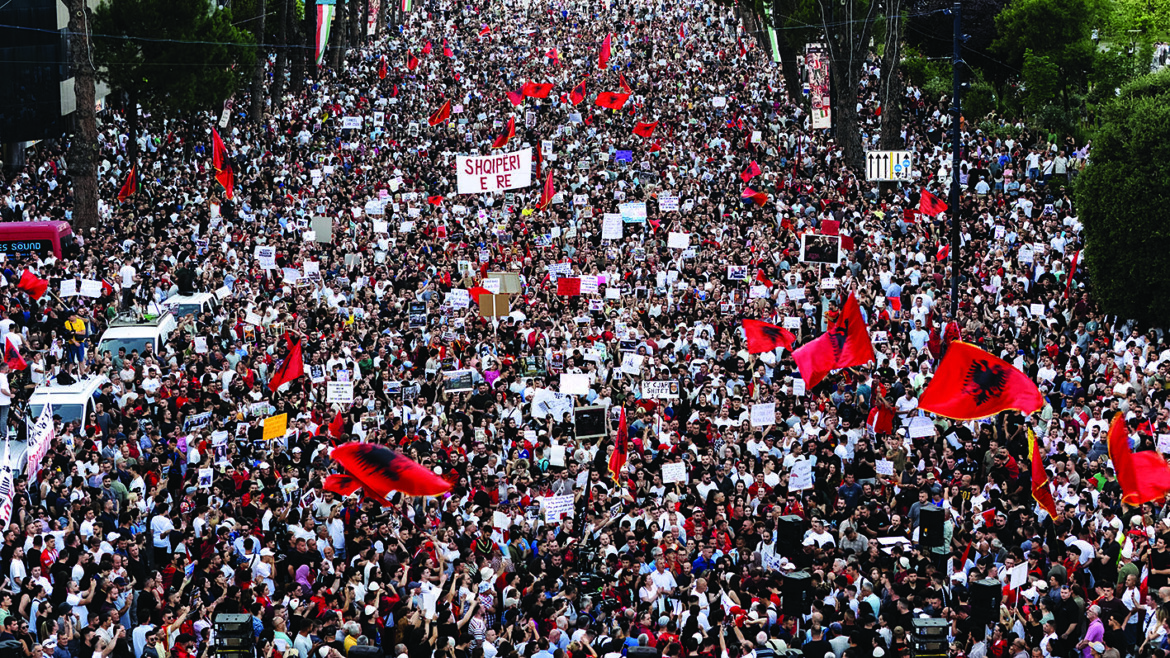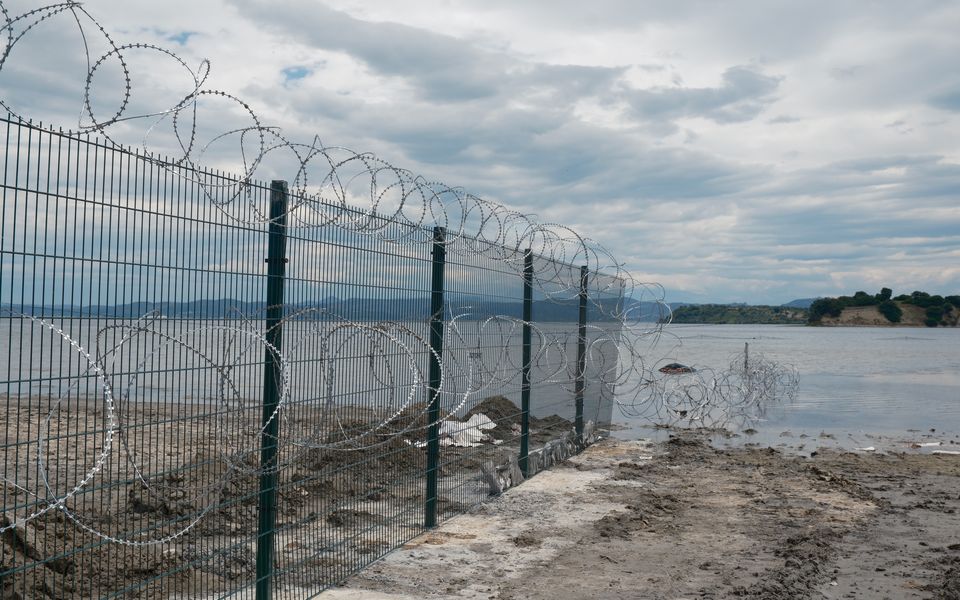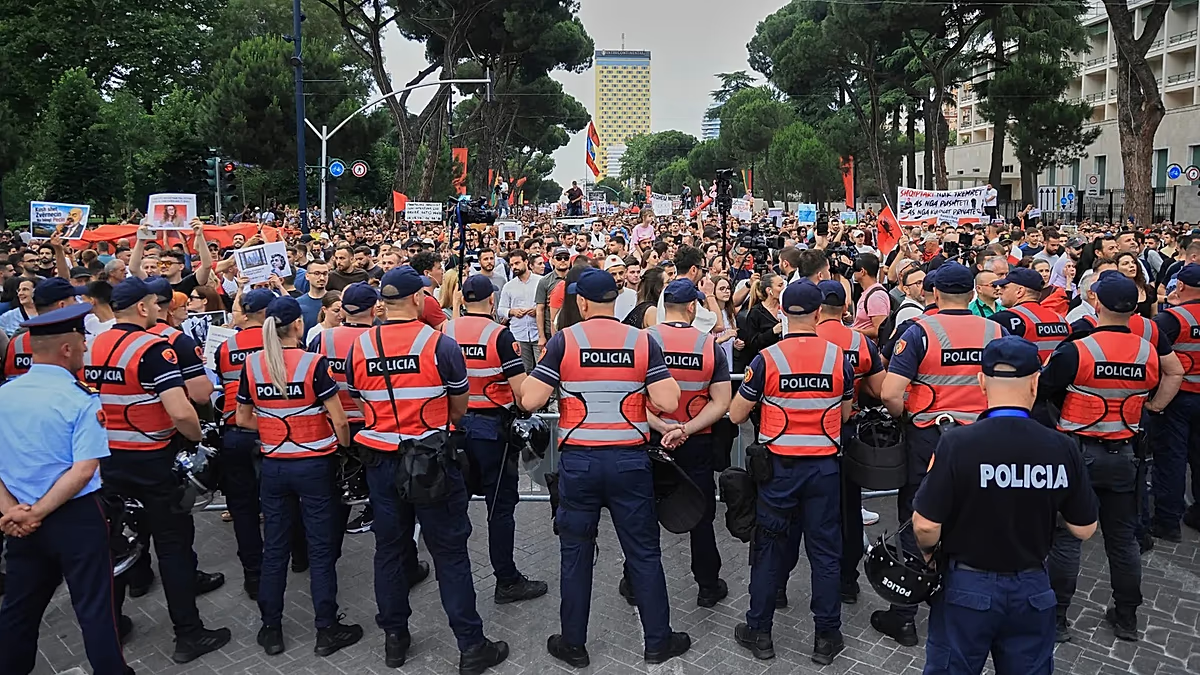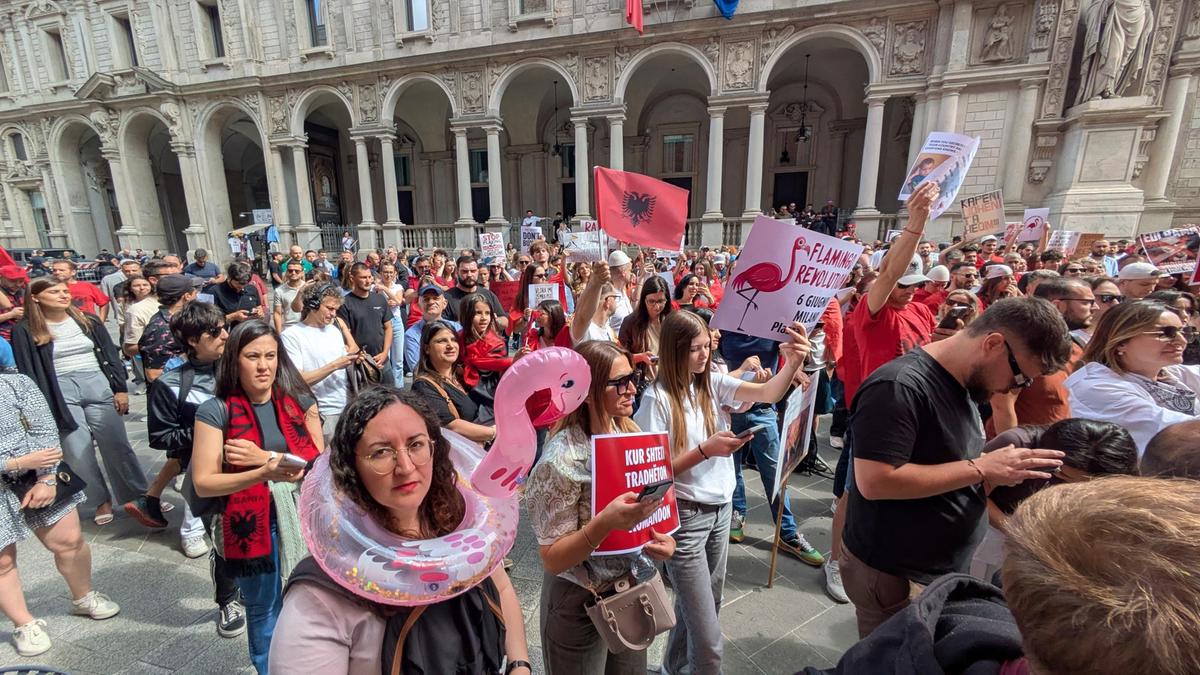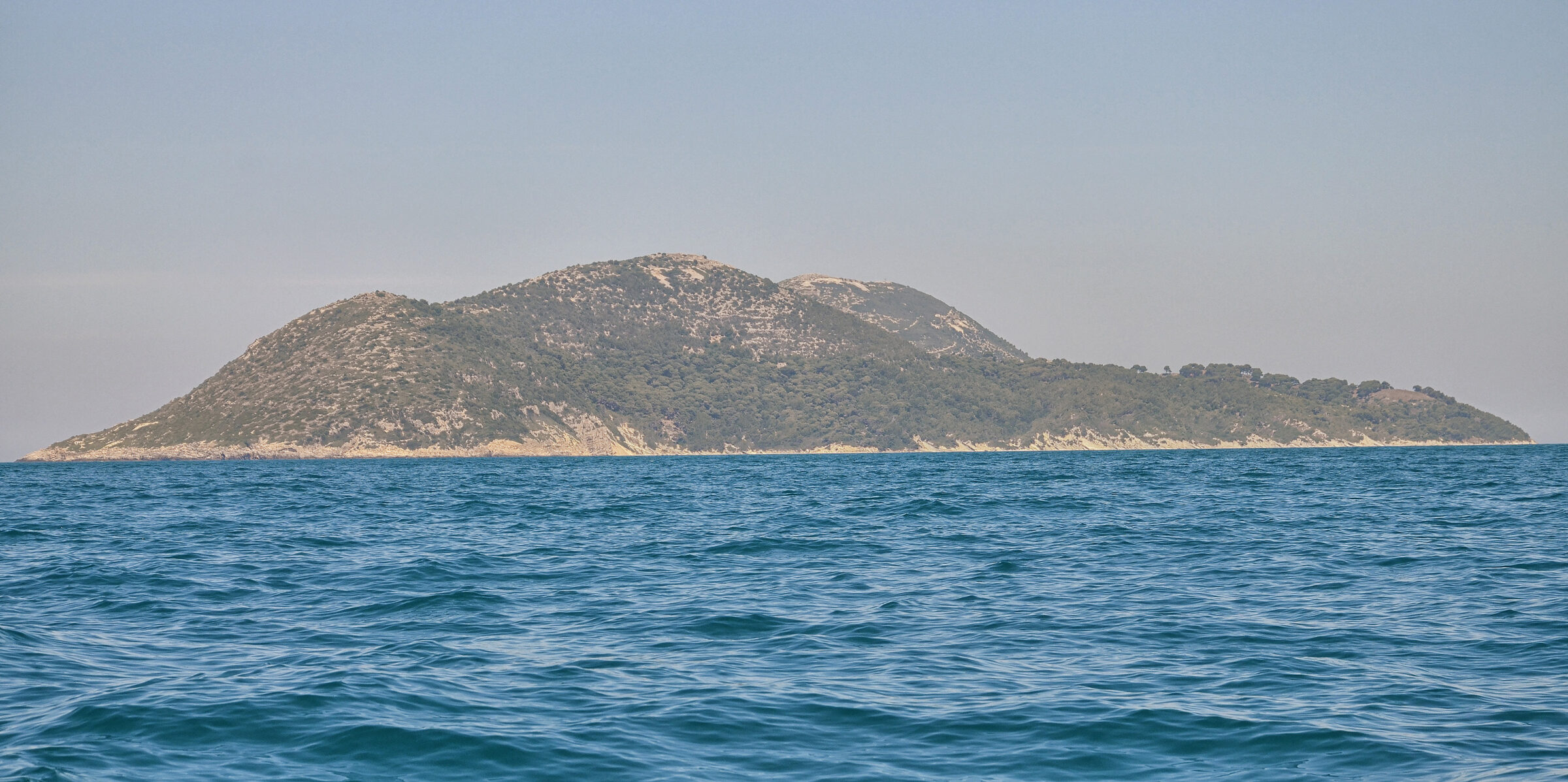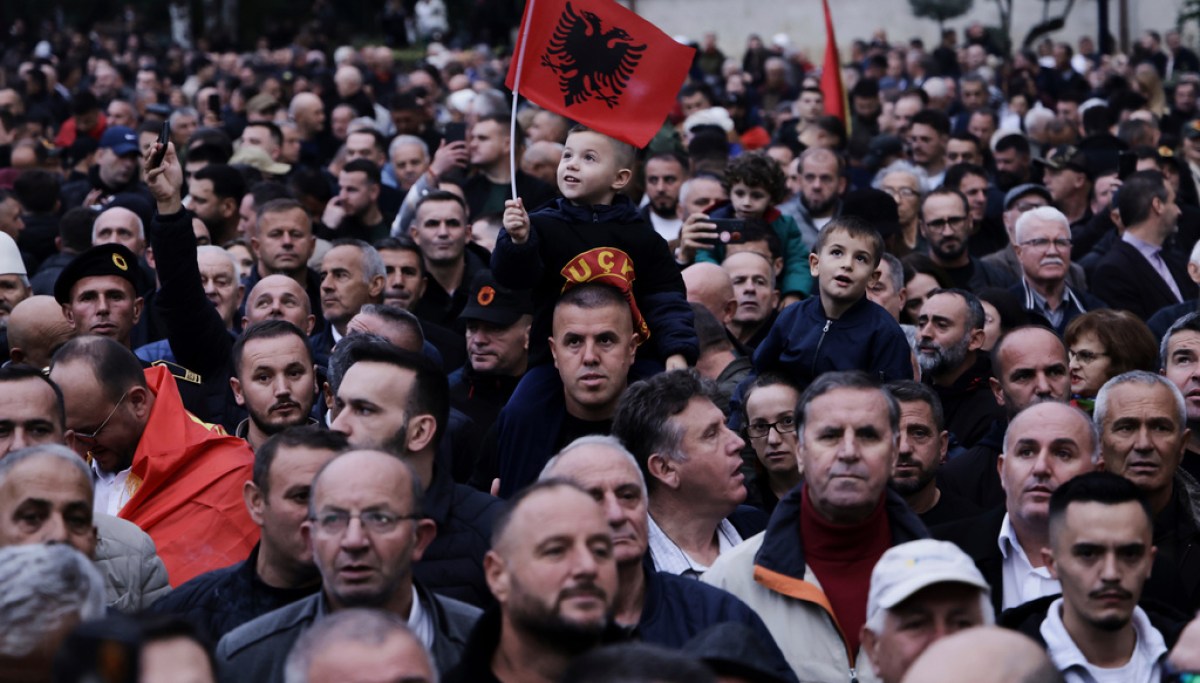
Every nation arrives, at intervals, at a threshold where it must choose between two definitions of itself — one open and one closed, one confident and one fearful — and Albania, a small country I have supported for the better part of my life, stands at such a threshold this week. The occasion is the coast at Zvërnec, where a protest against the conduct of a private security firm, and against unanswered questions about a fragile lagoon and the ownership of southern land, has become something larger: a contest over what kind of country Albania intends to be. Among the legitimate voices, a slogan has surfaced — Shqipëria e shqiptarëve, jo e tradhtarëve, “Albania of the Albanians, not of the traitors” — offered as patriotism.Having worked for three decades on Albanian and Kosovar affairs and for the cause of interfaith understanding across the region, I would respectfully submit that this phrase belongs to no Albanian tradition worth keeping.
ALBANIA IS THE WORLD’S NEWEST NARCOSTATE THREAT
Its provenance is, in fact, foreign and familiar. It is a single template that the European right-wing has reused for a century, changing only the name in the blank: Deutschland den Deutschen in the Germany of the 1930s; La France aux Français in the rhetoric of the National Front; Italia agli italiani; and, immediately across Albania’s southern border, “Greece for the Greeks,” the creed of Golden Dawn. Each presents itself as devotion to the homeland. Each is, on inspection, a claim about who may be excluded from it. The phrase’s second clause — “not of the traitors” — descends from nearer home, from the wartime motto of Balli Kombëtar. And a nation is right to be cautious when its slogans are inherited from the most ruinous chapter of the 20th century. These are, in the end, among the pathologies that flourish whenever identity is reduced to ideology.