Your bank account has less constitutional protection than your phone. That isn’t a rhetorical point. It’s the practical result of 50 years of Supreme Court doctrine, and the Arctic Frost investigation is what it looks like when the government uses that doctrine at full extension against sitting members of Congress.The Fourth Amendment required the government to get a warrant, with particularity about what was being sought and probable cause reviewed by a neutral judge, before accessing private “papers.” The Founders were specific about papers because correspondence and financial records were the personal data of 1791. James Otis Jr. argued in 1761 that British general warrants, which gave royal officials unlimited search authority without naming what they were looking for, were the worst abuse of colonial power. The Fourth Amendment was written so that those warrants would never happen again. Papers meant financial records. The warrant protected them.Two Supreme Court decisions dismantled a significant portion of that protection. United States v. Miller in 1976 and Smith v. Maryland in 1979 established the third-party doctrine: Information you share with a bank or phone company loses Fourth Amendment protection because you “voluntarily” conveyed it to a third party. The government can compel those records without a warrant. In a digital economy where every financial transaction leaves an institutional record, that reasoning empties the amendment of most of its practical force.
Your phone has no Fourth Amendment
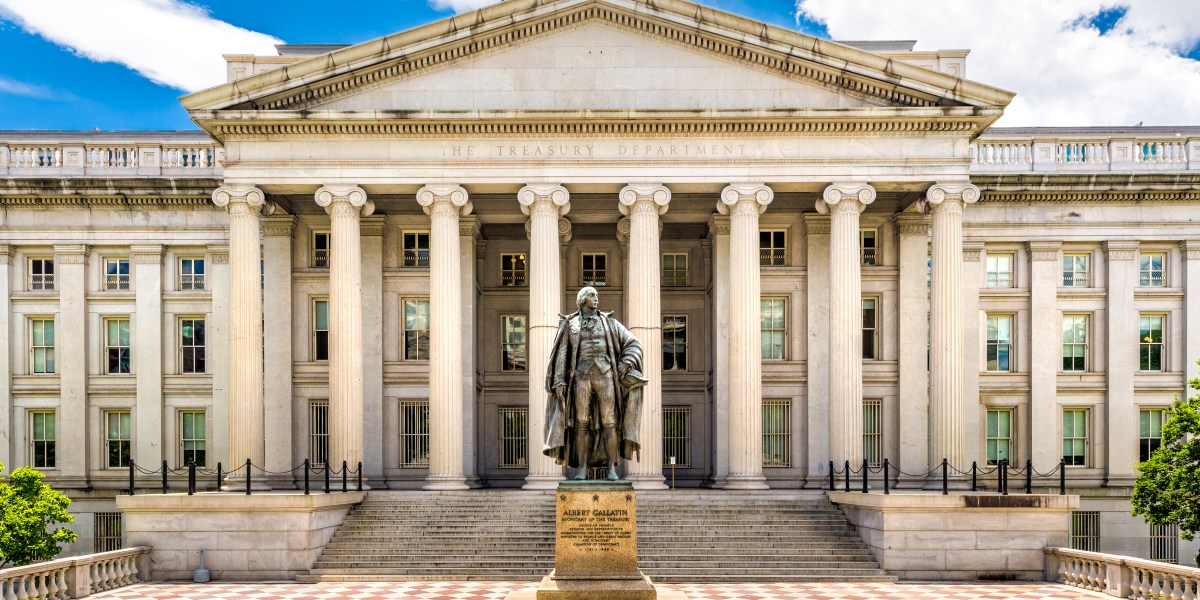
The Right to Financial Privacy Act represents the last serious effort to impose warrant standards on administrative access to personal financial records.
745 words~3 min read