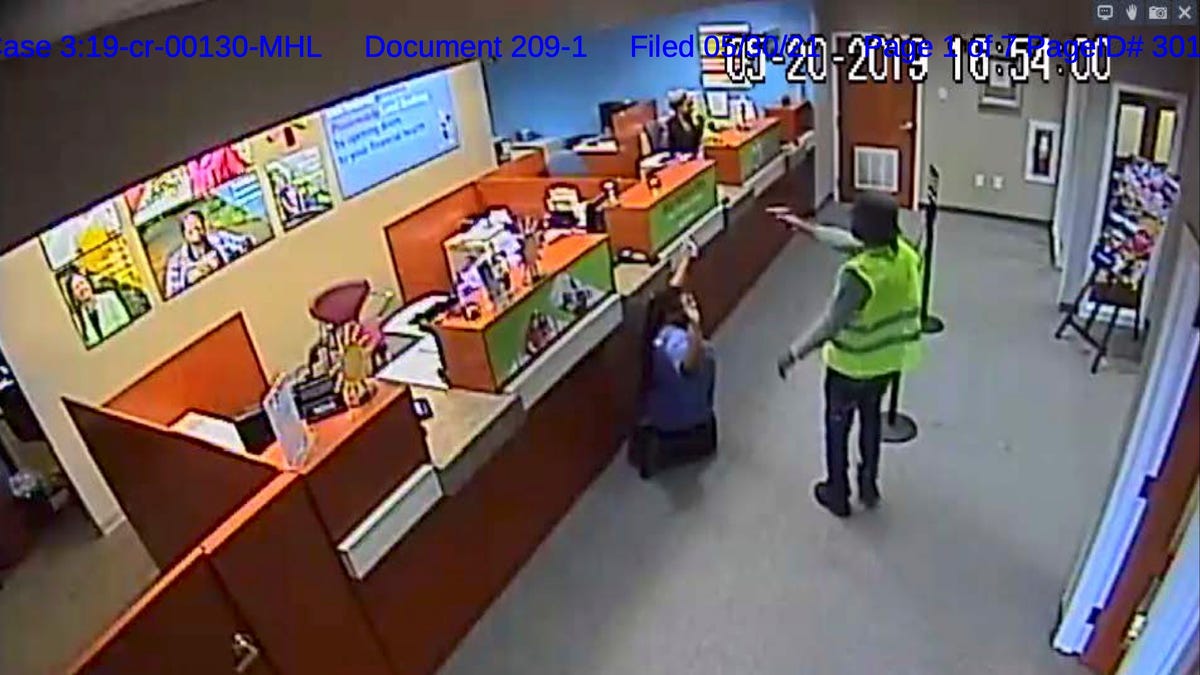
WASHINGTON – Carrying a smartphone to a bank robbery wasn’t such a smart move for Okello Chatrie.
Now the Supreme Court must decide whether the "groundbreaking" and "previously unimaginable" way police tracked down Chatrie through his Samsung Galaxy S9 phone violated his Fourth Amendment protection from an unlawful search.
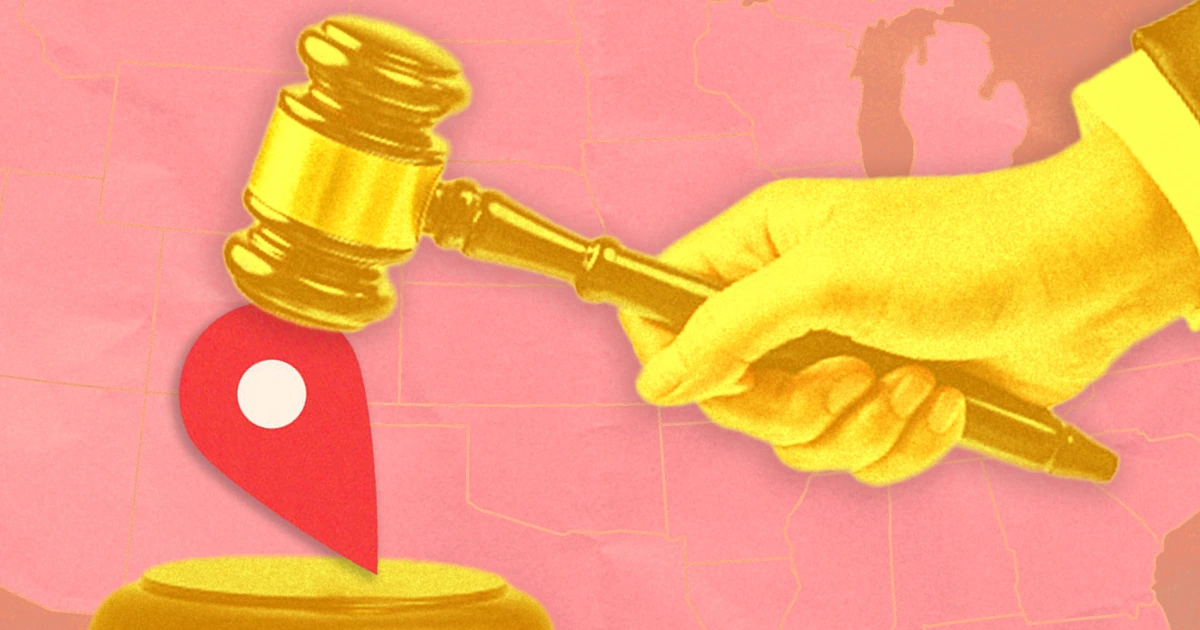
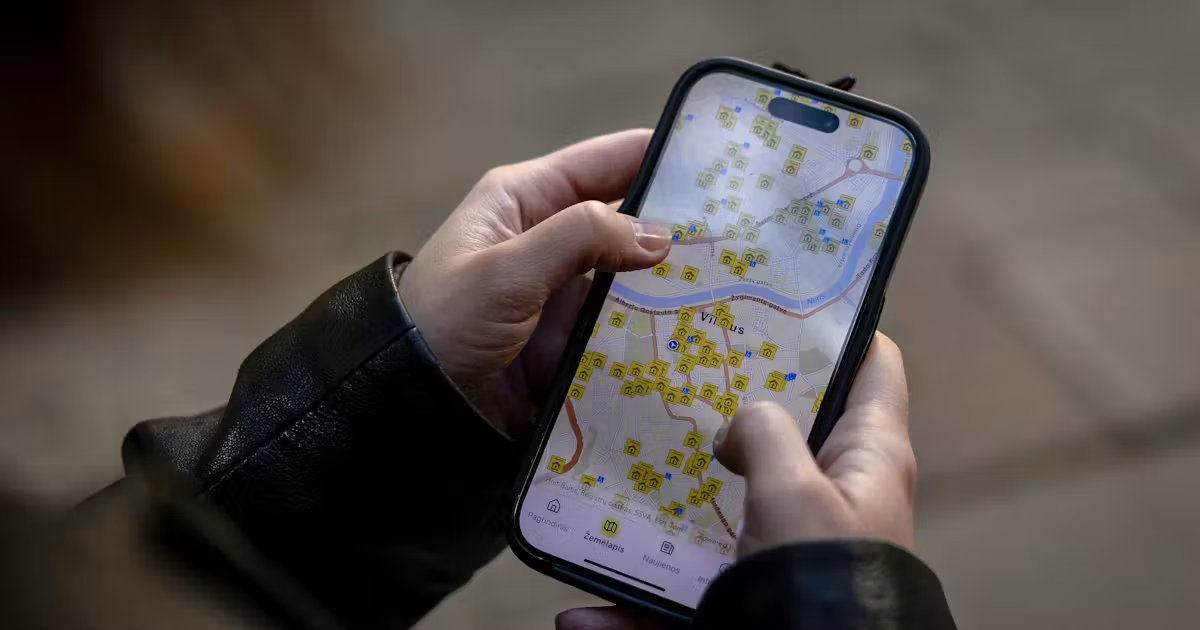
At stake in the case is whether the government can sift through voluminous data that exposes a phone's location at a crime scene – without knowing who is holding it. Such a search through Google’s location data begins with a haystack of hundreds of millions of phones and enables the police to filter out a few that could lead to a suspect.
The tactic – what is called a “reverse search” without an identified suspect – is tantalizing for police who reach a dead-end in a shoe-leather investigation. But civil libertarians are unnerved about casting such a wide dragnet that captures highly personal information from hundreds or perhaps thousands of people who aren’t criminals.
If the court upholds such digital searches without an identified suspect, legal experts say the strategy could expand to pry through search engines, cloud storage and artificial-intelligence chats.