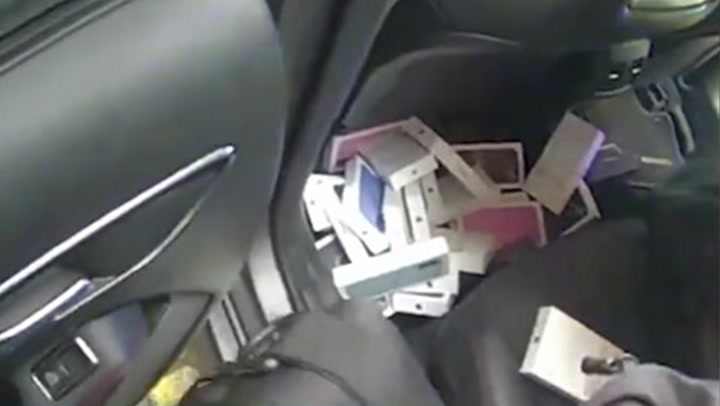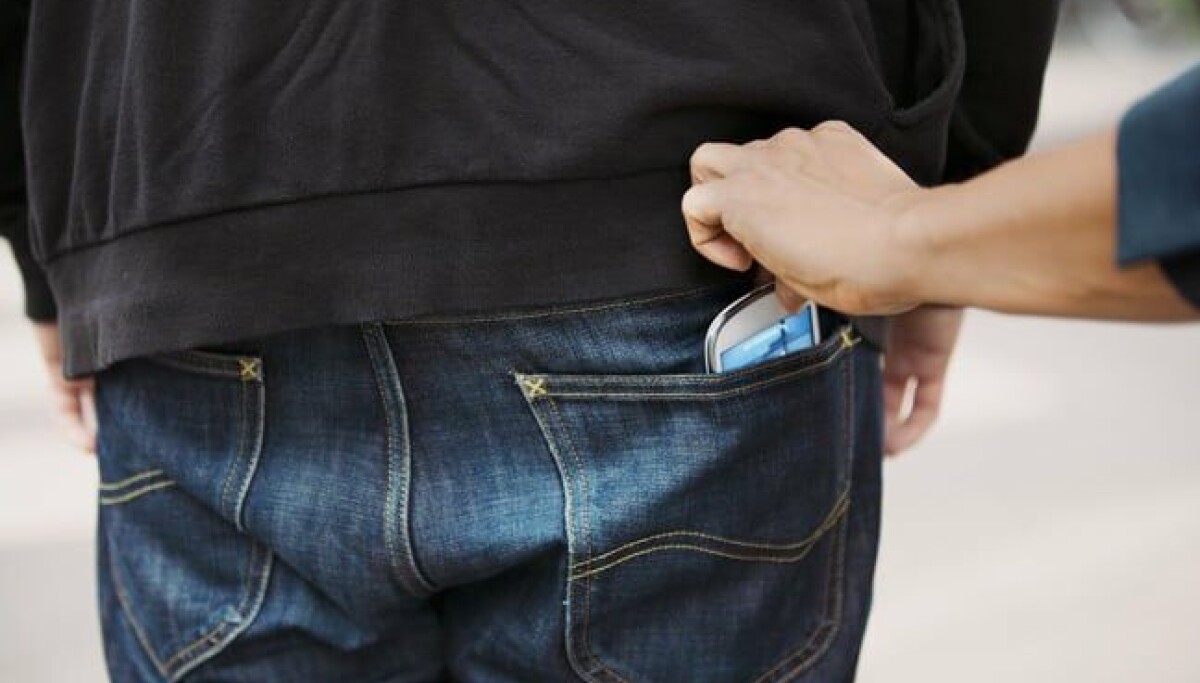
This is the online edition of The Wiretap newsletter, your weekly digest of cybersecurity, internet privacy and surveillance news. To get it in your inbox, subscribe here.Last month, a man posing as a food delivery driver knocked on the door of a home in Winnetka, Illinois. As soon as the resident opened up, the man and at least four others armed with guns forcibly entered the property. They demanded their victim provide access to a safe and any online accounts containing cryptocurrency. The home invasion didn’t go quite as planned; the victim escaped and the men fled with no apparent crypto theft, according to a criminal complaint and search warrant reviewed by Forbes.Chicago rapper Lil Zay Osama, whose real name is Isaiah Dukes, has now been charged for his part in the robbery, along with five others. In 2024, he was sentenced to 14 months for possession of a machine gun. He’s pleaded not guilty to the new charges of kidnapping and violent robbery. Police were able to ID one of the perpetrators with a novel investigative technique that took advantage of how car makers and tech giants collect data. One of the suspects had connected their iPhone to the Bluetooth system of their stolen getaway vehicle, the warrant said. From a subpoena filed with Apple, the cops discovered that the phone belonged to an iCloud user with the name Tyrese Fenton-Watson. By combining non-personal data from car bluetooth with a subpoena on Apple, cops are able to identify a vehicle's occupants at a given time, a search warrant shows.gettyFenton-Watson was arrested and charged last week in Illinois with kidnapping and robbery, but is yet to plead. His lawyer hadn’t responded to a request for comment. Apple hadn’t responded to a request for comment at the time of publication.While it’s not the smartest move to connect to a car’s entertainment system when you’ve stolen it, the case shows how police are able to exploit the increasing amounts of data cars have access to when identifying a suspect. For the rest of us, it’s worth remembering that pairing your phone with a car can expose your privacy. Got a tip on surveillance or cybercrime? Get me on Signal at +1 929-512-7964.THE BIG STORY(Photo by JOEL SAGET / AFP via Getty Images)AFP via Getty ImagesWhite House Opposes Anthropic Plan to Expand Mythos AccessWhen Anthropic announced its Mythos model, it limited access to a select group of around 40 companies due to concerns over its ability to detect cyber vulnerabilities at scale. It now wants to open that up to 120 companies, but the White House has pushed back, per the Wall Street Journal. Alongside fears that the model could fall into the wrong hands, some White House officials worried that if others were using Mythos excessively, it could put a strain on Anthropic infrastructure and hamper the government’s own use of the tool.Stories You Have To Read TodayThe DHS asked Google to provide a Canadian user’s location information and other identifying data after he criticized the Trump administration, Wired reports. Google is yet to comment. It is unclear if it provided the data. Facebook and Instagram are using AI bone structure analysis to determine if a user is under 13, and therefore not allowed on its apps, the company wrote in a blog post. Security researcher Jeremiah Fowler found a leak from a spyware app, which included a repository of nearly 90,000 screenshots taken from an unnamed celebrity’s phone. That included private photos, conversations and financial information. In case you missed it, Forbes published its eighth annual AI 50 list, with sponsoring partner Mayfield, that highlights the most promising privately held AI companies in the world. There’s a lot of familiar names, like Anthropic, Harvey and ElevenLabs, but this year Forbes has also highlighted some exciting newcomers, including presentation builder Gamma, drug discovery startup Chai Discovery and New York-based Rogo, which is building AI for bankers and investors. We also launched our first ever AI 50 Brink list, featuring early stage companies with the potential to rival their more established peers in the future.Winner of the WeekThe FBI worked with Meta and international law enforcement agencies to arrest more than 275 individuals and take down nine cryptocurrency scam centers targeting Americans. It’s a rare example of the DOJ collaborating with the Chinese Ministry of Public Security on a large-scale investigation.Loser of the WeekEarlier this year, concerned workers at Meta contractor Sama told reporters that they’d seen people having sex and using the toilet while they were annotating video from its Ray-Ban smartglasses. Meta ended its deal with Sama last week, claiming the contractor didn’t live up to unspecified standards. Sama disputed Meta’s explanation, saying it had never been informed of any such issue. More On ForbesForbesSam Bankman-Fried’s Venture Bets Would Have Made Him $100 Billion Richer Had He Stayed Out Of PrisonBy Nina BambyshevaForbesThe Billionaire Donors Behind Trump’s Midterm SuperweaponBy Kyle Khan-MullinsForbesHow A Chicago Accountant Quietly Built A Billion-Dollar Fortune Amassing Humdrum BusinessesBy Kirk Ogunrinde
Cops Use Apple Data And Car Bluetooth To Identify Crypto Robbery Suspect
With a simple Bluetooth identifier and a subpoena to Apple, cops were able to ID a suspect who connected to a getaway vehicle in an armed crypto robbery.
833 words~4 min read