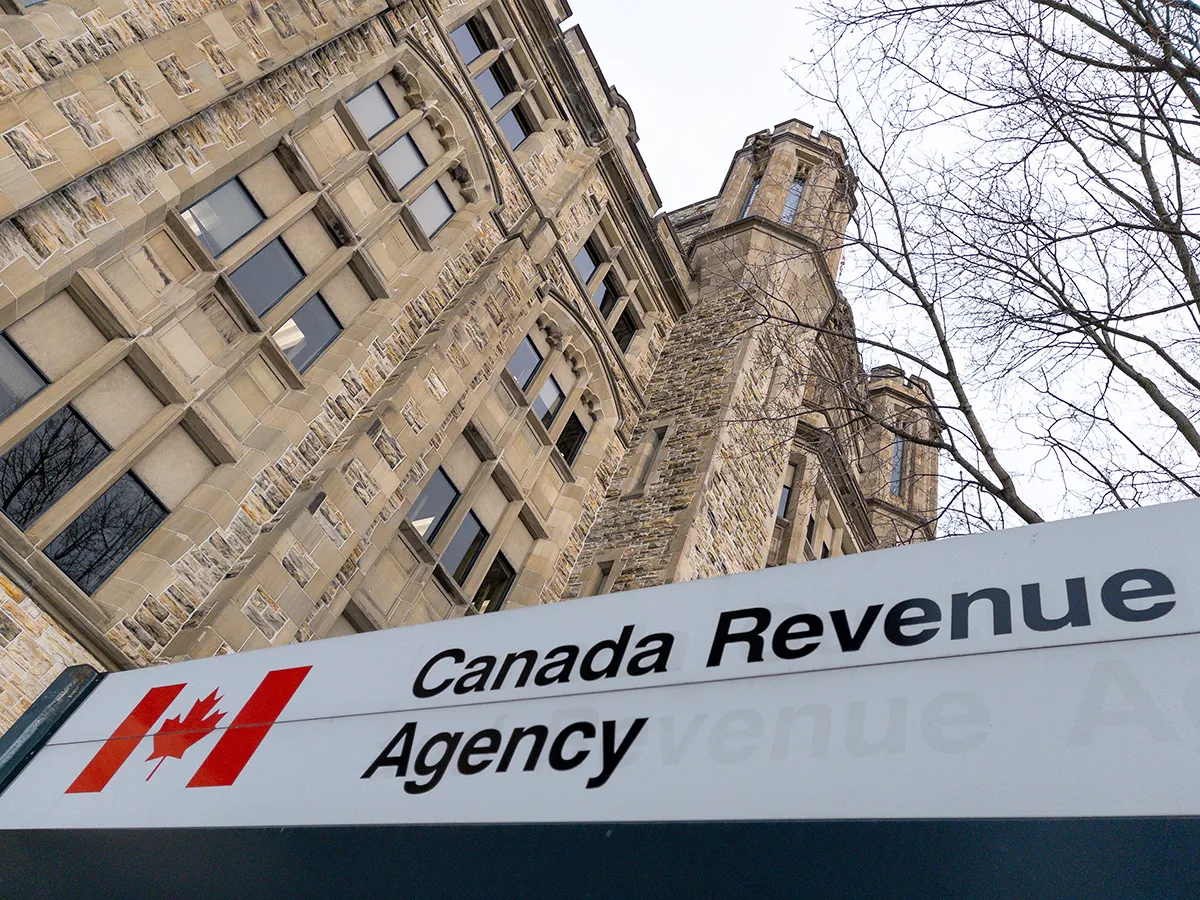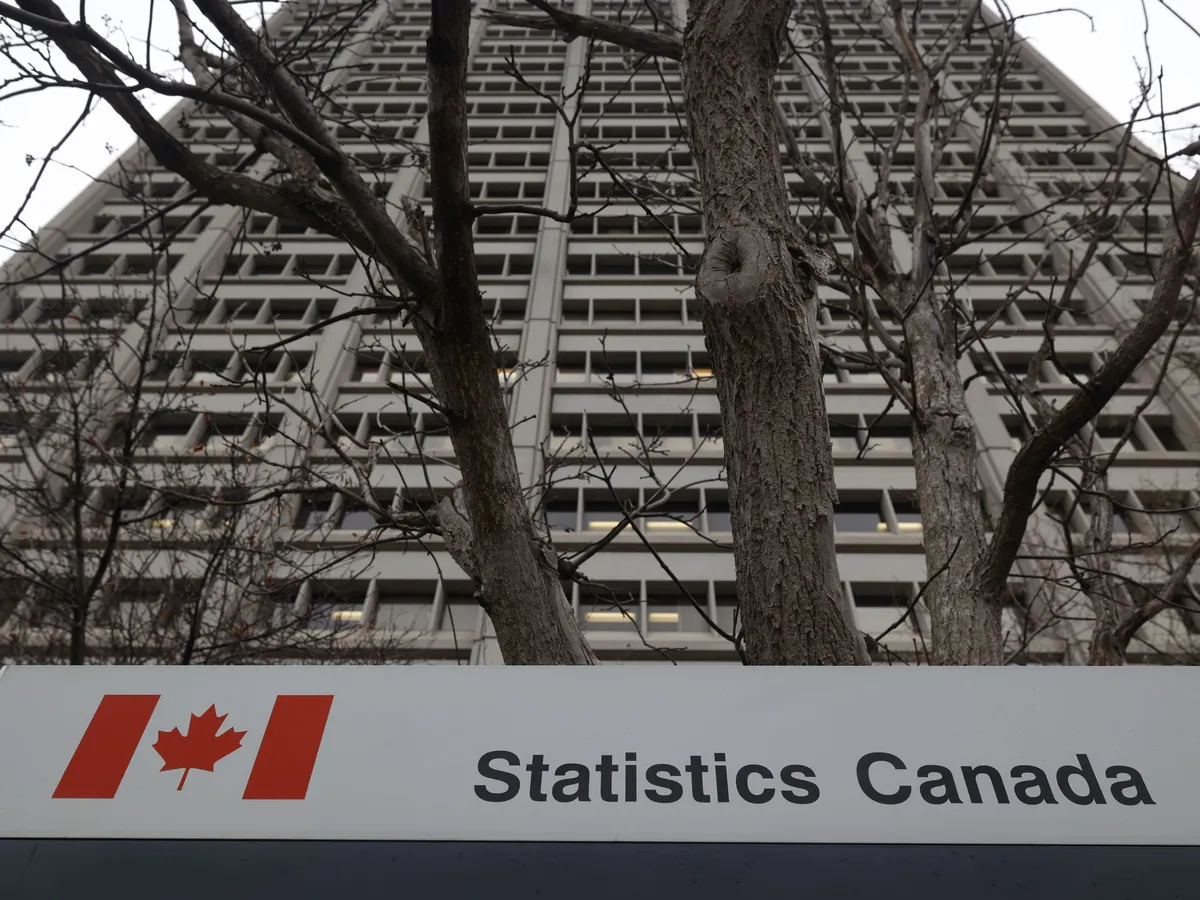
Skip to Content Subscribe Our Offers My Account Manage My Subscriptions FAQ Newsletters Canada Canadian True Crime Canadian Politics Health World Israel & Middle East Financial Post NP Comment Longreads Puzzmo Diversions Comics NP News Quiz New York Times Crossword Horoscopes Life Eating & Drinking Style Sponsored Play for Ontario Travel Travel Canada Travel USA Travel International Cruises Travel Essentials Culture Books Celebrity Movies Music Theatre Television Business Essentials Advice Lives Told Tails Told Shopping Buy Canadian Home Living Outdoor Living Tech Style & Beauty Kitchen & Dining Personal Care Entertainment & Hobbies Gift Guide Travel Guide Deals Savings National Post Store More Sports Hockey Baseball Basketball Football Soccer Golf Tennis Driving Vehicle Research Reviews News Gear Guide Obituaries Place an Obituary Place an In Memoriam Classifieds Place an Ad Celebrations Working Business Ads Archives Healthing Epaper Manage Print Subscription Profile Settings My Subscriptions Saved Articles My Offers Newsletters Customer Service FAQ Newsletters Canada World Financial Post NP Comment Longreads Puzzmo Diversions Life Shopping Epaper Manage Print Subscription HomeNewsCanadaCanadians who skipped the census face possible $500 fines and in-person visits from StatCanStatistics Canada said non-responding households will receive a final reminder letter in mid-July You can save this article by registering for free here. Or sign-in if you have an account.A Statistics Canada building in Ottawa. StatCan oversees the census. Photo by TONY CALDWELL /PostmediaCanadians who haven’t completed the 2026 census questionnaire may soon receive a phone call or in-person visit from a Statistics Canada employee.Enjoy the latest local, national and international news.Exclusive articles by Conrad Black, Barbara Kay and others. Plus, special edition NP Platformed and First Reading newsletters and virtual events.Unlimited online access to National Post.National Post ePaper, an electronic replica of the print edition to view on any device, share and comment on.Daily puzzles including the New York Times Crossword.Support local journalism.Enjoy the latest local, national and international news.Exclusive articles by Conrad Black, Barbara Kay and others. Plus, special edition NP Platformed and First Reading newsletters and virtual events.Unlimited online access to National Post.National Post ePaper, an electronic replica of the print edition to view on any device, share and comment on.Daily puzzles including the New York Times Crossword.Support local journalism.Create an account or sign in to continue with your reading experience.Access articles from across Canada with one account.Share your thoughts and join the conversation in the comments.Enjoy additional articles per month.Get email updates from your favourite authors.Create an account or sign in to continue with your reading experience.Access articles from across Canada with one accountShare your thoughts and join the conversation in the commentsEnjoy additional articles per monthGet email updates from your favourite authorsSign In or Create an AccountorThe census collects demographic, social and economic information from households across the country, and completion of the questionnaire is required by law. Canadian households can face fines of up to $500 for not doing so, under Section 31 of the Statistics Act.In a news release published on Tuesday, StatCan said: “Census enumerators will begin contacting households from which a completed questionnaire has not yet been received. In addition to phone follow-ups, they will also start going door to door in communities across Canada.”Get a dash of perspective along with the trending news of the day in a very readable format.By signing up you consent to receive the above newsletter from Postmedia Network Inc.A welcome email is on its way. If you don't see it, please check your junk folder.The next issue of NP Posted will soon be in your inbox.We encountered an issue signing you up. Please try againThe government agency added: “These visits are intended to remind residents to complete the census and to offer assistance.”Thousands of enumerators have been hired across Canada to conduct the follow-ups, most of whom have been recruited to work in communities near where they live.A spokesperson from StatCan told National Post that census employees have already been circulating in certain regions, but follow-up activities began to ramp up on Wednesday.“Visits to households who have not yet completed the Census will continue for a few weeks, to ensure everyone is counted,” they said.Census employees who conduct in-person visits will issue reminders to households that haven’t completed their questionnaire and verify that census communications have reached them, StatCan said, as well as offer support to people who could not complete the Census on their own.“Going door to door allows us to identify dwellings that are unoccupied, that may have been missed by the initial rounds of census communications or have been improperly identified or classified,” the government agency added.Canadians who receive a visit from a StatCan employee can verify their identity by contacting the Census Help Line at 1-833-852-2026. Additional information on identifying official census communications is available on the recognizing census communications page of the census website.Meanwhile, follow-up activities for the 2026 Census of Agriculture will also begin, and StatCan employees will communicate with respondents by phone and through email.StatCan told National Post that non-responding households with a mailing address will receive a final reminder letter in mid-July, informing them of their legal obligation to complete the census questionnaire and the possible consequences of failing to do so.The deadline to fill in the 2026 Census of Population was May 12. However, according to the Statistics Canada census website: “You can still submit your questionnaire past May 12.”The site refers to May 12 as a “reference date” rather than a deadline, adding: “We encourage respondents to complete their questionnaires as soon as possible to fulfill their legal obligation.”Completion of the census is a legal requirement, and Canadian households can face fines of up to $500 for not doing so, under Section 31 of the Statistics Act.However, actual cases of people refusing to fill out the census are rare. A spokesperson from Statistics Canada previously told National Post the overall response rate was 98 per cent or higher in both 2021 and 2016.They also said: “Statistics Canada’s priority is the successful collection of data rather than the pursuit of penalties.”The census has been the subject of criticism over the years, including for the cost of conducting it and the nature of the questions, which some have labelled “intrusive.”Franco Terrazzano, federal director at Canadian Taxpayers Federation, told National Post in an email: “StatCan will cost taxpayers about $1 billion this year, so taxpayers deserve a full accounting of what this door-knocking costs and what it actually achieves.“Taxpayers shouldn’t be footing the bill for a bunch of bureaucrats to go on a stroll, knock on doors and achieve nothing.”Terrazzano attributes the $1 billion figure to Statistics Canada’s 2026-27 budgetary estimate, published by the federal government.StatCan told National Post in an email: “While Statistics Canada continues to adopt new technologies and processes that help make collection more efficient and cost-effective, such as moving to an online questionnaire and encouraging households to respond by themselves, in-person visits are still an important part of the Census of population and help ensure that every household has been counted.”In 2011, Harper’s Conservative government discontinued the mandatory long-form census on the grounds that it is too intrusive, and replaced it with the voluntary National Household Survey (NHS).The decision was supported by Niels Veldhuis, president of the think tank Fraser Institute, who called the census at the time “a truly intrusive instrument.”“While the current census data are no doubt interesting for academics, economists and planners who wish to analyze social and economic trends, it is rife with intrusive questions that the government has no business forcing Canadians to answer,” he said.However, the measure was reversed by Trudeau’s Liberals in 2015, in an announcement made just one day after the then-Prime Minister and his cabinet were sworn in. Justin Trudeau said of restoring the census to its mandatory status: “We want to make sure we’re driving good policies based on good evidence and quality data.”When it came to the 2026 census, many Canadians expressed their criticisms of it on social media.In a local Facebook group, one Barrie resident wrote: “Is everyone’s census questions as many and as intrusive as mine?…I’m shocked at the level of detail being requested per household member, not to mention how tedious it is to respond to (the) same question for multiple household members.”In a different group for Calgary residents, another said: “Almost 100 questions many of them intrusive. They want to know your sexual orientation, how much you pay for utilities, where are you coming from, your parents, ancestors, your mortgage, etc.”There are two different types of census questionnaires: a long-form one and a short-form one. While 75 per cent of Canadian households receive the short-form version, which collects basic demographic information, 25 per cent receive a long-form questionnaire. The long-form questionnaire collects the same demographic information, as well as information about the social and economic situation of people across Canada and the dwellings they live in.StatCan told National Post that data from the census provides “essential” information that allows all levels of government to make informed decisions on issues that are important for Canadians.The StatCan website explains that answers are collected under the authority of the Statistics Act and are kept strictly confidential.“Census data are used to plan health care services, employment programs, emergency services, new schools, childcare services, public transit, housing, and more,” the government agency said.“Statistics Canada has strict rules to safeguard all its data holdings, and these rules meet or exceed the requirements of the Statistics Act and the Privacy Act,” it says.“All Statistics Canada employees take an oath under the Statistics Act to protect your information. The oath is valid even after their employment has ended and is accompanied by penalties that include fines and imprisonment.”Our website is the place for the latest breaking news, exclusive scoops, longreads and provocative commentary. Please bookmark nationalpost.com and sign up for our daily newsletter, Posted, here. Join the Conversation This website uses cookies to personalize your content (including ads), and allows us to analyze our traffic. Read more about cookies here. By continuing to use our site, you agree to our Terms of Use and Privacy Policy.
Canadians who skipped the census face possible $500 fines and in-person visits from StatCan
Statistics Canada said non-responding households will receive a final reminder letter in mid-July.
1,670 words~8 min read