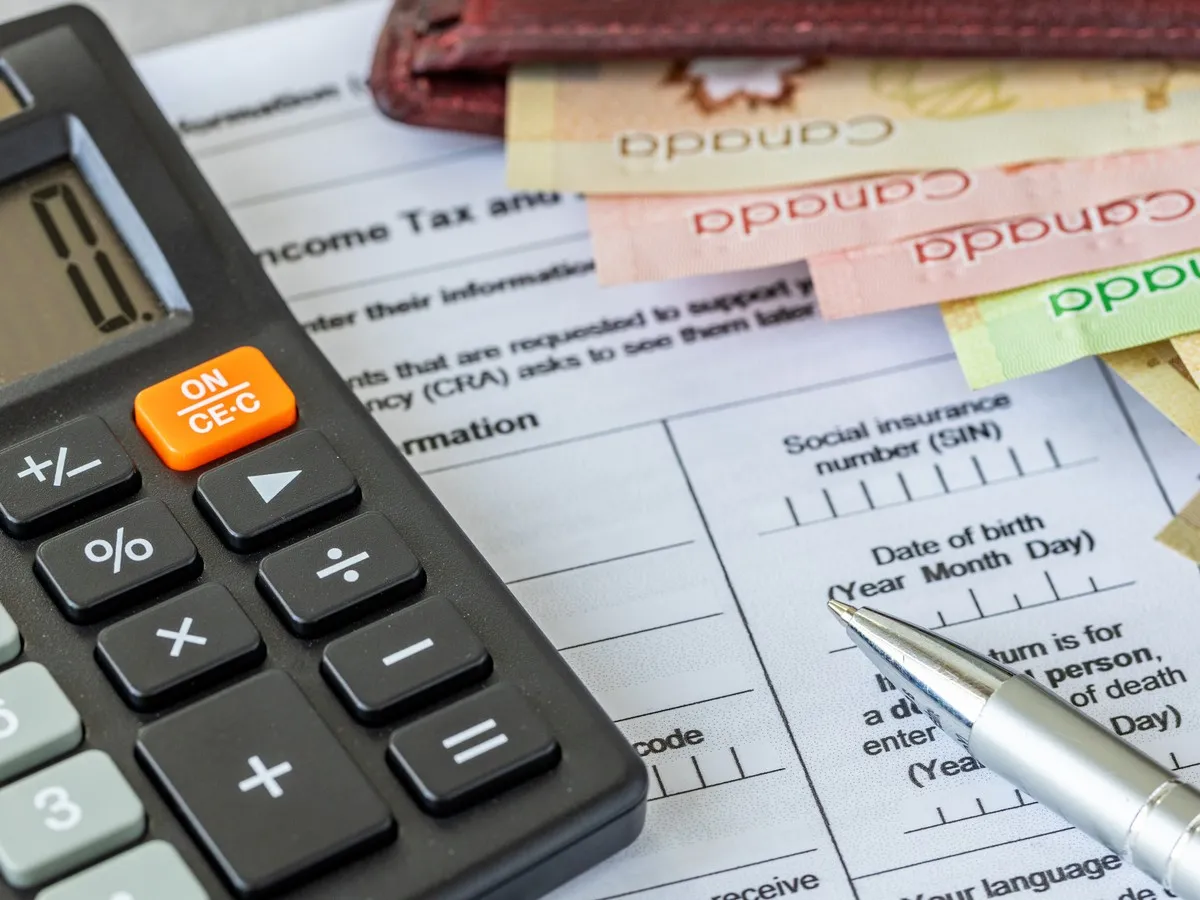
Skip to Content Subscribe Our Offers My Account Manage My Subscriptions FAQ Newsletters Canada Canadian True Crime Canadian Politics Health World Israel & Middle East Financial Post NP Comment Longreads Puzzmo Diversions Comics NP News Quiz New York Times Crossword Horoscopes Life Eating & Drinking Style Sponsored Play for Ontario Travel Travel Canada Travel USA Travel International Cruises Travel Essentials Culture Books Celebrity Movies Music Theatre Television Business Essentials Advice Lives Told Tails Told Shopping Buy Canadian Home Living Outdoor Living Kitchen & Dining Tech Style & Beauty Personal Care Entertainment & Hobbies Gift Guide Travel Guide Amazon Prime Day Deals Savings National Post Store More Sports Hockey Baseball Basketball Football Soccer Golf Tennis Driving Vehicle Research Reviews News Gear Guide Obituaries Place an Obituary Place an In Memoriam Classifieds Place an Ad Celebrations Working Business Ads Archives Healthing Epaper Manage Print Subscription Profile Settings My Subscriptions Saved Articles My Offers Newsletters Customer Service FAQ Newsletters Canada World Financial Post NP Comment Longreads Puzzmo Diversions Life Shopping Epaper Manage Print Subscription HomeNewsCanadaCanadians could soon lose up to $1,800 in unclaimed CRA payments. Here's how to check if you're owedBudget 2025 proposes an October deadline for claiming outstanding paymentsLast updated 12 minutes ago You can save this article by registering for free here. Or sign-in if you have an account.Canadians who are yet to file outstanding tax returns from 2021 to 2024 may be eligible for the payment. Photo by Andrzej Rostek /Getty ImagesThe final quarterly Canada Carbon Rebate (CCR) payment was issued in April 2025, but eligible Canadians who have yet to claim all the money they are entitled to can still receive retroactive payments of up to $1,800 per family. But that might not last much longer.Enjoy the latest local, national and international news.Exclusive articles by Conrad Black, Barbara Kay and others. Plus, special edition NP Platformed and First Reading newsletters and virtual events.Unlimited online access to National Post.National Post ePaper, an electronic replica of the print edition to view on any device, share and comment on.Daily puzzles including the New York Times Crossword.Support local journalism.Enjoy the latest local, national and international news.Exclusive articles by Conrad Black, Barbara Kay and others. Plus, special edition NP Platformed and First Reading newsletters and virtual events.Unlimited online access to National Post.National Post ePaper, an electronic replica of the print edition to view on any device, share and comment on.Daily puzzles including the New York Times Crossword.Support local journalism.Create an account or sign in to continue with your reading experience.Access articles from across Canada with one account.Share your thoughts and join the conversation in the comments.Enjoy additional articles per month.Get email updates from your favourite authors.Create an account or sign in to continue with your reading experience.Access articles from across Canada with one accountShare your thoughts and join the conversation in the commentsEnjoy additional articles per monthGet email updates from your favourite authorsSign In or Create an AccountorOn his first day in office, Prime Minister Mark Carney ended the federal fuel charge and, with it, the CCR. Carney said at the time: “This will make a difference to hard-pressed Canadians, but it is part of a much bigger set of measures that this government is taking to ensure that we fight against climate change, that our companies are competitive and the country moves forward.”Despite the end of the rebate, eligible Canadians can still claim CCR payments by filing any outstanding tax returns for the 2021 through 2024 tax years. Once the Canada Revenue Agency (CRA) assesses those returns, any government payments not yet claimed will be issued.Get a dash of perspective along with the trending news of the day in a very readable format.By signing up you consent to receive the above newsletter from Postmedia Network Inc.A welcome email is on its way. If you don't see it, please check your junk folder.The next issue of NP Posted will soon be in your inbox.We encountered an issue signing you up. Please try againHowever, Budget 2025 proposed a hard deadline for when Canadians can file tax returns from previous years and still receive the payments. And it means those sitting on unclaimed CCR money could lose it in less than three months’ time.The CCR was a quarterly payment for residents of specific provinces to help offset the cost of the federal pollution pricing.From 2021 to 2023, it was known as the Climate Action Incentive Payment (CAIP). From 2018 to 2020, it was known as the Climate Action Incentive (CAI) and was a refundable tax credit claimed annually on personal income tax returns.The CCR applied only to Canadians in provinces where the federal fuel charge was in place. This included residents of Alberta, Manitoba, New Brunswick, Newfoundland and Labrador, Nova Scotia, Ontario, Prince Edward Island and Saskatchewan.Canadians living in B.C., the Northwest Territories, Nunavut, Quebec and Yukon were not eligible for the CCR.Those who were eligible and are up to date on filing their tax returns will already have received their payments, but anyone who hasn’t filed a tax return from 2021 to 2024 could be missing out on unclaimed money for the years they were eligible.The amount Canadians could receive varies depending on where they live, their family size and the year for which they are filing their tax return.The Canada Carbon Rebate amounts for 2024-25, for example, went up to as much as $1,800 annually for a family of four living in Alberta. In Saskatchewan, this amount was $1,504, compared to $1,200 in Manitoba and $1,120 in Ontario.The figure was less than $1,000 for families in Prince Edward Island, Nova Scotia and New Brunswick, where the payments for a family of four were $880, $824 and $760 respectively.For a single adult, annual payments ranged from $900 to $380 based on the province, with payments for a second adult going up to as much as $450 and the maximum per child set at $225.There is also a rural top-up for families in rural communities, which was increased from 10 per cent to 20 per cent in 2024.Budget 2025, which was tabled in Parliament on Nov. 4, 2025, proposes amending the Income Tax Act so that no CCR payments would be made in respect of tax returns or adjustment requests filed after Oct. 30, 2026.The change is part of Bill C-31, which was introduced and read for the first time in the House of Commons on May 6. It passed second reading in the House of Commons on June 3, and is now before the Senate Standing Committee on National Finance.Therefore, the cut-off remains a proposal and not law until the bill receives royal assent.Canadians who are eligible and are not up to date on their tax returns for the 2021 to 2024 tax years can receive retroactive payments by filing any incomplete returns.To check if you have any missing years, log in to your CRA My Account and check which tax years are still unfiled or unassessed. You can file any missing years electronically.Once the CRA has assessed your return, the payment will be made. If you get your tax refund by direct deposit, you will also get your CCR by direct deposit.Our website is the place for the latest breaking news, exclusive scoops, longreads and provocative commentary. Please bookmark nationalpost.com and sign up for our daily newsletter, Posted, here. Join the Conversation This website uses cookies to personalize your content (including ads), and allows us to analyze our traffic. Read more about cookies here. By continuing to use our site, you agree to our Terms of Use and Privacy Policy.
Canadians could soon lose up to $1,800 in unclaimed CRA payments. Here's how to check if you're owed
Canadians have been able to receive retroactive Canada Carbon Rebate payments of up to $1,800 since April 2025. But that's about to change.
1,257 words~6 min read