For most of human history, survival depended on the cohesion of one’s own group and wariness toward outsiders. The distinction between us and them is not a modern pathology. It is an evolutionary inheritance. File Photo by Gian Ehrenzeller/EPA
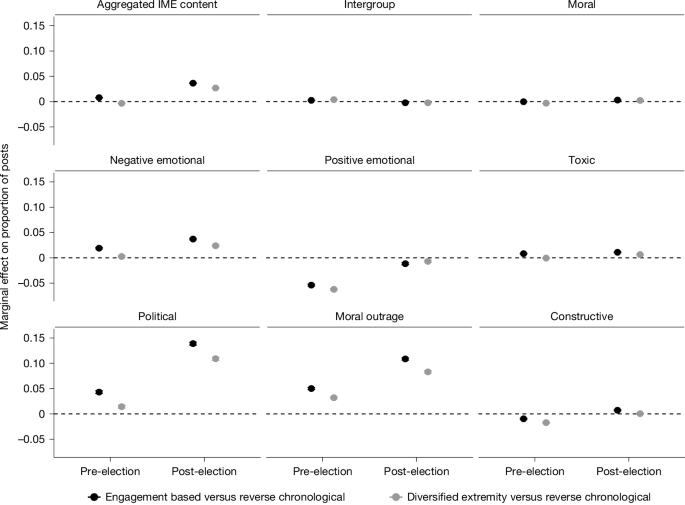
June 4 (UPI) -- A study published last November in Science confirmed what many observers of digital politics have long suspected: feed algorithms do not merely reflect human hostility. They can amplify it.
Researchers from the University of Washington, Stanford University and Northeastern University worked with 1,256 participants on X during the 2024 U.S. presidential campaign. They found that reducing users' exposure to posts expressing antidemocratic attitudes and partisan animosity improved their feelings toward the opposing party by about two points on a 100-point scale. That may sound modest, but the researchers estimated that such a shift typically takes about three years to develop organically.
In other words, the algorithmic feed can compress years of political hardening into days.
That finding raises a question the study did not set out to answer: where does the hostility come from in the first place?