How can society police the global spread of online far-right extremism while still protecting free speech? That's a question policymakers and watchdog organizations confronted as early as the 1980s and '90s -- and it hasn't gone away.
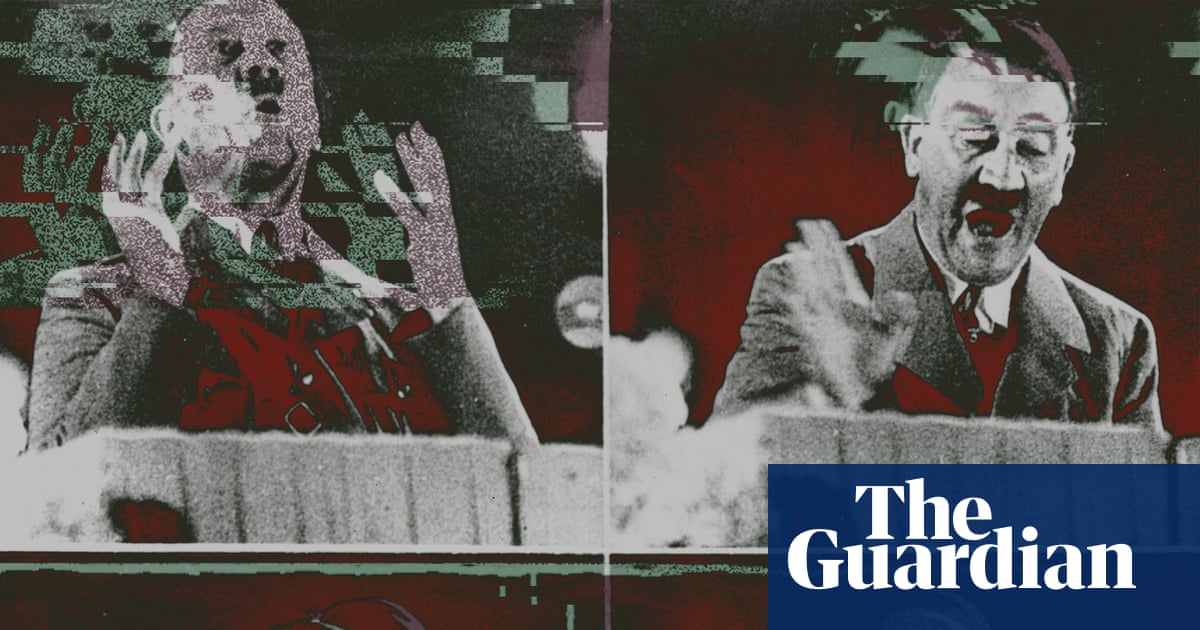
Decades before artificial intelligence, Telegram and white nationalist Nick Fuentes' livestreams, far-right extremists embraced the early days of home computing and the Internet. These new technologies offered them a bastion of free speech and a global platform. They could share propaganda, spew hatred, incite violence and gain international followers like never before.
Before the digital era, far-right extremists radicalized each other primarily using print propaganda. They wrote their own newsletters and reprinted far-right tracts such as Adolf Hitler's "Mein Kampf" and American neo-Nazi William Pierce's "The Turner Diaries," a dystopian work of fiction describing a race war. Then, they mailed this propaganda to supporters at home and abroad.
I'm a historian who studies neo-Nazis and far-right extremism. As my research shows, most of the neo-Nazi propaganda confiscated in Germany from the 1970s through the 1990s came from the United States. American neo-Nazis exploited their free speech under the First Amendment to bypass German censorship laws. German neo-Nazis then picked up this print propaganda and distributed it throughout the country.