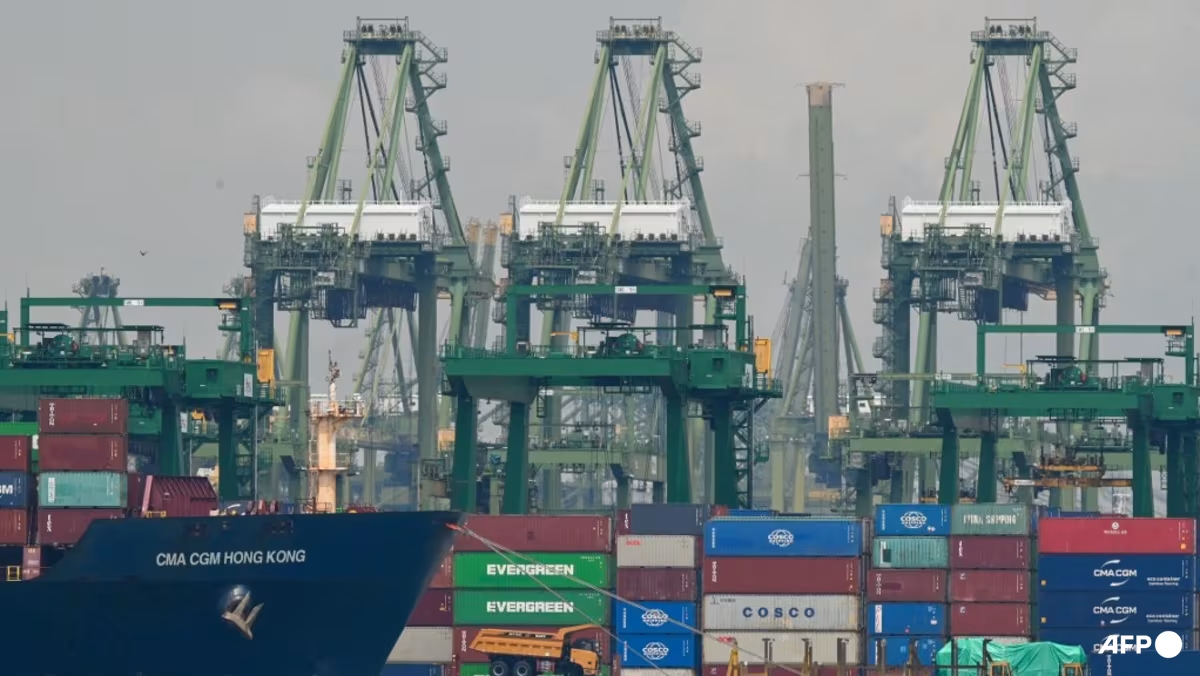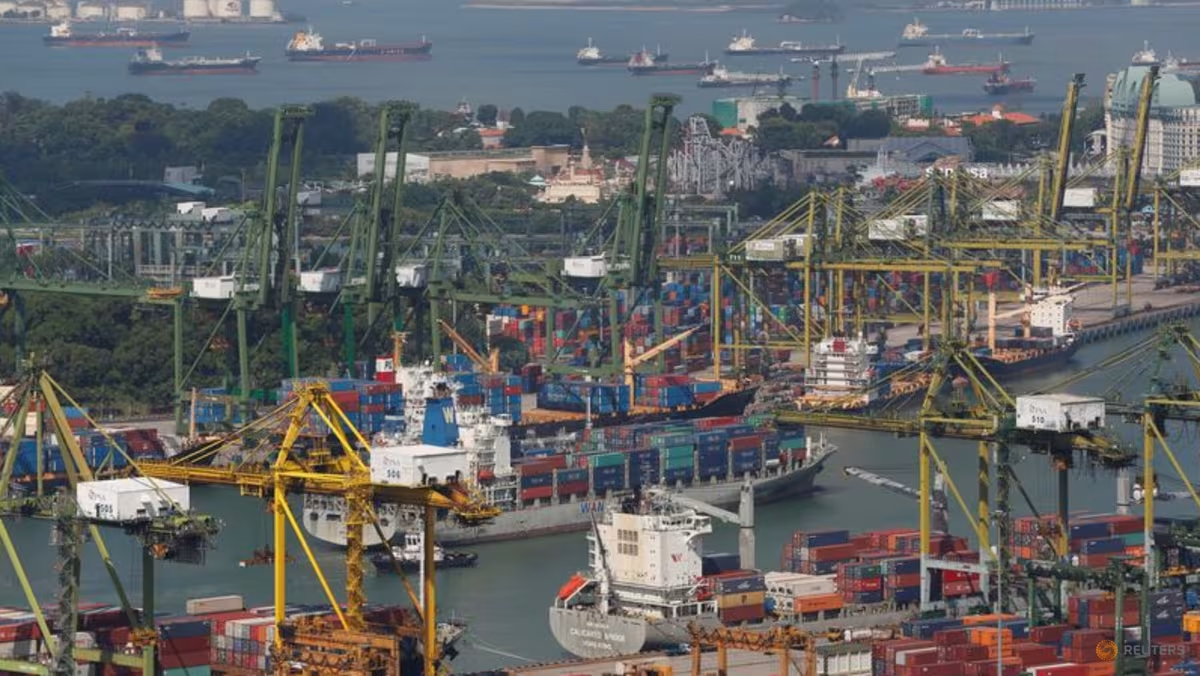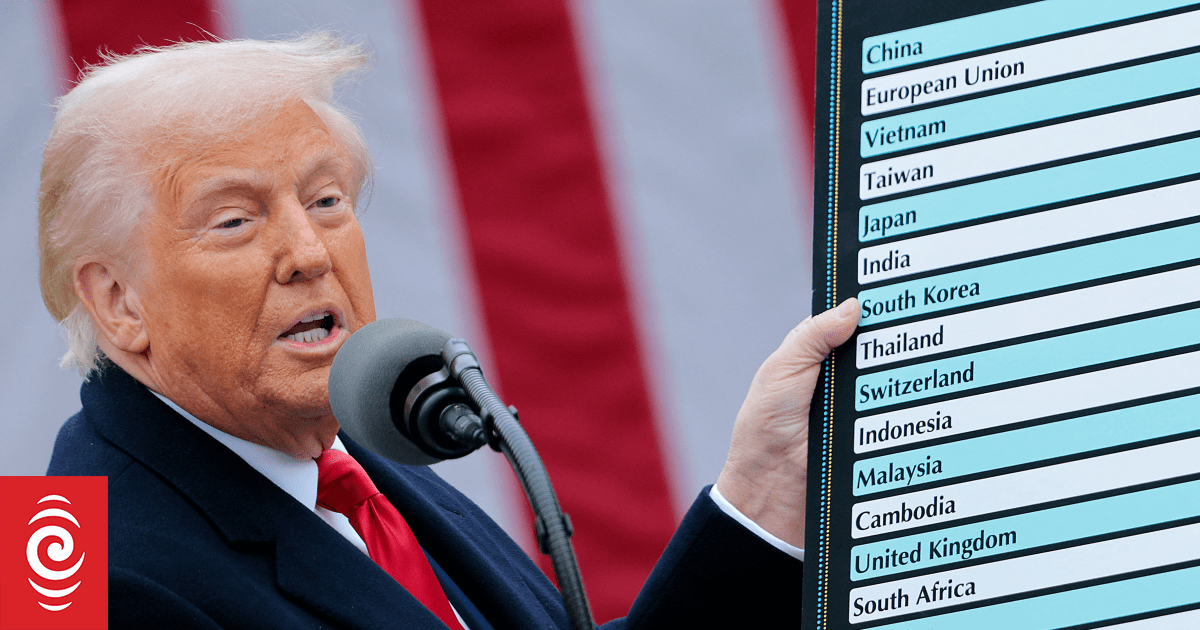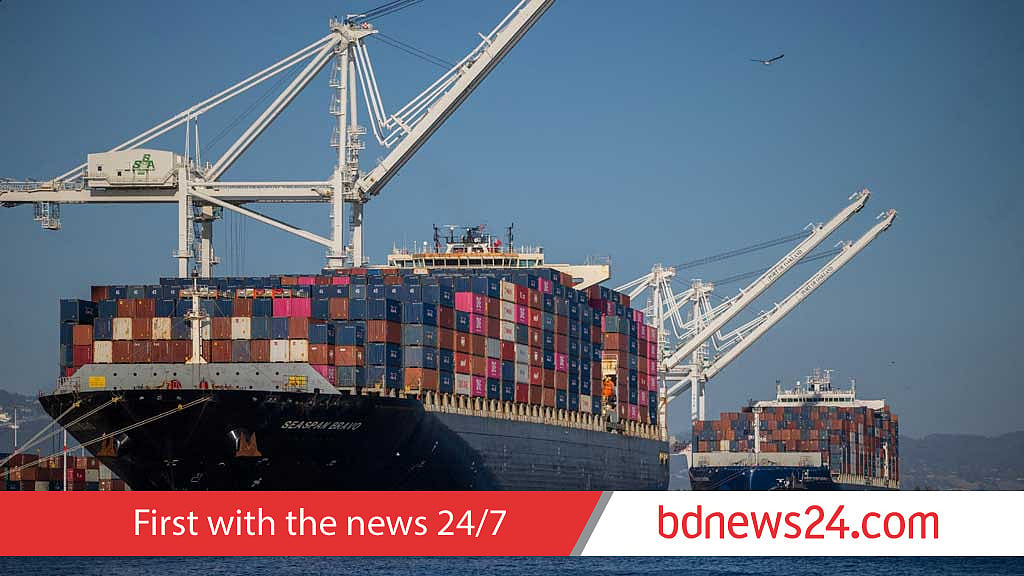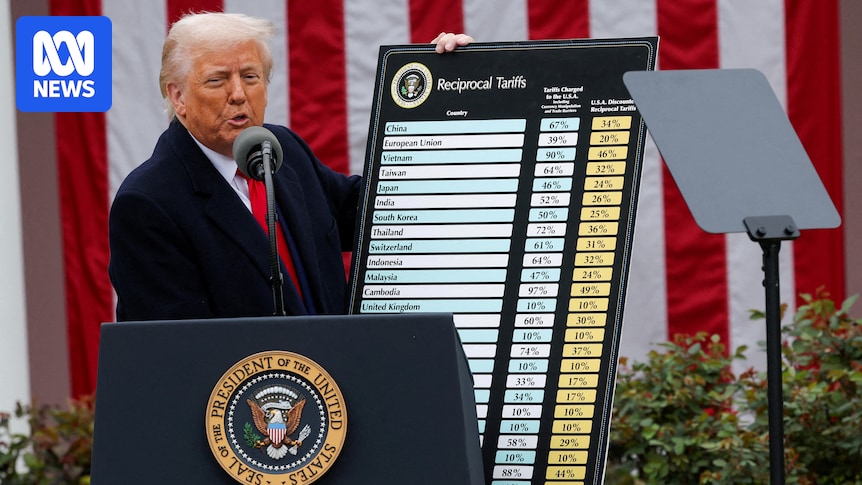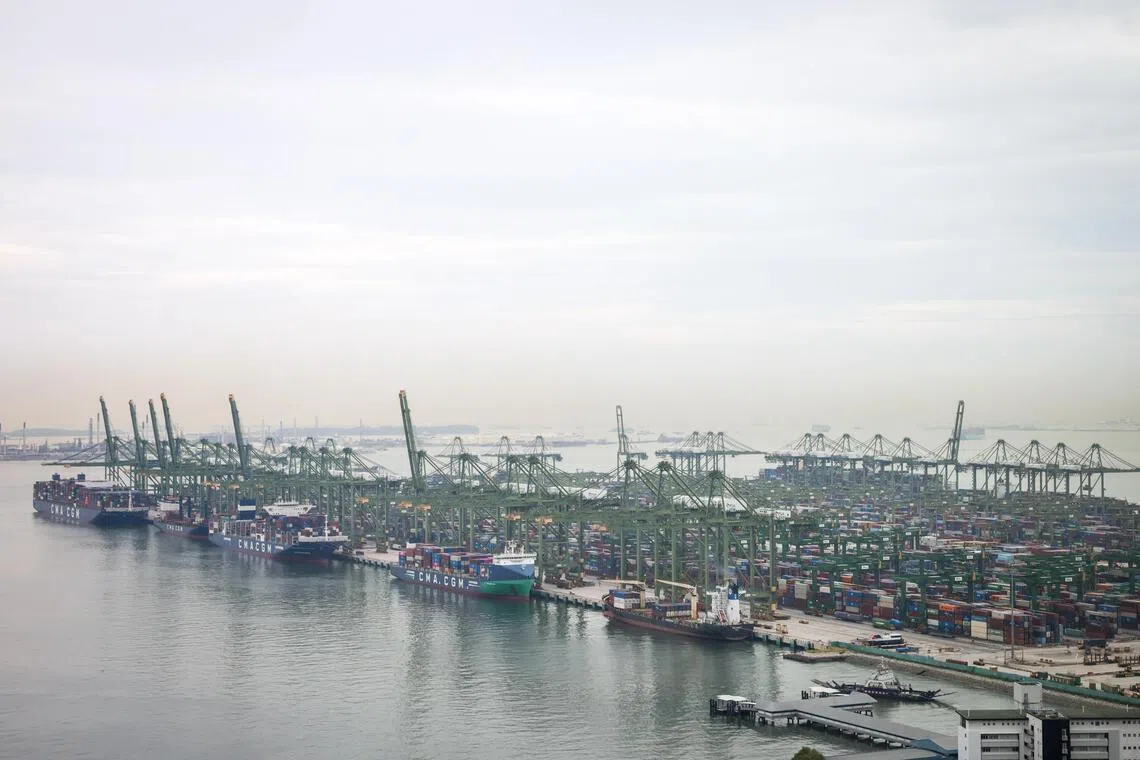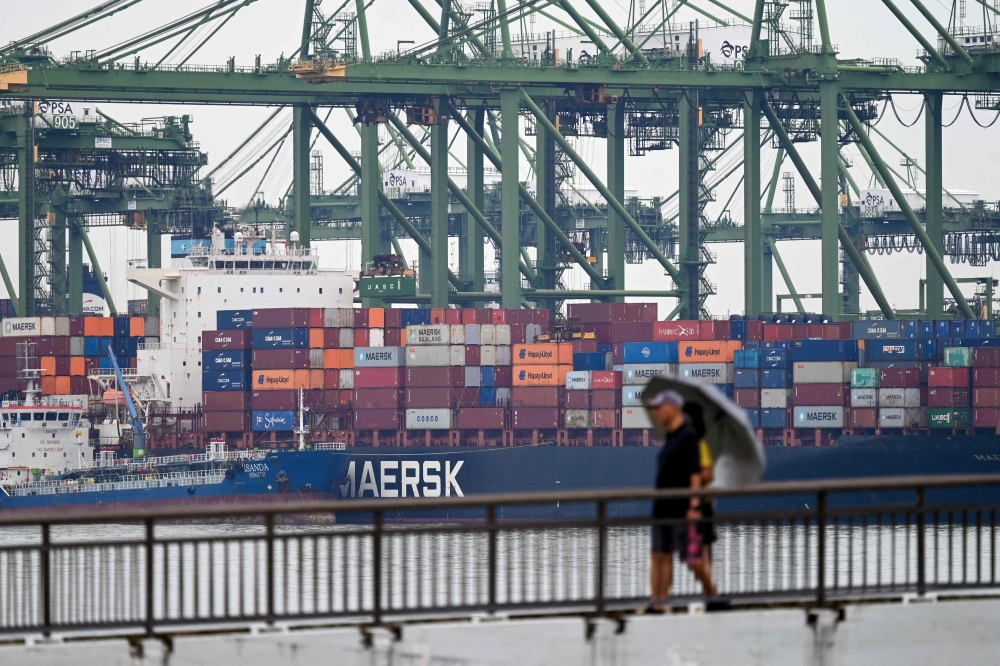
SINGAPORE – About one-third of Singapore’s domestic exports to the US will be subject to a 12.5 per cent duty when the new tariff measure pertaining to trade in “forced labour goods” becomes effective, said the Ministry of Trade and Industry (MTI).Some of the exports will remain exempted, such as energy and energy products, pharmaceuticals and pharmaceutical ingredients, certain electronics, certain aerospace products, semiconductors, and metals used in currency and bullion, a ministry spokesperson said in response to queries.The new tariff was proposed on June 2 by the Office of the United States Trade Representative (USTR), after its investigation found dozens of countries, including Singapore, to have failed to impose and effectively enforce a prohibition on the import of goods produced with forced labour.“Singapore does not condone the use of forced labour in supply chains and has a comprehensive framework to enforce against such illegal practises within our borders. There is also no evidence of Singapore’s role in the supply chains of goods associated with forced labour,” MTI said.“Forced labour is a transnational issue that requires international cooperation.”The spokesperson said the ministry had conveyed Singapore’s position to the USTR during their bilateral consultation, and “will continue to engage the agency constructively to explore options on this matter, and is assessing the impact of the proposed actions on Singapore’s exports to the US”.The spokesperson reiterated that Singapore, along with 15 other economies, is also subject to USTR’s investigations under Section 301 into the acts, policies, and practices relating to structural excess capacity and production in manufacturing sectors.The findings and proposed actions of this investigation and overall tariff rates that these economies might face have yet to be released.The new tariff and investigation into excess capacity are part of a series of measures initiated to impose new and harsher tariffs after the US Supreme Court in February struck down the legal basis of Trump’s signature reciprocal tariffs, imposed in 2025.The new tariffs will replace a 10 per cent global levy under Section 122 – imposed immediately after the court’s decision – when it expires in late July.The proposed tariff rates relating forced labour goods will only become effective after a process of public comments and hearings before a USTR trade panel. This will start in July and may take weeks, if not months.Experts believe the Trump administration used Section 301 of the Trade Act of 1974 as the legal basis for imposing the new tariff on trade in forced labour goods because it has no statutory expiration date or maximum percentage cap.Historically, measures imposed under this law have also proven far more resilient against judicial overturns.However, using the statute as a dragnet to apply blanket universal or multilateral tariffs to dozens of countries stretches the law beyond Congress’ intent. Hence, the experts anticipate immediate lawsuits once the tariff takes effect.Ovais Subhani is senior business correspondent at The Straits Times. He writes stories that demystify the latest economics, trade and finance news.
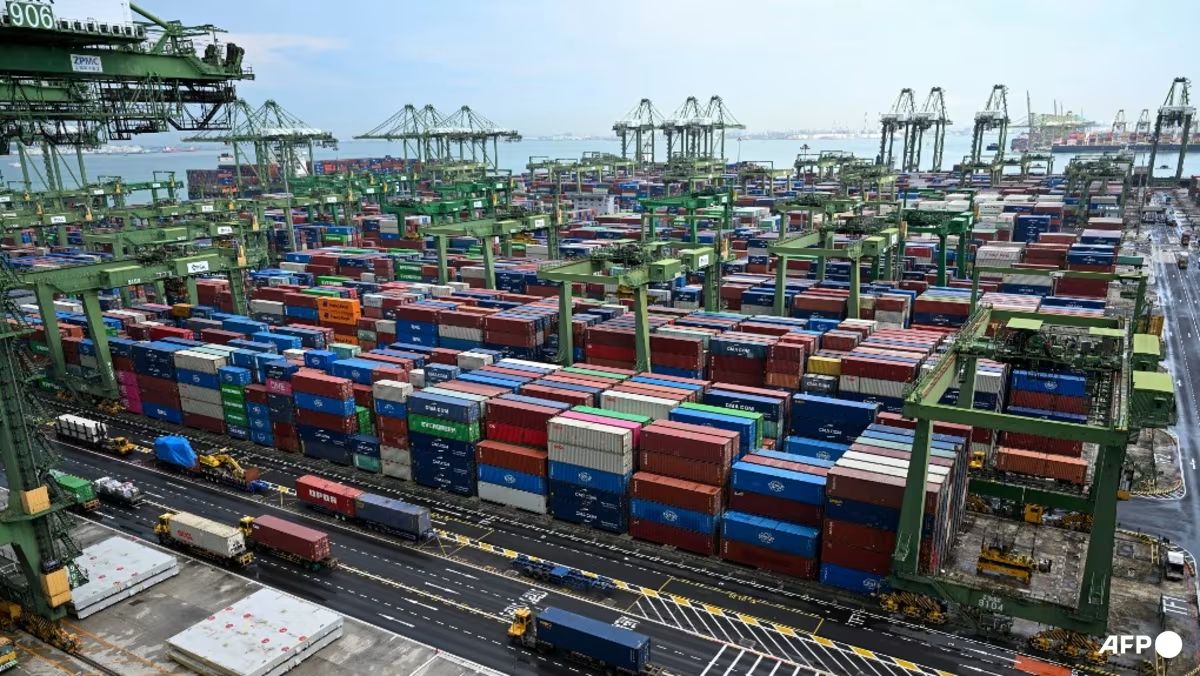
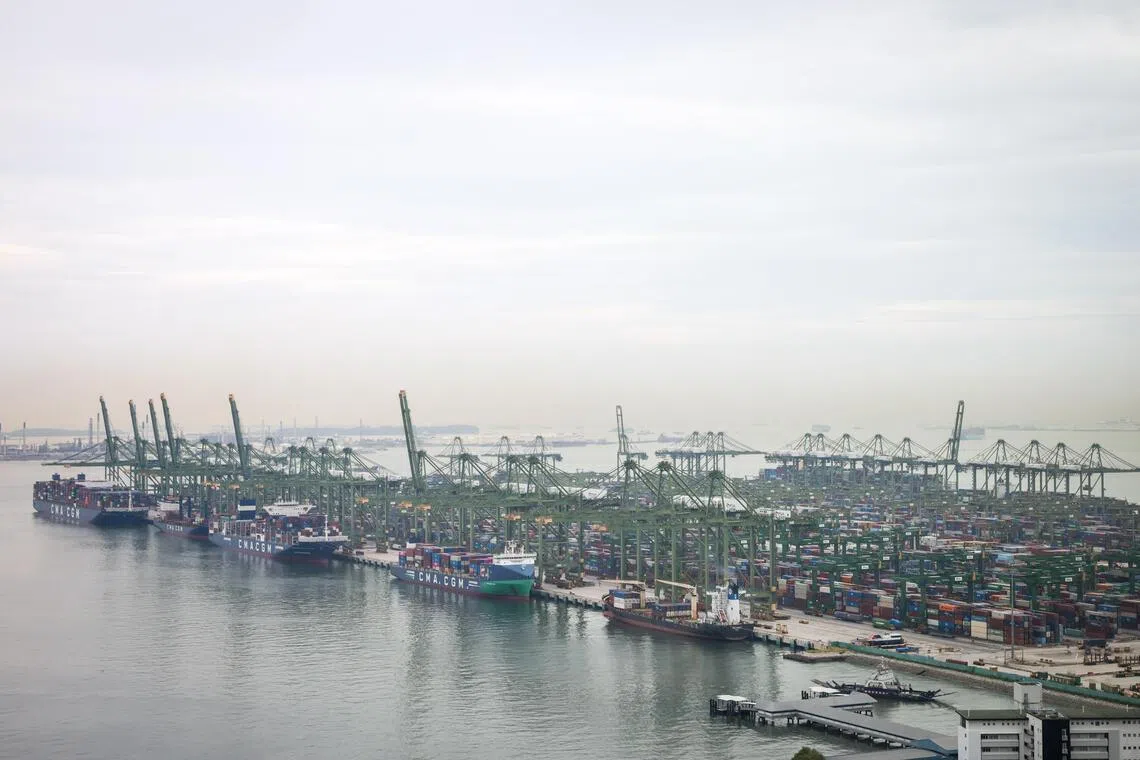
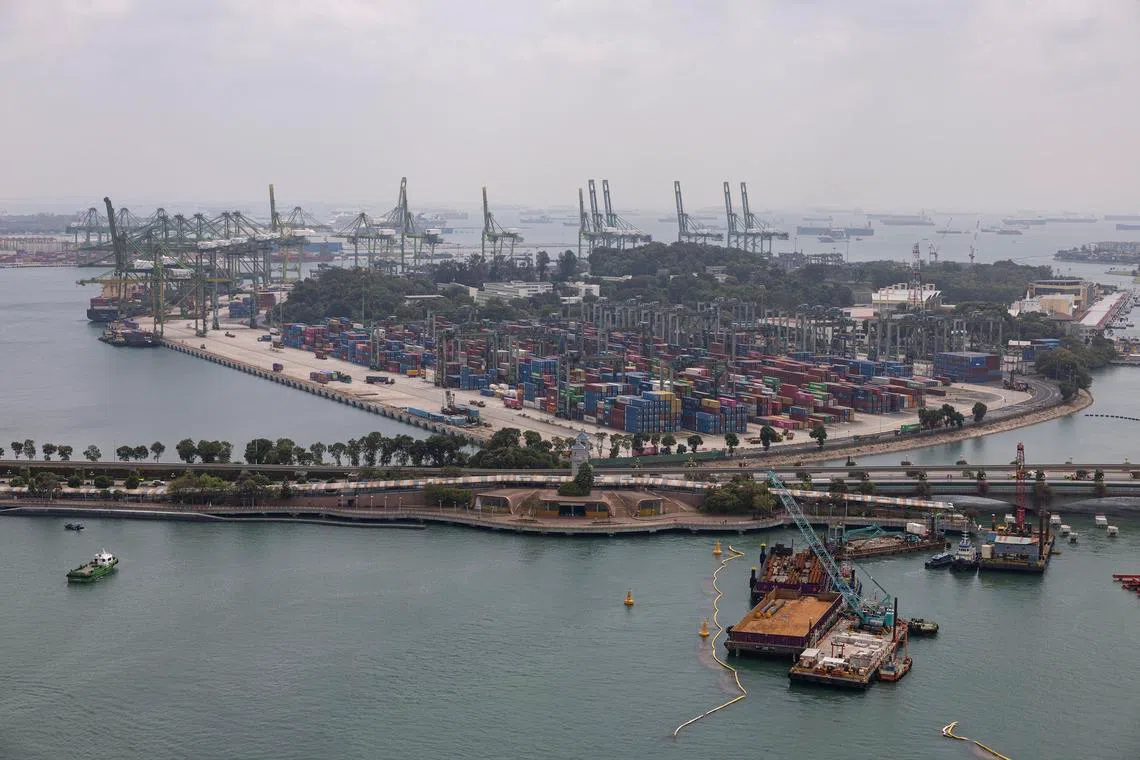
Trump tariff would cover one-third of S'pore exports to US
MTI states that new US tariffs on forced labour goods will impact one-third of Singapore's exports, with some exceptions. Read more at straitstimes.com. Read more at straitstimes.com.
489 words~2 min read