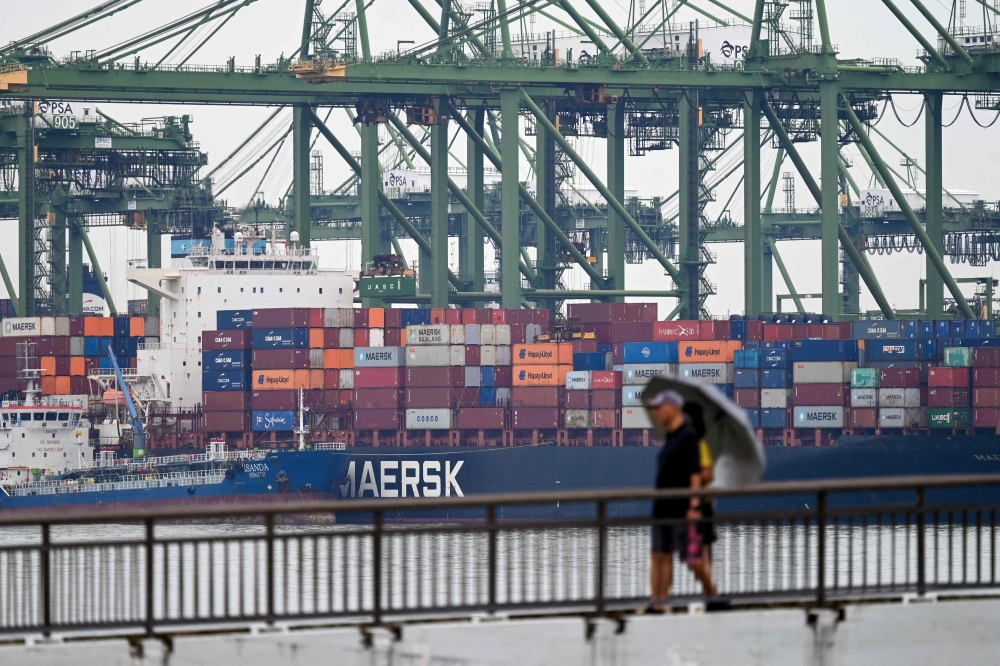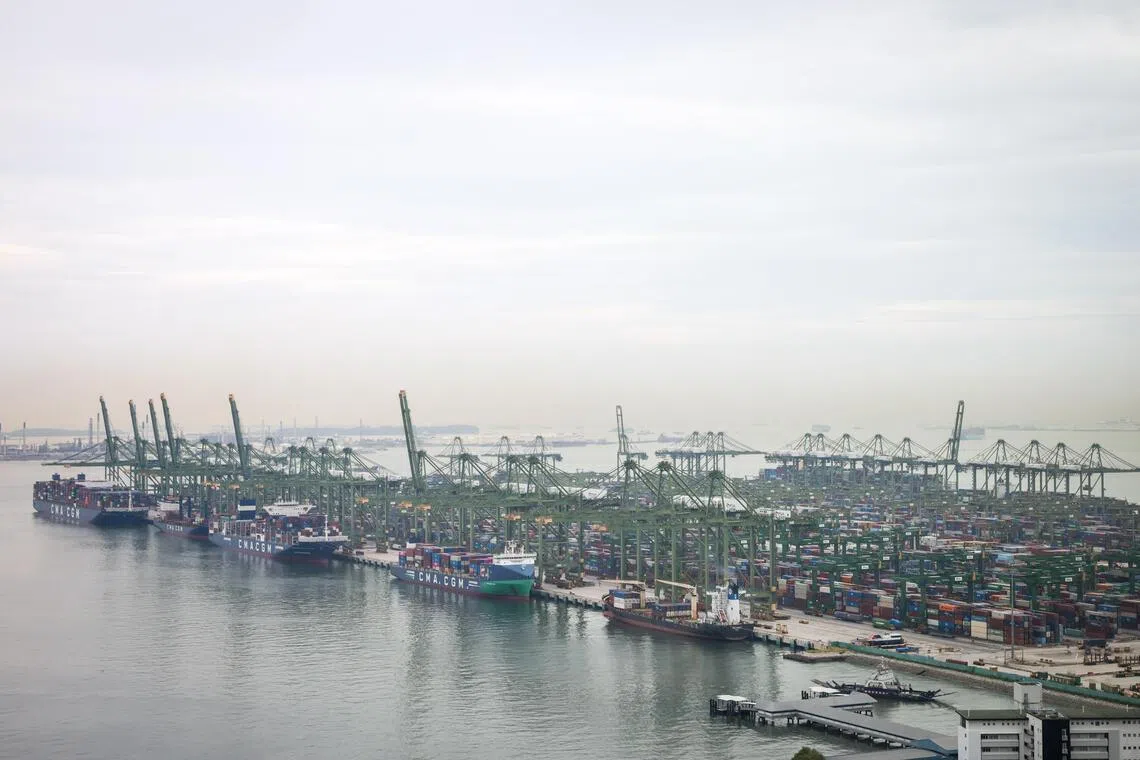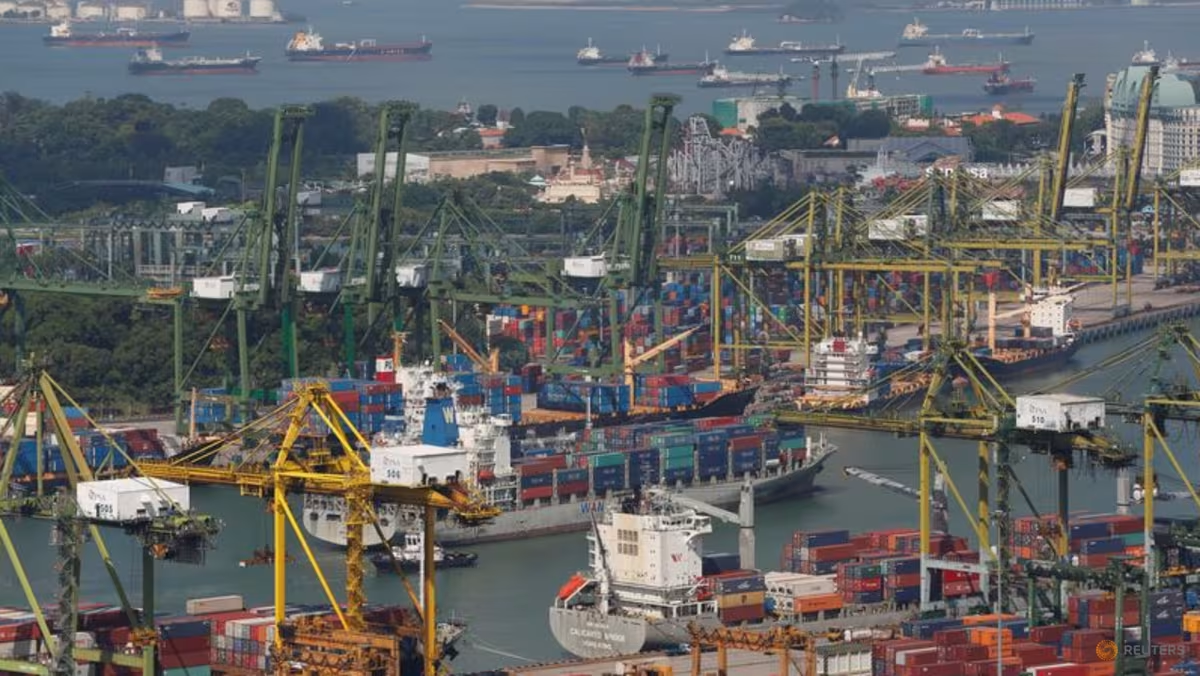
SINGAPORE: The United States is mulling new tariffs of between 10 per cent and 12.5 per cent on dozens of economies, including Singapore, following a probe into forced labour practices.Analysts said the move is part of Washington’s effort to rebuild broad tariffs after earlier measures were struck down in court.Washington on Tuesday (Jun 2) released results from investigations into 60 trading partners - among them China, Australia, the European Union, Japan, South Korea, Singapore and the Philippines - examining whether they act against imports of goods made with forced labour, and whether any shortcomings harm US commerce.All 60 economies could face fresh tariffs, the US Trade Representative (USTR) said. Singapore, for instance, may be hit with a 12.5 per cent levy.
How did the US arrive at these findings, and what do they signal about its broader trade strategy? Here's what you need to know.What were the investigation results?The USTR concluded that only six economies - Canada, Ecuador, the European Union, Indonesia, Mexico and Pakistan - have laws explicitly banning imports made with forced labour.The remaining 54 "failed to impose and effectively enforce" such prohibitions.The benchmark used was whether these economies have clear legal bans on forced labour imports and whether those bans are effectively enforced, said Ms Heather Hurlburt, an associate fellow at Chatham House and former USTR chief of staff. "It's worth noting that many countries have laws requiring disclosure of the use of forced labour in imported goods, or voluntary standards urging that goods made with forced labour be avoided," she told CNA."The Trump administration said those are not good enough."Based on these findings, the USTR has proposed tariffs ranging from 10 per cent to 12.5 per cent.Why is the US doing this?The timing is closely tied to looming legal and policy deadlines.Temporary 10 per cent tariffs imposed after the US Supreme Court struck down earlier "reciprocal" tariffs are set to expire on Jul 24."(The) USTR is accepting written comments and hearings surrounding their determinations until early July, which are likely to conclude just before the expiration date of the earlier, temporary tariffs," said Mr Kevin Chen, an associate research fellow at the S Rajaratnam School of International Studies.The forced labour probe, along with other ongoing investigations, is aimed at re-establishing broad US tariffs on a stronger legal footing, said Ms Hurlburt.This is something Trump has said "explicitly", she added.“There is little doubt” that the move is part of a wider tariff strategy, said Mr Chen, pointing to comments by US Treasury Secretary Scott Bessent after the Supreme Court struck down the "Liberation Day" tariffs."Bessent noted how the Section 301 tariffs and other statutes would be used to ‘get us back to the same tariff level’," said Mr Chen."In fact, while we are still waiting for the results of the excess capacity investigation, Vietnam was recently announced as the subject of a fresh Section 301 investigation into intellectual property rights," he said."We can expect more of such investigations … to emerge over the coming months."Ms Hurlburt agreed, noting that US Trade Representative Jamieson Greer has said that "the president’s trade policy remains the same".Ms Deborah Elms, head of trade policy at the Hinrich Foundation, shared similar sentiments."I think that this is less of a serious investigation and much more of a way for the US to rebuild its tariff wall that was reduced when the Supreme Court overturned Trump's first attempt at building new tariffs," she said.