Introduction: Error Handling, The Dark Side of Software
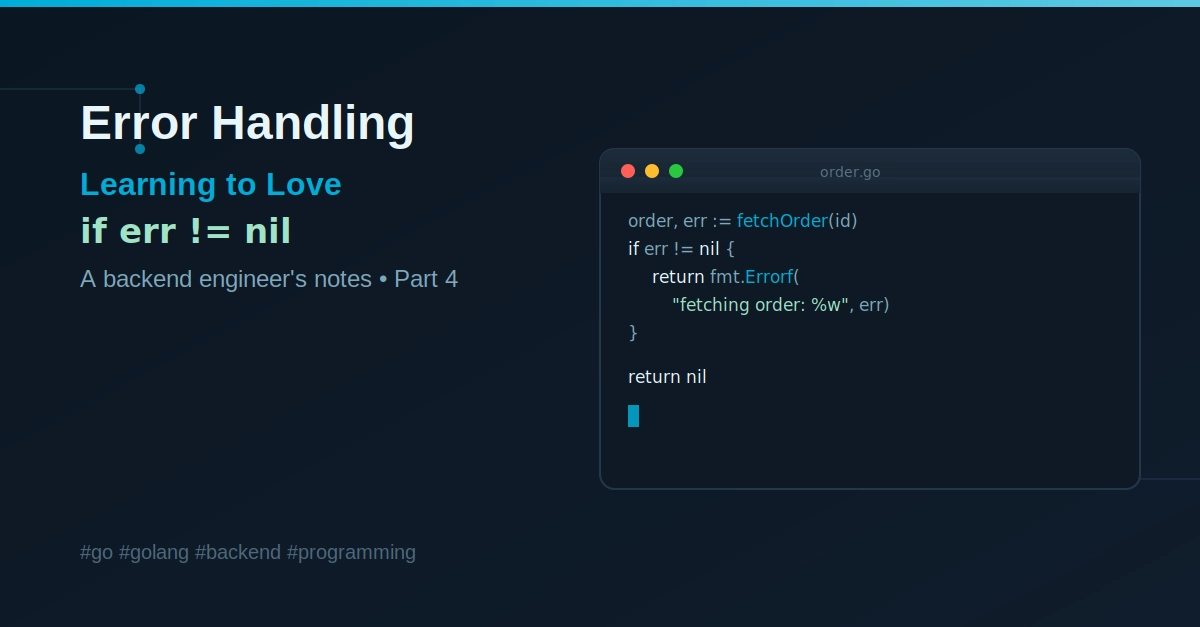
In my software development journey, I've seen countless times that writing error-free code is an illusion. The real challenge isn't preventing errors from occurring, but rather how we manage them when they do. This is a critical topic that directly impacts a system's stability and reliability.
When it comes to error management, we encounter two main approaches: return codes and exceptions. While both serve the purpose of reporting and handling errors, they differ significantly in their implementation, impact on code, and performance characteristics. Understanding these differences in depth has always guided me in deciding which method is more appropriate for which scenario.
Difference 1: Impact on Flow Control and Code Readability
Return codes are values returned by a function to indicate whether it completed its task successfully or encountered an error. This is typically done with an int or enum type; 0 represents success, while other values represent specific error conditions. With this method, the calling code must always check the return value and take action accordingly.