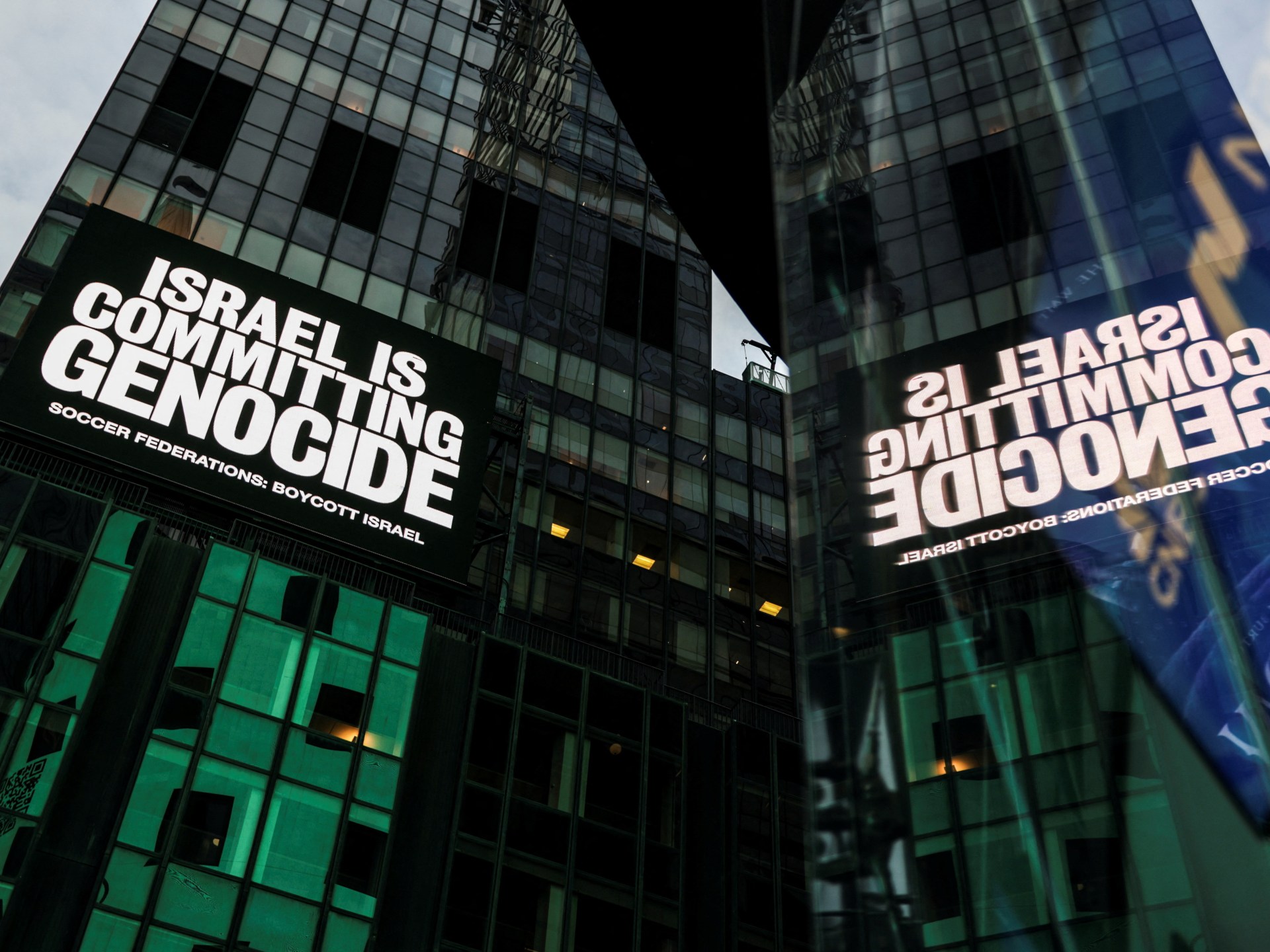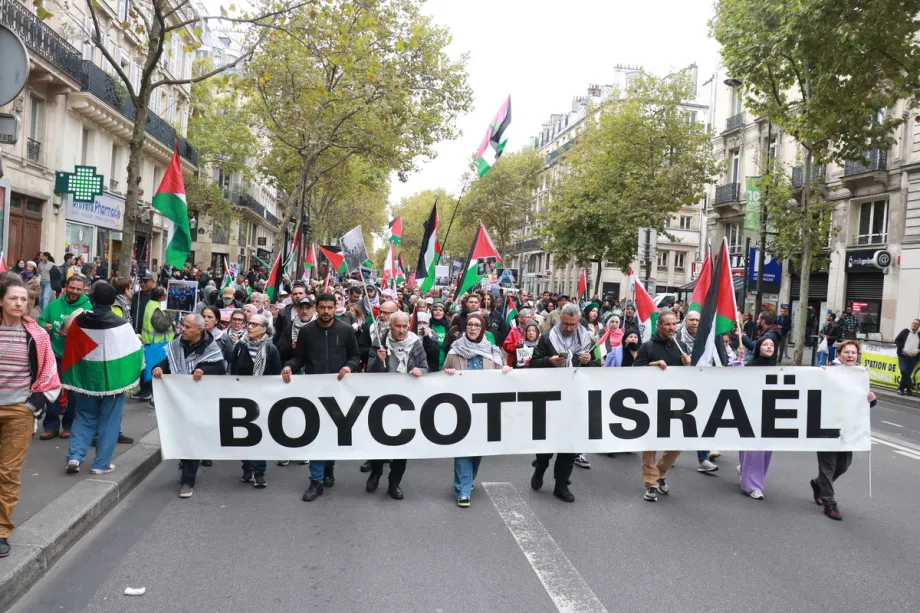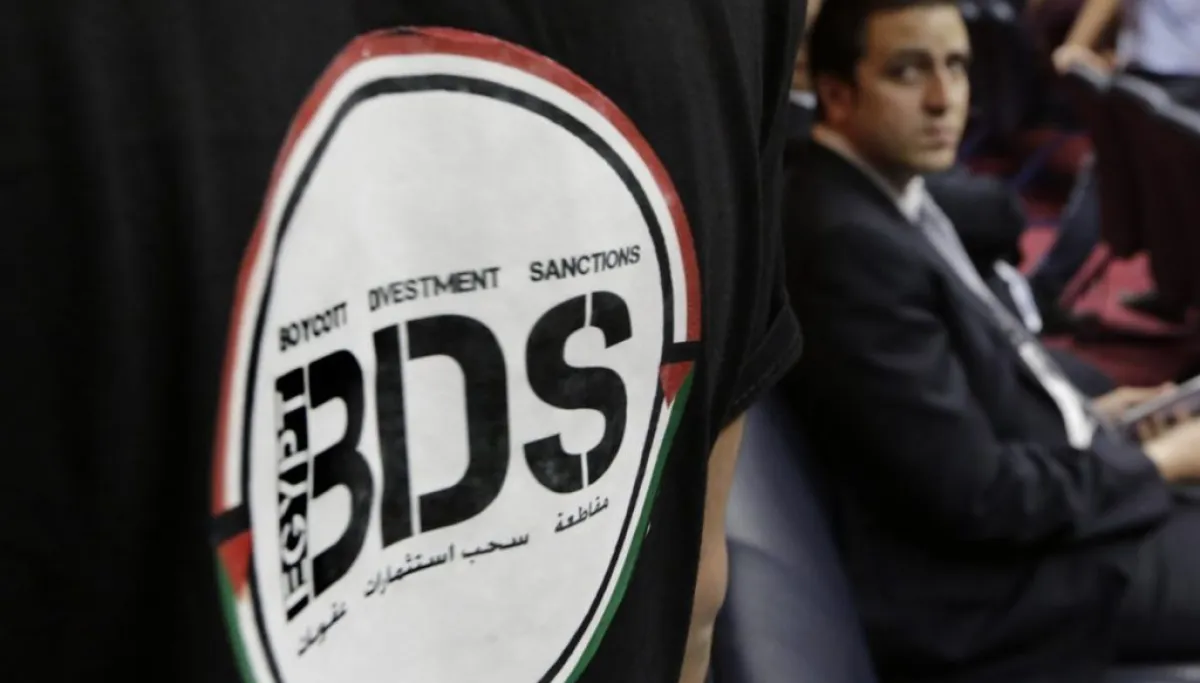
What does it actually mean to boycott Israel in 2026? For a movement dedicated to isolating the Jewish state, BDS faces a growing problem: Israel has become one of the world’s leading centers of innovation, helping power everything from cybersecurity and medicine to the technology millions rely on every day.From student government resolutions and campus demonstrations to social media campaigns and political races, the Boycott, Divestment and Sanctions movement, known as BDS, has positioned itself as a moral cause for a new generation.For more than two decades, the BDS movement has sought to isolate Israel through economic pressure, consumer boycotts, and institutional divestment. The reality is that the world in which BDS was conceived no longer exists.
‘NO DEFENSE, ONLY OFFENSE’: AMERICA’S GROWING ANTISEMITISM PROBLEM REQUIRES MORE THAN SILENCE
There is just one problem: The movement’s central premise no longer aligns with reality.
In 2026, a meaningful boycott of Israel is virtually impossible. Israel is too deeply woven into the global economy, too integrated into the technology people use every day, and too essential to industries ranging from cybersecurity to medicine. The modern BDS movement asks supporters to reject a country whose innovations they continue to rely on daily, often without realizing it.