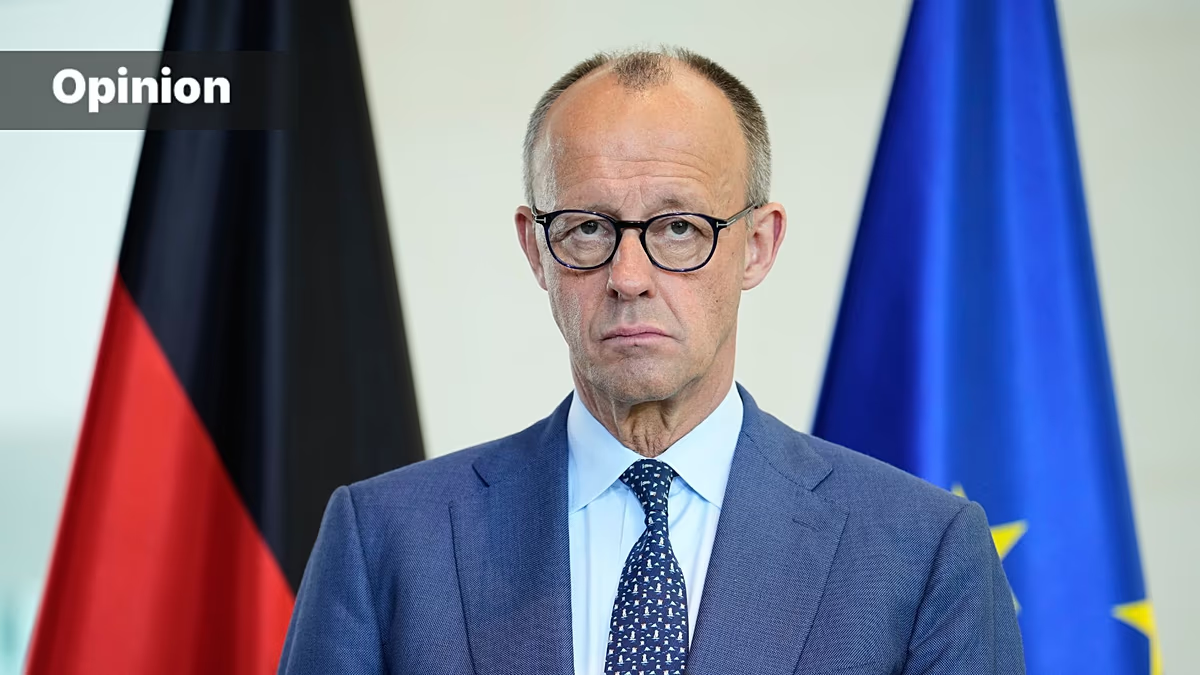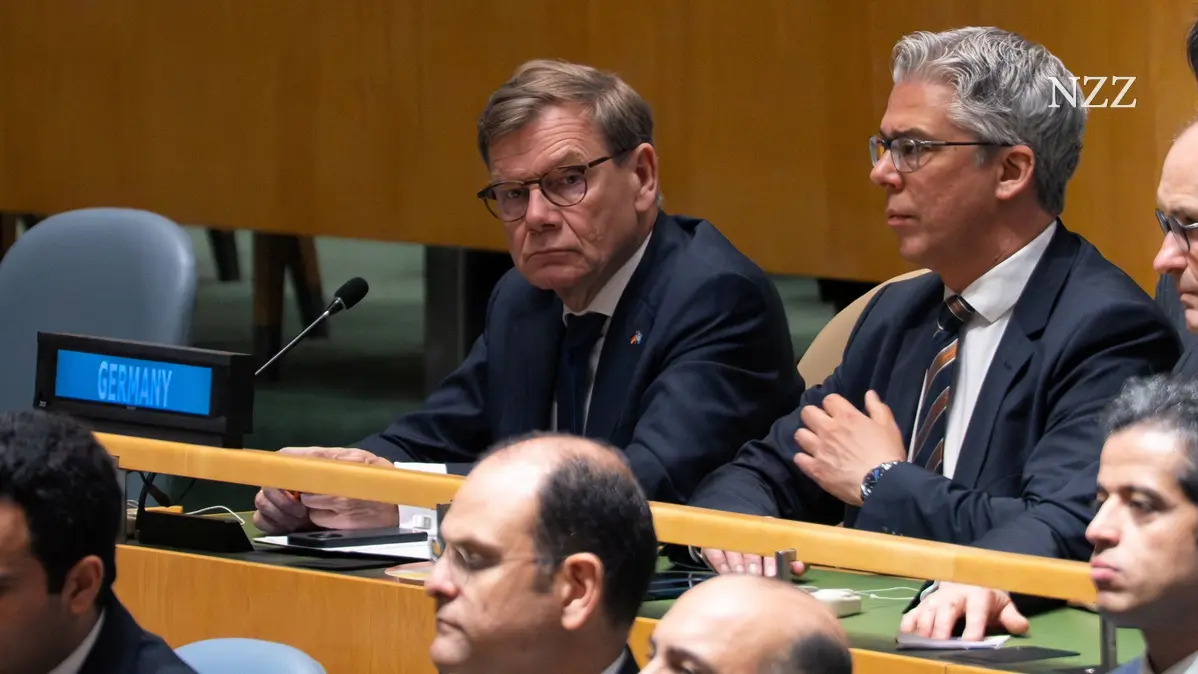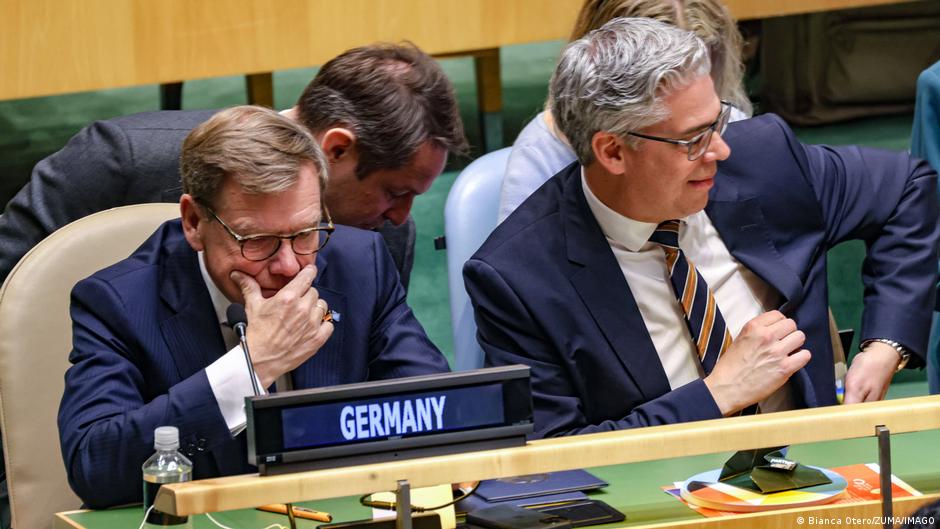
After 16 years of Angela Merkel, marked by major policy mistakes in energy, economic, and migration policy, followed by three disastrous years of a dysfunctional coalition under Olaf Scholz, Friedrich Merz's government is now drifting towards a historic low point.
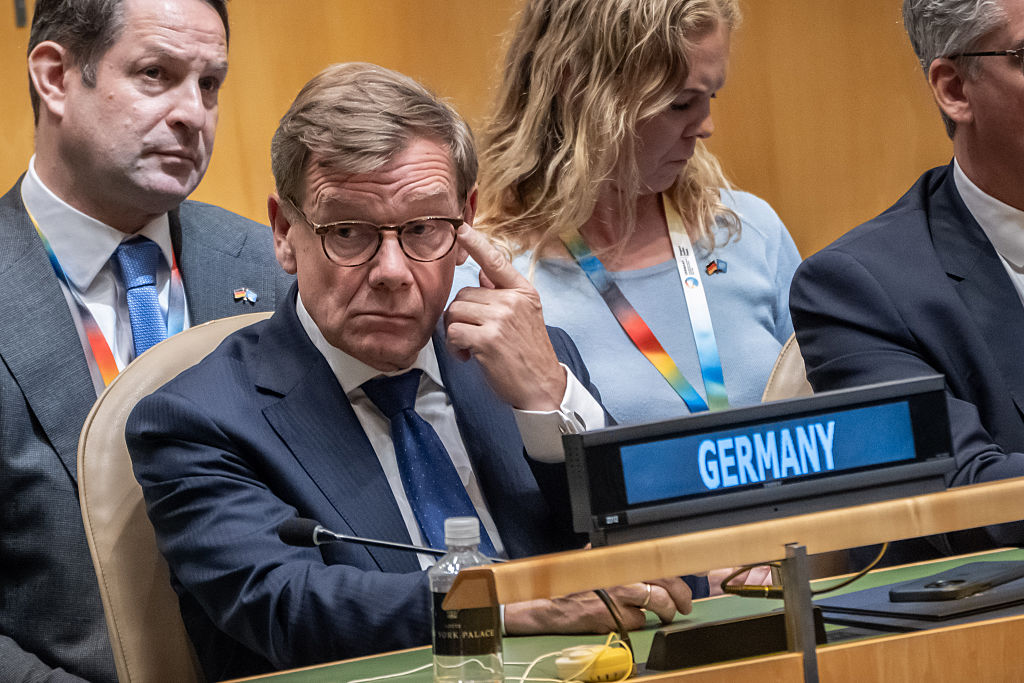
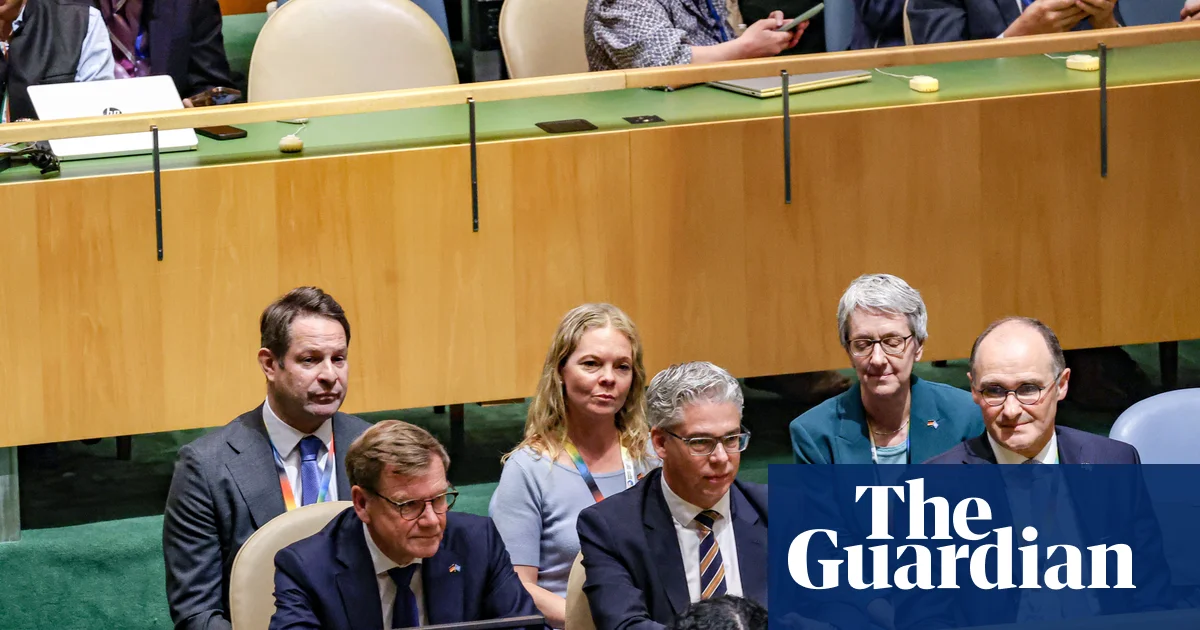
Germans might still find ways to rationalise the fact that the international community placed more trust in much smaller countries such as Portugal and Austria than in Germany, Europe's leading power. Portugal has many friends around the world, enjoys considerable goodwill in Africa, and the UN Secretary-General is Portuguese. But the fact that neighbouring Austria has received significantly more votes is both a humiliation and a reality check.
Germany has evidently lost trust and squandered credibility. Politically, it is no longer taken seriously. Economically, it is increasingly seen as a declining power. Praise is now largely confined to its past achievements, as "Made in Germany" is increasingly associated with high costs and inefficiency. Germany has become an old-people's home and a museum for a world that no longer exists. Yet it should be the engine driving Europe's future.
If Germany cannot get back on its feet, the EU itself will be in danger