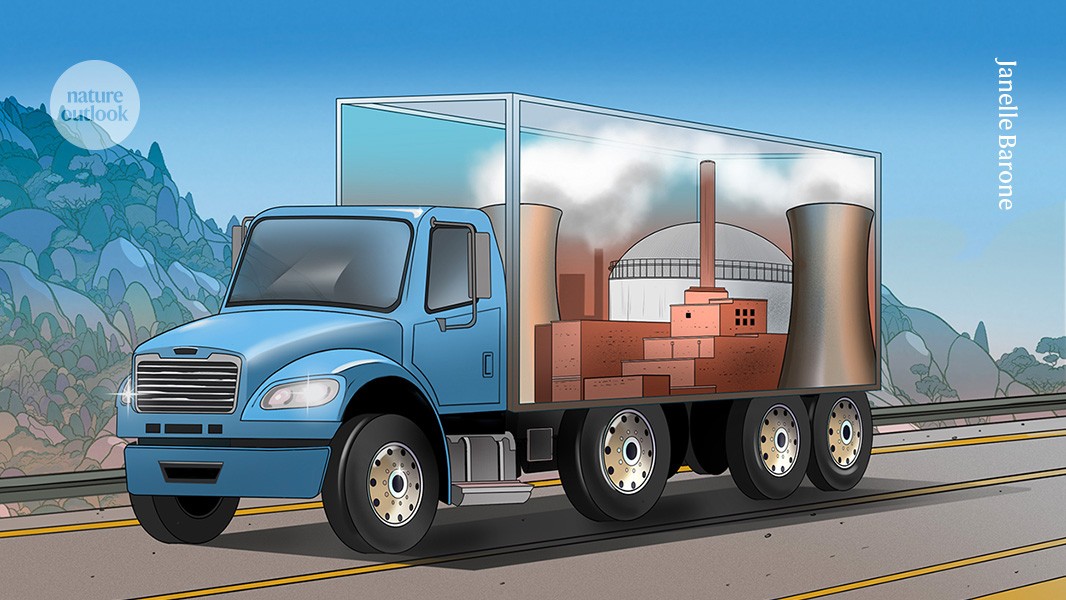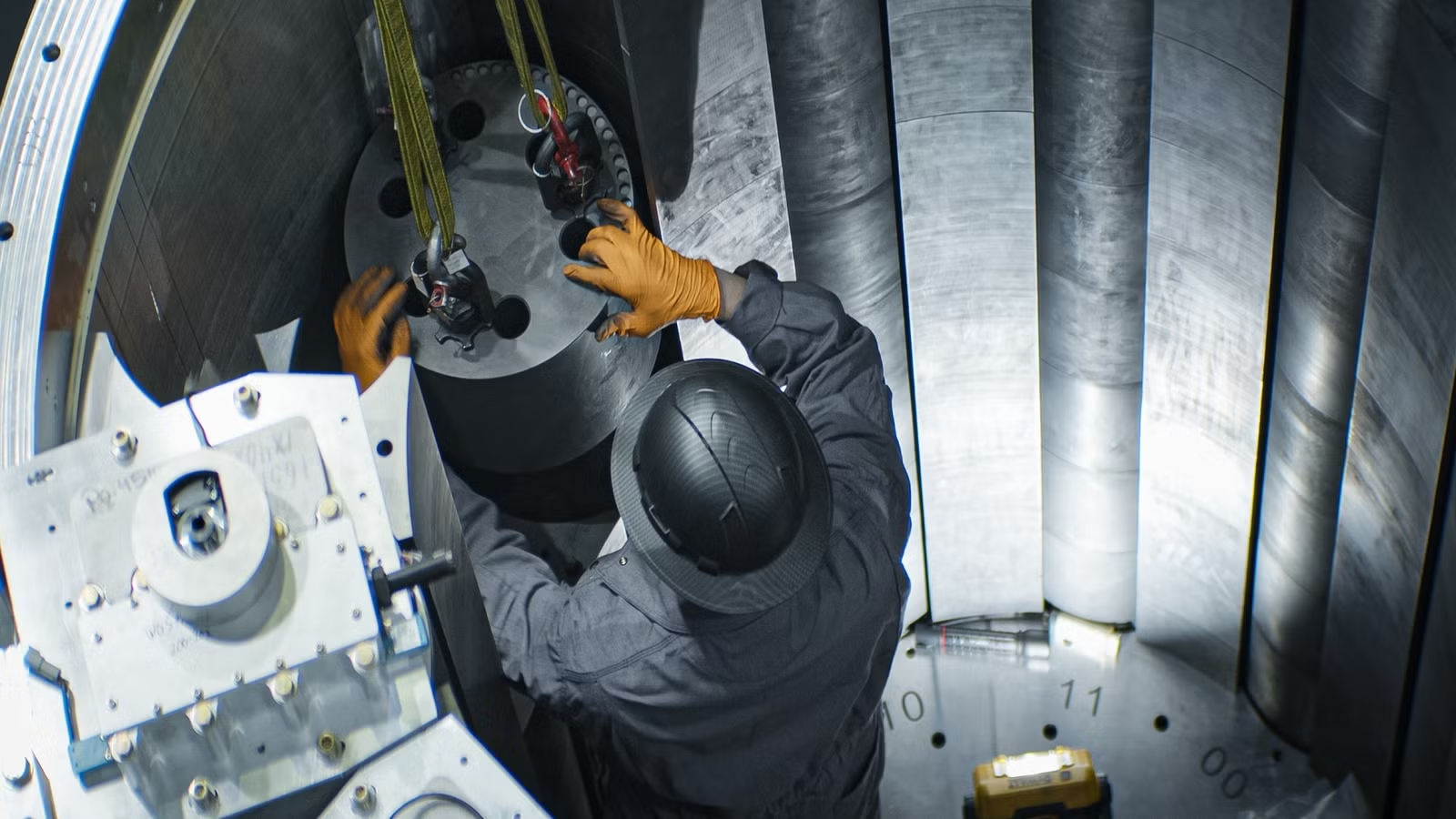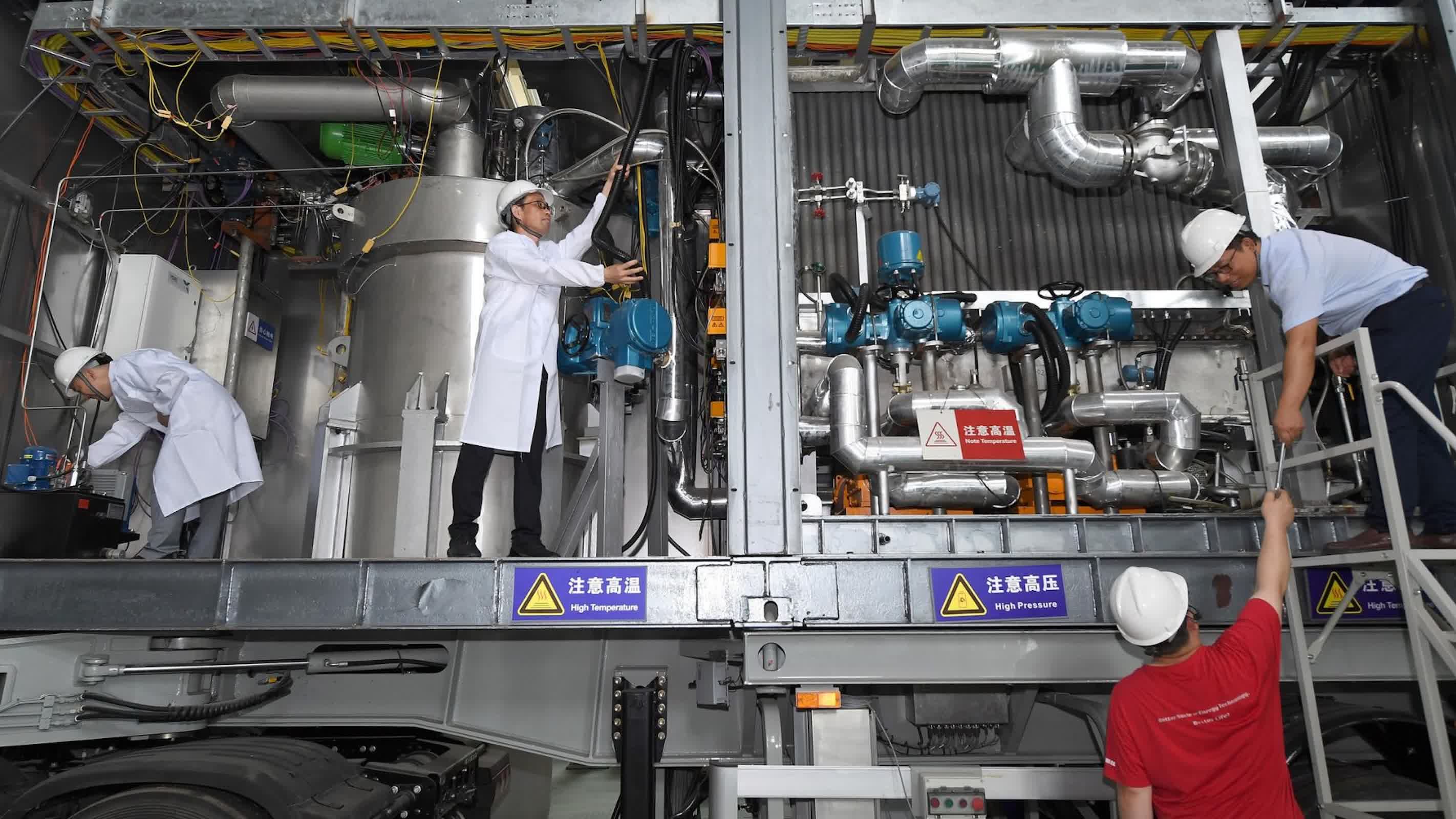
FORWARD-LOOKING: Engineers in China are testing a nuclear reactor designed to move with the load it serves, rather than sit on a fixed grid connection. The prototype, developed at the Hefei Institutes of Physical Science, delivers up to 10 megawatts of output from a unit mounted on a truck bed, a scale that can support a mid-sized AI data center.
The project is led by Wu Yican at the Institute of Nuclear Energy Safety Technology, who has described the system as a first-of-its-kind mobile nuclear unit. "Our team has built the world's first 10-megawatt vehicle-mounted nuclear power bank engineering integrated simulation test prototype," Wu told Science and Technology Daily. "The application of this technology can free people from 'battery anxiety.'"
Instead of being fixed in a single large plant, this design is built for mobility and long-term operation. Developers say the reactor can run for decades without refueling, putting it in the same category as other compact, long-life nuclear designs rather than traditional plant-scale units. Portability and long service life are central to the pitch, especially for off-grid and hard-to-reach locations.
The unit's 10-megawatt rating puts it well above micro-scale nuclear batteries but far below full-scale commercial reactors. That level of output is enough to support steady, high-demand uses such as computing or industrial loads. Wu has highlighted artificial intelligence computing as a key use case, arguing that it depends on stable and uninterrupted power. In that context, nuclear power is presented as a steady baseload supply, unlike intermittent renewables.