In 2026, the real proving ground for humanoid robots may be narrower than the demos suggest: specific roles with clear responsibilities, measurable outcomes, and customers willing to pay.
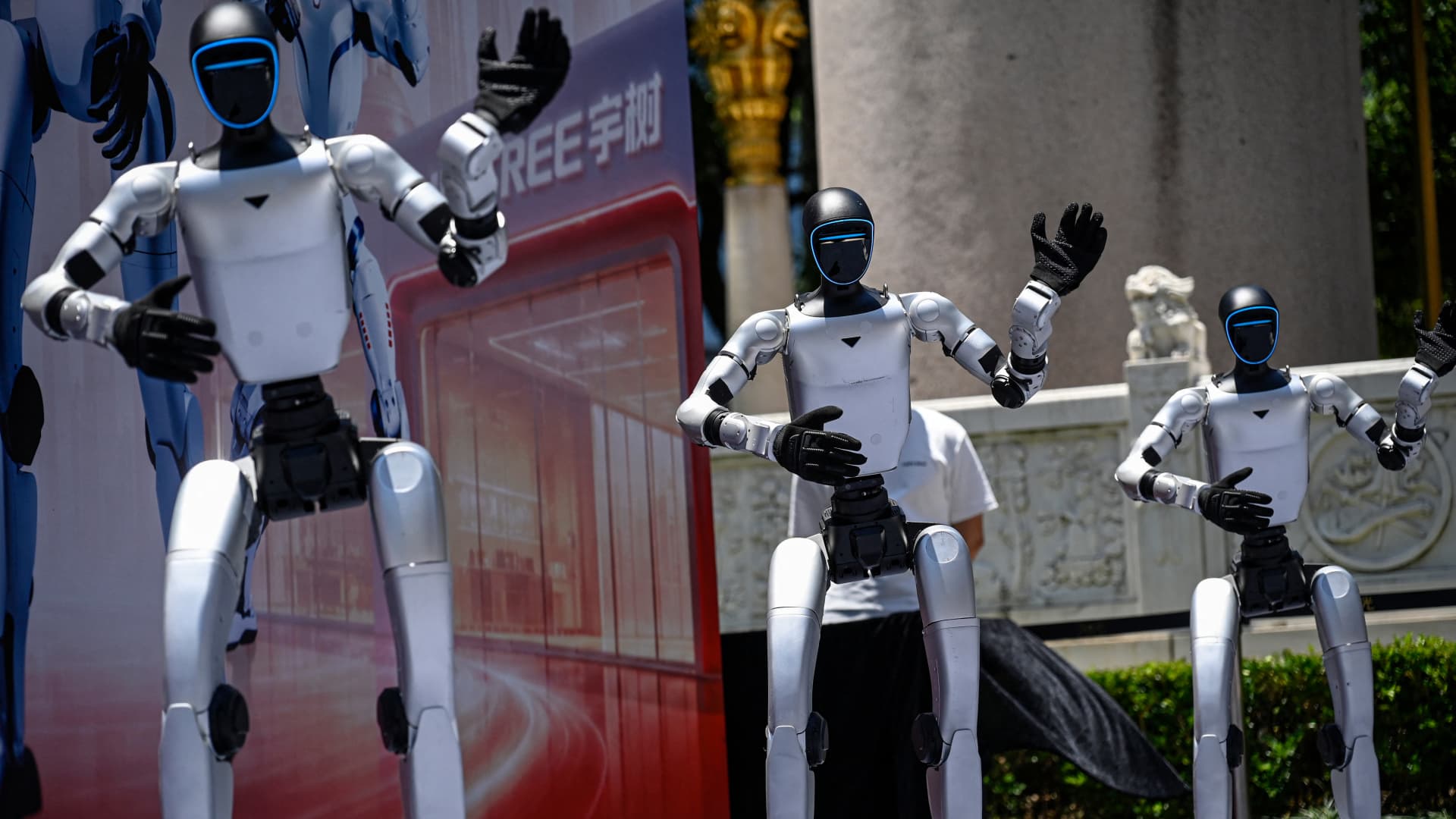
The embodied intelligence sector has drawn heavy investor attention this year. Financing announcements have filled industry feeds, while bipedal, wheeled, and biomimetic robots have appeared on event stages kicking soccer balls, dancing, and performing other polished demonstrations.
Behind those displays is a more difficult question: how many of these robots can do useful work at scale? Many companies are still focused on making robots look and move like humans. The commercial path, one that supports scaled delivery, produces clear returns, and keeps robots reliably on the job, remains less certain.
Keenon Robotics, which has spent 16 years in embodied intelligence, is offering its answer.
On May 25, Keenon’s compact humanoid robot, Xman-L1, debuted at a streetwear brand event. The launch filled a gap in its humanoid lineup: full-size humanoid robots carry core service capabilities, while compact humanoid robots add lightweight interaction and motion performance.