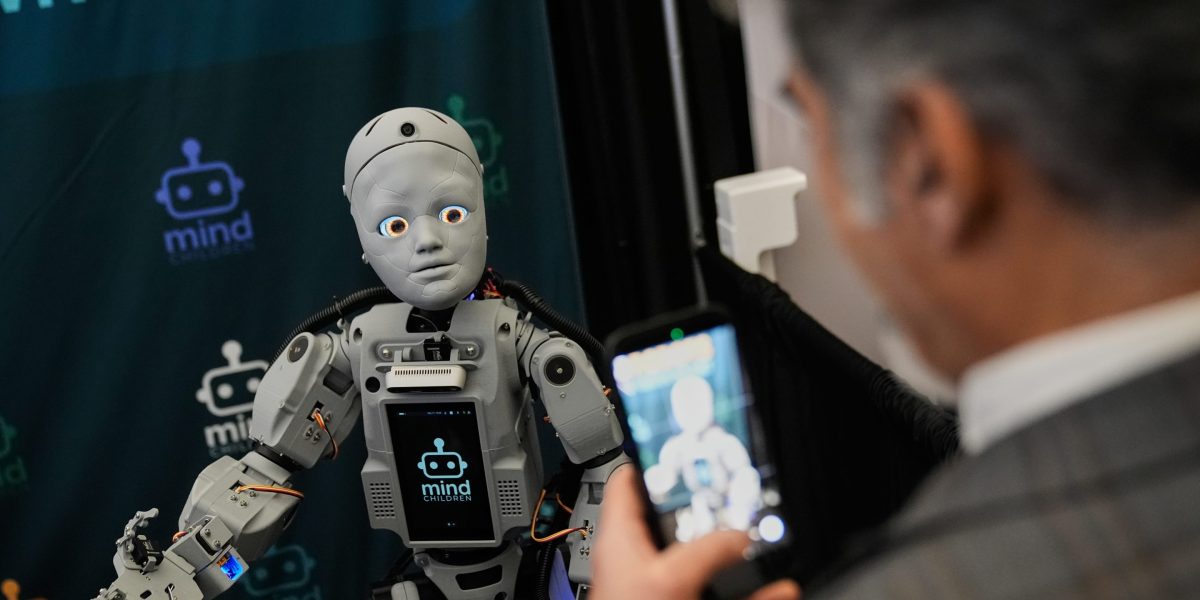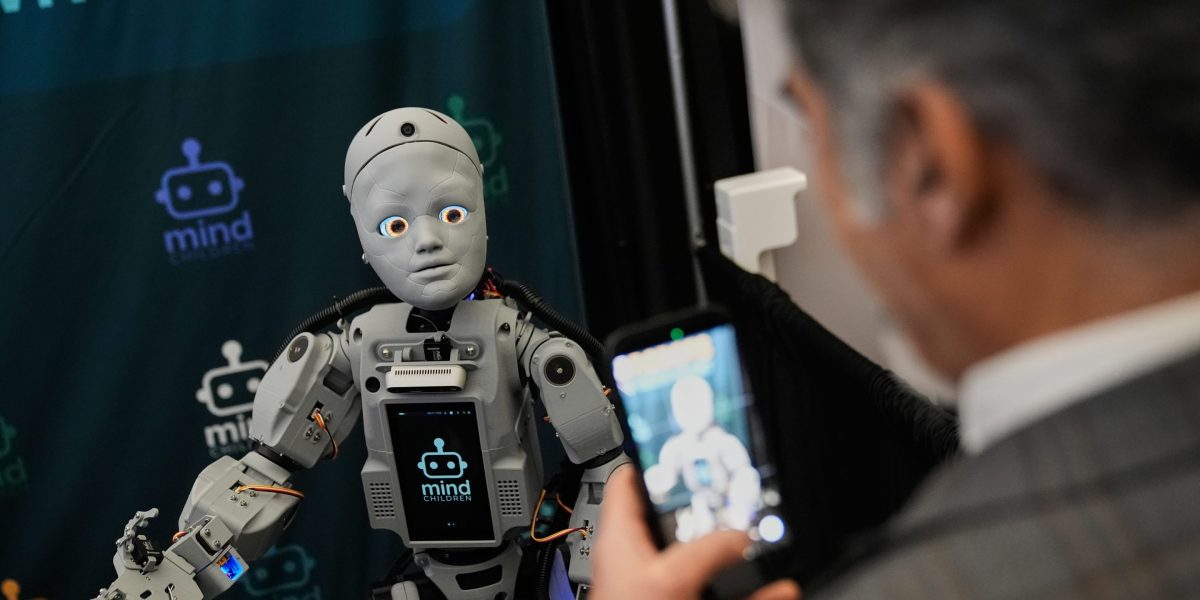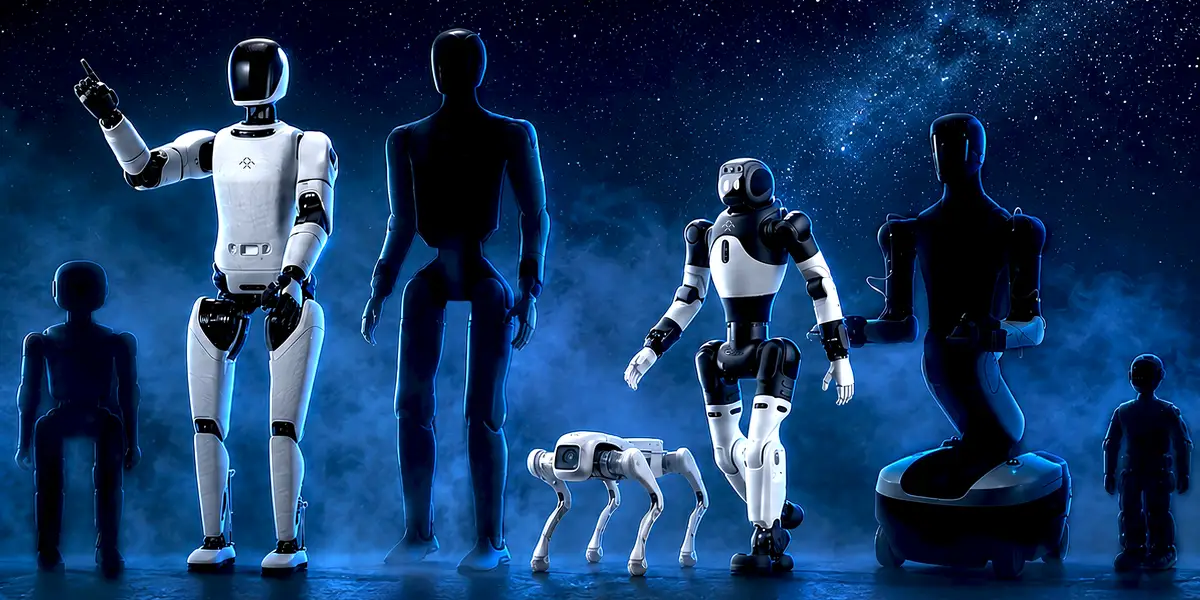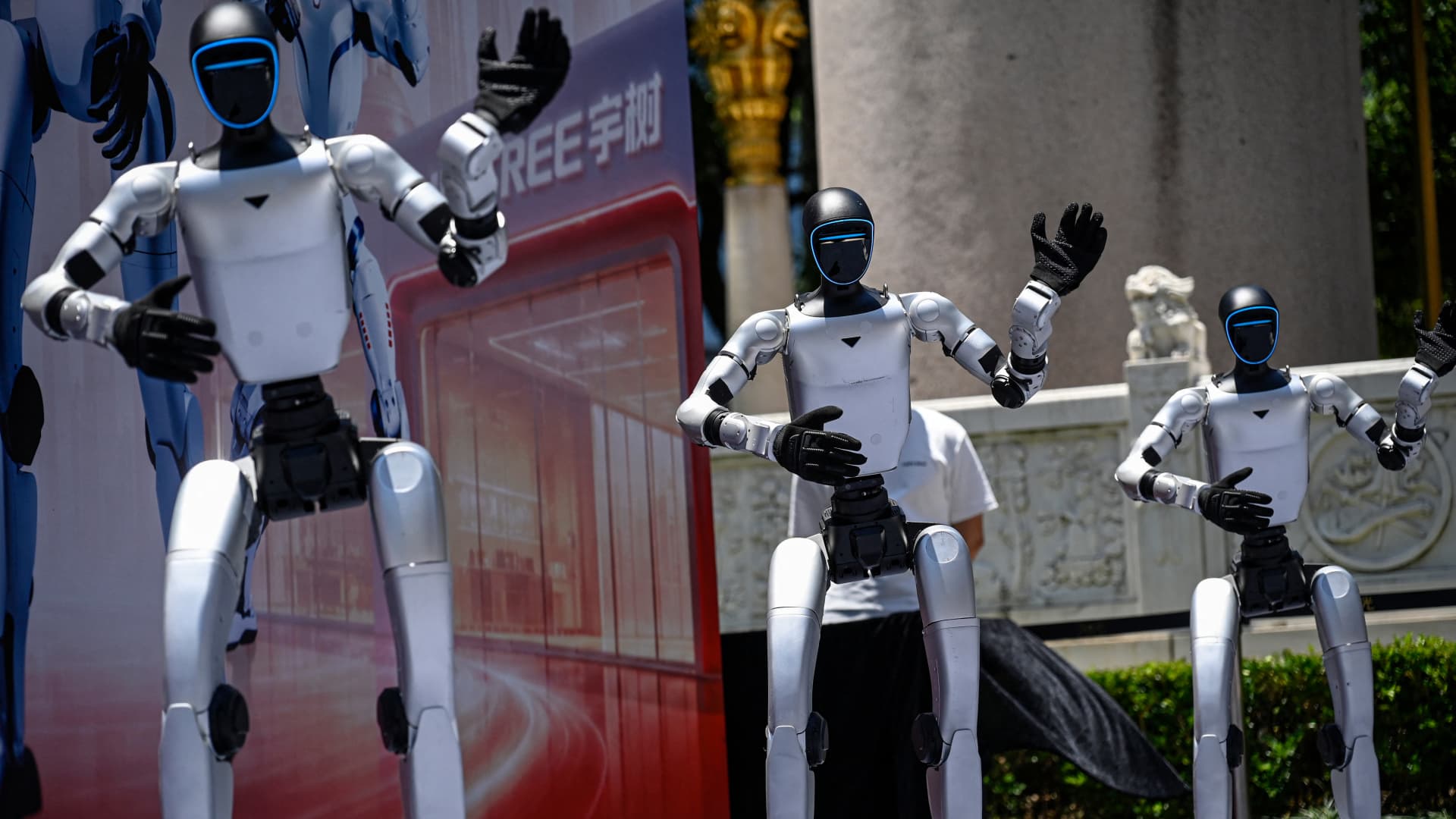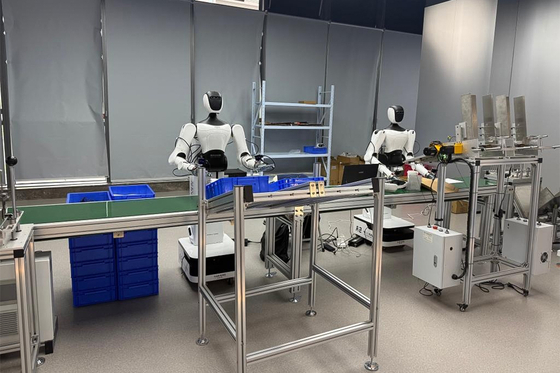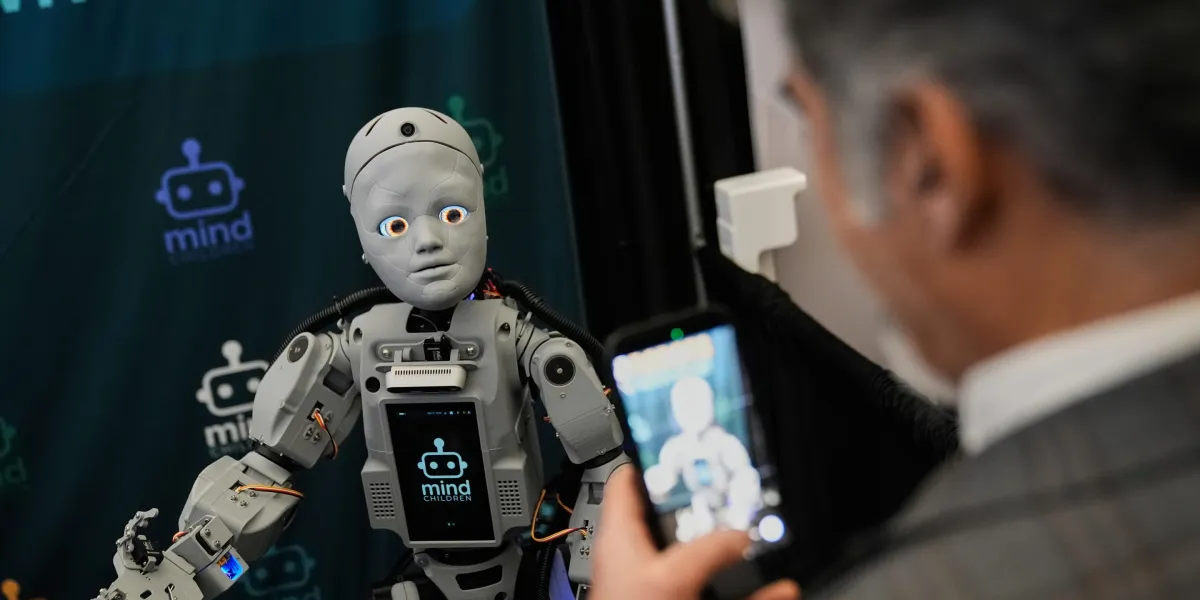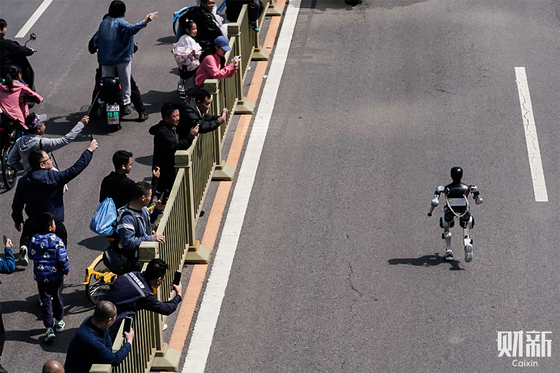
Investors in China's tech startup ecosystem are increasingly cautious about backing humanoid robotics ventures, despite the industry's visibility through high-profile demonstrations and claims of rapid progress. Industry experts highlight that current humanoid robots often lack commercially viable applications and are predominantly used for entertainment rather than in household or industrial settings, where they fail to deliver tangible productivity gains. Wu Shichun, a founding partner at Plum Ventures, explained that truly useful robotics to date are those with clear, practical use cases, such as robotic vacuum cleaners or aerial drones, not humanoid robots that mimic human behavior for spectacle[para. 1][para. 2][para. 3].The popularity of companies like Unitree Robotics, which rose to prominence after its robots performed at nationally televised events and subsequently raised around 1 billion yuan ($138 million), underscores the public fascination with humanoid robots. However, even such viral moments have not convinced seasoned industry players of the sector’s immediate commercial potential. Joe Tsai, chairman of Alibaba, expressed skepticism at the Beyond Expo, questioning the practicality of humanoid robots and noting that many scenarios would still prefer human interaction over robotic substitutions[para. 4][para. 5][para. 6][para. 7].Cautionary voices, like Allen Zhu Xiaohu of GSR Ventures, warn of a speculative bubble, pointing to inflated valuations and a lack of sustainable commercial customers, with most current buyers being research institutions or government entities for exhibition purposes. Ownership claims and mass production deals are often exaggerated, as some firms "gift" robots to partners instead of making real commercial sales. Venture capitalists predict that established giants like Xiaomi and Huawei, leveraging superior resources and distribution networks, may eventually dominate the field once the technology matures[para. 10][para. 11][para. 12][para. 13].Despite skepticism, the global and Chinese humanoid robotics industries have seen an investment surge. Global funding grew from $308 million in 2020 to $1.1 billion in 2024, fueled by advances in AI and a desire to create robots with general-purpose intelligence. China’s funding and deal volume have soared, with 71 deals raising 8.45 billion yuan in 2024—marked increases from the previous year. Local governments are actively fostering the sector with research funding and policy support, especially in the Pearl River Delta, Beijing, Shanghai, and Hangzhou, leveraging their unique strengths in algorithms, manufacturing, and supply chains[para. 15][para. 16][para. 17][para. 18][para. 19][para. 20][para. 21][para. 22].However, the challenge of commercializing versatile robots persists, as most current models excel at narrow, repetitive tasks but cannot yet "learn" on the job. Technological bottlenecks such as spatial intelligence, hardware durability, and effective data collection for real-world scenarios limit progress. These constraints were evident when only six out of 21 humanoid robots completed a half-marathon test. Experts recommend measured expectations, predicting functional pilot applications within five years and broader workforce impact within a decade[para. 24][para. 25][para. 26][para. 27][para. 28][para. 29][para. 30][para. 31][para. 32][para. 33].Looking ahead, there is consensus that the humanoid robotics trend will continue, with more promising applications emerging in logistics and manufacturing over the next ten years. Investors advocate for discernment to avoid overhyped segments, favoring targeted investments in AI-driven consumer technology, software tools, and companies that can clearly demonstrate real-world functionality[para. 35][para. 36][para. 37][para. 38][para. 39][para. 40][para. 41][para. 43][para. 44].AI generated, for reference only
In Depth: Investors Warn Developing Humanoid Robots Will Be a Marathon, Not a Sprint
Most companies don’t yet have a viable business model, and widespread adoption is likely years away, observers say
523 words~2 min read