Reading Time: 4 minutes
To appreciate the significance of the U.S. designation of two Brazilian criminal organizations—Comando Vermelho and Primeiro Comando da Capital—as Foreign Terrorist Organizations (FTOs), effective June 5, one need only consider Brazil’s most iconic city: Rio de Janeiro.
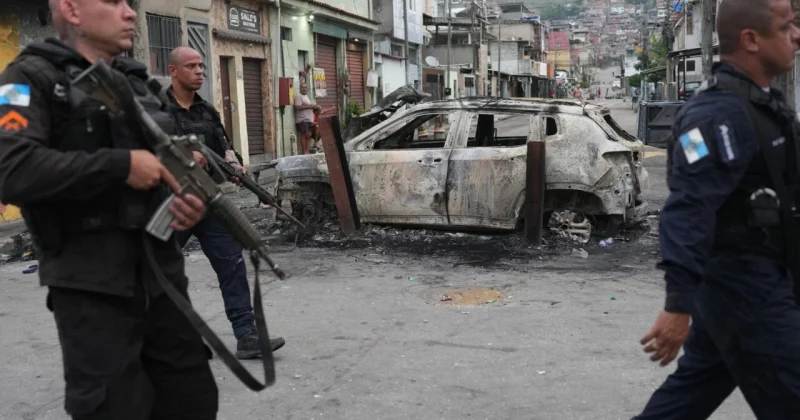
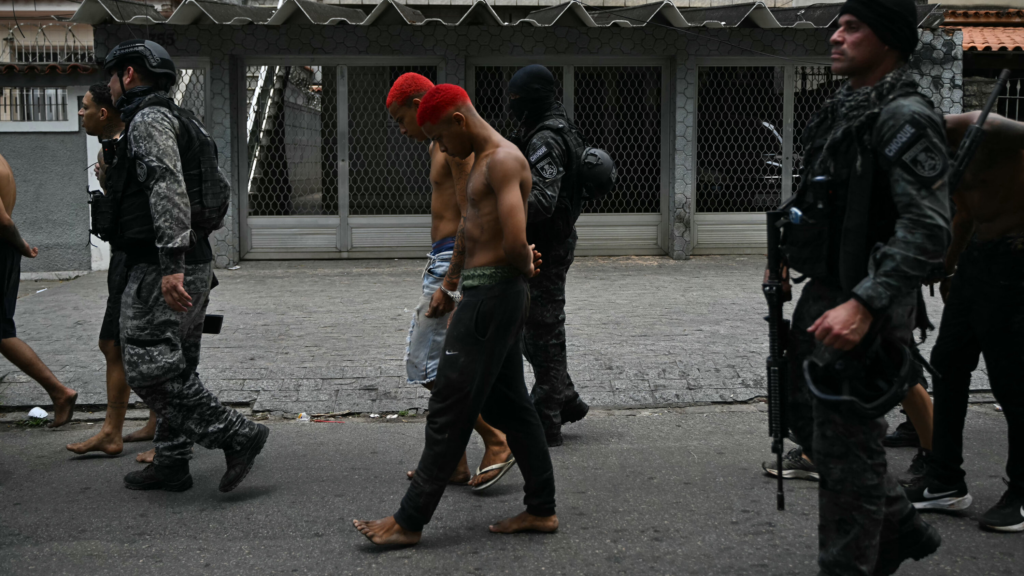
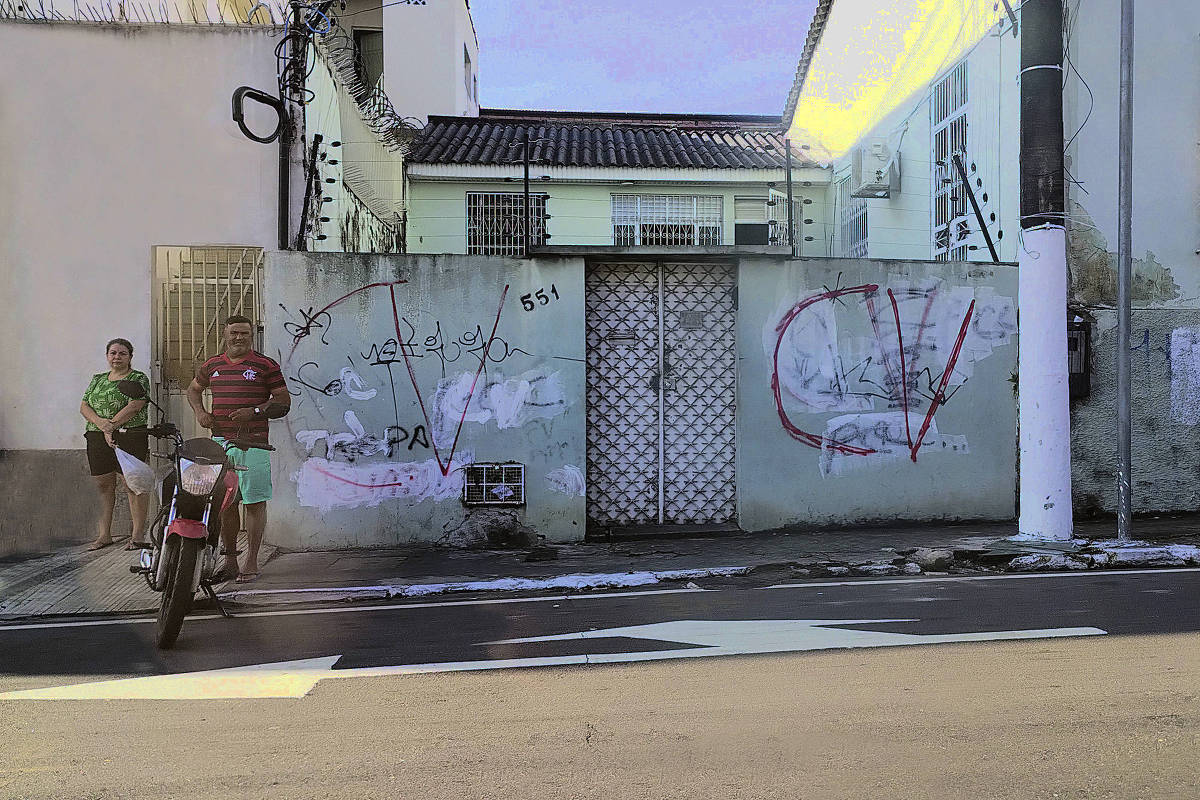
Comando Vermelho (CV) is said to control much of the cidade maravilhosa. Like so many other Latin American criminal organizations, CV is heavily involved in drug trafficking and uses violence, kidnapping, and extortion to maintain power. But in certain parts of Rio and beyond, CV goes further, performing a quasi-governmental function.
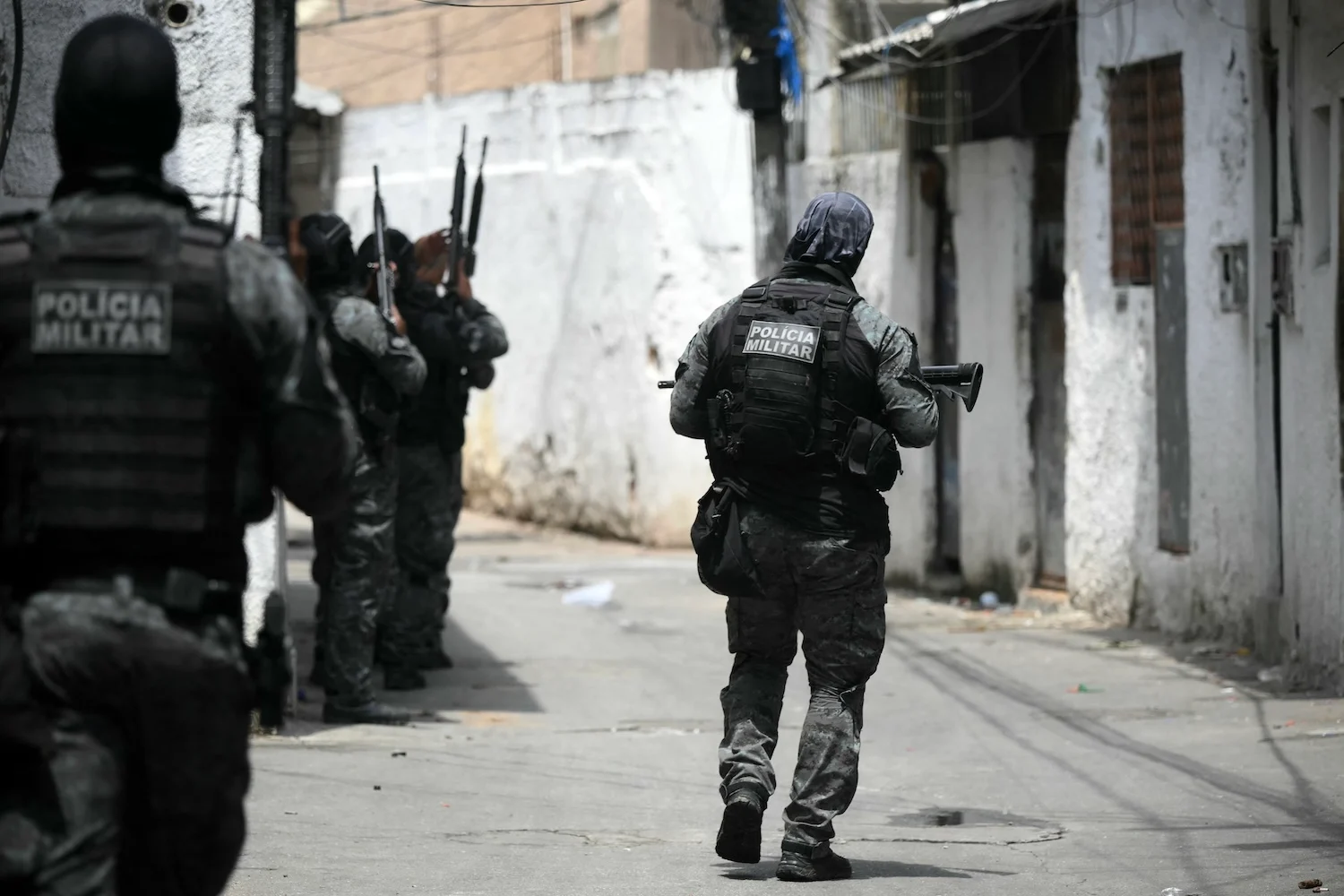
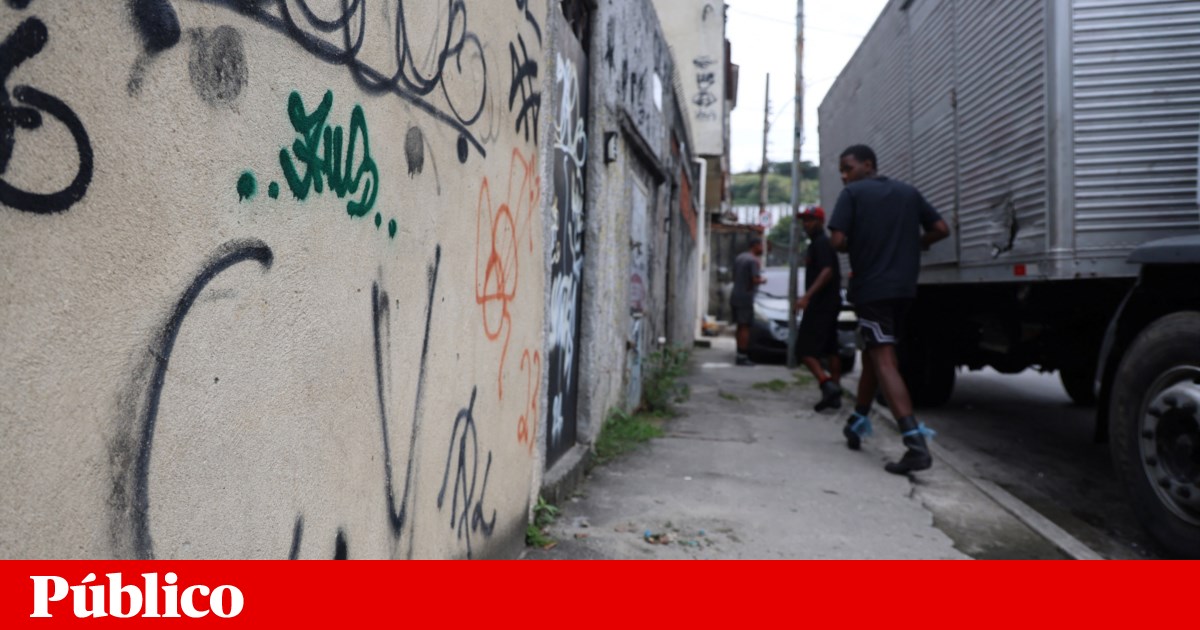
It wields strong ties to government officials and security forces and even operates its own parallel systems of government. Its factions monopolize internet, cable TV, public transport, and real estate in parts of the city. The organization demands inflated prices for services, finances construction projects, and even sells apartments. It can be difficult to live and work in the city without interacting with CV in some way.
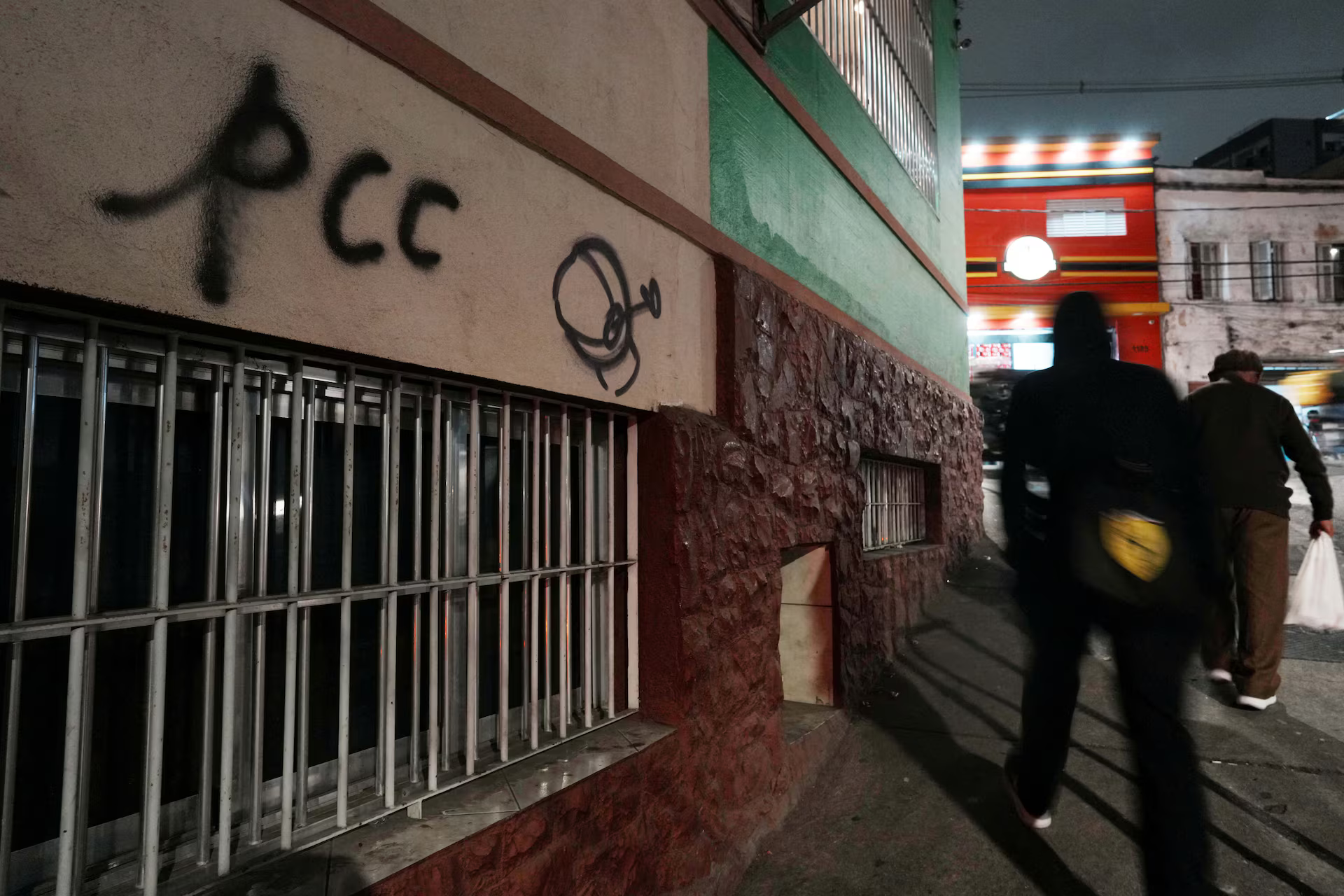
This means that companies working in Brazil’s second-largest city—including those that deliver goods, operate warehouses, or provide critical services, for example—likely transact with CV in some form. Though the CV has national reach, the Primeiro Comando da Capital (PCC) is an even bigger criminal organization. In São Paulo, the hemisphere’s largest city, its infiltration of the legal economy is just as expansive as the CV’s is in Rio.