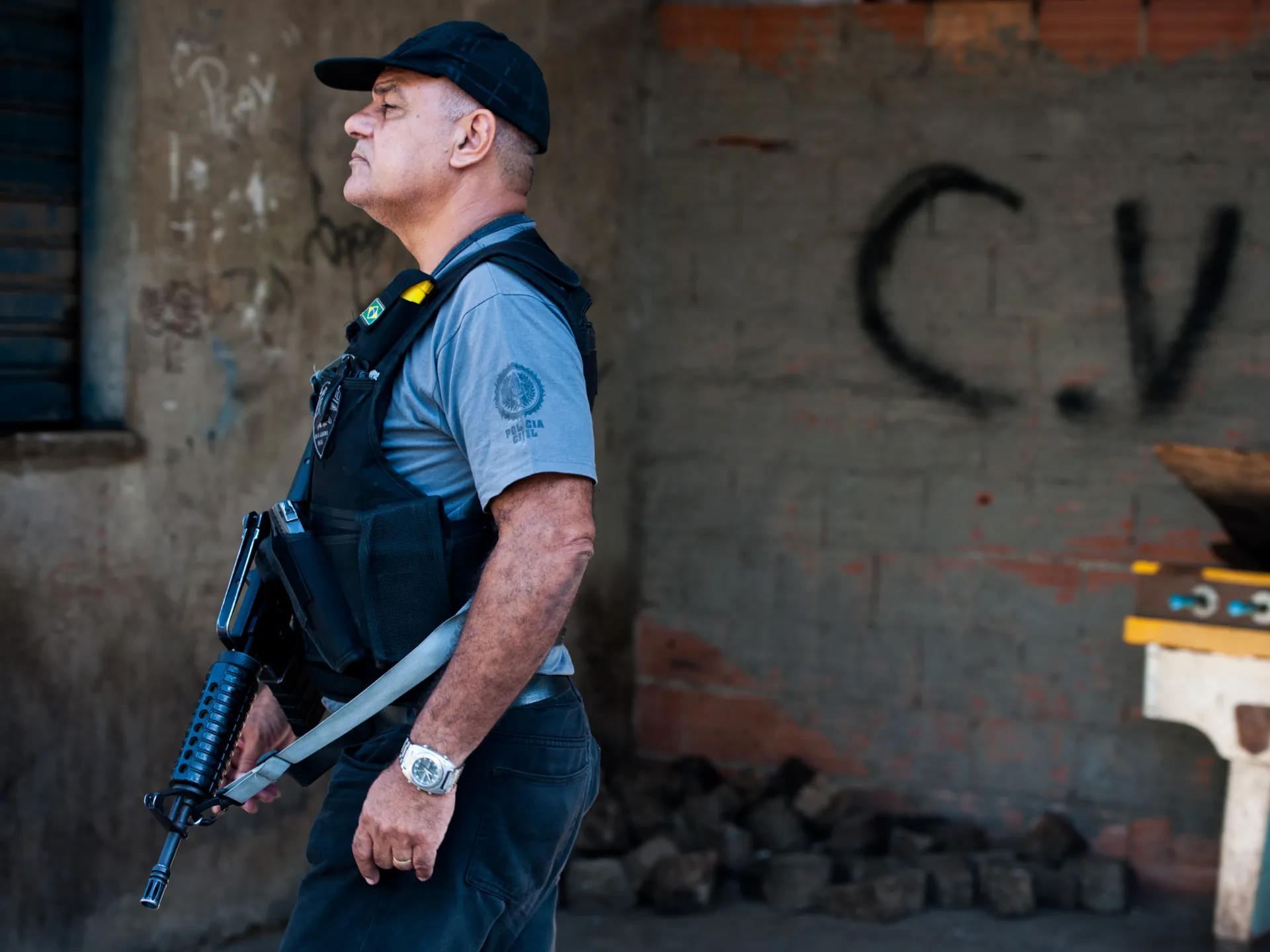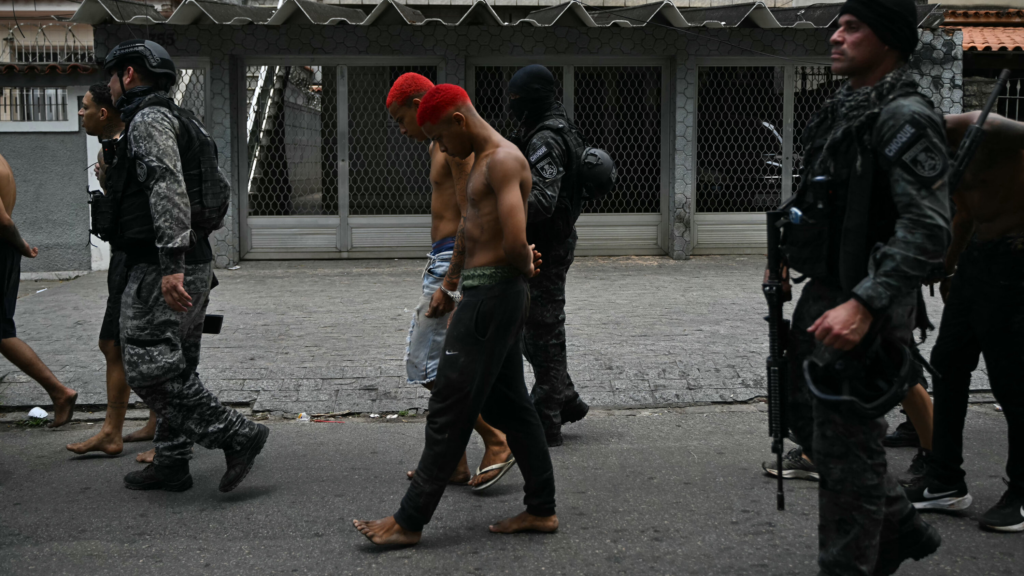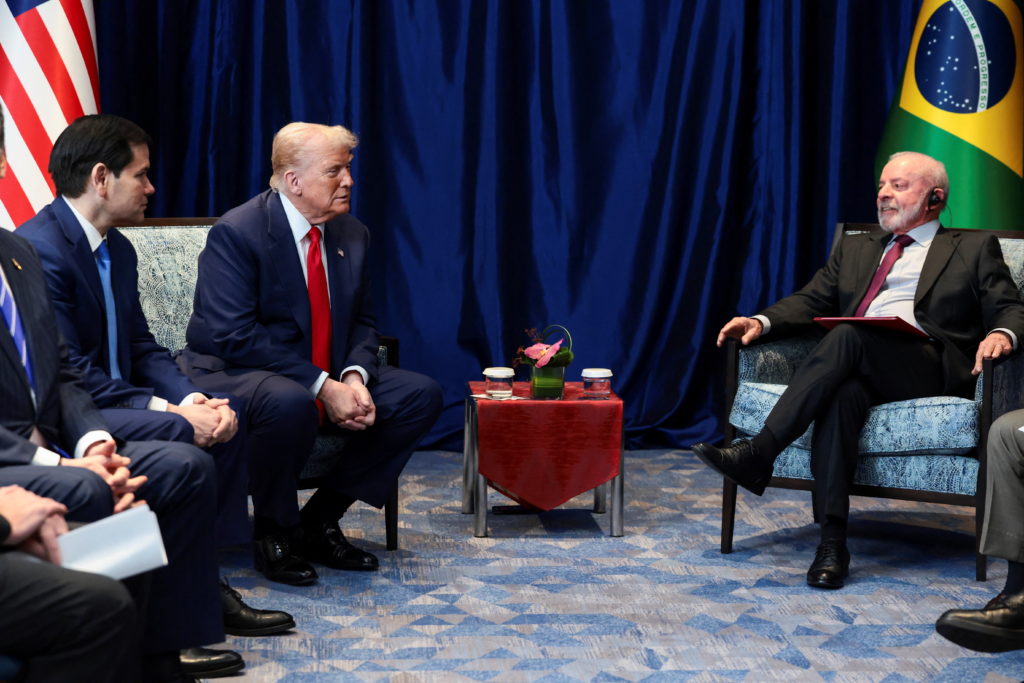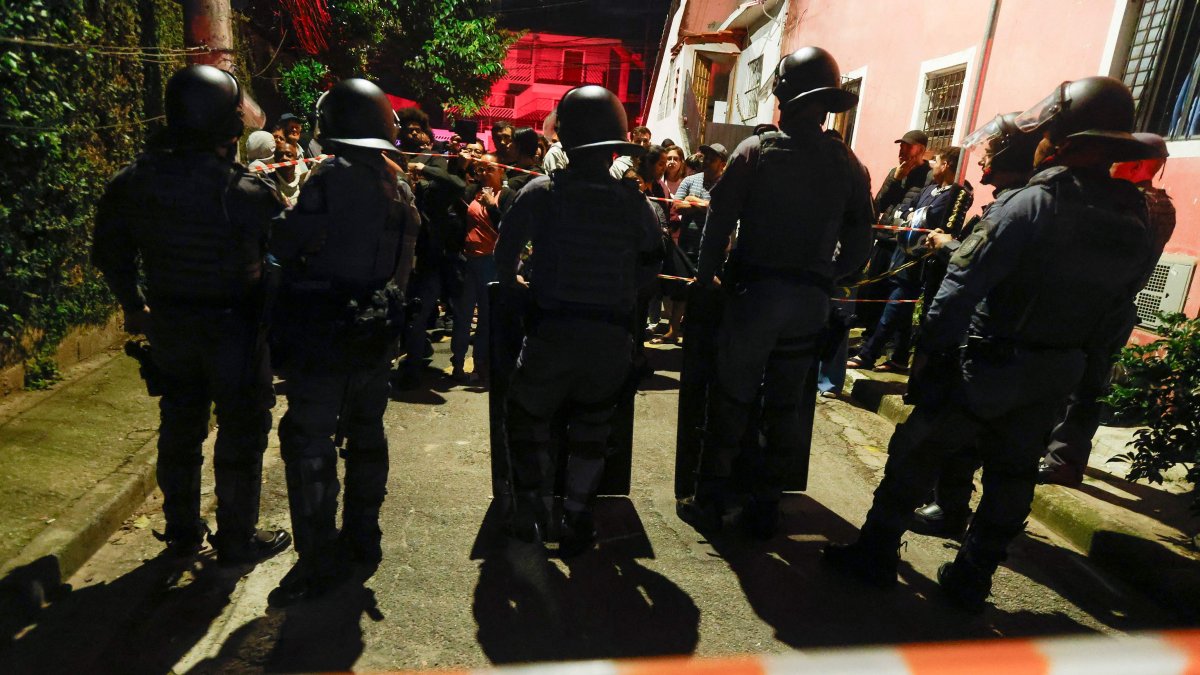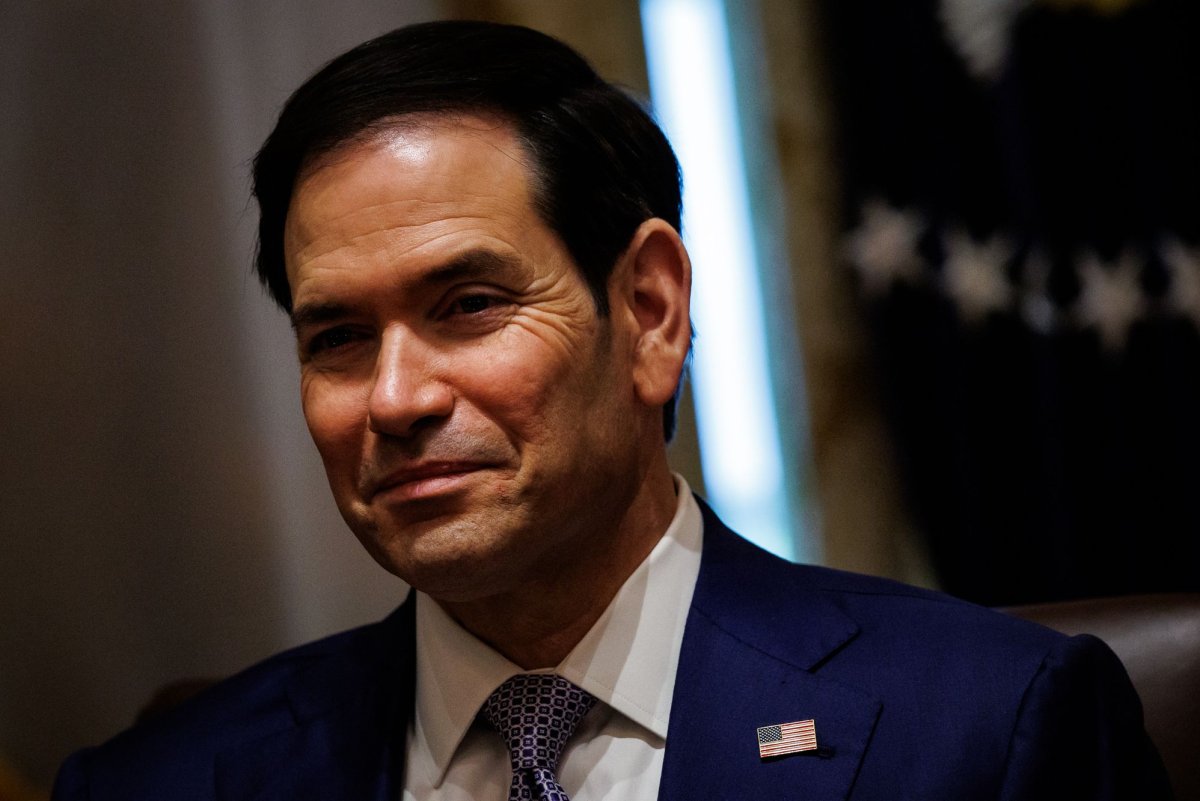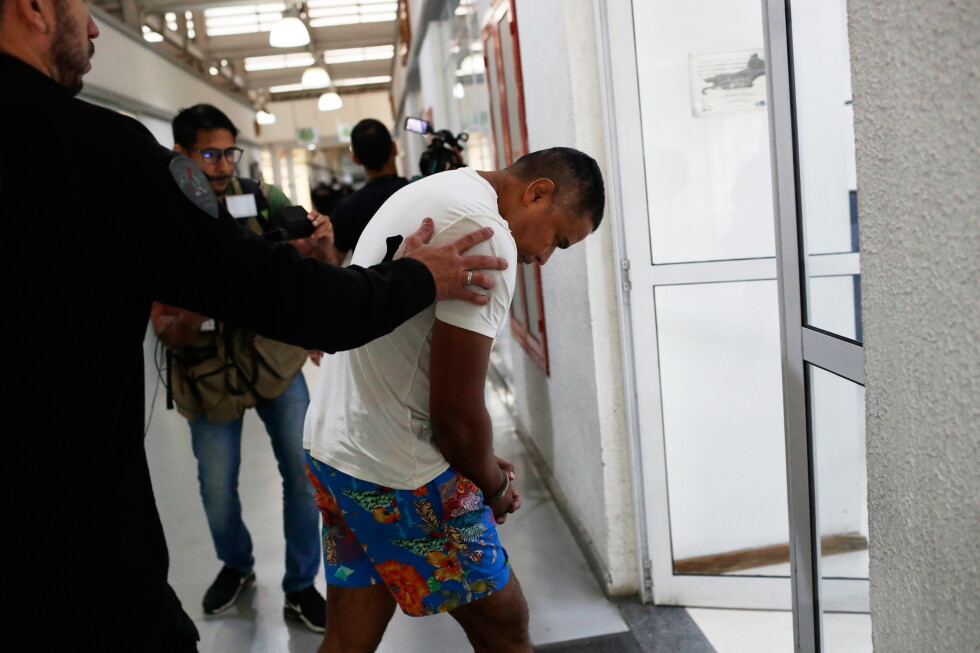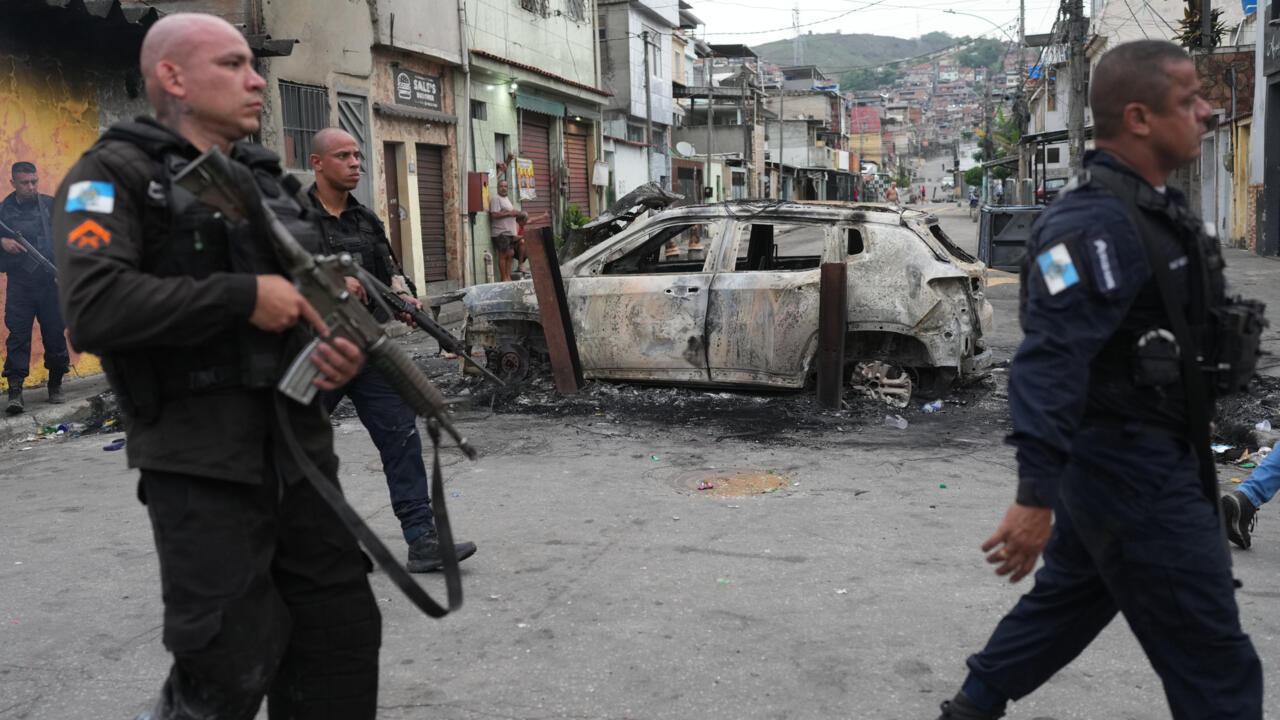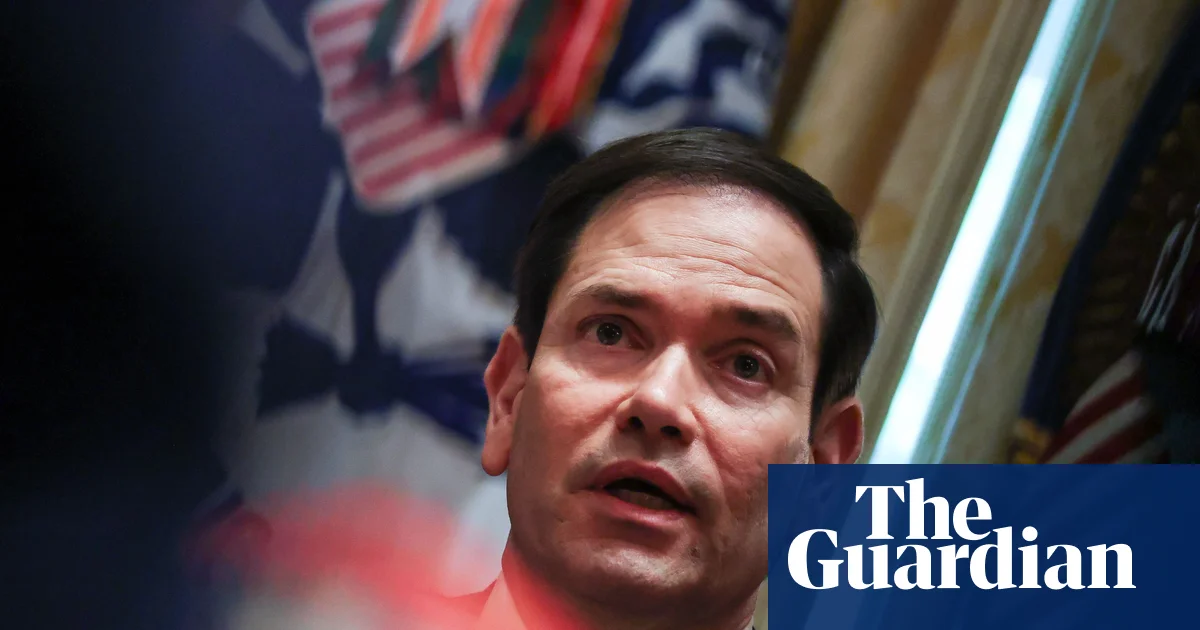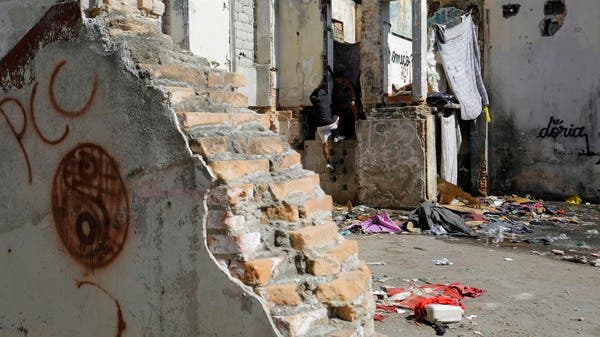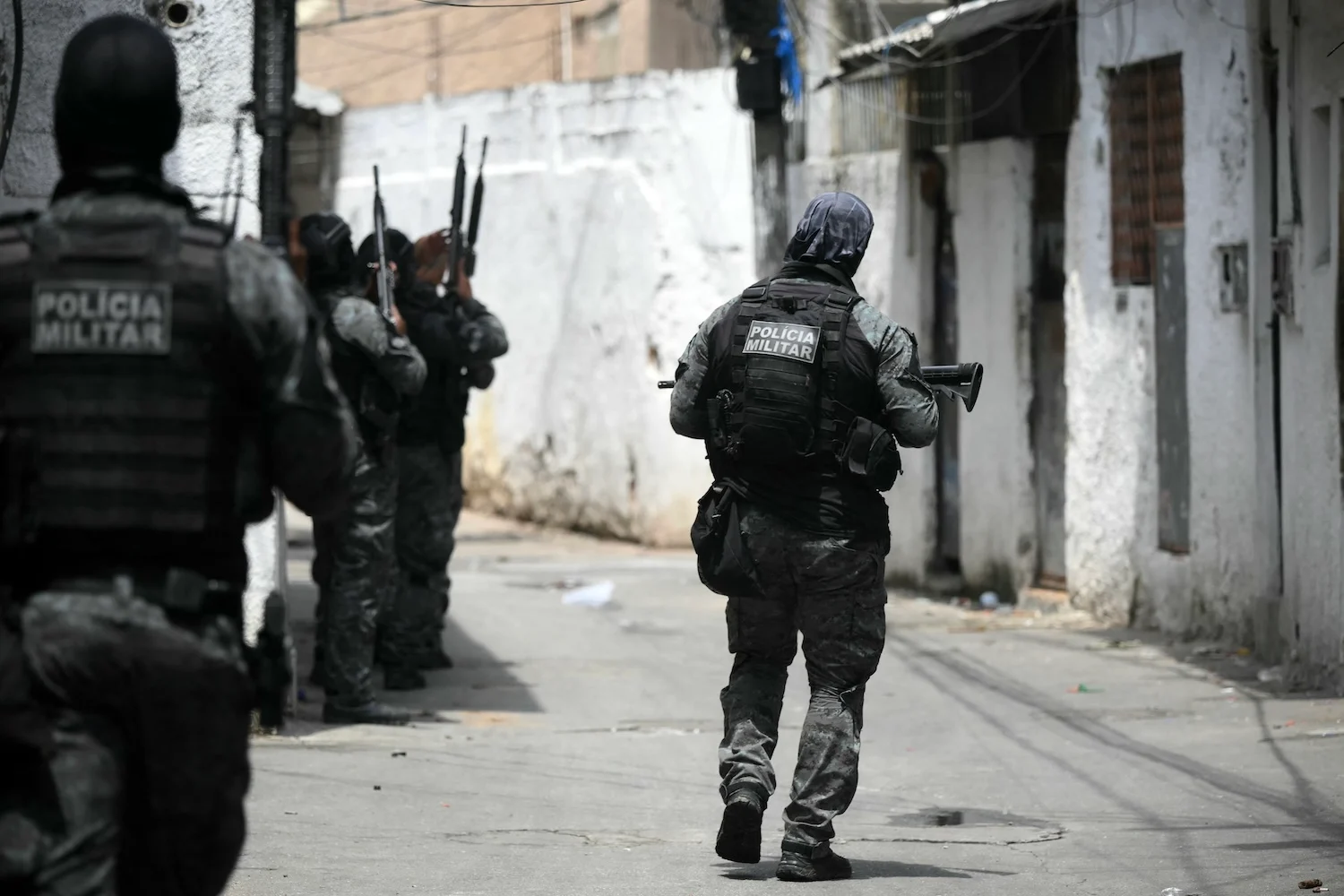
The United States’ May 28 announcement that it would designate Brazil’s two biggest criminal gangs—the First Capital Command and the Red Command—as terrorist organizations was hardly a surprise. After all, the Trump administration had already done the same for more than 10 groups across Latin America, including in Colombia, Haiti, and Mexico. The White House said the designation is part of an effort aimed at “keeping illicit drugs off our streets and disrupting the revenue streams funding violent narco-terrorists.”
Still, the decision sent shock waves through Brazilian politics. It will have consequences in four key areas. First, it is likely to hinder U.S.-Brazil cooperation in the fight against transnational crime. Second, it will almost certainly benefit the far right ahead of presidential elections in October. Third, it has raised concern among Brazilian diplomats and military officials about potential U.S. violations of the country’s sovereignty. Finally, and perhaps most importantly, the designation could impose serious costs on Brazil’s economy.
The United States’ May 28 announcement that it would designate Brazil’s two biggest criminal gangs—the First Capital Command and the Red Command—as terrorist organizations was hardly a surprise. After all, the Trump administration had already done the same for more than 10 groups across Latin America, including in Colombia, Haiti, and Mexico. The White House said the designation is part of an effort aimed at “keeping illicit drugs off our streets and disrupting the revenue streams funding violent narco-terrorists.”