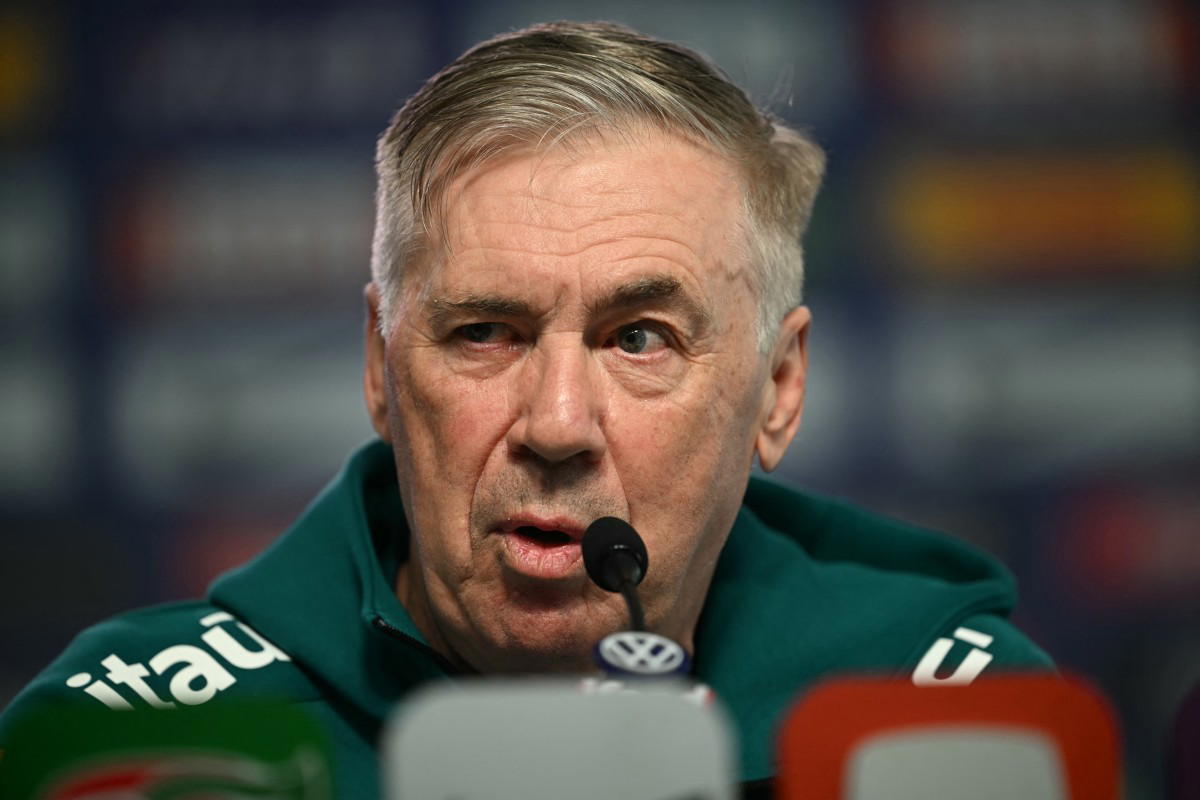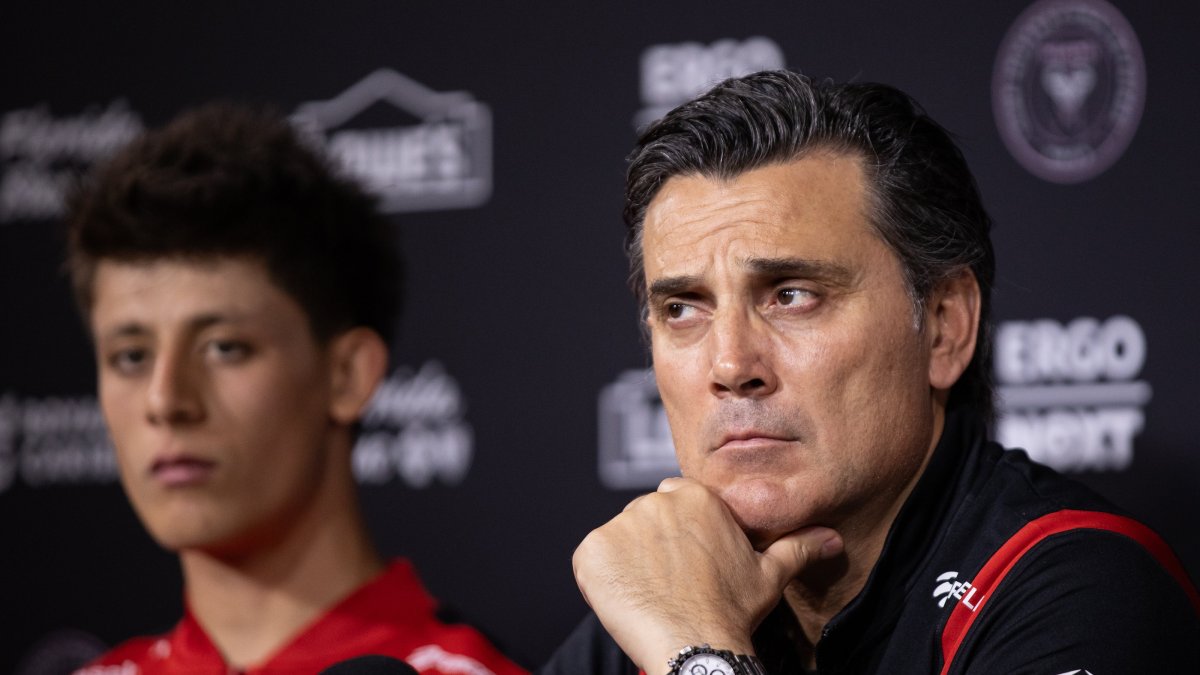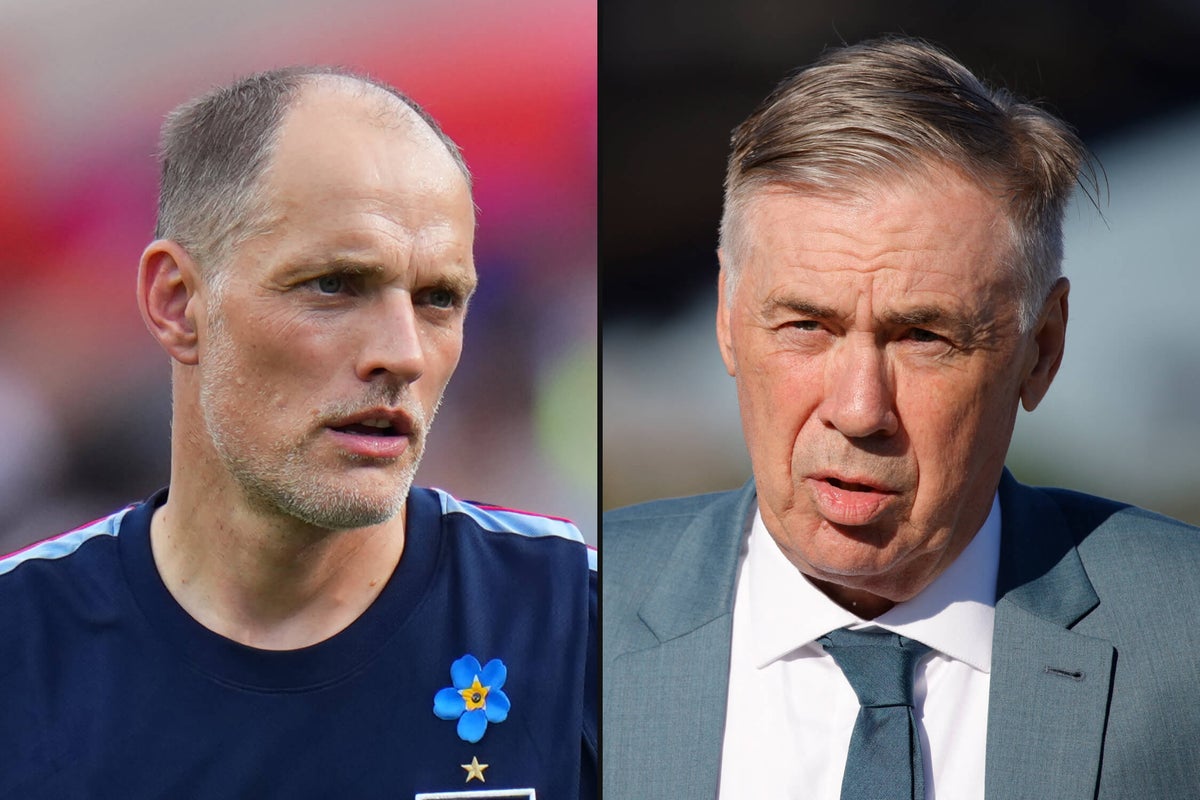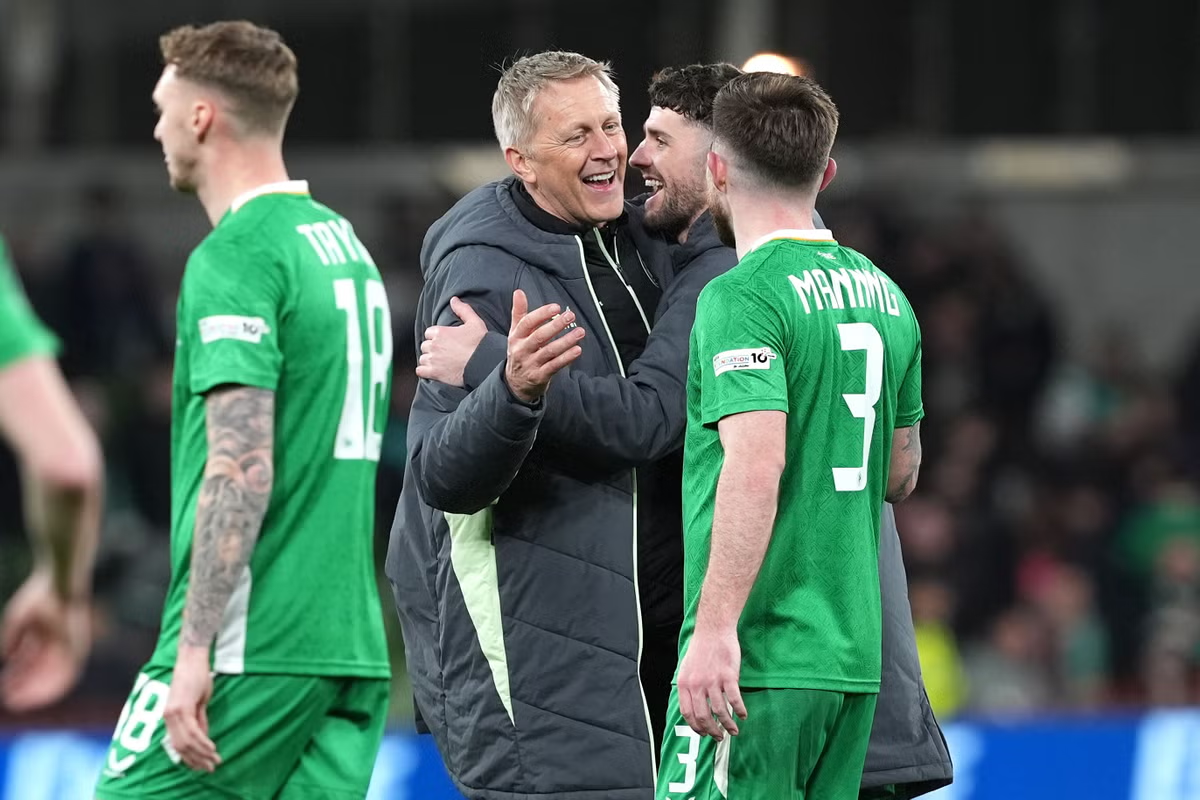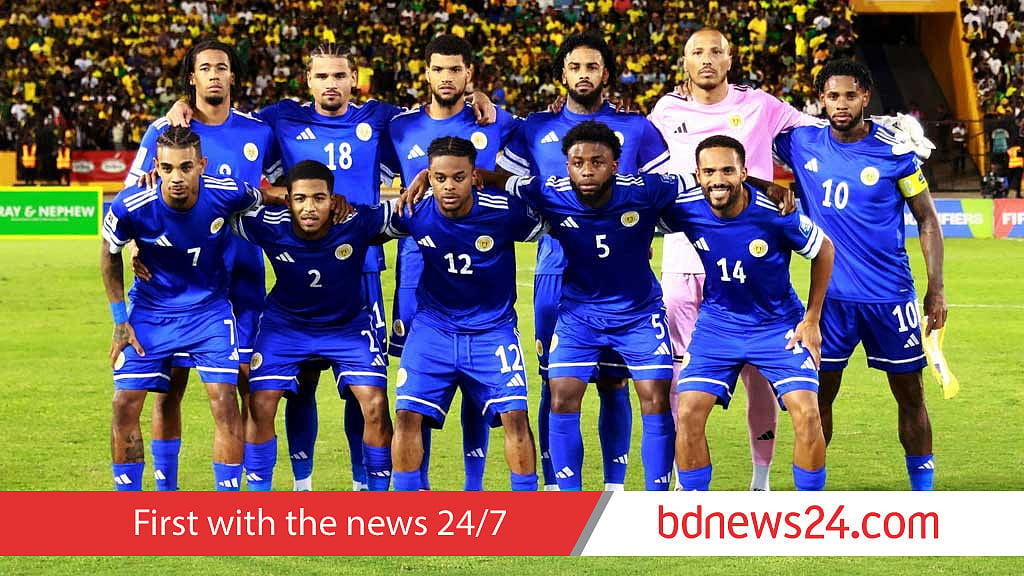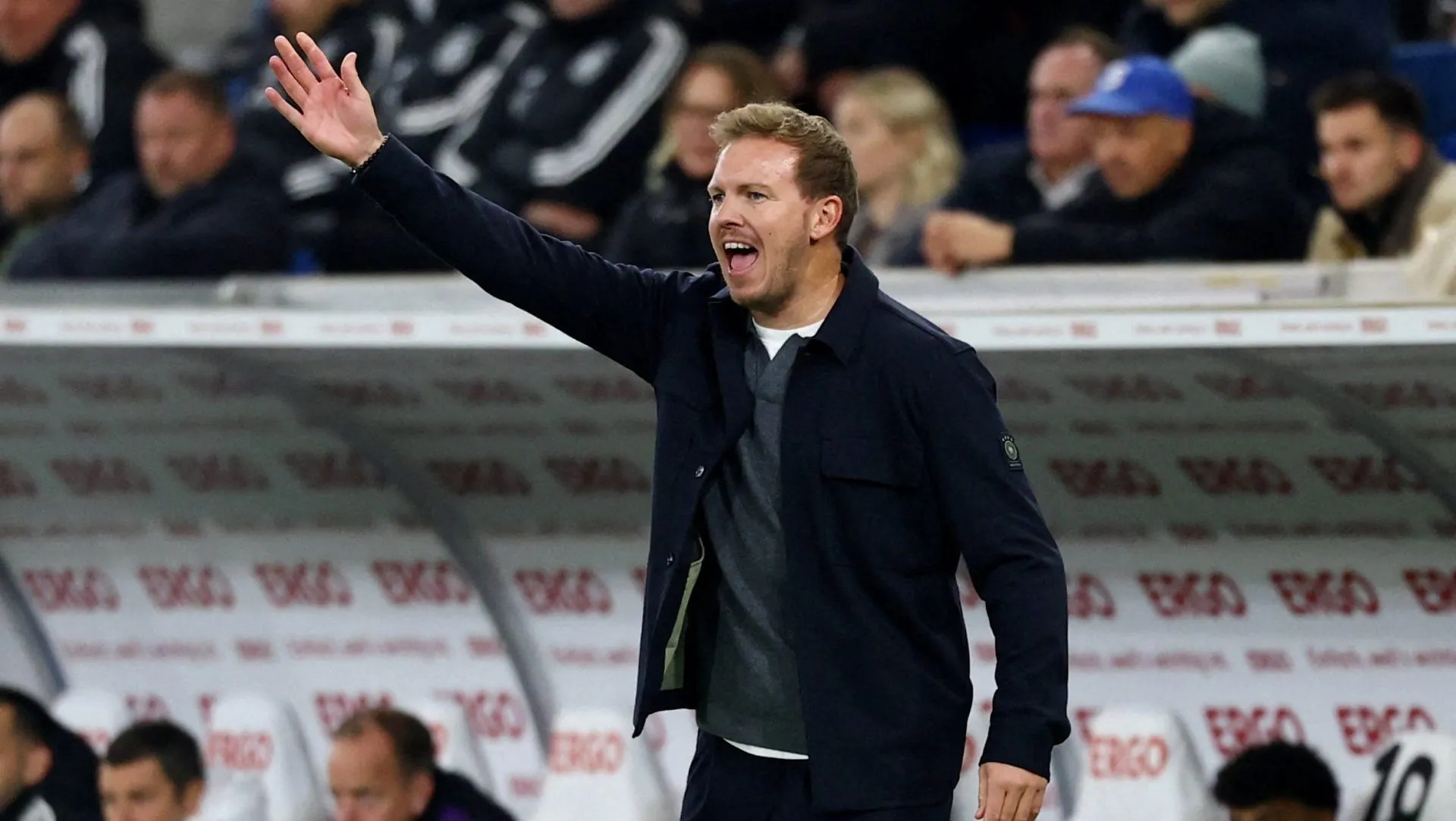
The head coaches at the 2026 World Cup are a motley crew.
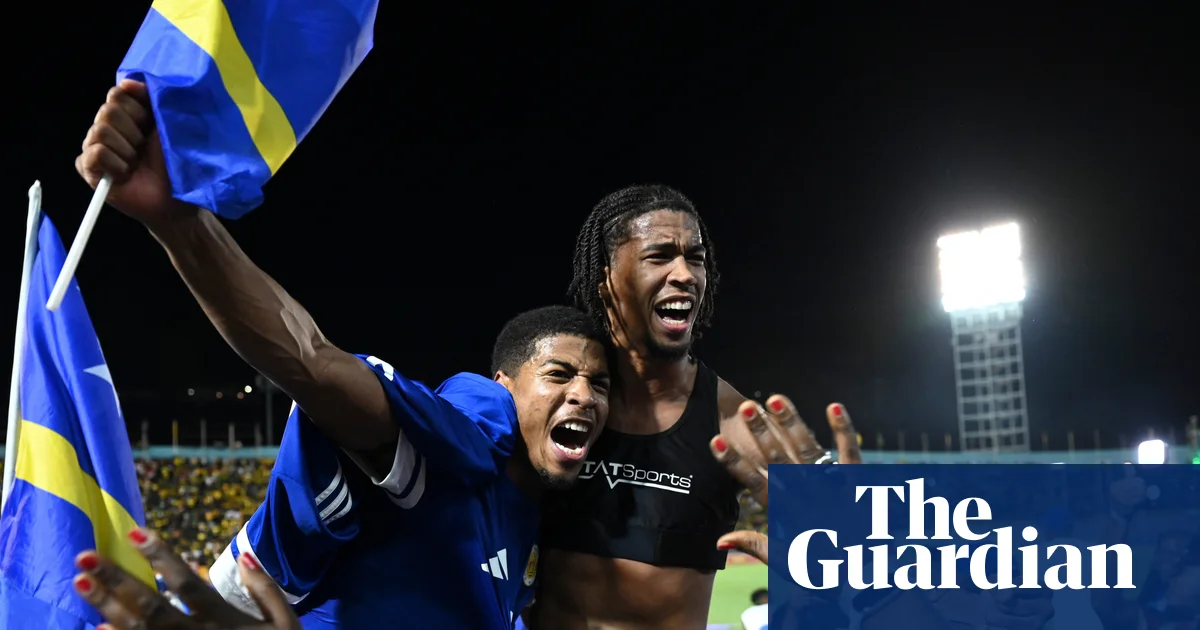
Germany’s Julian Nagelsmann is the youngest at 38; Curaçao’s Dick Advocaat is more than twice his age at 78. Twenty-eight of the 48 are of a different nationality than their team. Haiti’s Sébastien Migné has never set foot in the country he’s coaching. France’s Didier Deschamps has been in the role for almost 14 years; six others were appointed in the past six months. Two have won the World Cup before, while more than three-quarters have never coached a game at the finals.
This diverse bunch reflects a host of interconnected factors that make identifying and recruiting a head coach a big challenge.
Coaching in international and domestic soccer are very different jobs. Club managers have daily access to their players, can buy and sell to build the squad they want, and are always in the media spotlight. By contrast, international coaches are lucky if they get 50 days with their teams each year, can select only the players deemed eligible by FIFA rules, and often go silent for months at a time.
Yet for all of those differences, clubs and national associations tend to treat coaches as a single talent pool. There are gems—it’s just a question of finding them.