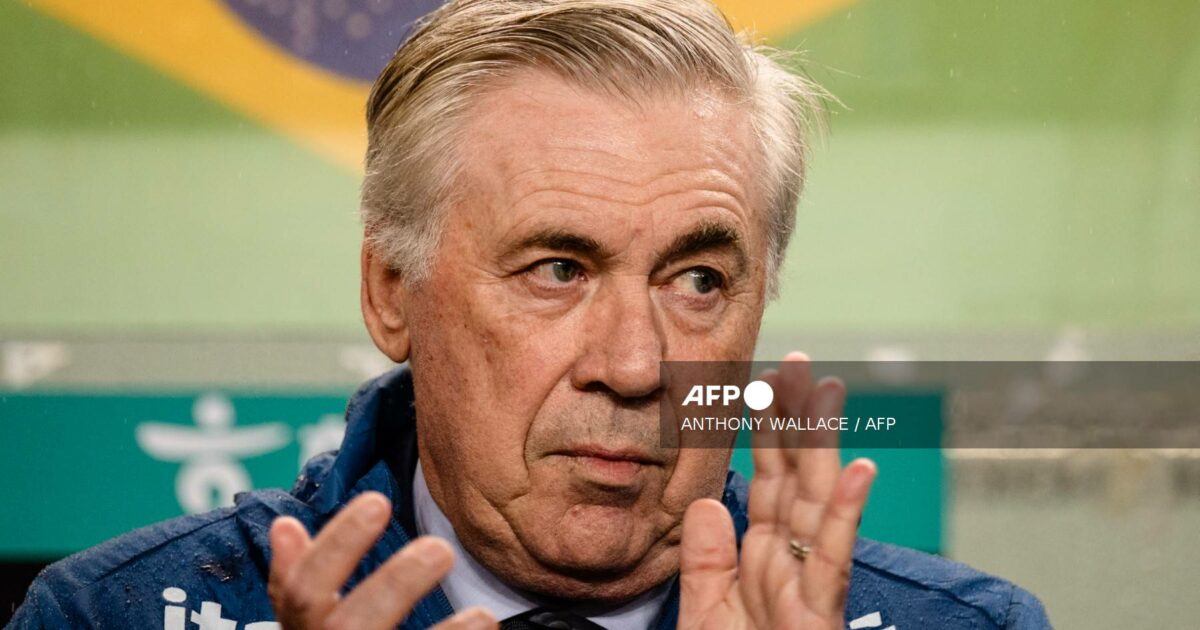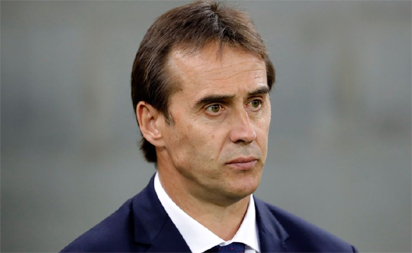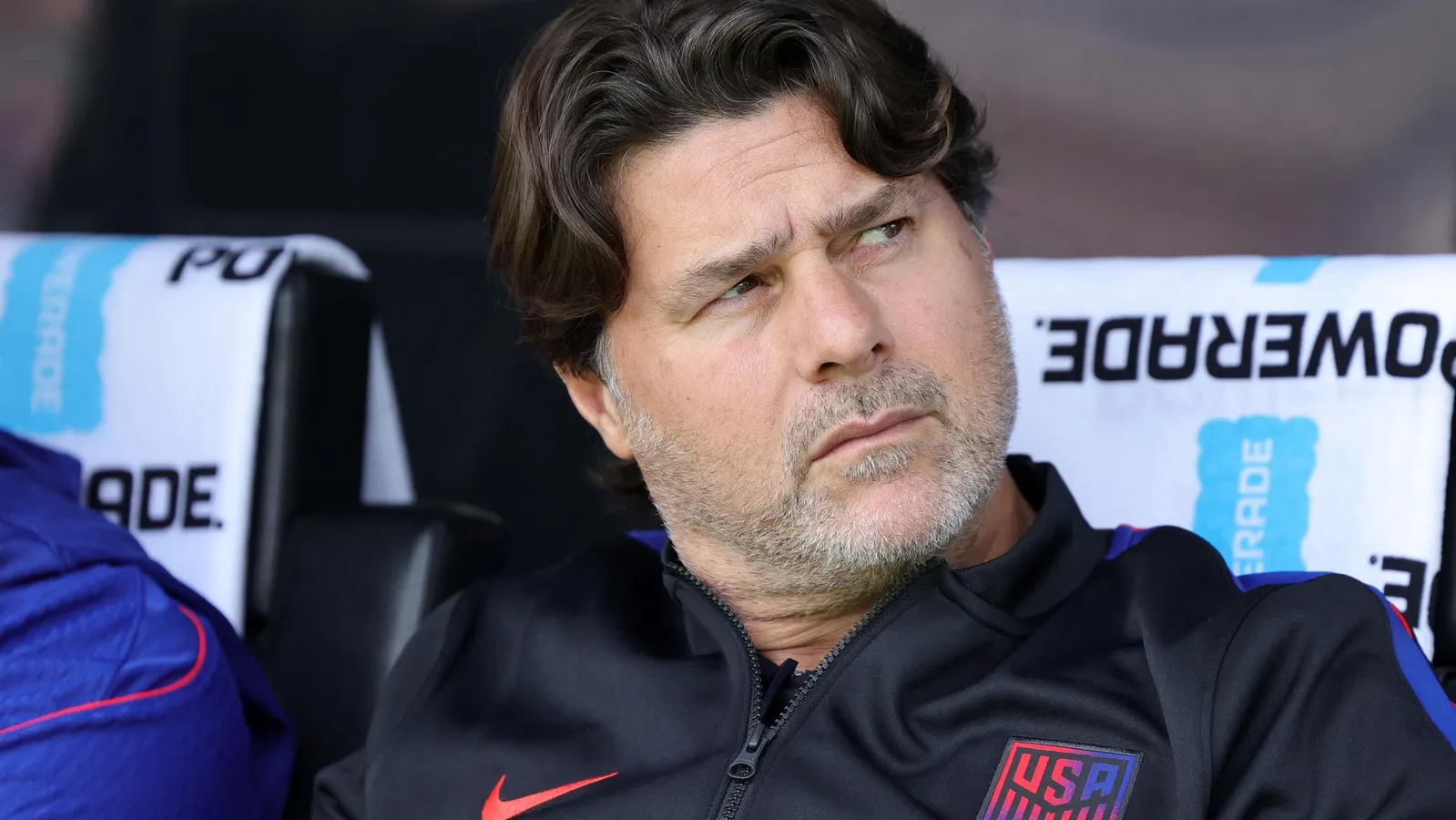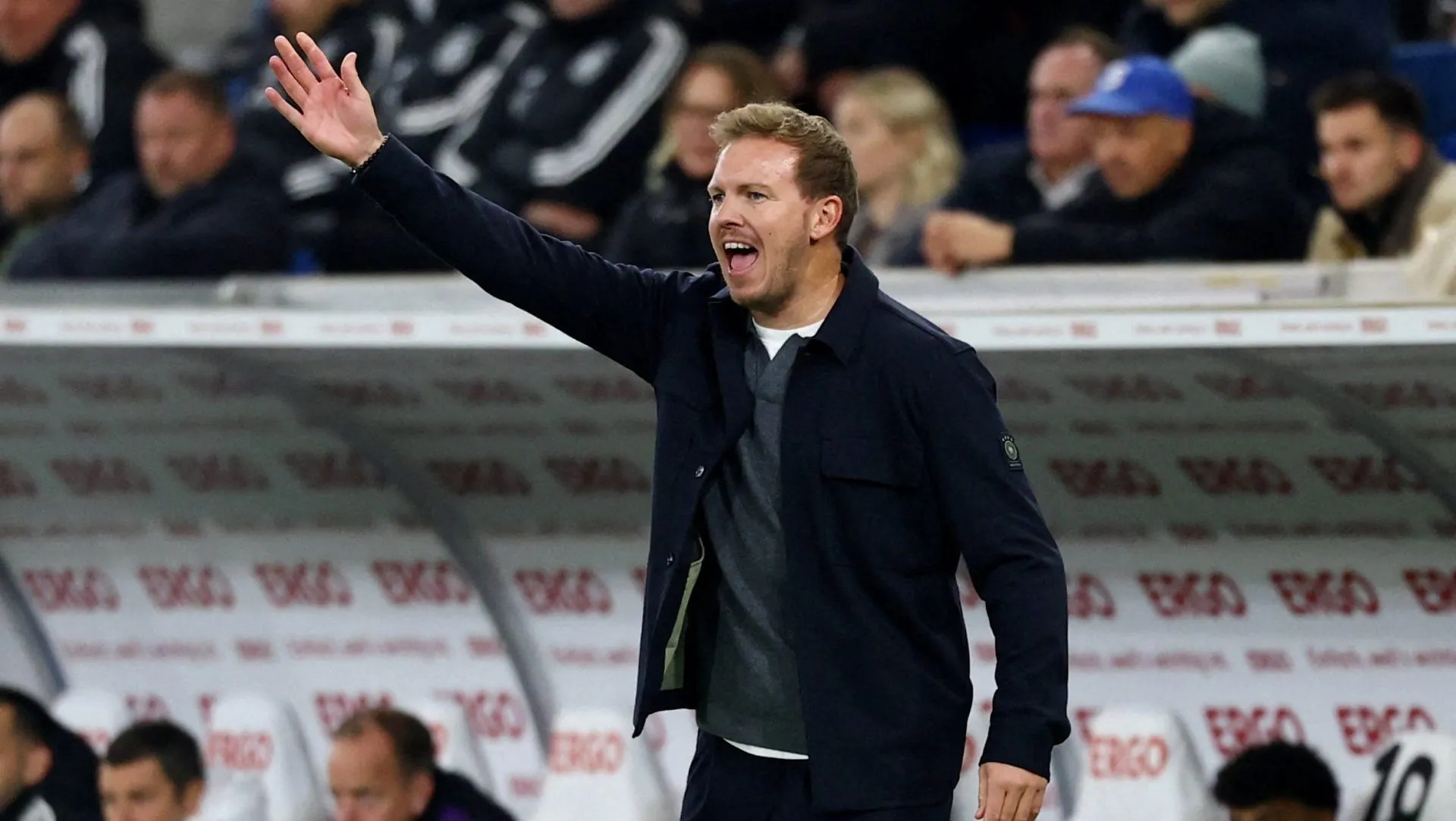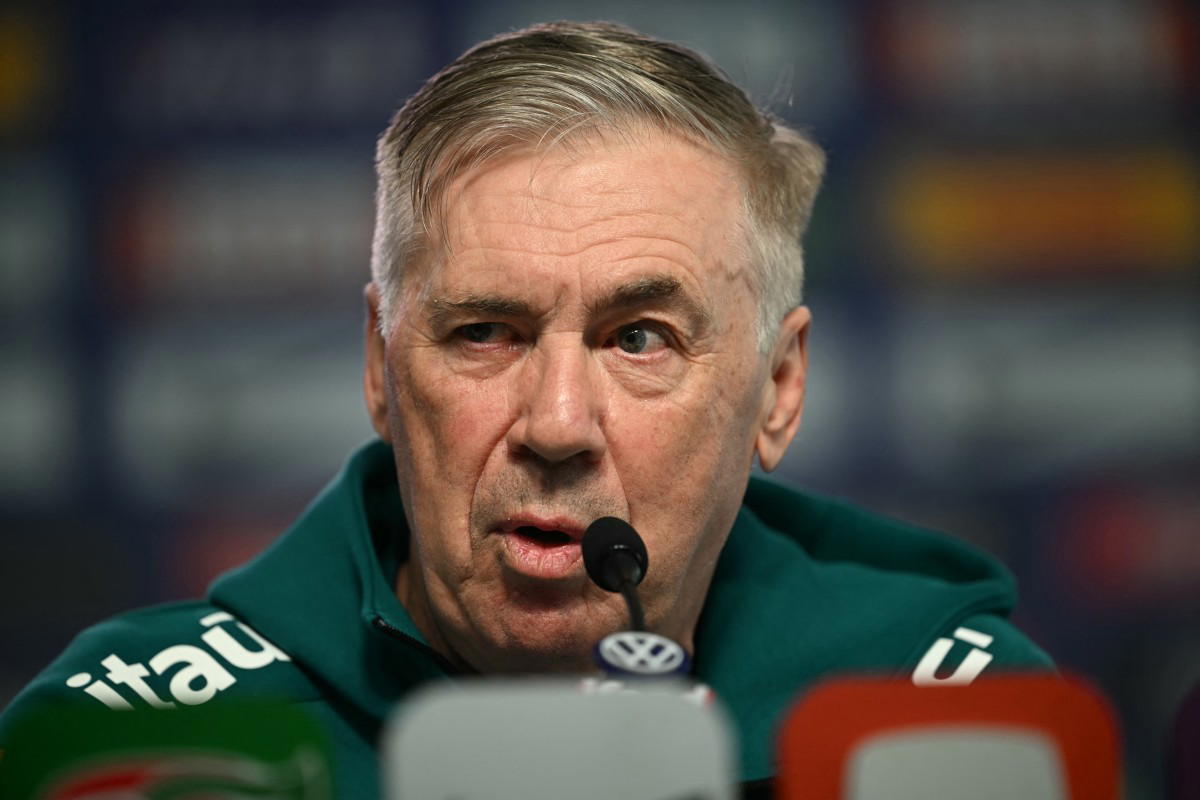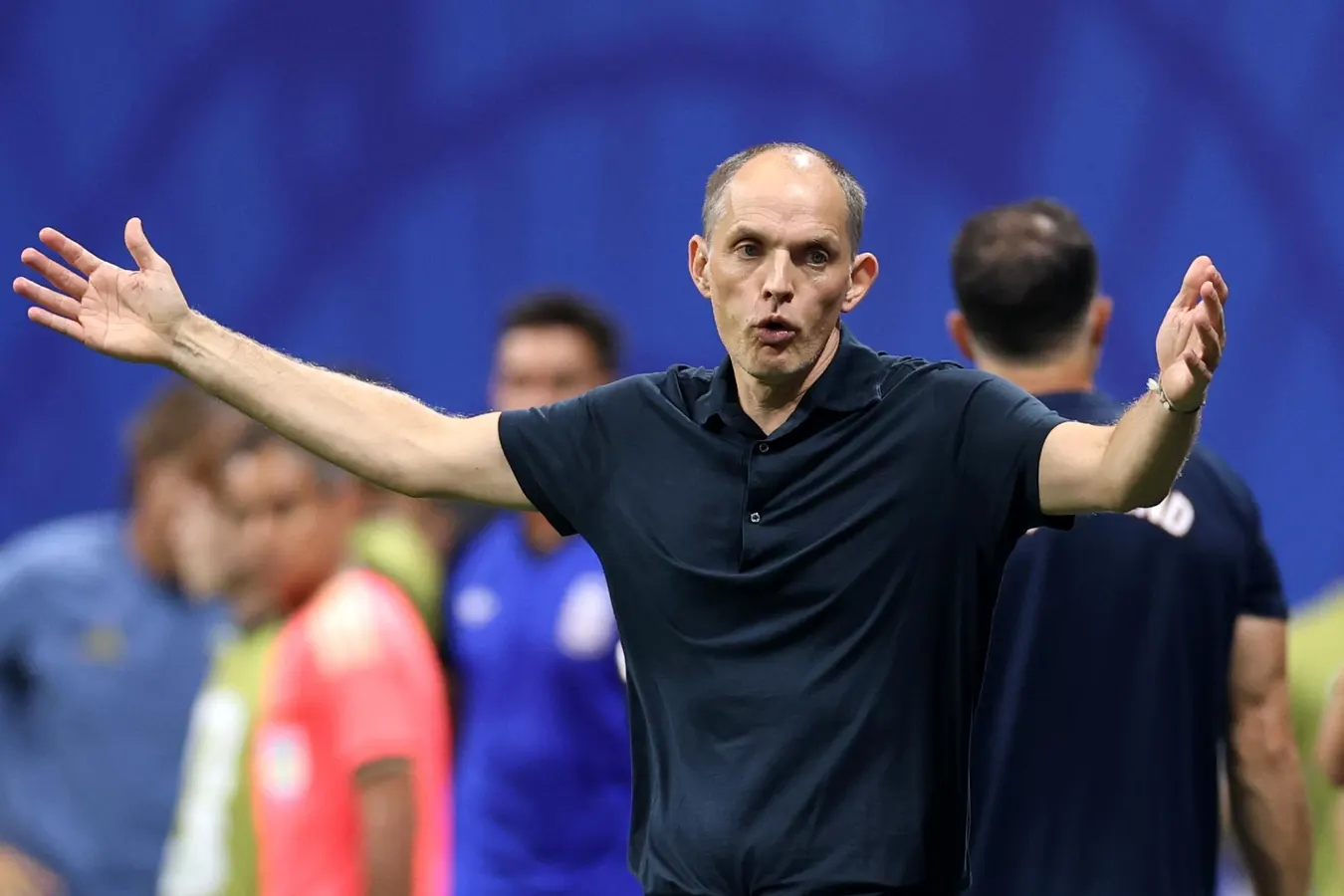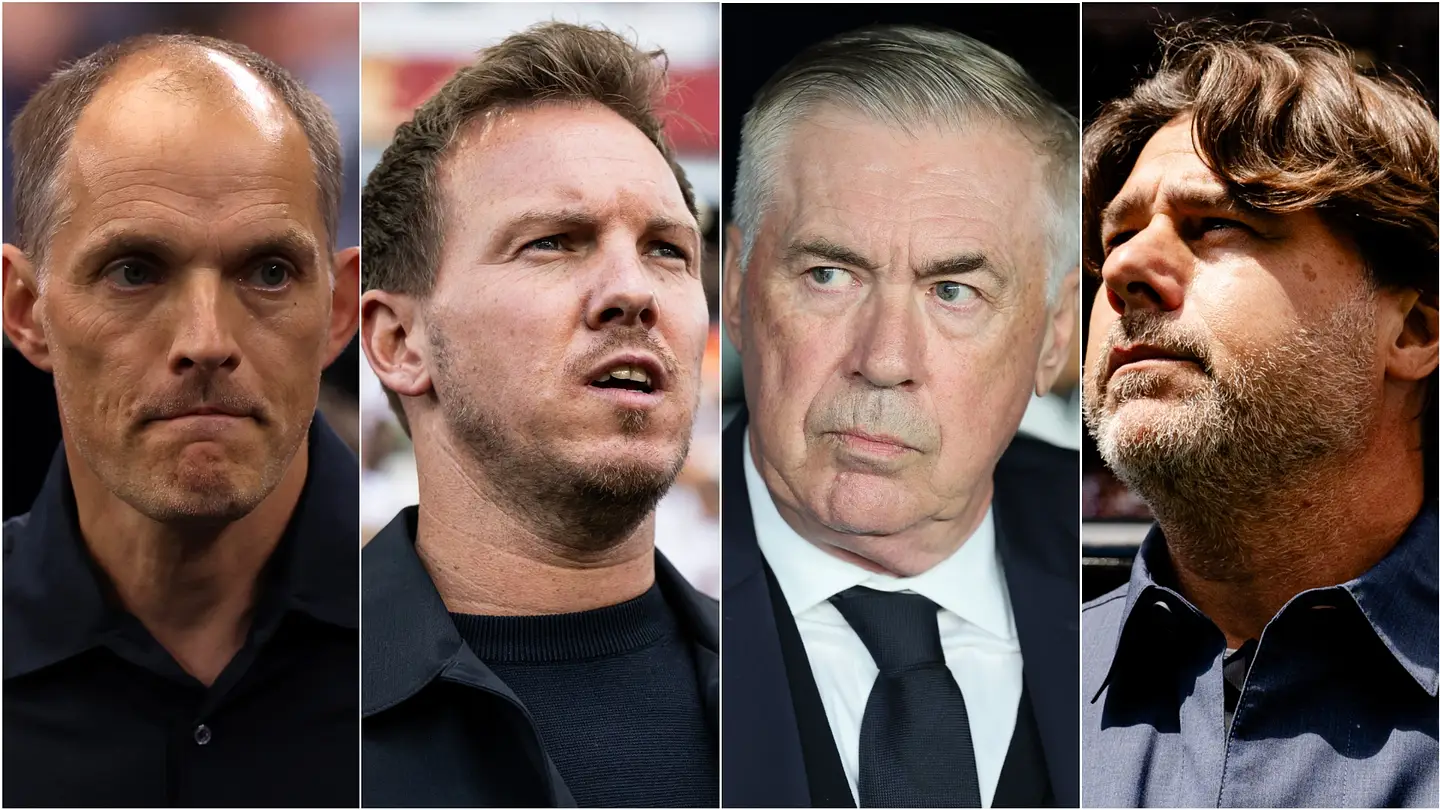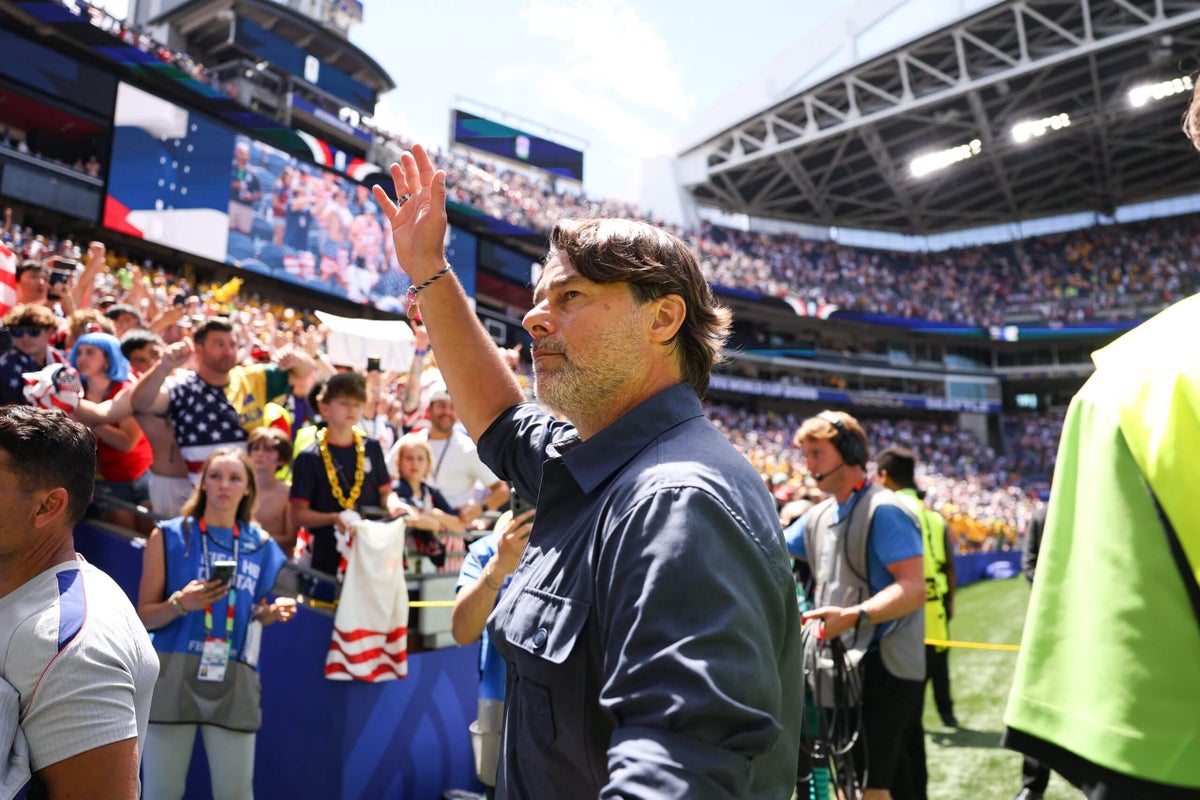
Go back 16 years, to the 2010 World Cup, and take a look at the list of 32 managers. You will notice something interesting: barely any were at the top of their game.International management was regarded — at least amongst top coaches — as semi-retirement. Almost every manager has some desire to compete at international level, to attempt to win the World Cup. And, in South Africa, there were plenty of managers who had achieved something at the highest level.Six of them — Vicente del Bosque (Spain), Fabio Capello (England), Marcello Lippi (Italy), Sven-Goran Eriksson (Ivory Coast), Ottmar Hitzfeld (Switzerland) and Radomir Antic (Serbia) — had won at least one title in one of Europe’s major five leagues. Del Bosque, Capello, Lippi and Hitzfeld had won the Champions League/European Cup, too.But these six managers, after leaving those posts, took charge of a grand total of zero further top-flight games in European club football. They were winding down. They were not at the forefront of tactical innovation.Now, things feel different.As various Premier League clubs have been weighing up the suitability of potential managers, it’s entirely reasonable to suspect they would have at least considered the likes of Julian Nagelsmann (Germany), Thomas Tuchel (England) and Mauricio Pochettino (United States).USMNT head coach Mauricio Pochettino (Jared C. Tilton/Getty Images)Carlo Ancelotti (Brazil) might be in his autumn years as a manager, but he won the last of three Champions Leagues with Real Madrid only two years ago. Graham Potter (Sweden), Julen Lopetegui (Qatar), Roberto Martinez (Portugal) and Jesse Marsch (Canada) have all been familiar to the Premier League in recent seasons, are still in their 50s and could be on the shortlist for top-flight jobs again in the future.In a subtle way, international management has changed — those involved feel younger, fresher and slightly more exciting.The shift probably started in the mid-2010s. When Antonio Conte left Juventus in 2014 to take charge of Italy, it was a very rare example — at that point — of a manager leaving a regular title-winning team for a national job.It was only a hiatus from club management. After the 2016 European Championship, Conte moved to Chelsea and won the Premier League at the first time of asking. Luis Enrique’s four-year stint as Spain manager was also intriguing, considering it was sandwiched between Champions League-winning spells at Barcelona and Paris Saint-Germain.Neither Conte nor Luis Enrique triumphed at international level, but maybe they helped remind others that these jobs remain viable for top managers — that they don’t indicate you’re coming to the end of your time as a coach.Antonio Conte won the Premier League with Chelsea after managing Italy (Ehdi Fedouachi/AFP via Getty Images)The implication here, of course, is not an ageist one: that old managers can’t do tactics. Equally, there is a general pattern of behaviour in coaching, and perhaps in all jobs, that involves selecting individuals. Managers tend to start out obsessed with technical factors, while the more experienced they become, the more they appreciate factors such as character, leadership and reliability.
There are more elite managers than usual at this World Cup. Why?
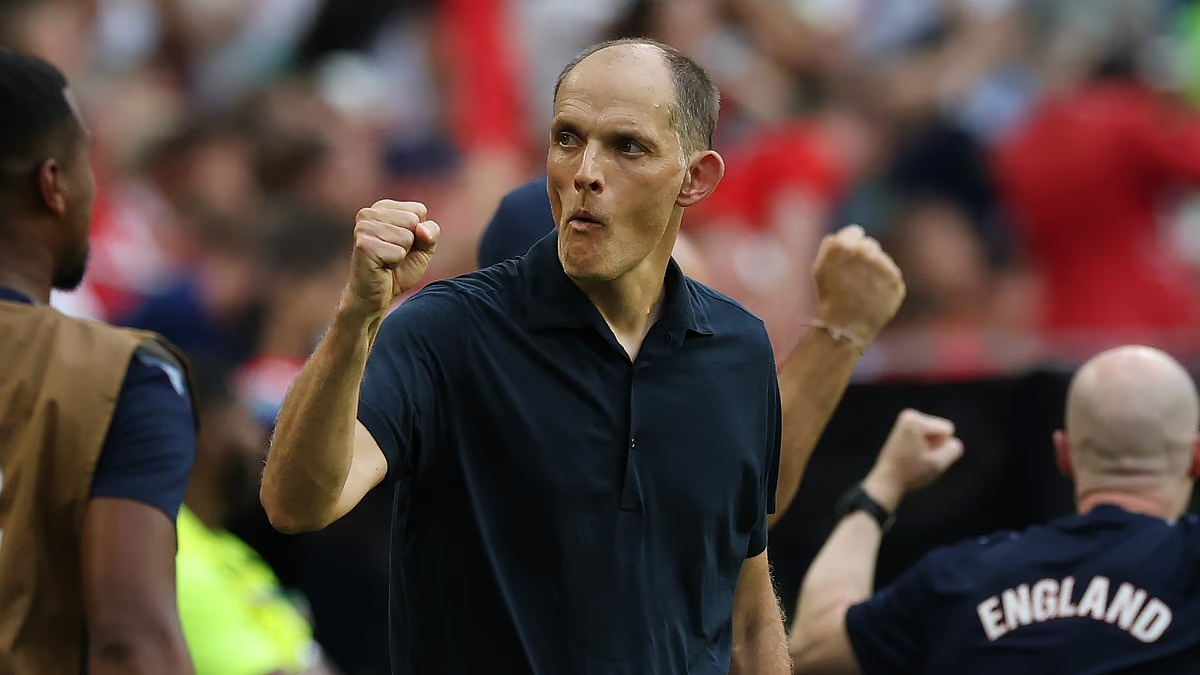
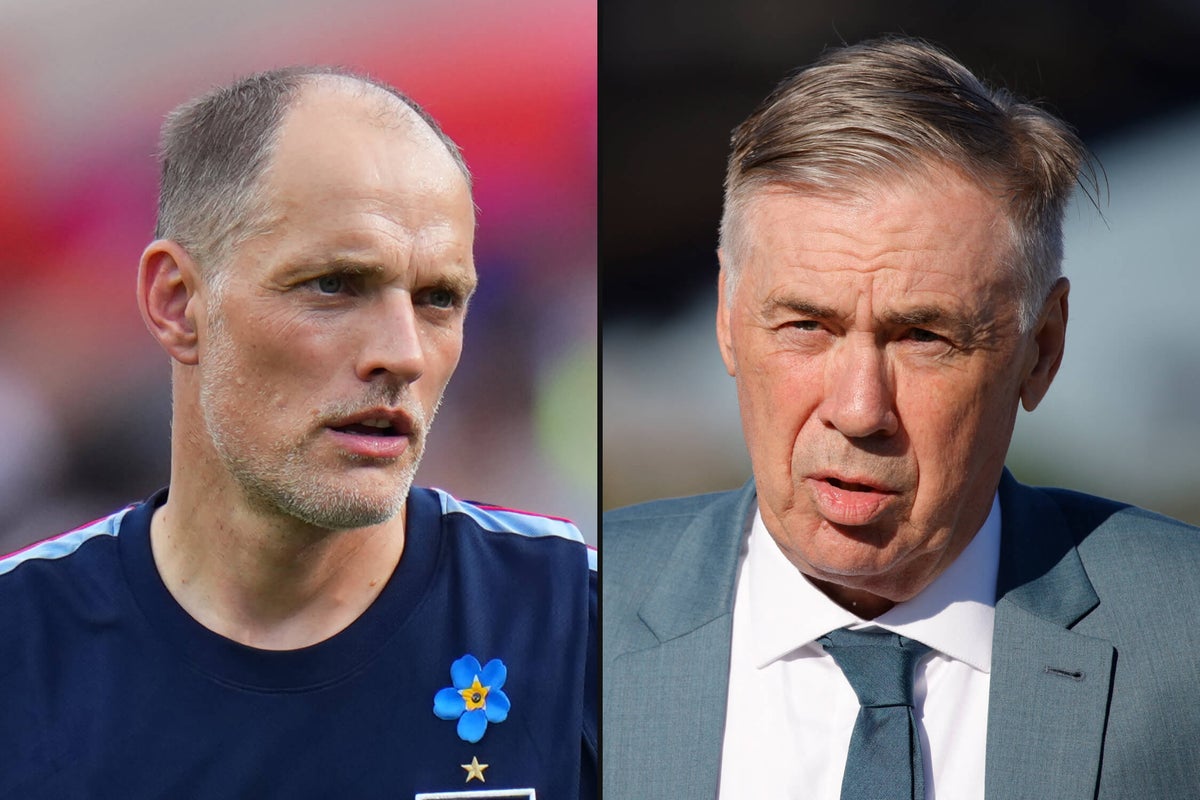
Managers such as Thomas Tuchel and Carlo Ancelotti could be coaching in the Champions League rather than the World Cup
1,080 words~5 min read