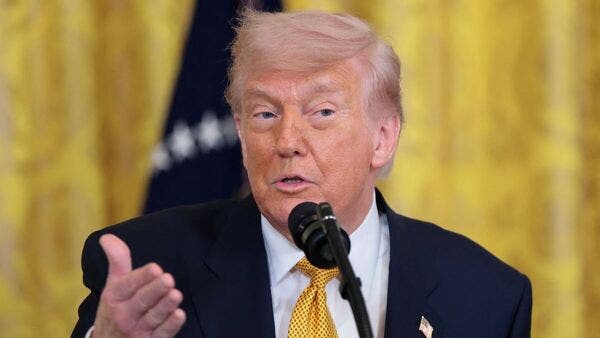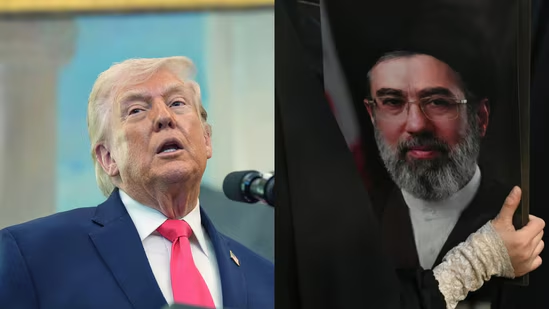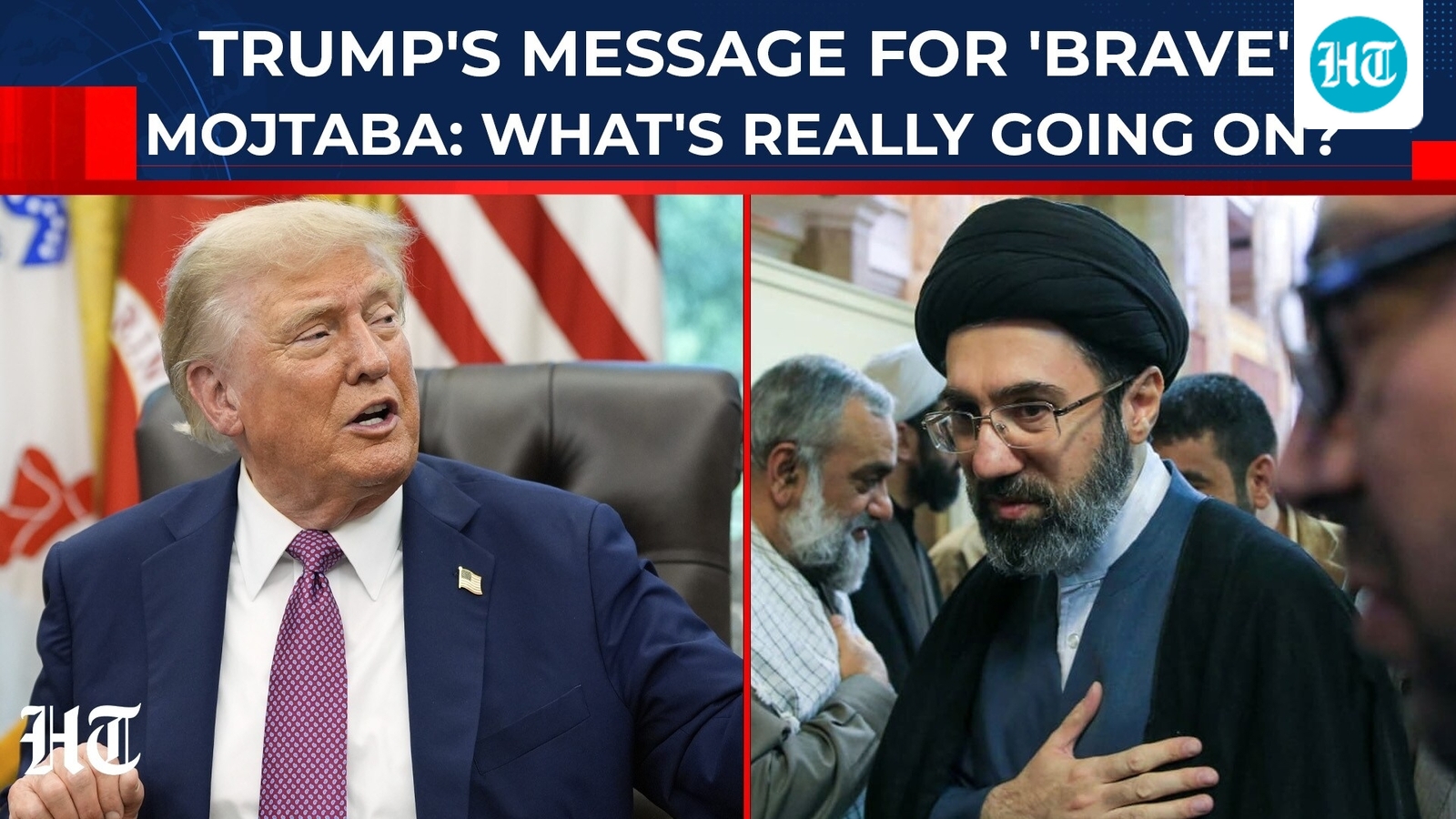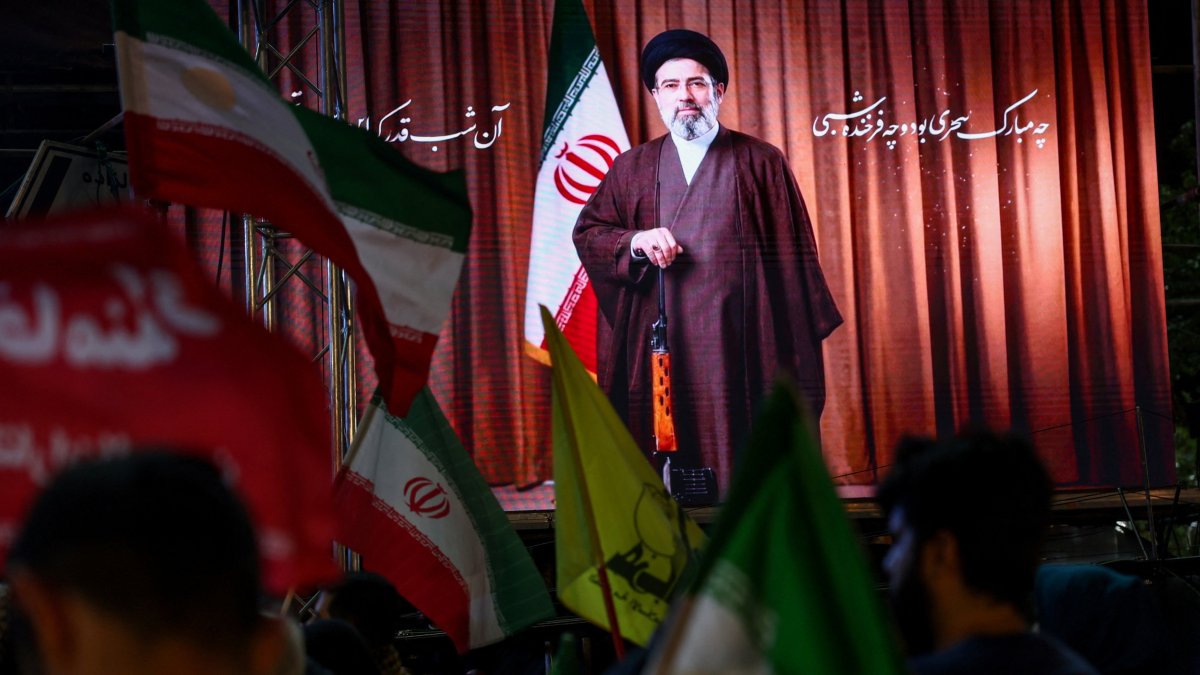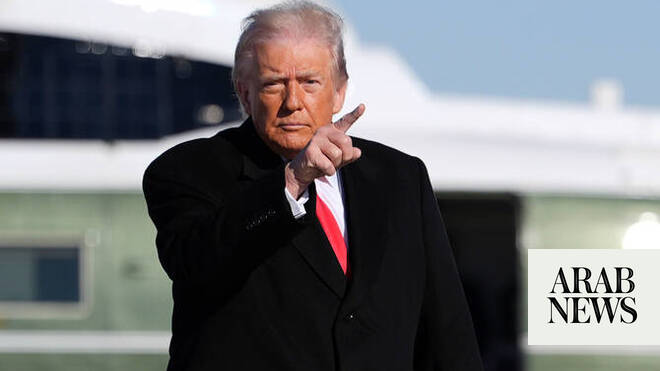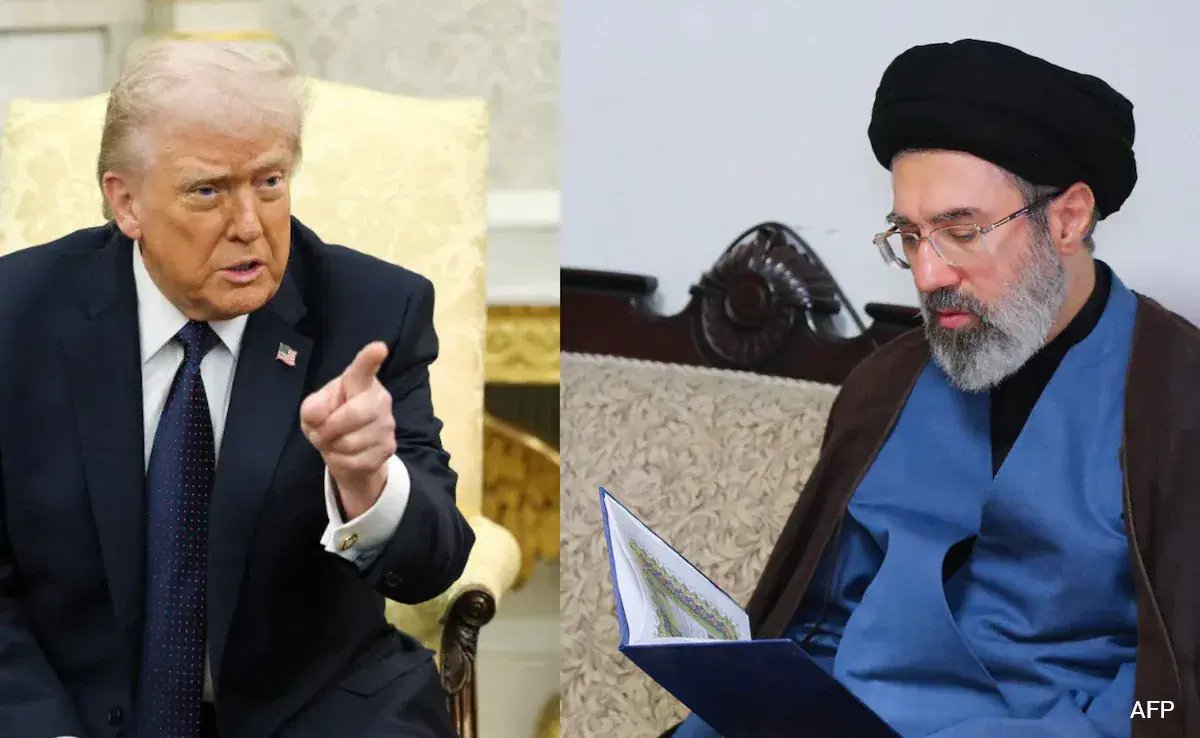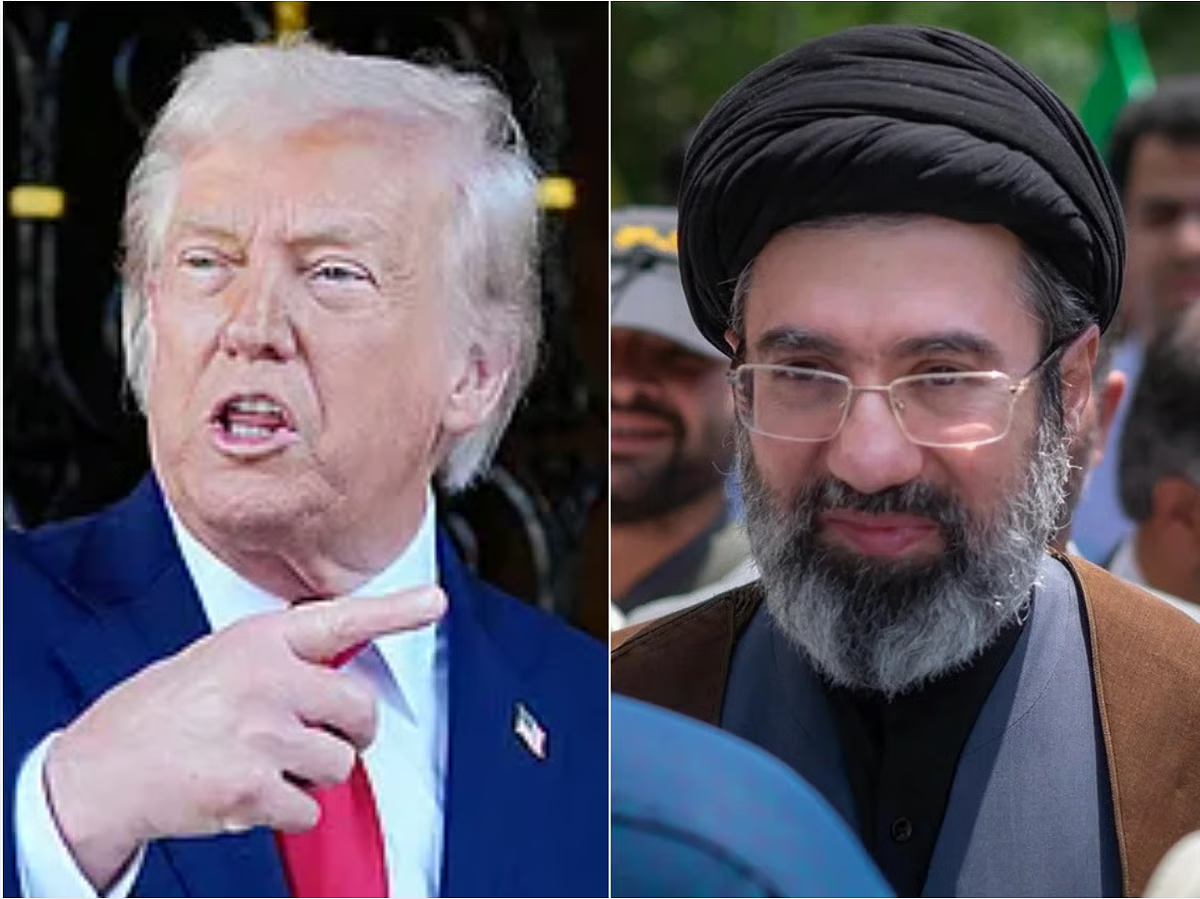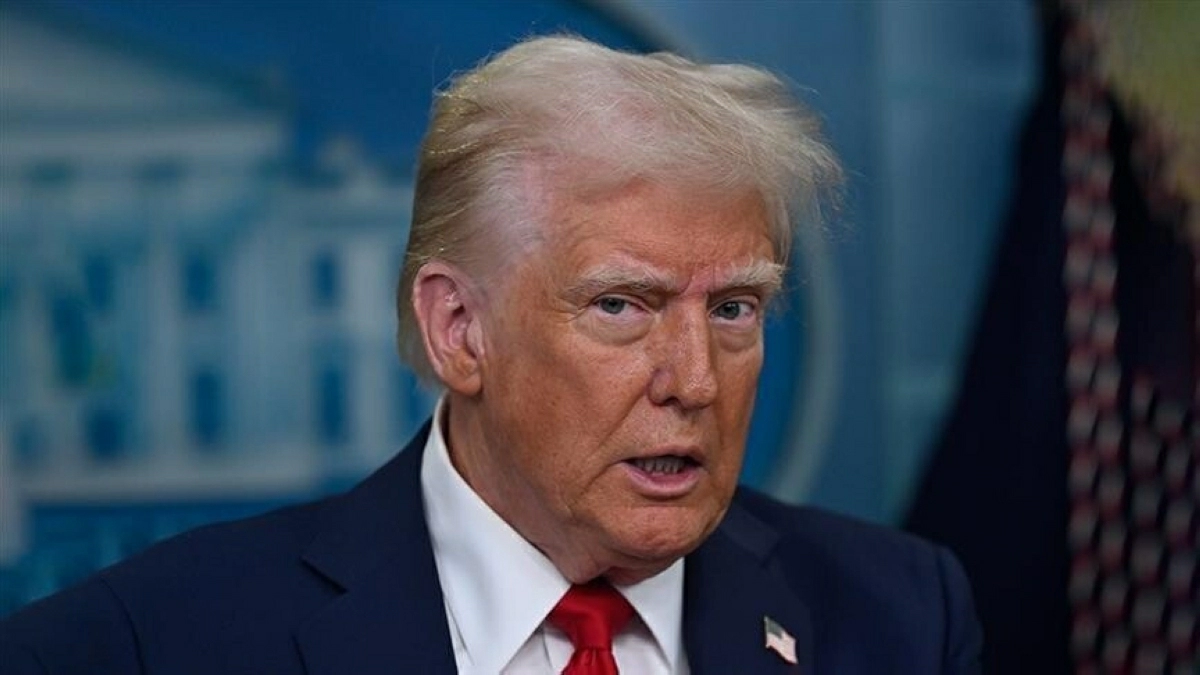
US President Donald Trump recently expressed interest in meeting with the Islamic Republic’s leader, Mojtaba Khamenei, during a conversation on the “Pod Force One” podcast. In response to a question regarding Mojtaba Khamenei’s role in negotiations between Tehran and Washington, Trump stated, “He is completely involved in this matter. I think they have a lot of respect for him.” Trump added that he had heard the leader of the Islamic Republic is “not doing very well,” but confirms and gives his approval during the course of the negotiations.
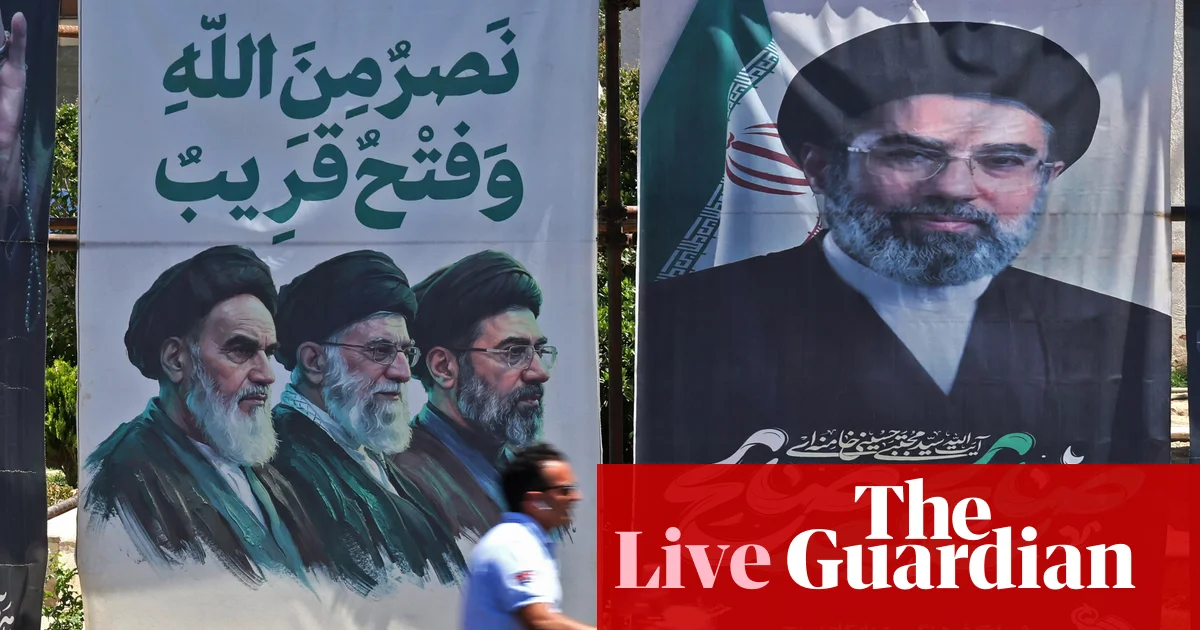
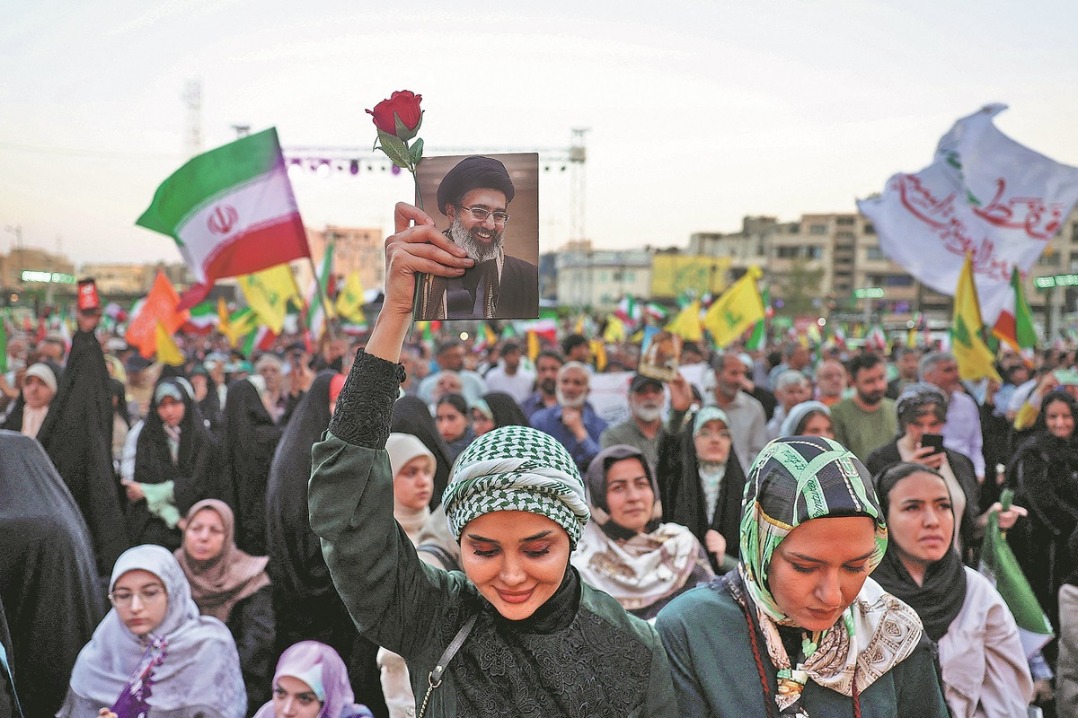
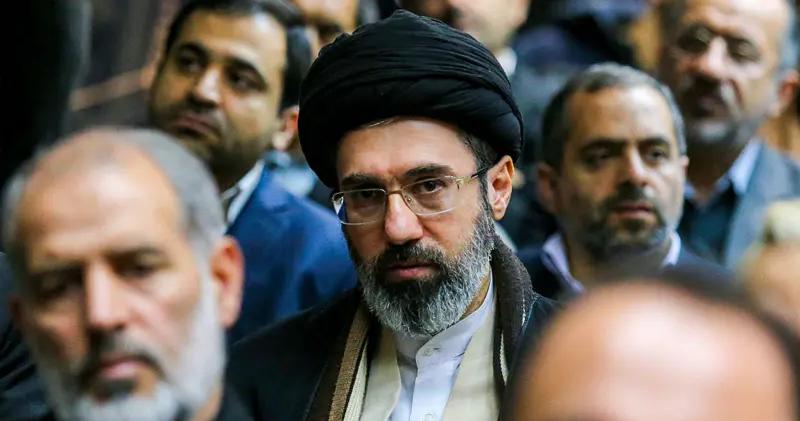
Since March 8, when the Islamic Republic’s media announced that the Assembly of Experts had selected Mojtaba Khamenei, the son of Seyyed Ali Khamenei, as the new Supreme Leader, he has never appeared in public and has only issued written messages. Explaining this absence, Member of Parliament Salar Velayatmadar stated: “Based on the opinion of the scholars of Najaf, Qom, and Mashhad, and the decision of security officials, no new images or works of his are being published for the time being so that enemies cannot harm him through specific channels and occult sciences, which are discussed in universities such as the Tel Aviv University of Occult Sciences.” With such pretexts, various state officials justify his absence from gatherings; but is the third leader of the Islamic Republic truly healthy, and why are the narratives regarding his health so contradictory?