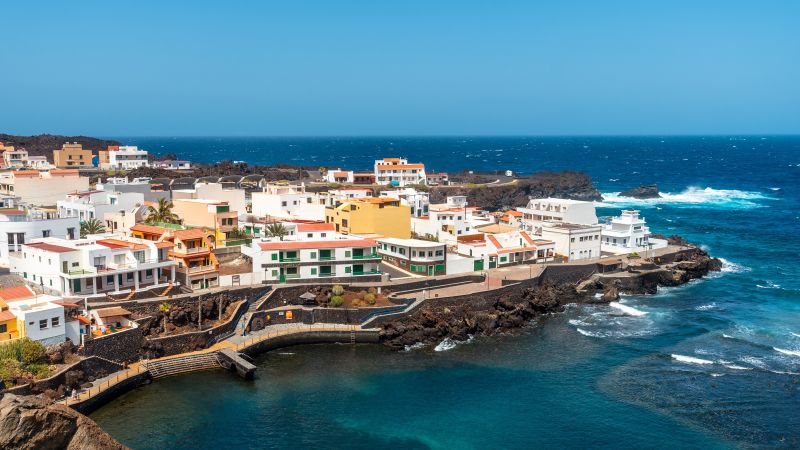
Once a day, as the sun drops behind the crowded southern coast of Tenerife, a single ferry carrying only a handful of foreign tourists departs from a quiet port dwarfed by the resort-laden coastline.
To reach its destination, two and a half hours away, the boat cuts an unruly path due west through the choppy waters of the Atlantic.
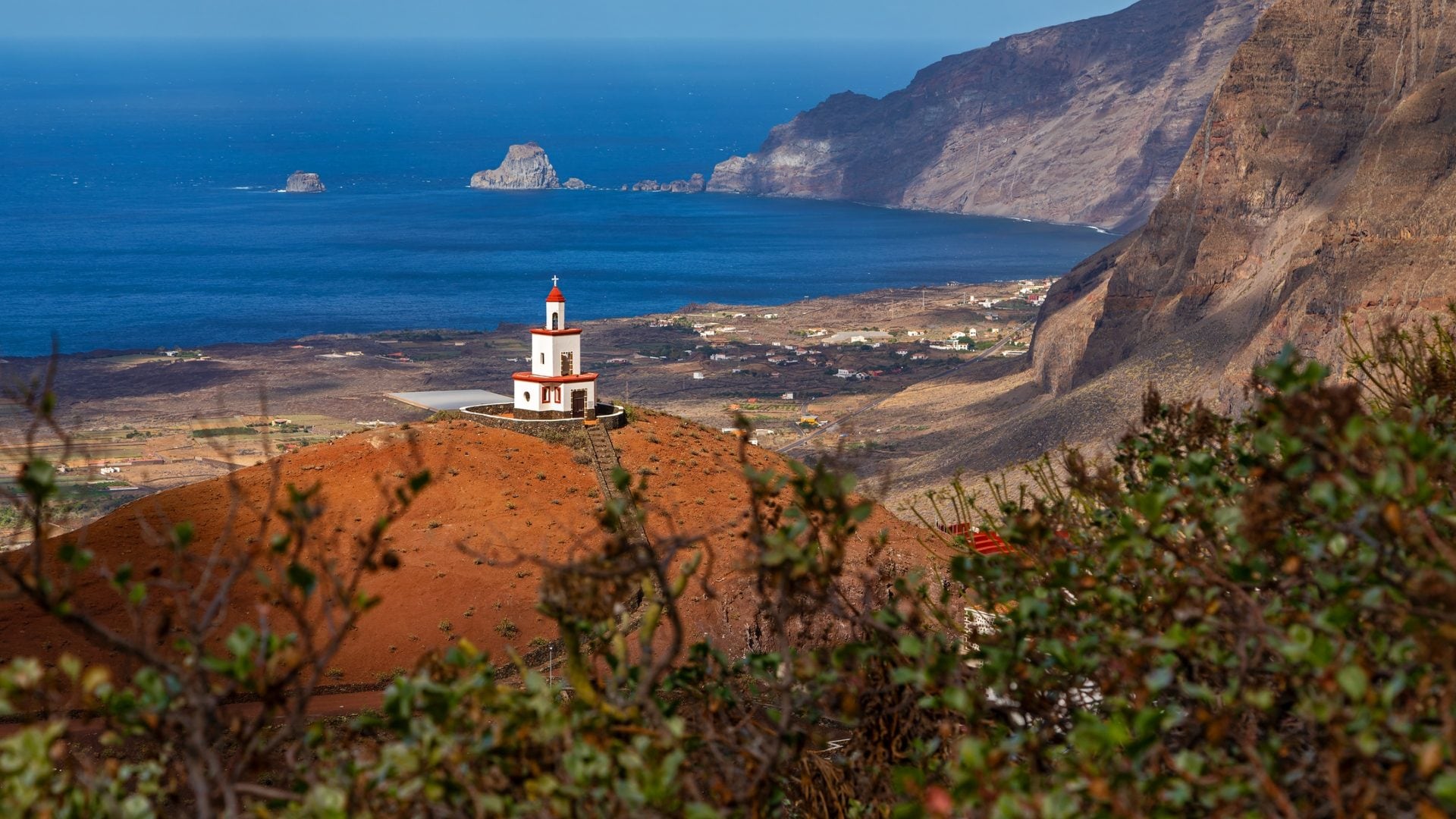
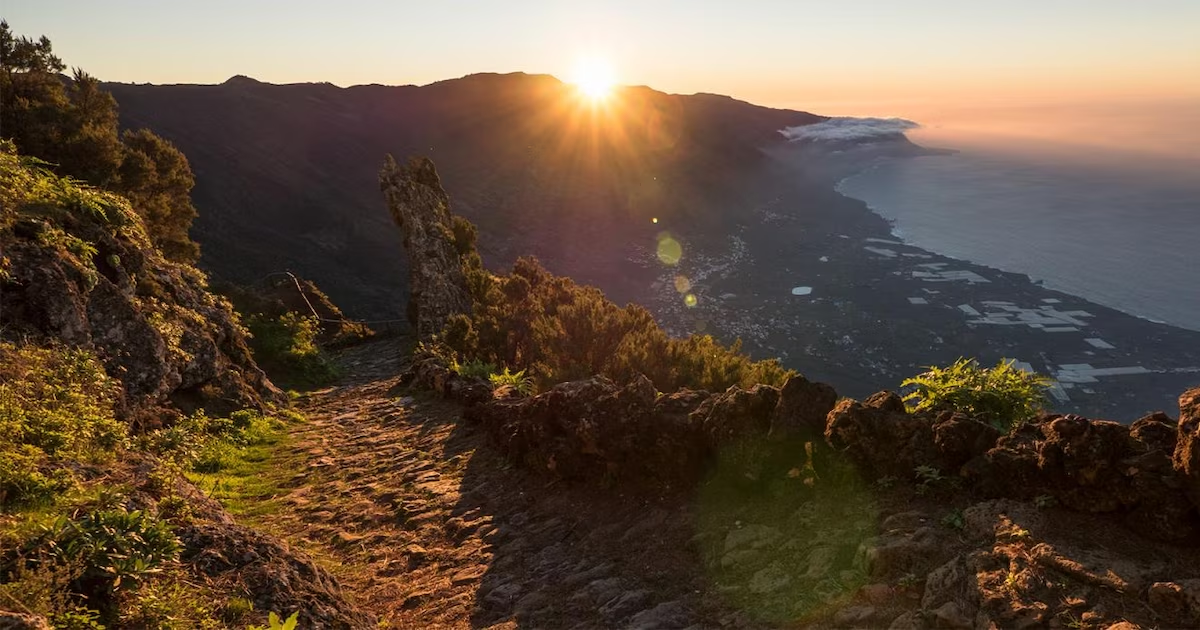
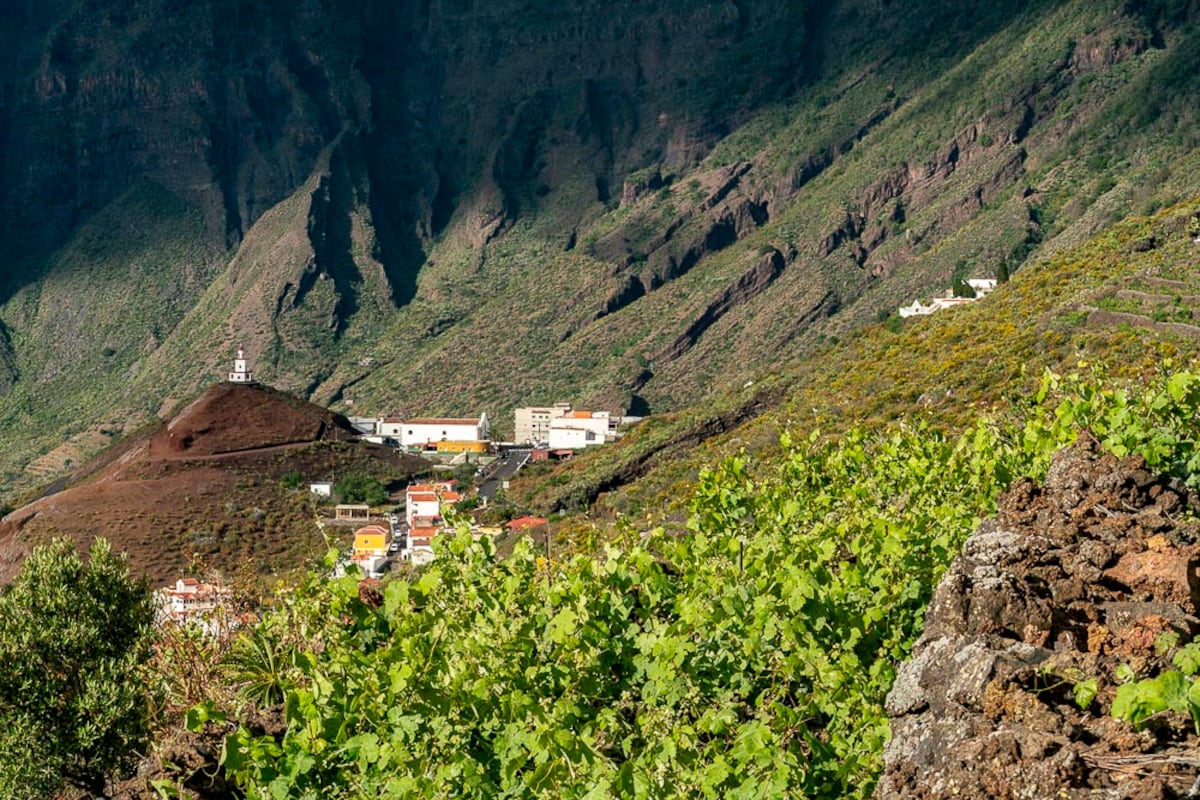
This tiny island was once believed to be the westernmost edge of the known world and was the last piece of land that Christopher Columbus saw after leaving Europe to encounter the Americas in 1492. Today, El Hierro — the most remote of Spain’s Canary Islands — is a destination for modern travelers looking to rekindle their own sense of discovery.
While the big-hitter islands like Tenerife, Lanzarote and Gran Canaria are saturated with visitors, El Hierro is relatively untouched by tourism. In 2024, over six million international tourists descended upon Tenerife. In the same period, only 4,100 came to El Hierro.
There’s a reason for that. El Hierro has few traditional tourist attractions and limited itineraries are offered by tour operators.