Good morning. CEO succession is never easy and coming up through the COO role can be especially tricky. The chief operating officer understands the breadth of the business, making it a popular role for a CEO-in-waiting. But the COO skillset—being an internal operator—doesn’t always translate into being an exceptional external leader.
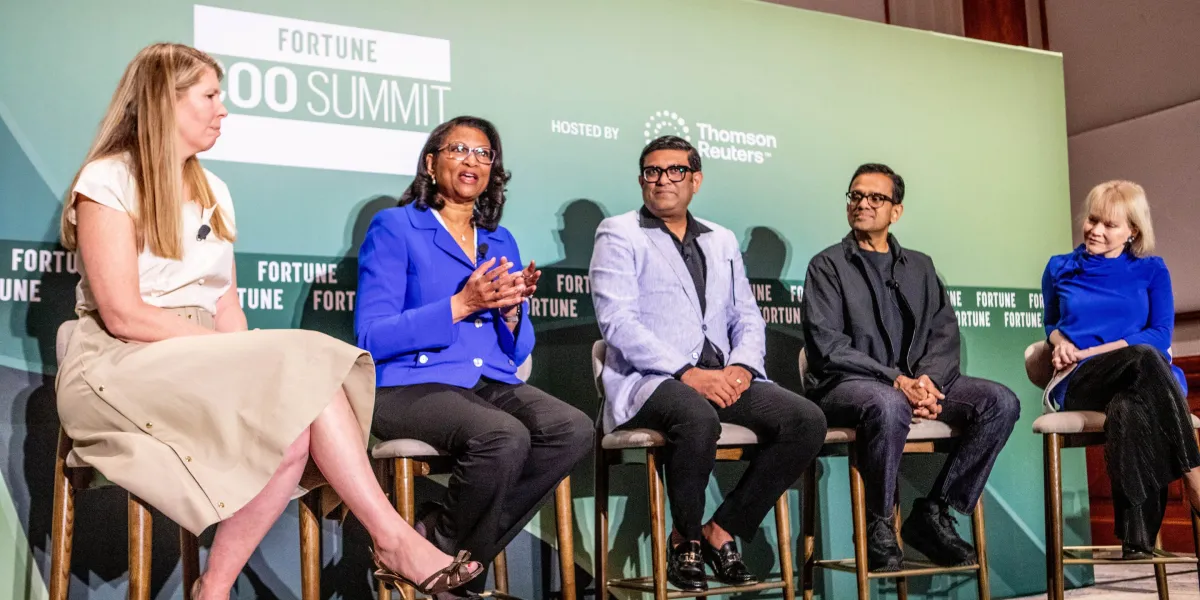
Companies often botch the COO-to-CEO transition; getting it right demands that both parties actively manage alignment, accountability, and the handoff itself. For any CEO navigating their own succession—and considering a promising COO as an heir-apparent—there are important lessons to consider. Two COOs-turned-CEOs I spoke to at this week’s Fortune COO Summit offered up a few.
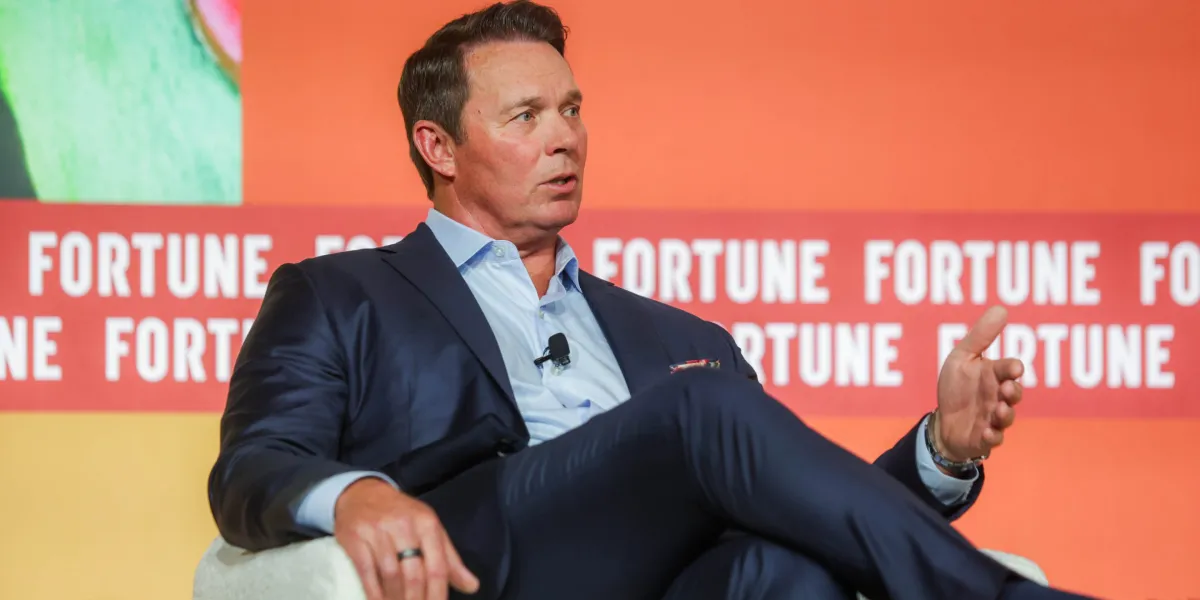
The first is Dan Peyovich, who spent four years as COO of Dycom Industries, working under a CEO who had run the company for 25 years, before replacing him in late 2024. Within months, he’d committed nearly $2 billion to acquire Power Solutions, giving the telecom and utilities contractors reach into data centers and a critical role in the digital infrastructure of AI. So how did he execute on his boss’s strategy when he knew he was going to change it?
“It’s about alignment and accountability,” Peyovich said. As COO, his job was to align with the boss and be responsible for his own results. (Here’s a video of our on-stage conversation.) You can also read about our conversation here.