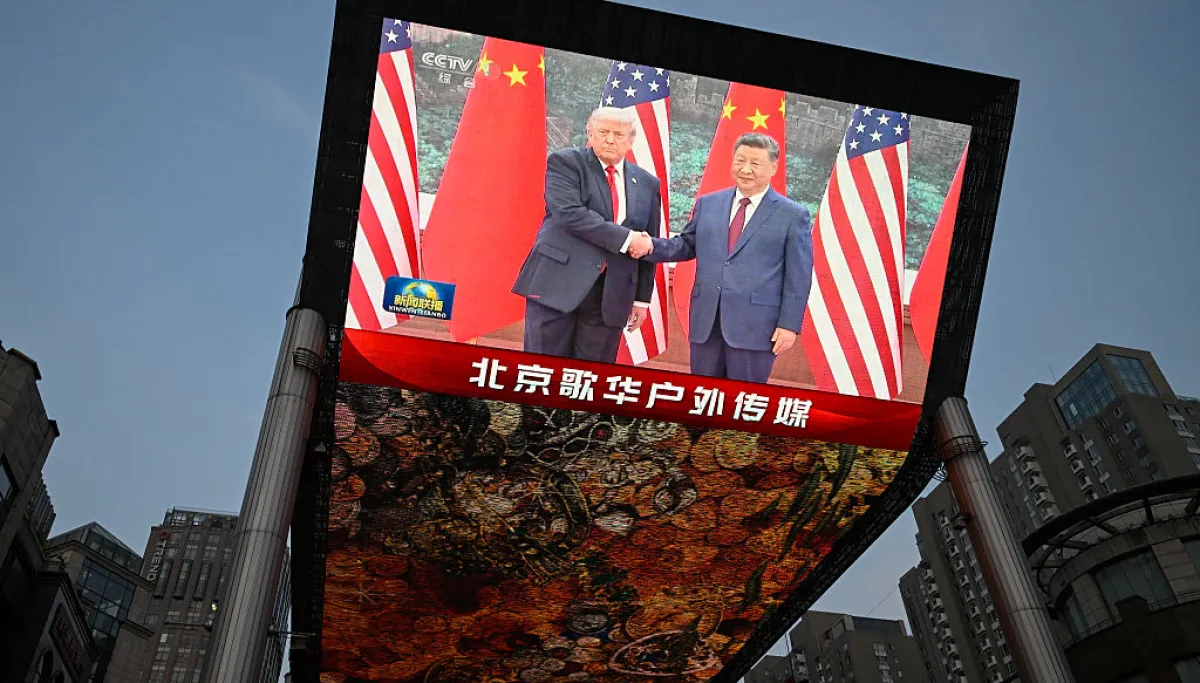
At the recent summit in Beijing, President Donald Trump and Chinese President Xi Jinping put artificial intelligence on the agenda. Treasury Secretary Scott Bessent emphasized the leaders’ focus on AI guardrails that balance “the most innovation and the highest level of safety.”The strategic question for the United States now is whether we will rely on an approach that plays into China’s strengths, or extend the race into an area we are best positioned to win. Today’s AI competition has been described too narrowly as a race for scale: Bigger data centers, more chips, larger models, more centralized data. But a contest defined only by centralized, hyperscale AI runs closer to Beijing’s strengths than ours. America needs domestic frontier models, built by American companies and governed by American values.
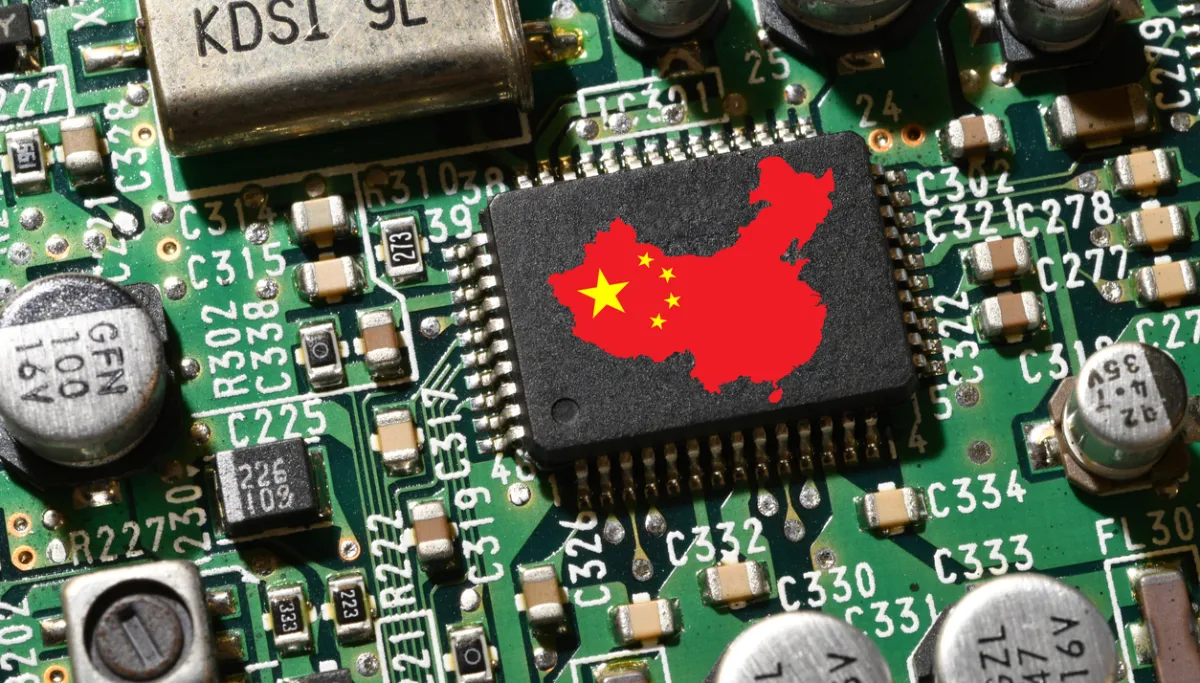
But China can align state power, industrial policy, data access, energy, surveillance, and capital in ways a democratic country cannot replicate, nor should it want to. If the contest is only about who can centralize the most computing data, energy, and capital, Chinese state-owned enterprises will eventually narrow the gap with U.S. competitors.
Fortunately, centralization is not the only path to AI leadership. Rather, the U.S. can compete with a distributed architecture, one in which AI models are controlled by the individual. A distributed architecture plays into America’s strengths — open markets, democratic institutions, and entrepreneurial speed — rather than concentrating capability in a handful of centralized hubs.