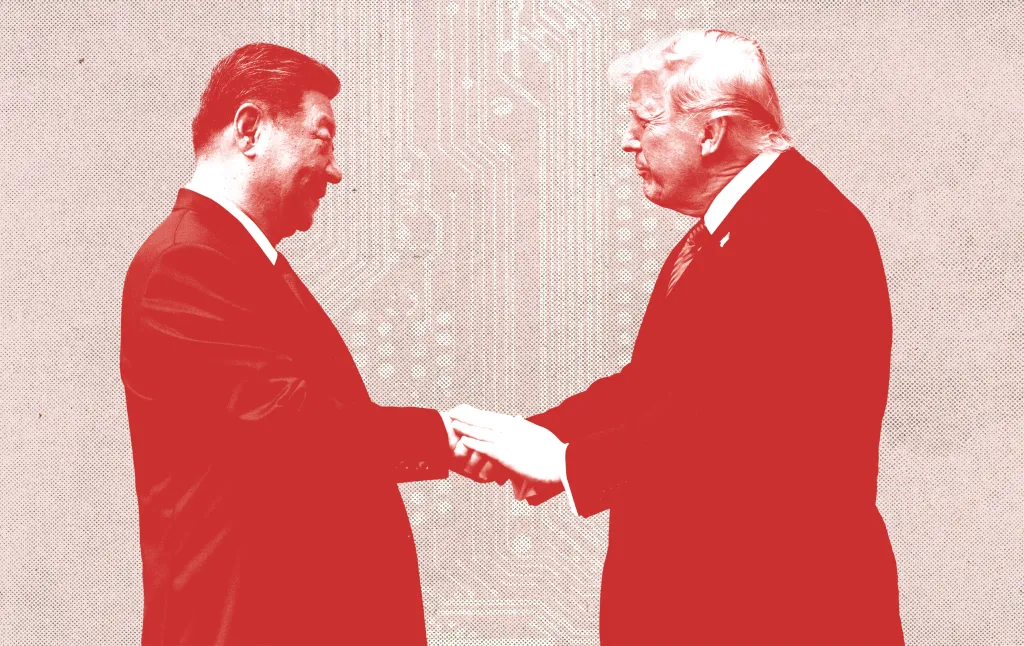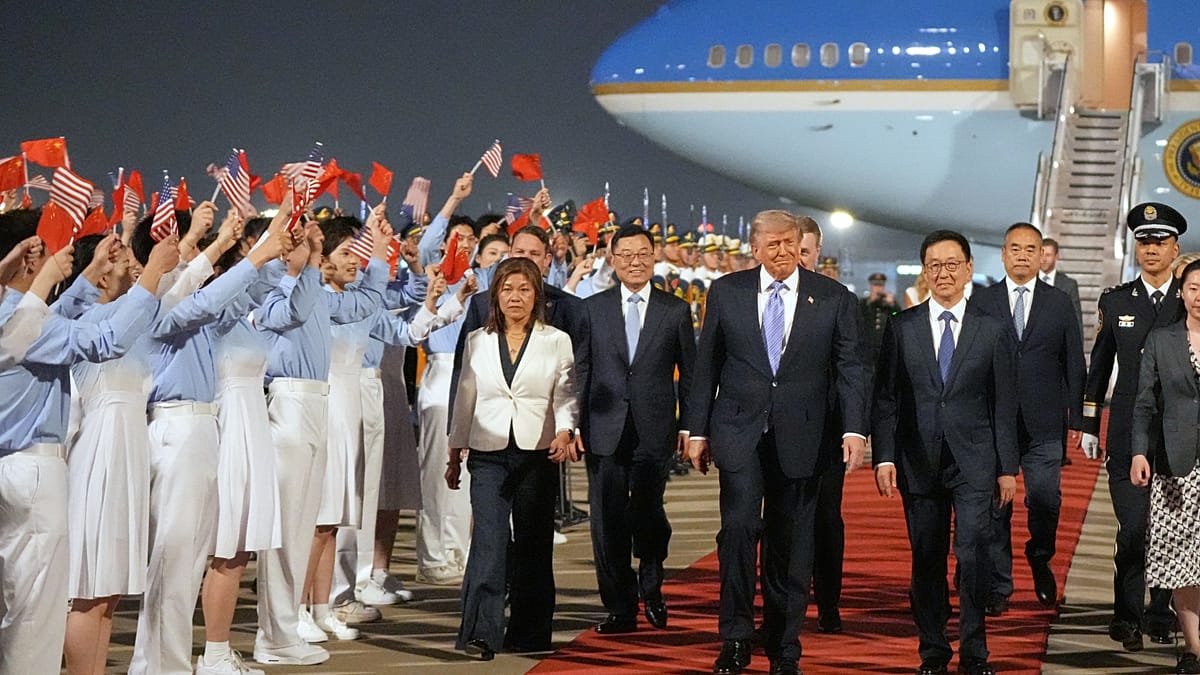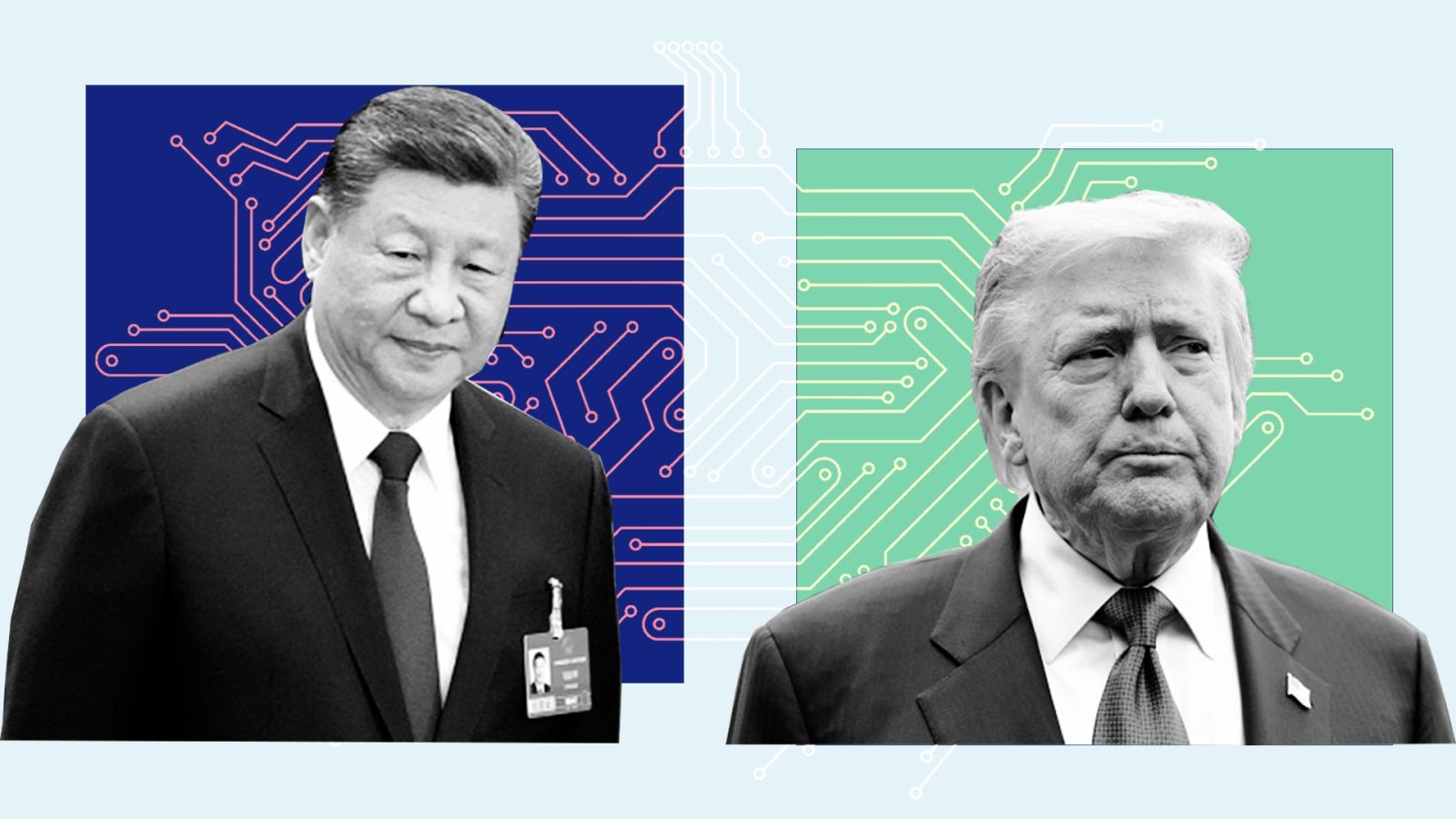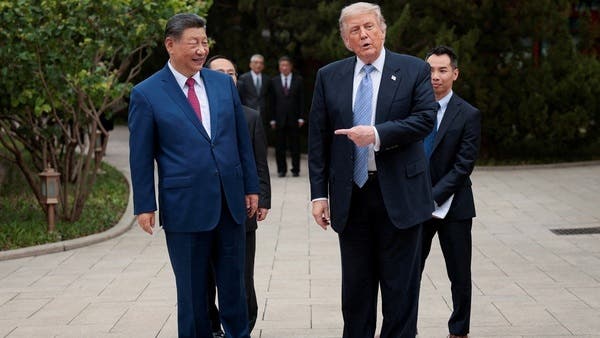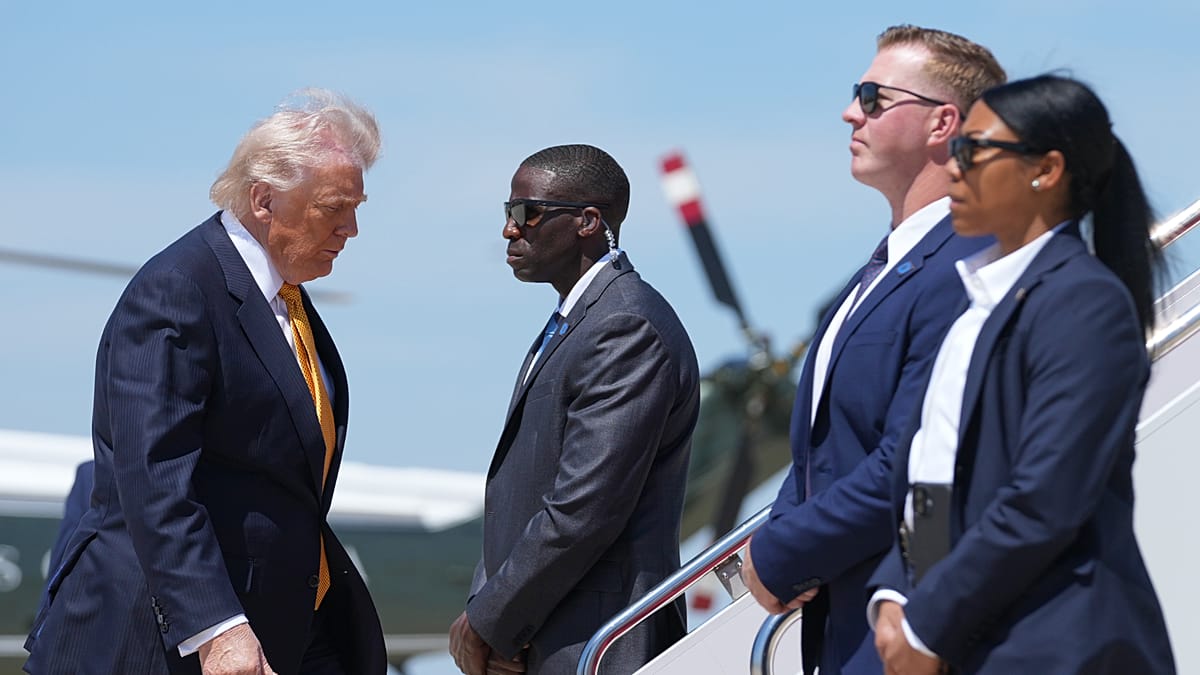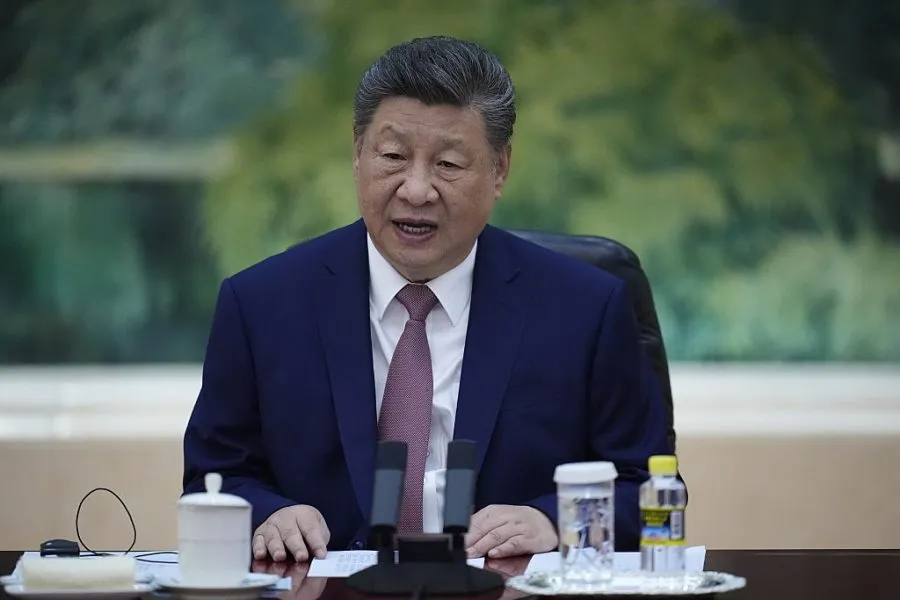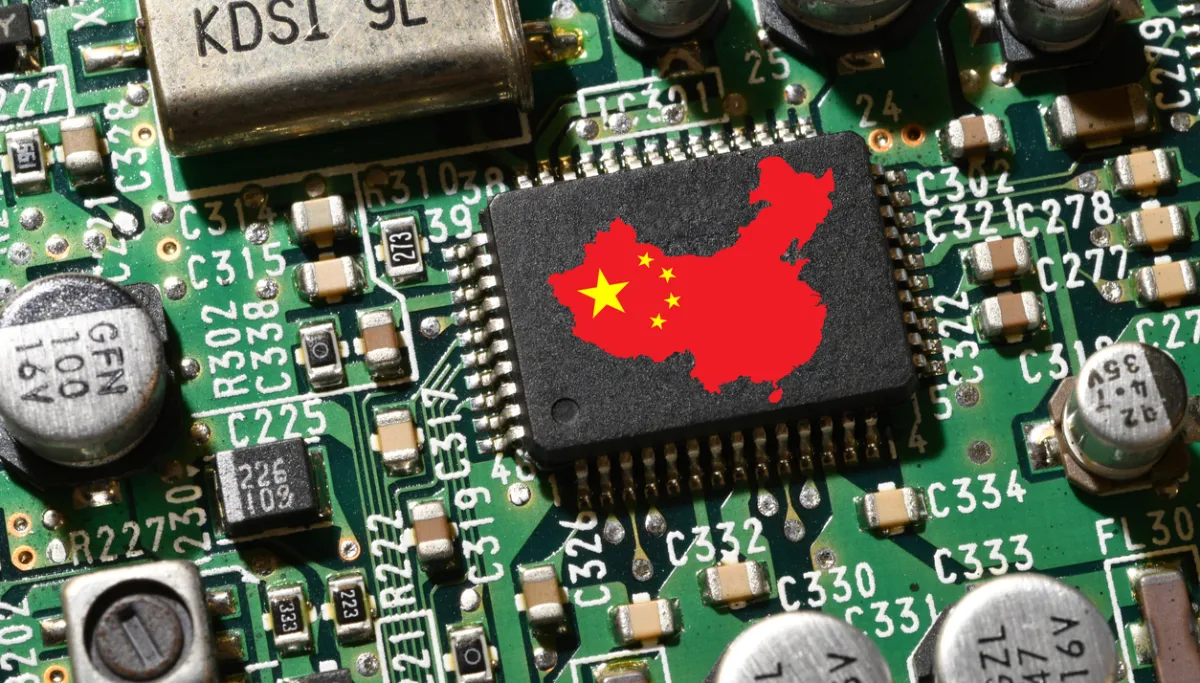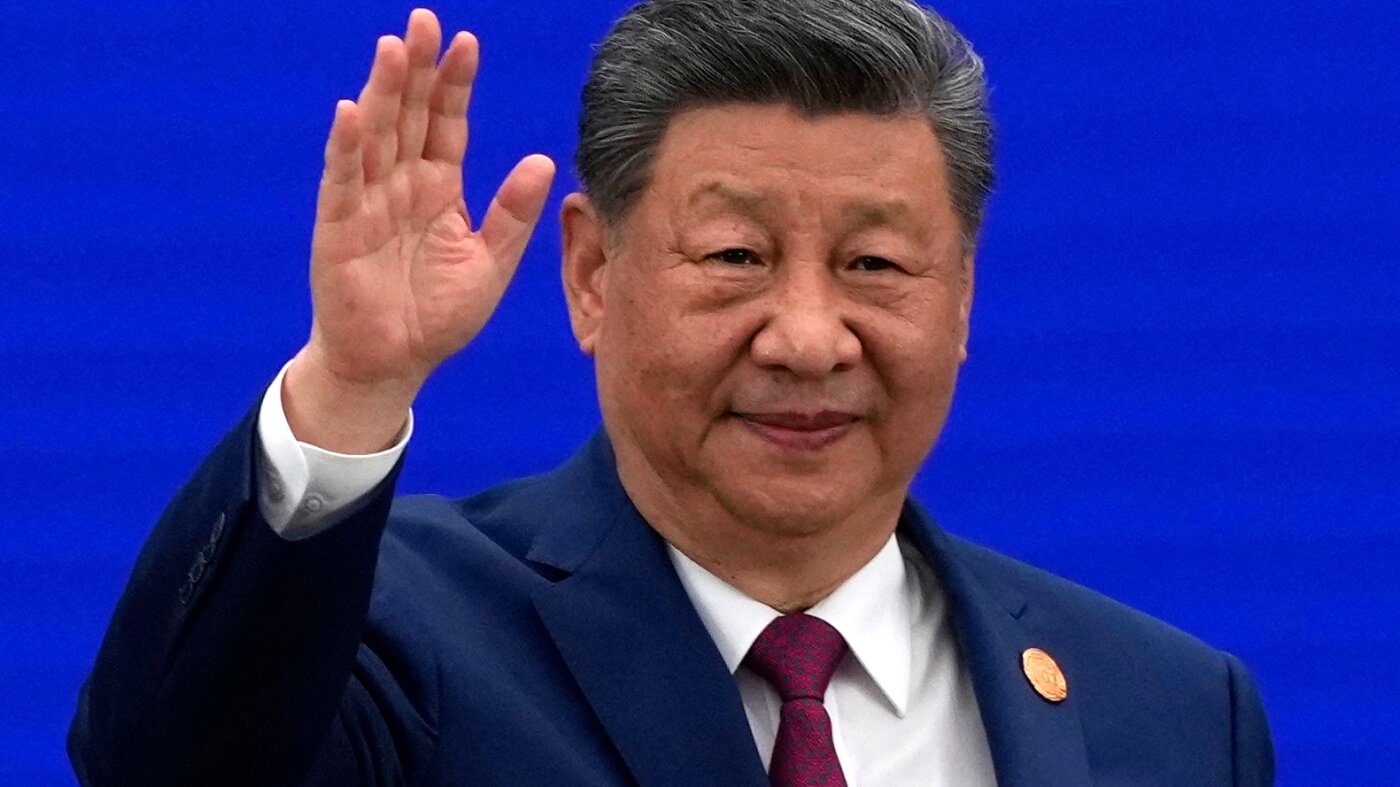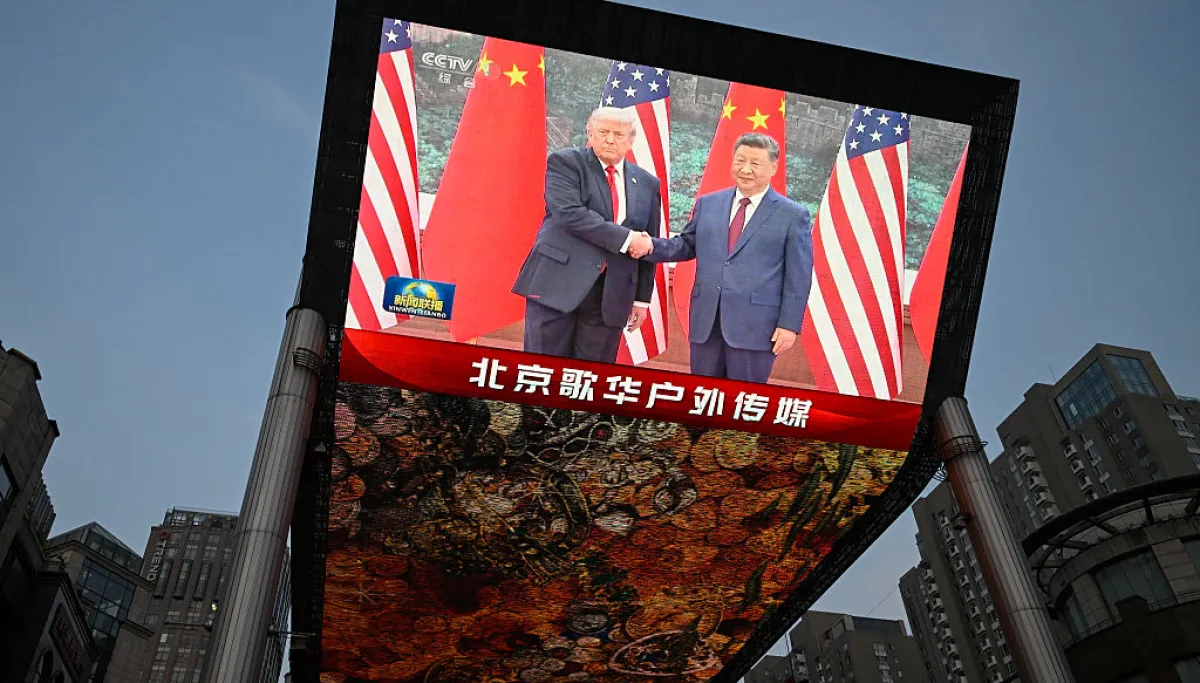
The agenda at President Donald Trump’s Beijing summit with Chinese President Xi Jinping included trade, tariffs, rare-earth metals, Taiwan, Iran, religious freedom, and various other topics, but one pressing matter attracted little attention from the leaders of the world’s two most powerful countries: their escalating race to dominate advances in artificial intelligence.In recent months, AI developers in China — at the behest of and with substantial assistance from the Chinese Communist Party — have closed the gap with their counterparts in the United States, often using highly suspicious means of doing so. In parallel, Beijing appears to be orchestrating, through none other than Sen. Bernie Sanders (I-VT), a campaign to stymie the growth of American data centers, the behemoth facilities that power the AI revolution. If policymakers fail to respond to the CCP’s mounting challenge, the U.S. will find itself on the short end of the most important technological revolution this century.So how exactly did China manage to (nearly) catch up to America’s tech giants? What role are Xi and his minions playing? And how can we fight back?
The gap narrows
Last month, Stanford University’s Institute for Human-Centered Artificial Intelligence released a study finding that China is rapidly closing the AI gap with the U.S. “For years,” the researchers concluded, “the U.S. outpaced all other global regions on AI — in model size, performance, artificial intelligence research, citations, and more. But China emerged as an AI counterweight to the U.S., gradually gaining ground, and this year it appears to have nearly erased any U.S. lead.”