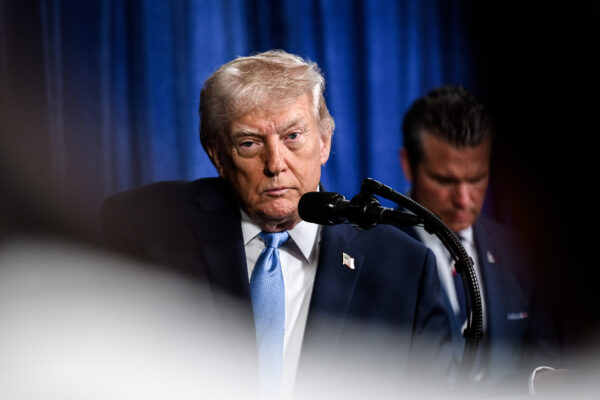
U.S. President Donald Trump’s new executive order on artificial intelligence (AI) signals a sharper strategic turn in Washington’s technology policy. The order brings the U.S. national security state closer to the companies developing AI models. Its core purpose is to preserve U.S. innovation while ensuring that the most powerful AI capabilities support U.S. cyber defense, critical infrastructure and strategic competition with China. The result may be a more divided global AI order, with Chinese models facing growing scrutiny over security, data and political alignment.
From Risk Management to Strategic Competition
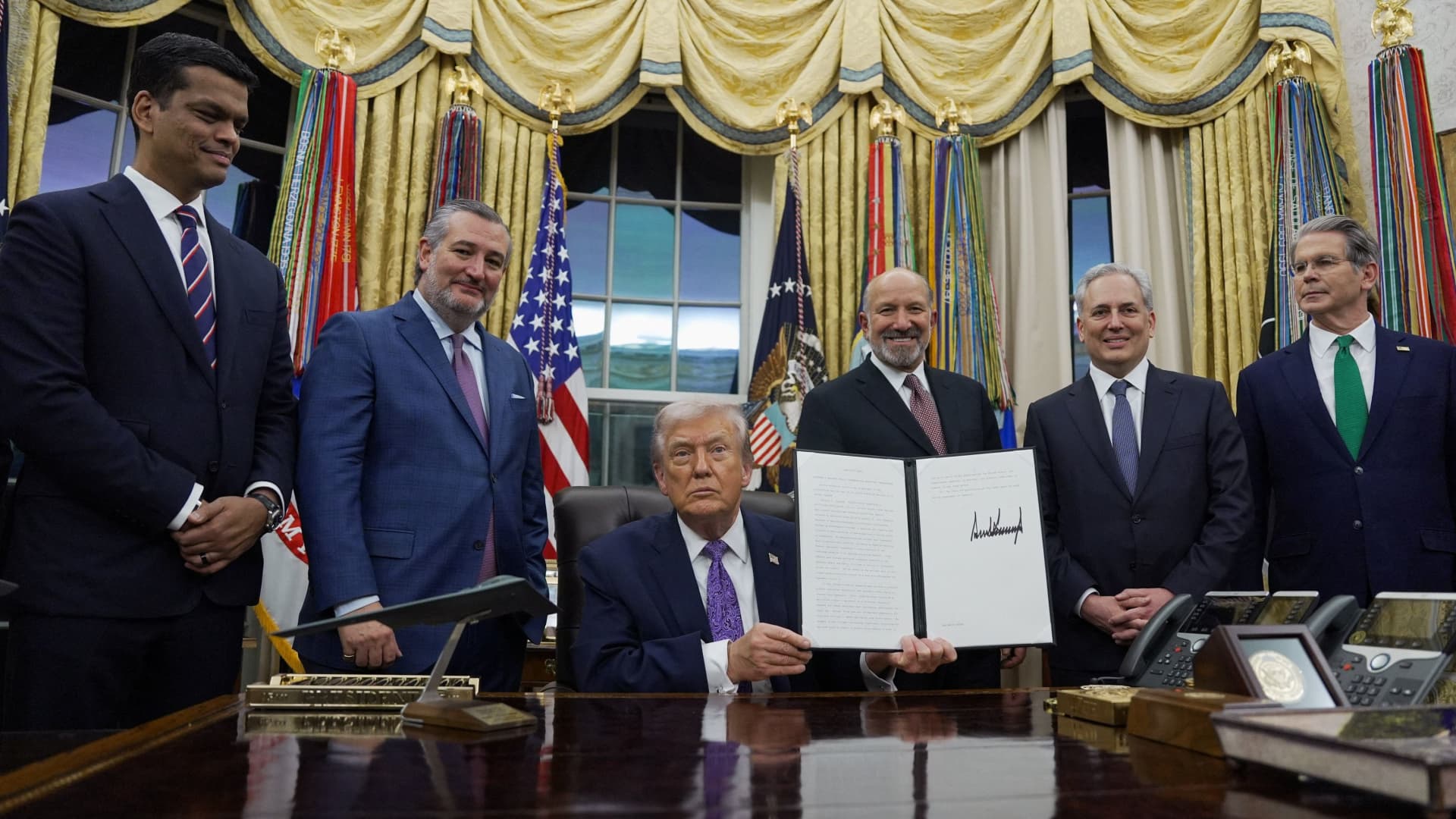
Trump’s order “promoting advanced artificial intelligence innovation and security,” released on June 2, appears at first glance to be a regulatory document. It establishes a framework for identifying protected frontier models, encourages voluntary cooperation between companies and federal agencies, and strengthens the use of AI in cyber defense.
But the order is more than an attempt to manage the risks of new technology. It is a statement about how Washington now understands AI in the context of China-U.S. competition. Advanced AI models are no longer treated simply as commercial products or tools for productivity. They are increasingly regarded as strategic assets linked to national power.