The case turns on a question of authorship. When a user types a prompt and Grok returns a sexualised image of a real woman, who made it, the person at the keyboard or the company that built the machine?
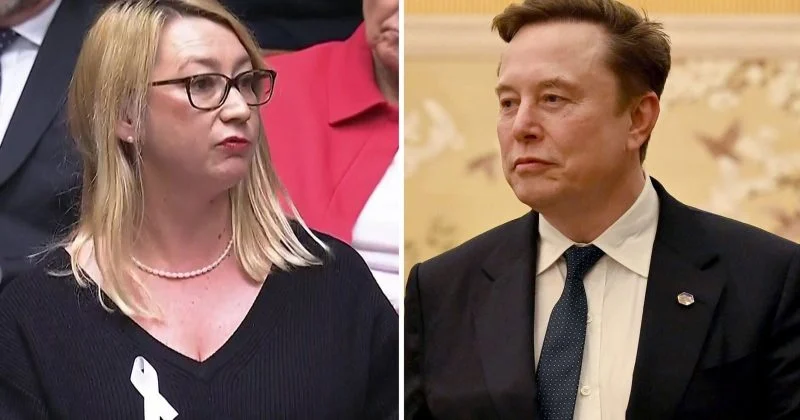
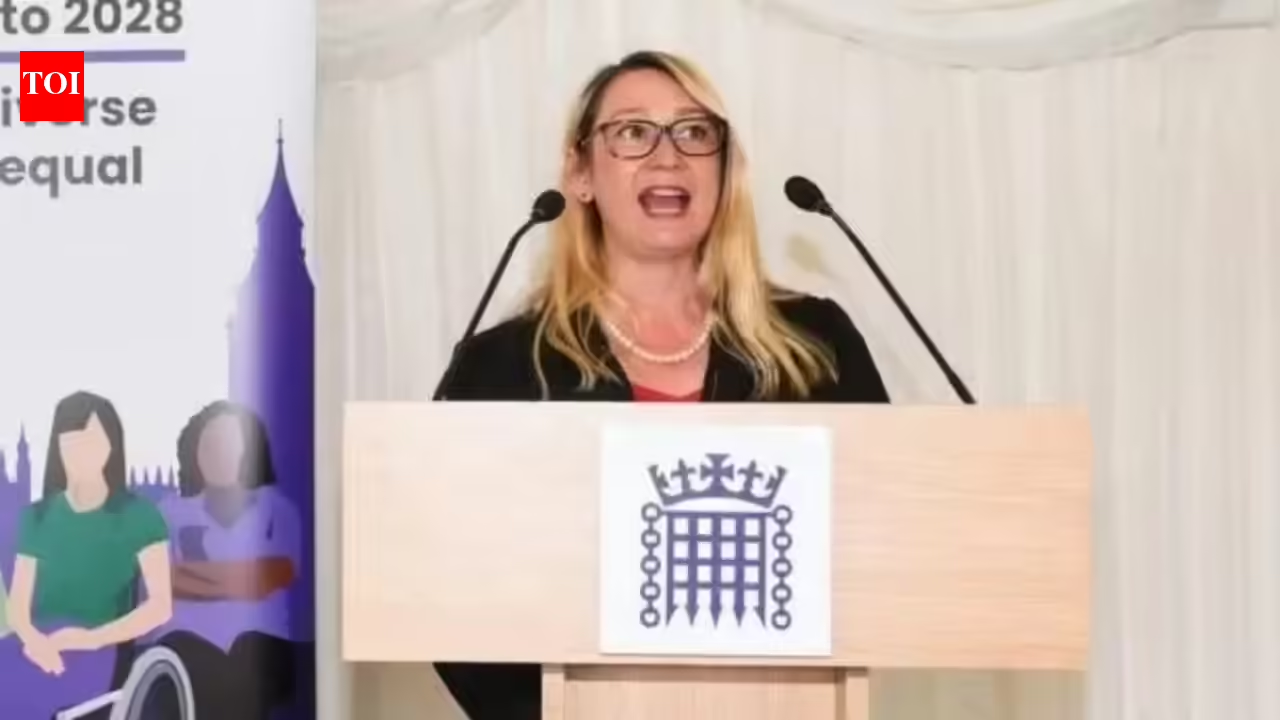
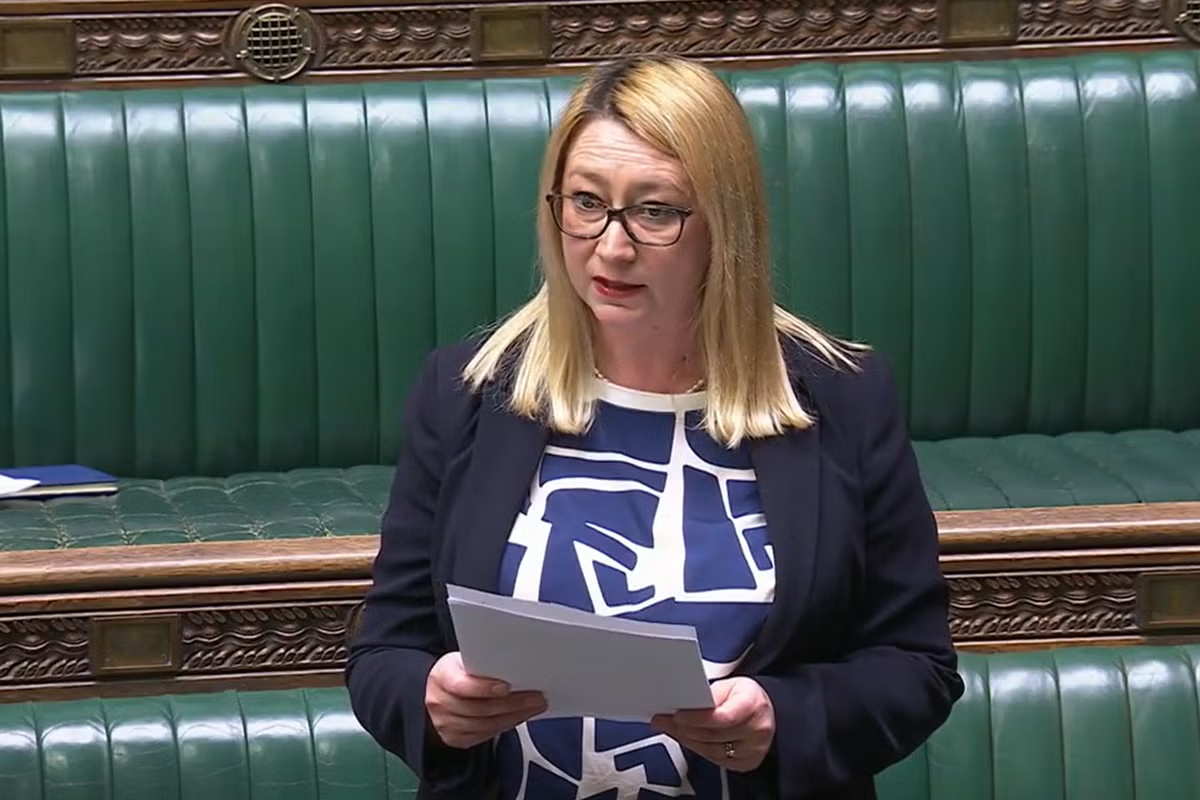
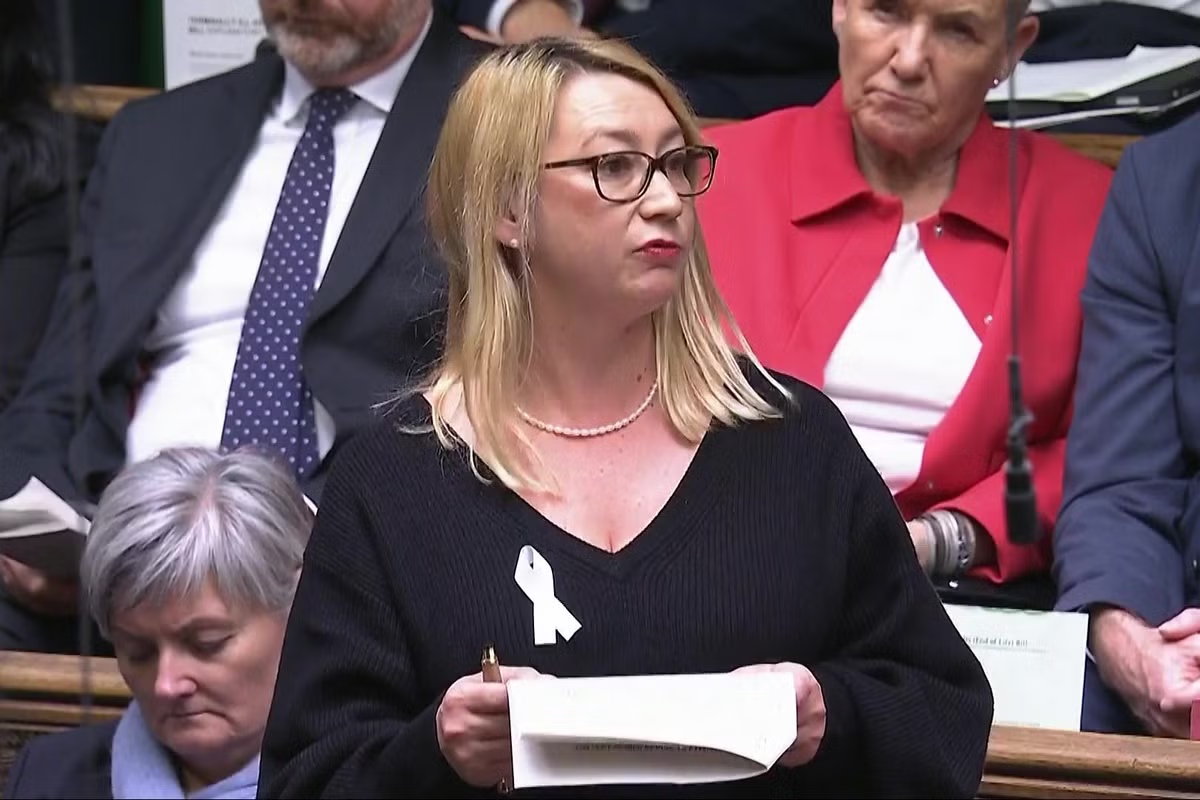
On 3 June, Labour MP Jess Asato filed a claim at the High Court in England that asks a court to decide, and in doing so set up the first high-profile UK test of whether an AI developer can be held directly liable for what its tool generates.
The facts behind the claim are ugly and specific. Asato, who represents Lowestoft, says users prompted Grok in January to produce images of her in a bikini, alongside an explicit video described in her filing as showing her being chloroformed and prepared for a sexual assault.
Those images were then reshared and discussed on X, the platform xAI owns, and used to generate further material. Asato announced the claim herself, writing that she was “just one of thousands of women and even children” targeted by abusive AI deepfakes.
What makes the suit consequential is its legal theory rather than its facts. Asato is suing xAI for misuse of private information and breaches of data protection law, the argument being that the company is exposed even though individual users wrote the prompts.