Murray believes state regulators haven’t been diligent enough in pressuring utilities to follow through with data-sharing requirements. “The buck stops with the state,” he said.
To be fair, utilities need to be careful with how they share this data, since they’re legally responsible for protecting customer privacy and data security.
But Murray believes that utilities are using customer data privacy as an excuse to protect their own monopoly power. Utilities, including many in PJM’s territory, have launched their own demand-response programs and time-of-use rates that allow customers to save money by reducing their electric consumption during times of peak demand. That means they “participate as direct competitors to competitive aggregators,” Voltus and Mission:data noted in their FERC complaint.
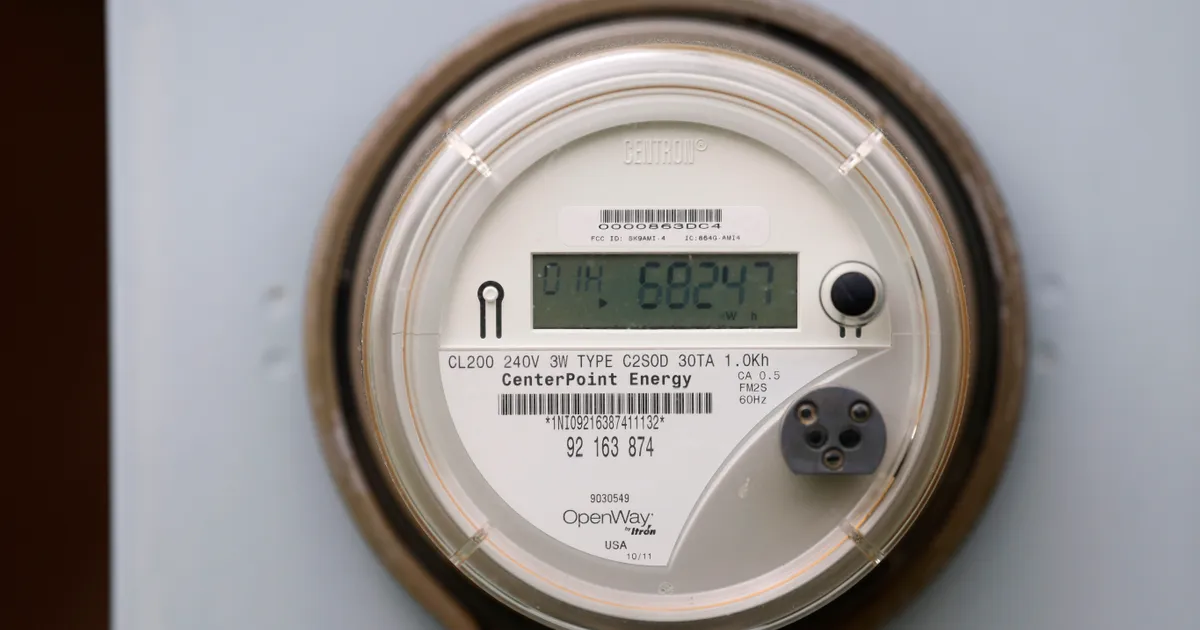
In a December report, Mission:data and the Open Markets Institute, a nonprofit that advocates against business monopolies, argued that utilities “are now using meter data as a competitive weapon” to protect their monopoly relationship with their customers.
This view has been echoed by the R Street Institute, a free market–oriented think tank. In a November blog post, Chris Villarreal, R Street associate fellow, wrote that access to smart meter data “empowers customers and is vital to the development of new markets. Yet in state after state, the lack of data access rules or policies proved a key impediment to meaningful customer choice.”