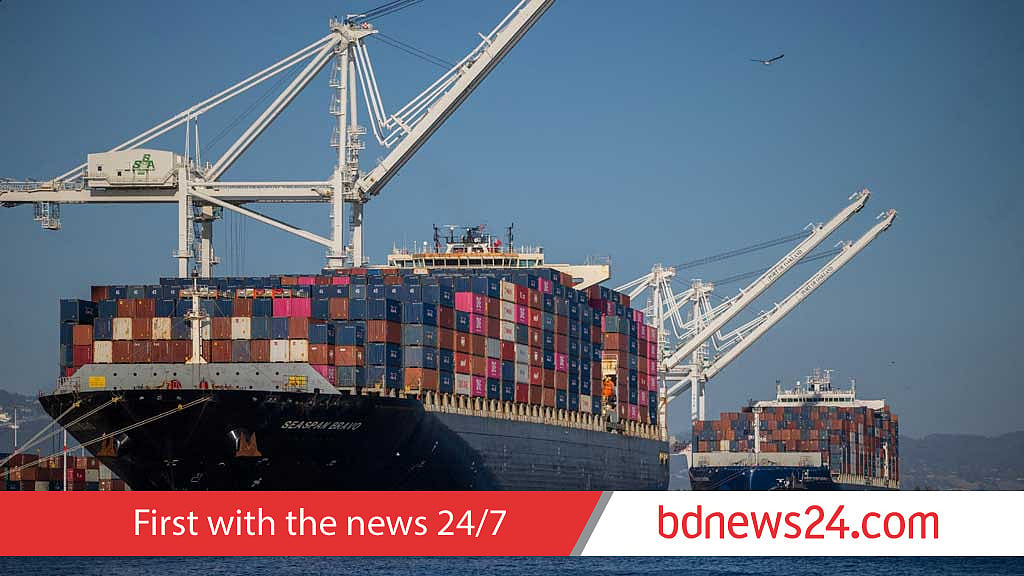
The Office of the United States Trade Representative dropped a nearly 100-page report on June 2 proposing fresh tariffs on imports from a dozen economies that, according to the agency, have failed to crack down on goods produced with forced labor. The proposed duties range from 10% to 12.5%, depending on how much effort each country has put into addressing the problem.
Here’s the thing: this isn’t a narrow action targeting a single bad actor. It’s the culmination of 60 separate Section 301 investigations launched back in March, covering a wide swath of the US trading landscape. The countries on the receiving end include both adversaries and close allies.
Two tiers of tariffs, one message
The USTR carved the targeted economies into two buckets. Countries that have at least demonstrated some commitment to banning forced-labor imports, including Canada and the European Union, would face a 10% additional duty. Economies that lack meaningful forced-labor import prohibitions, notably China and India, would get hit with 12.5%.
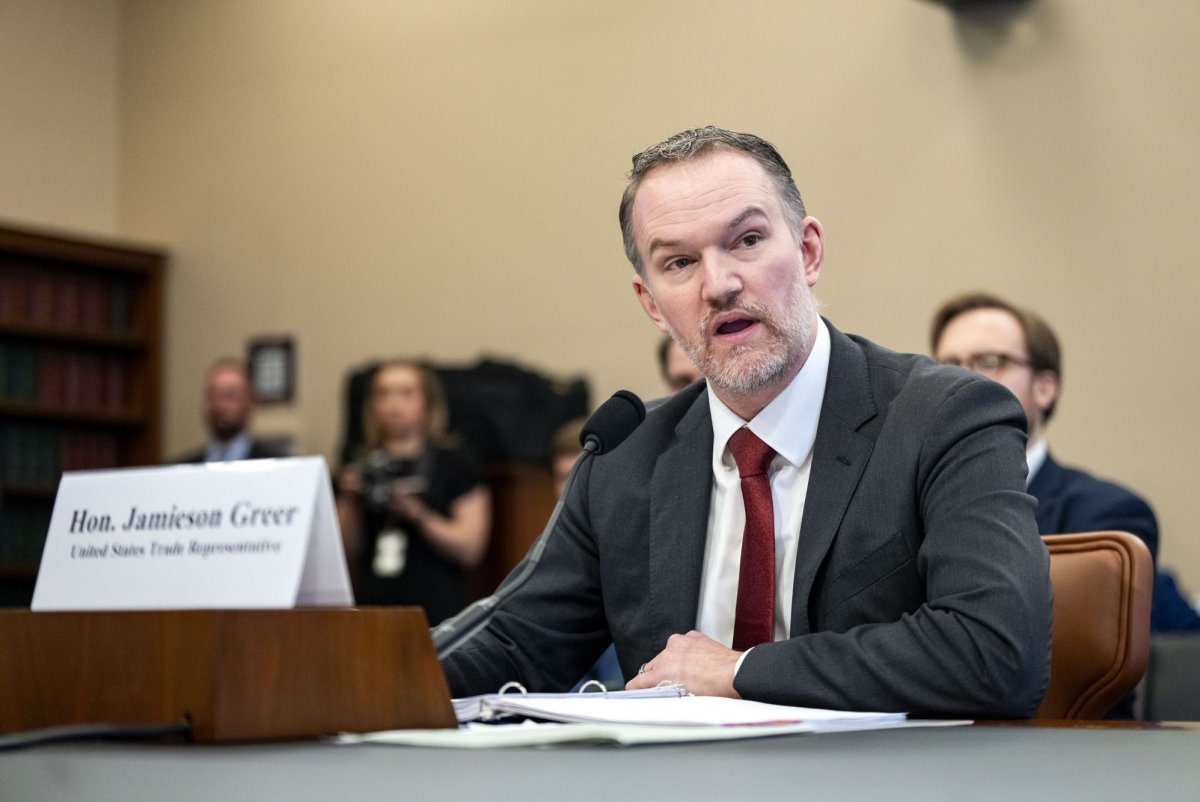
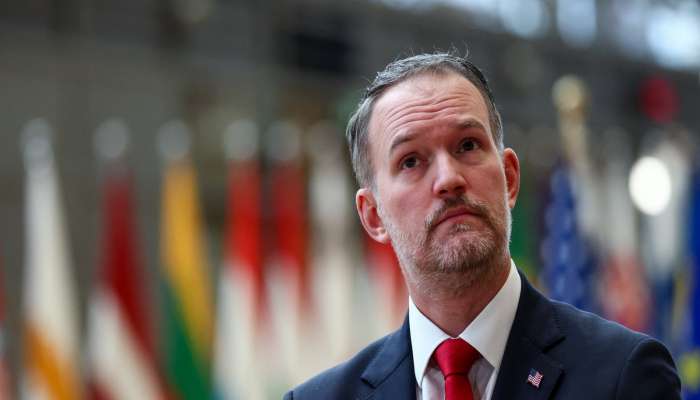
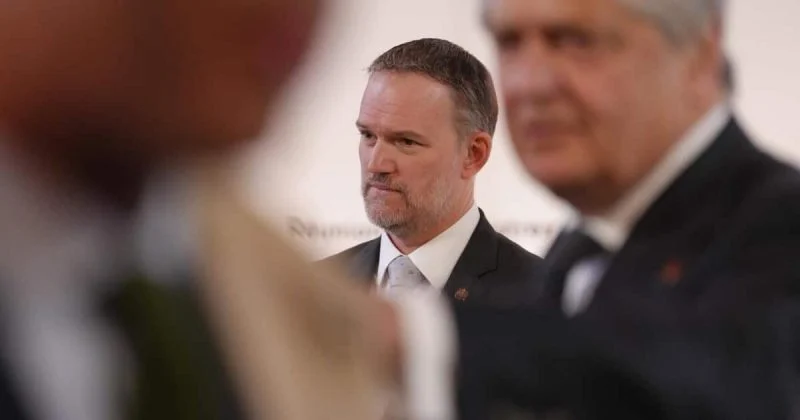
Trade Representative Jamieson Greer framed the action in moral terms, emphasizing that allowing forced-labor goods to flow freely into US markets is unacceptable.