Chip Somodevilla / Getty Images
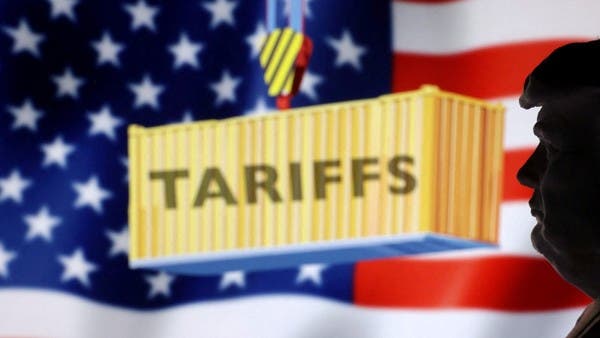
The Trump administration proposed additional tariffs on imports from 60 economies, finding that all of them had failed to impose or enforce prohibitions on goods produced with forced labor.
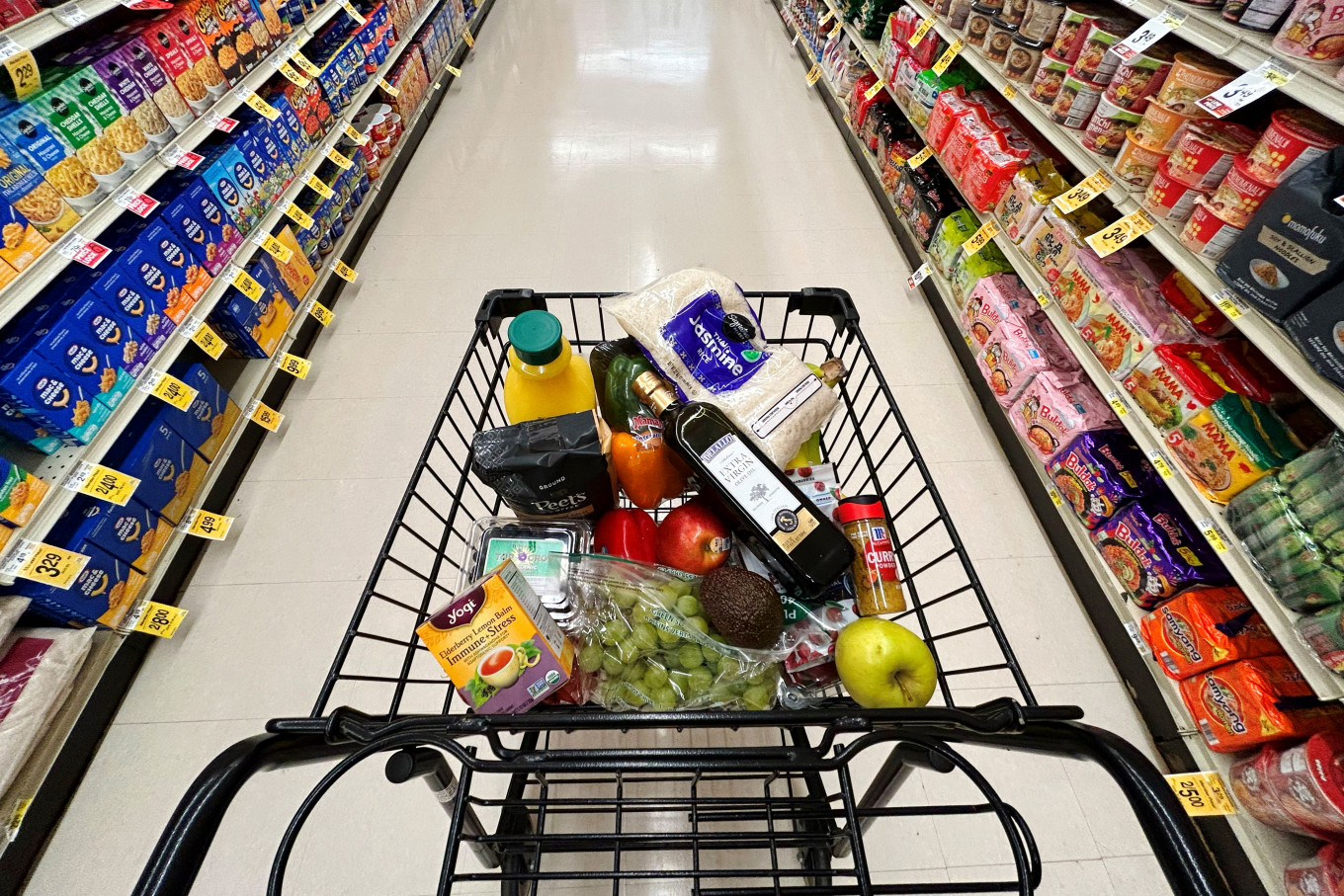
Economies with existing or partial forced labor import bans — among them Canada, Mexico, the E.U., Taiwan, and the U.K. — would face a 10% duty, while the remaining economies, a group that includes China, India, Japan, South Korea, and Australia, would be hit with a 12.5% rate. Apparel and textile imports from certain economies would be eligible to enter the U.S. below the standard tariff rate under a separate quota-based textile mechanism also included in the proposal. Several product categories are exempt from the tariffs, including energy, pharmaceuticals, beef, coffee, and certain fruits and vegetables.
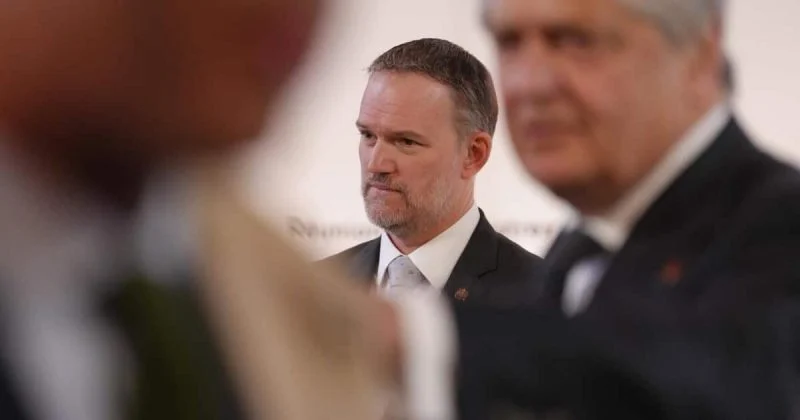
"The failure of our most important trading partners to address the importation of goods made with forced labor is unacceptable. This creates a dynamic where American workers are forced to compete globally on an unlevel playing field," U.S. Trade Representative Jamieson Greer said in a statement. "We will no longer tolerate this disparity."
Of the 60 economies examined under the Section 301 investigation, 54 had no forced labor import prohibition whatsoever; the remaining six — Canada, Ecuador, the E.U., Indonesia, Mexico, and Pakistan — had adopted relevant laws or commitments but were found to be falling short on enforcement.