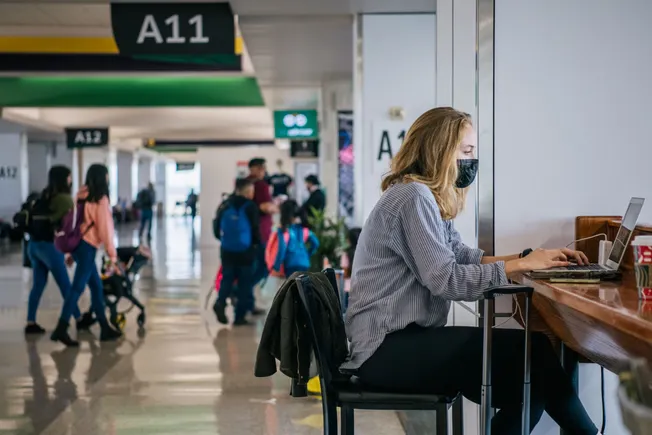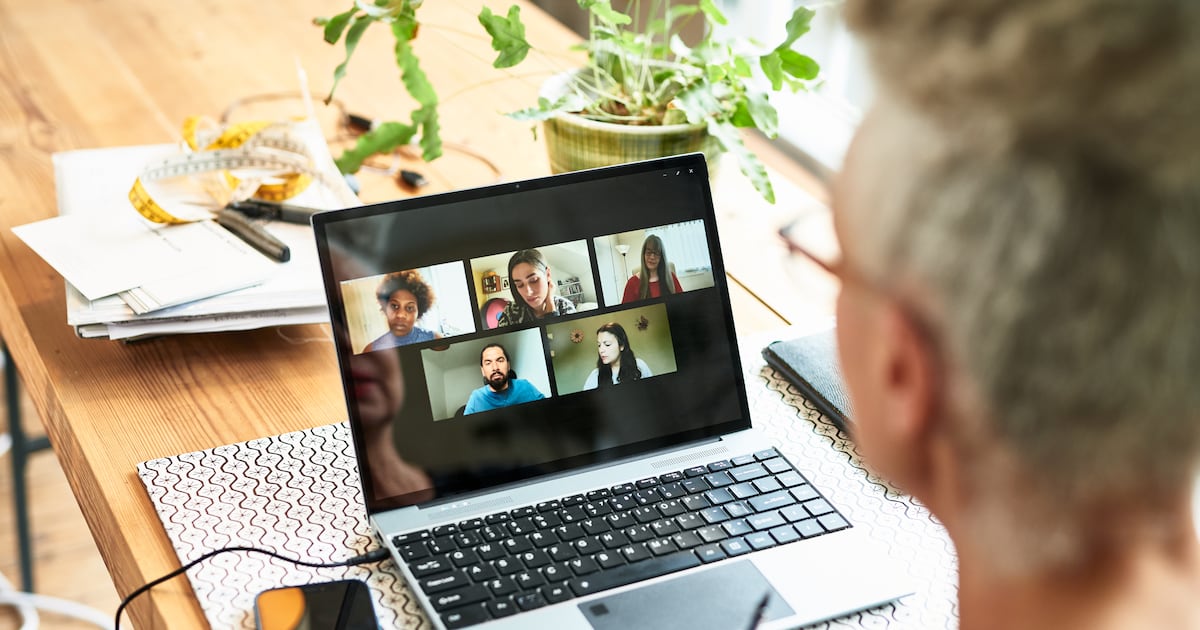
Remote and hybrid working is failing to have the sort of impact on rural and “second tier” locations that many would have hoped for, new research from the Trinity School of Business suggests. The European Union-backed report comes at a time that the overall number of people who do at least some of their working week at home or in a hub continues to show signs of decline, albeit it from a recent high.A Government-backed consultation on the issue produced results that proved disappointing to many who had already identified shortcomings in the current legal framework.It also comes as the National Economic and Social Council (Nesc) works on a large-scale report on hybrid working in the public service that has the potential to deliver some solid data of the sort that has been missing in the ongoing conversation on the topic.At a recent conference of academics from across Europe involved in the Remaking research project, professors Paul Ryan and Giulio Buciuni, both based at Trinity Business School, said their research suggested the boom in remote and hybrid working sparked by the pandemic has shown few signs of really fostering collaboration and innovation on the sort of scale that might have been expected when you shift a million people out of central office settings.Though there may be many noteworthy exceptions, they suggested there had not been the widespread migration out of Dublin and the other big urban centres that seemed possible when the offices initially emptied during lockdown restrictions introduced in March 2020.Weak legislation that has left employees subject to the whim of business managers in Dublin, or even the United States, has left workers wary of committing to living and working a long way from the office lest the distance involved suddenly becomes their daily commute.[ ‘There’s an issue around mindset’: Parents on hybrid working and childcare pressuresOpens in new window ]What has evolved instead, is what Buciuni describes as a “doughnut” effect with workers shifting to the suburbs where they still have access to services and transport.As a result, the sort of critical mass required to spark really substantial and deep-rooted change across smaller communities around Ireland has really not occurred, the two academics found.“The supposition,” observes Ryan, “was that when remote working was in place, it would give the opportunity for high-skilled workers to leave Dublin, set up in cheaper housing locations and have an impact on rural development. That just proved not to be the case at all.”The next step, the pair say, would be for workers from sectors such as tech who found themselves connecting with others in local communities, seeing new ways to collaborate, innovate and ultimately start new businesses. “Innovation is still a game played by top cities,” says Buciuni, however. There are a number of reasons for the failure but the current legislation not being “sufficiently robust” is one while, Ryan also suggests, “very little attention has been paid to the issue of embedding remote work”.The greatest change in actual culture, Buciuni contends, has been within firms who either embraced remote working or more reluctantly adapted to it with many having fundamentally altered the way they manage their employees. It still takes only one highly placed manager to reverse five years of change, though, the pair point out.[ Legislation on right to request remote working is failing workers, committee hearsOpens in new window ]Among the firms who do not favour it, especially the multinationals, some pay so well that new hires are willing to accept whatever their policy is and Buciuni says he has students who would queue all night to work at Google without giving remote-working policies a second thought. Other young people do want to be on site because of informal learning opportunities and career progression concerns but, Ryan says, this is giving to the rather odd situation in some workplaces where young workers in the offices are having to have Teams meetings with their managers or older colleagues.At the hubs, they suggest, meanwhile, the focus has not been on hot-desking to the extent that had been expected but rather on providing office space to existing enterprises or, as in one case close to Ryan’s home in Portlaoise, An Garda Síochána. It is all valuable stuff, just not fulfilling some of the key potential that appeared to be present when people debated through Covid how this brave new world of work was going to settle.For many individual workers, meanwhile, the uncertainty over how their working arrangements will evolve persists even as the pandemic becomes a distant memory.About 35,000 fewer people reported doing some or all of their work remotely during the first quarter of this year compared with the same period in 2025 although the combined total is still almost a million, close to four times what it was in 2006.Only a minority of employers say they intend to oblige staff to spend more time in the office in the coming year but significant numbers of workers are being brought back, usually for a day or two extra, but in some cases to work fully on site.Whatever about people not being entitled to anything more than a box-ticking exercise after putting a request to a reluctant employer, the Government should really have done more to protect those who had working arrangements which are now being altered or entirely upended on the basis of almost no firm evidence whatsoever.The recent cases of policy shifts by management at the Bank of Ireland (staff are required to work eight days a month in an office or hub) and Department of Social Protection serve as reminders that, save where there is a disability involved, the power rests entirely with the employer. In both instances, a portion of the workforce was working on site just one day a week and management sought to change it to two. In each case, the union involved resisted the change and initially instructed members not to co-operate but management eventually won out after referrals to third parties.The shift from one day a week to two was obviously low and many will feel little sympathy but the principle would have been precisely the same had it been four to five and outcomes at the Workplace Relations Commission only serve to copperfasten the impression that that the current regulations give the employees no meaningful rights at all.Unions and employment solicitors say they generally advise those with complaints not to pursue them as they will not win. When Minister for Enterprise Peter Burke recently suggested that research by his department indicated more than 90 per cent of requests were granted, union officials told an Oireachtas committee the figures were based on tiny samples and “lacked credibility”. In a recent survey by Chartered Institute of Personnel and Development, 69 per cent of firms said there had been no change in approval rates for requests since the code of practice was adopted. Part of the problem, though, is that two sides remain fiercely divided over the pros and cons of the different working arrangements and little has been provided by way of reliable evidence.A succession of recent polls, of the general population, of Fórsa members (public-sector workers) of HR managers, companies and their employees, have found a majority of those working remotely believe it improves their productivity. More of the HR managers believe it is good for productivity than bad. Quantifying things was an issue, though.The public sector is large enough to provide many examples where straight comparisons can be made between the numbers of various processes completed by staff working on site or at home, Ryan suggests, however. As Nesc continues its work on a widespread appraisal of current practice among Government employees, such data would be a valuable contribution to the debate.As it is, there are many other reasons why the Government might want to promote remote or hybrid working – easing the pressure on housing and transport infrastructure in the Greater Dublin Area, rejuvenating towns and villages in other parts of the country, and helping families cope with childcare shortages and costs.Its reluctance to be interfering in how companies manage their people is hardly surprising, though. Still, if the slow shift towards ordering people back into the office is to continue, the least those workers deserve is an explanation rooted in actual evidence that their employers and perhaps the WRC can stand over.
Brave new world of remote working in rural areas yet to materialise
There has not been a widespread migration out of Dublin and other urban centres, Trinity Business School research suggests
1,391 words~6 min read