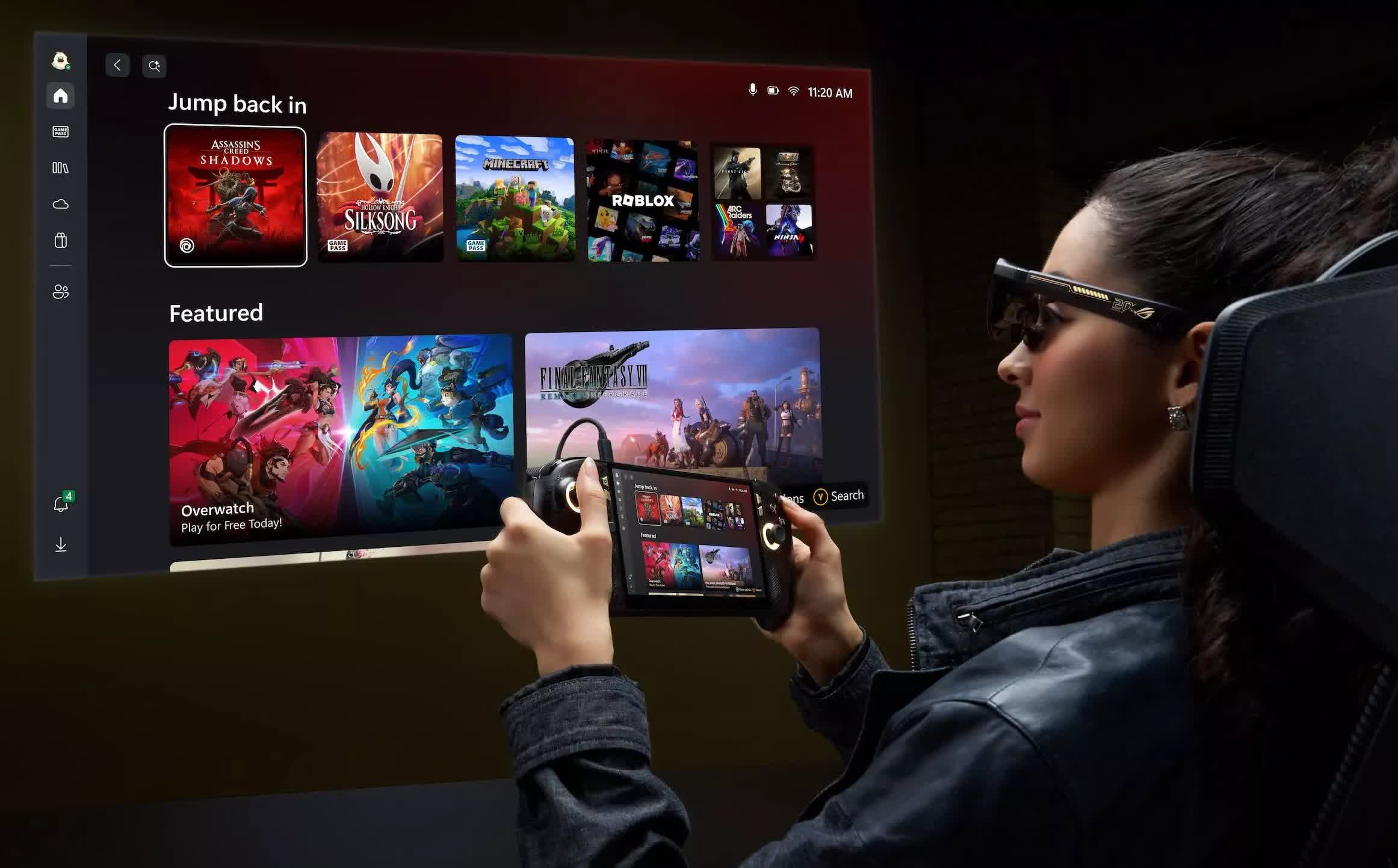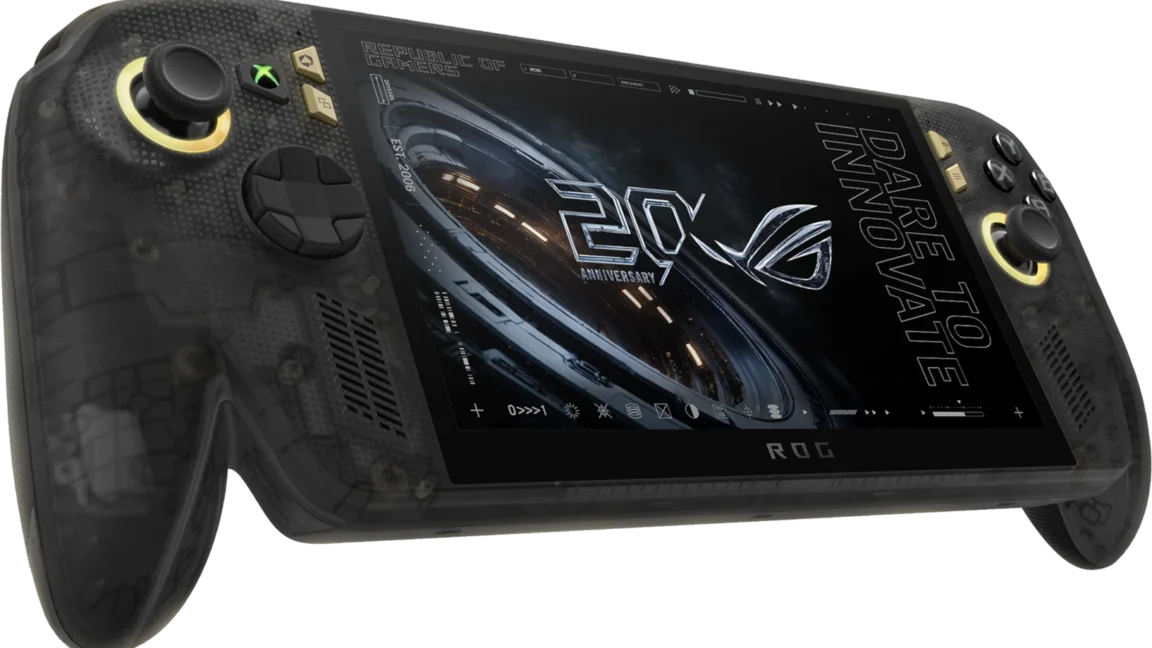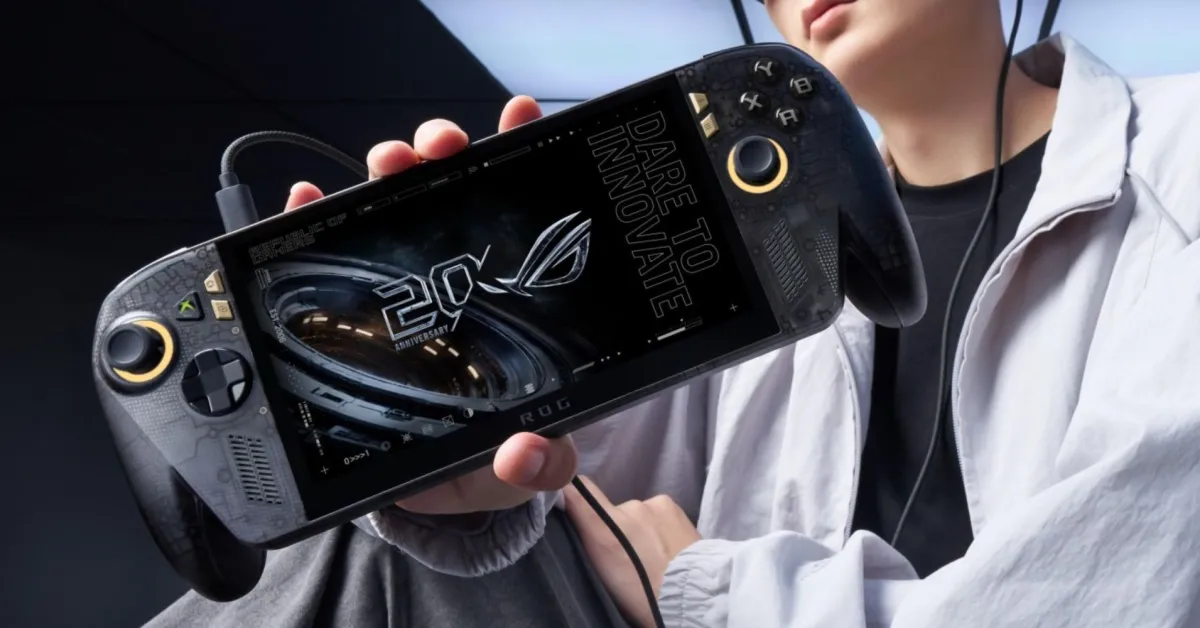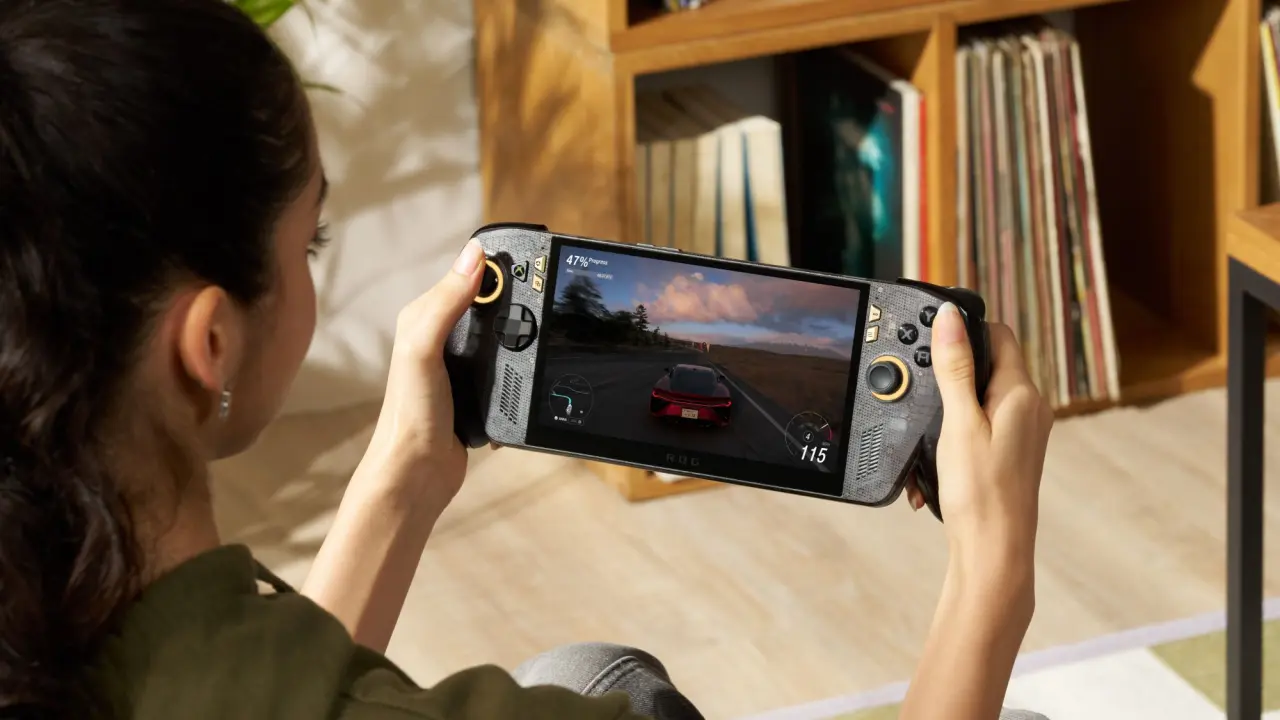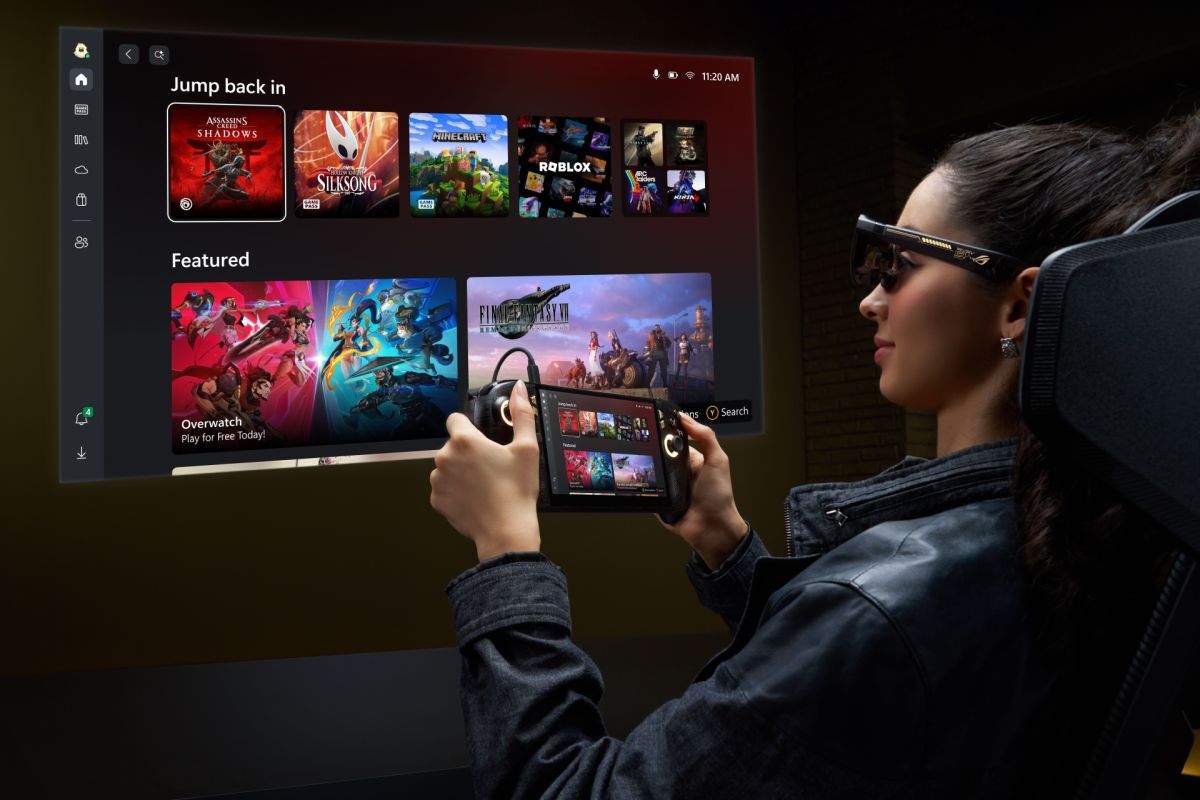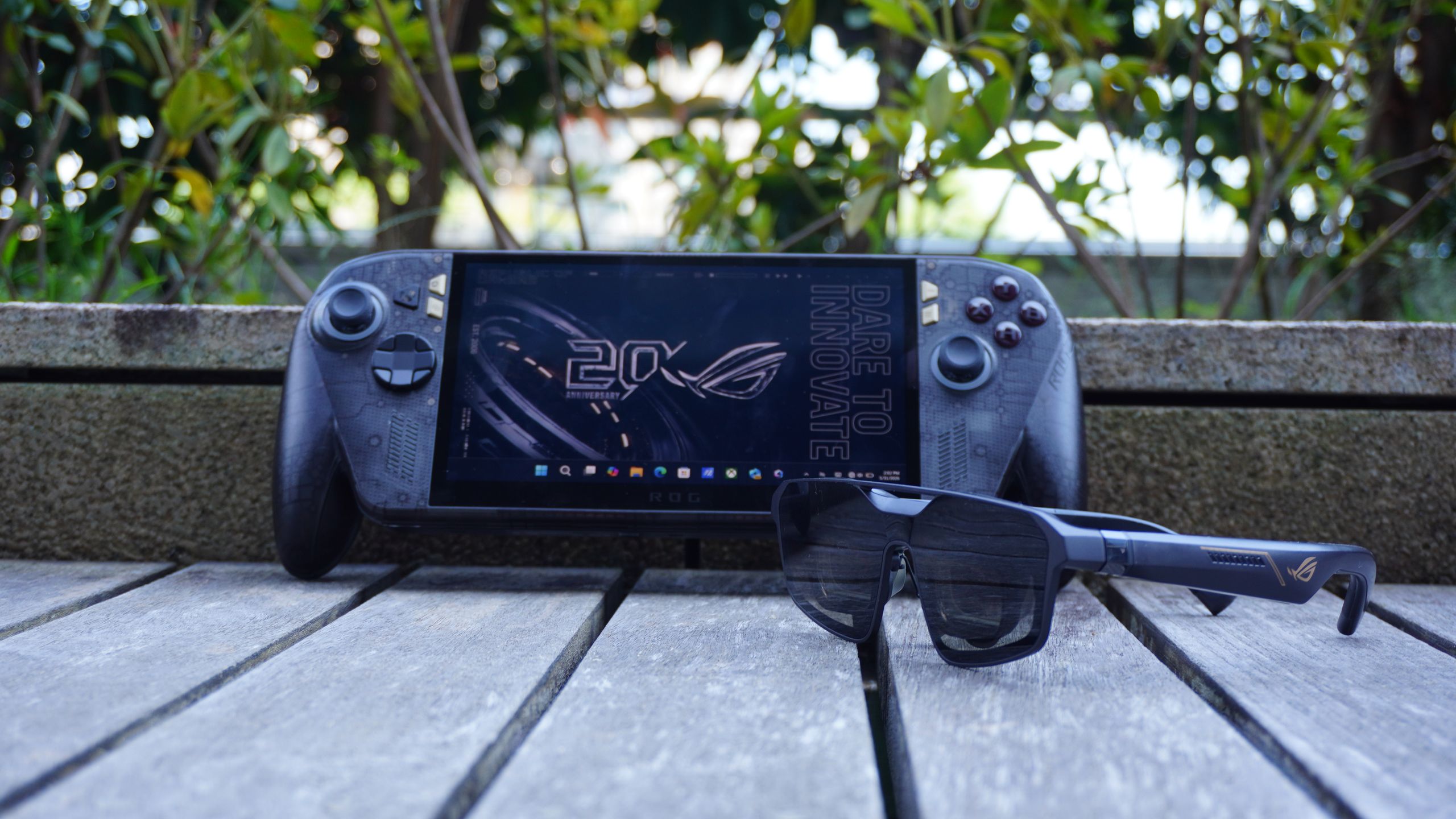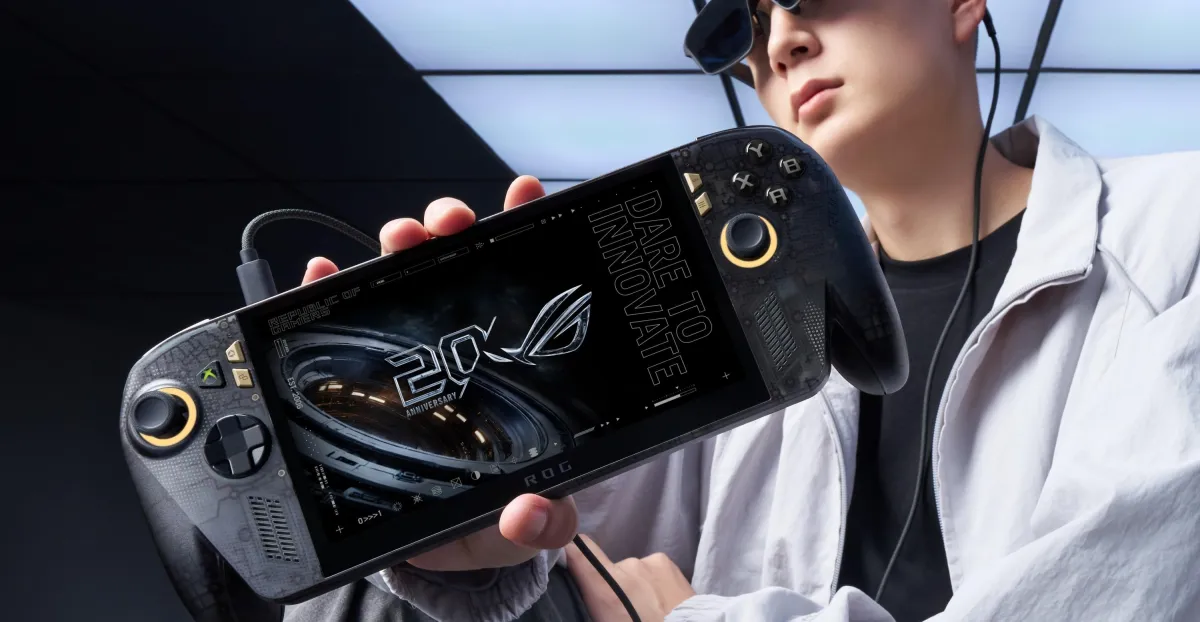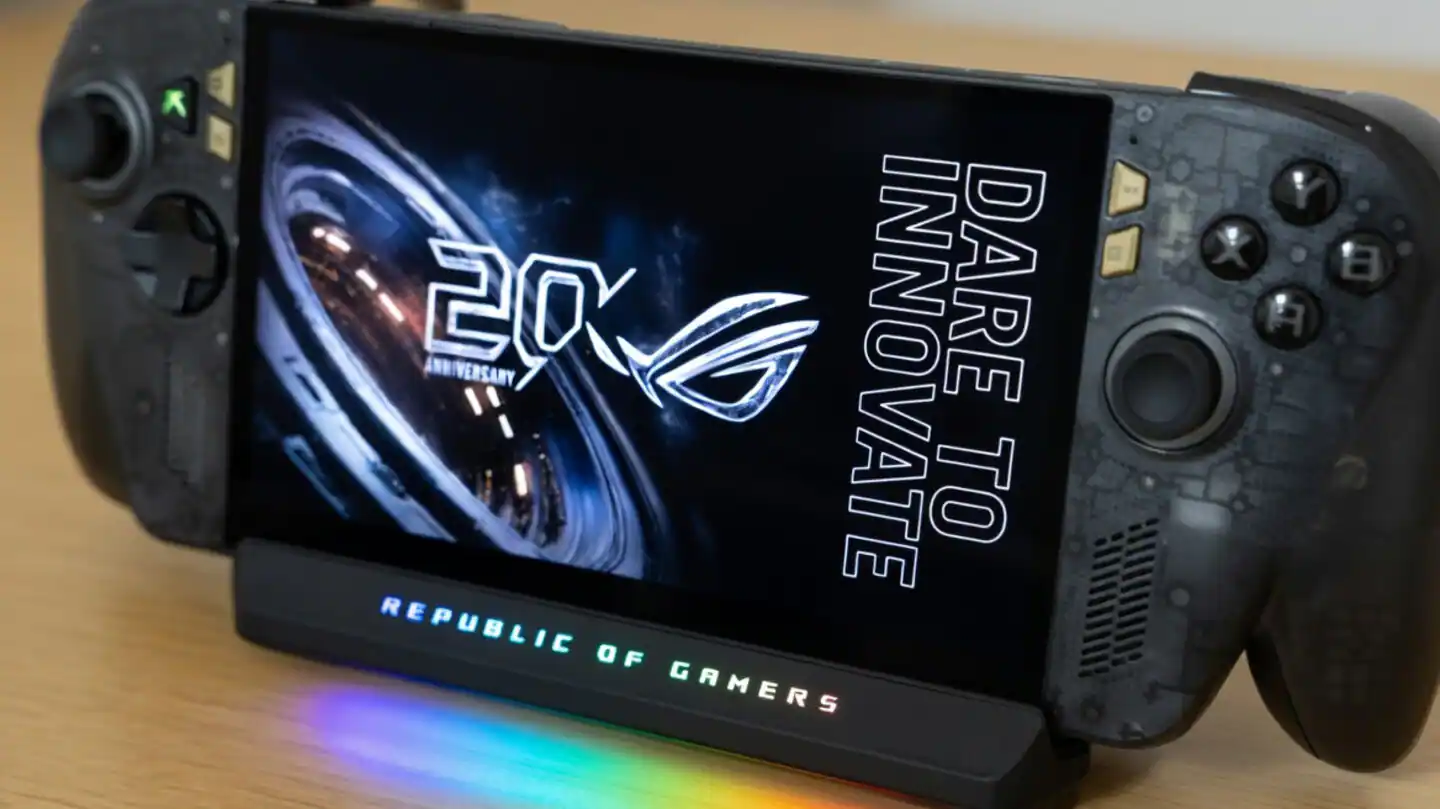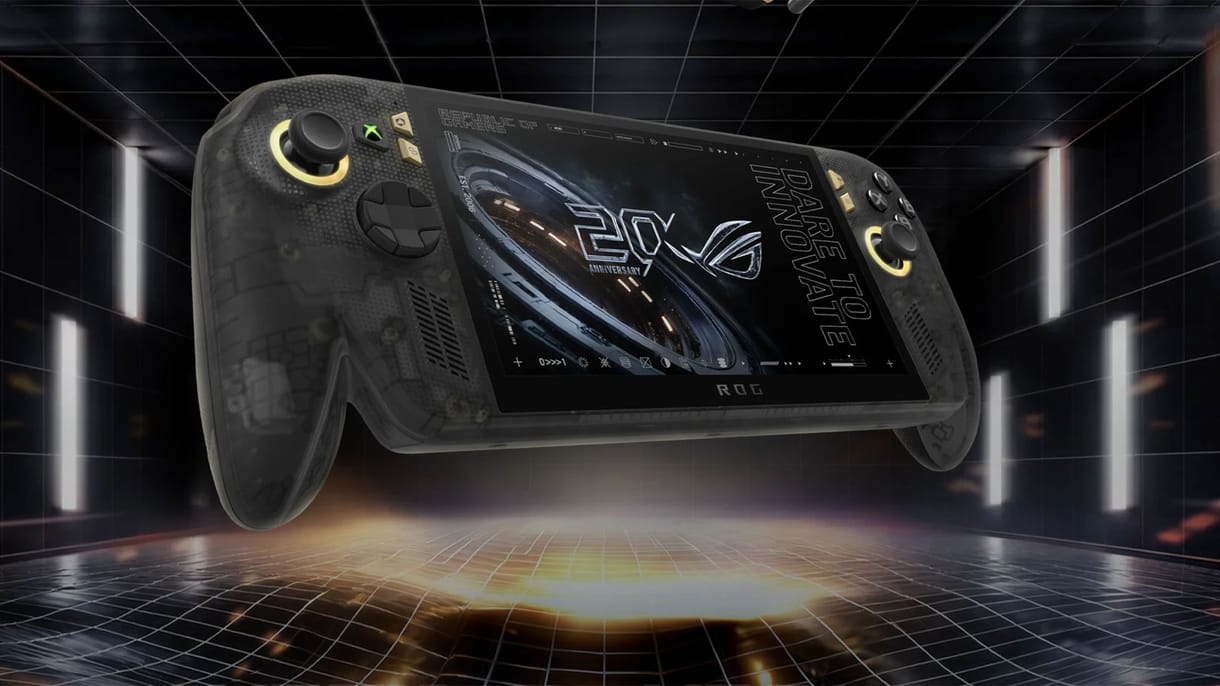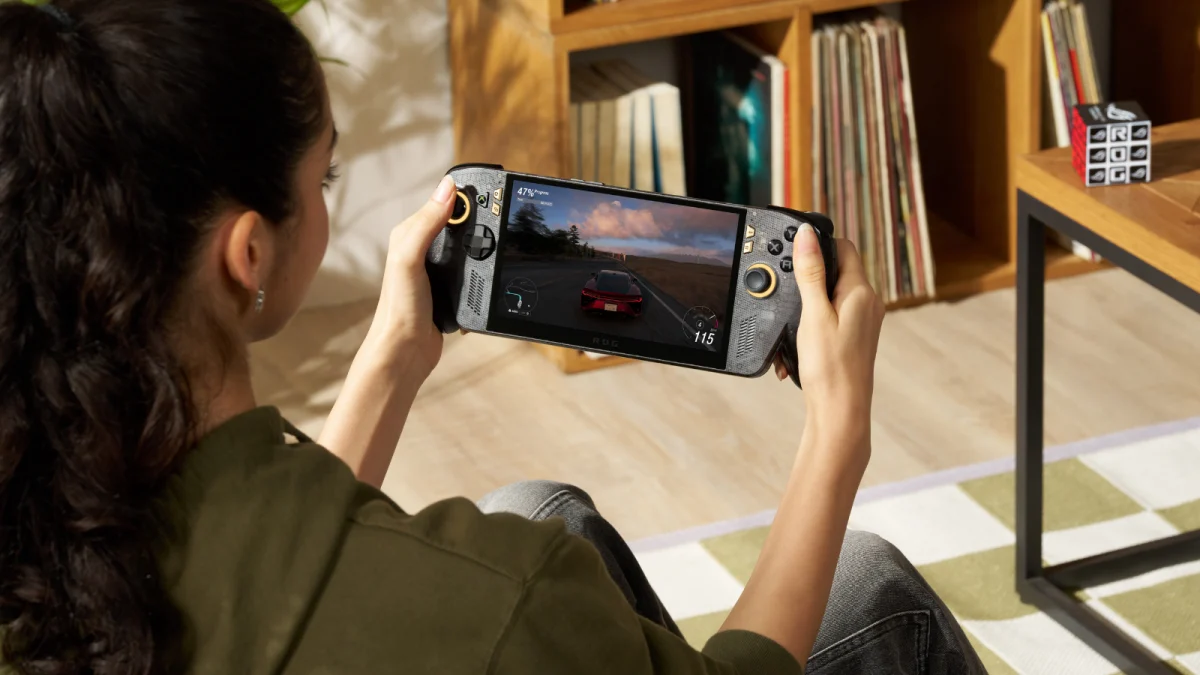
OLED handhelds are just better. Cast your eyes back to the Nintendo Switch OLED and remember its improved visuals. The Steam Deck OLED fixed the few lingering problems of the original 2022 handheld PC. And the new Asus ROG Xbox Ally X20 similarly fixes many of the niggling details of the original Xbox Ally X. It’s also certain to cost an enormous sum of cash.
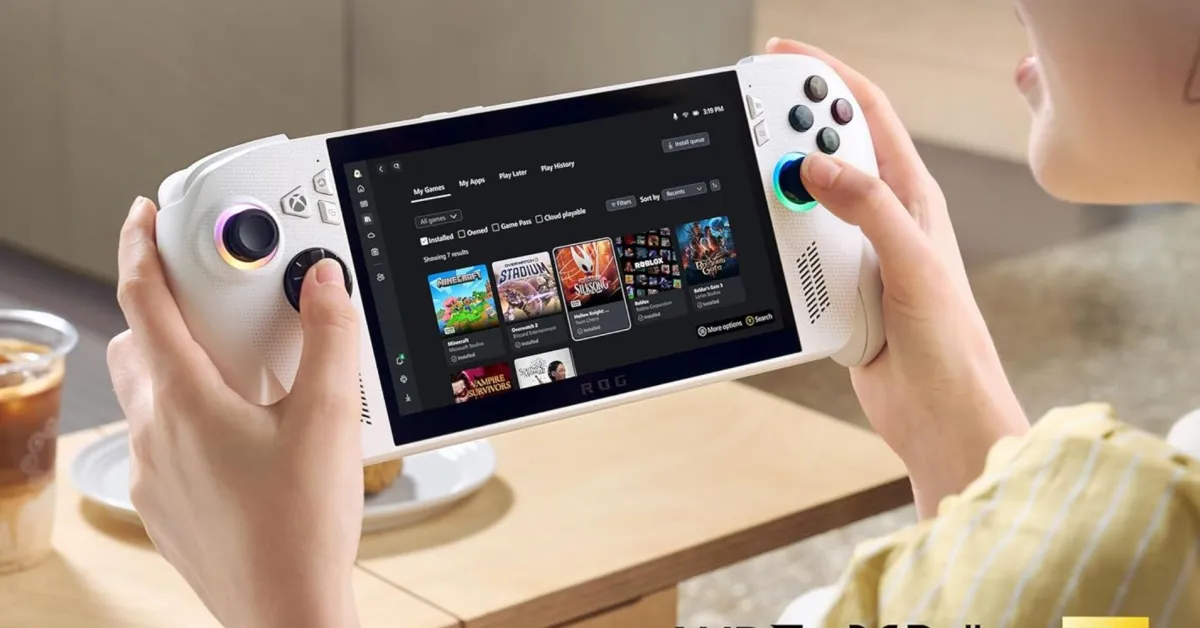
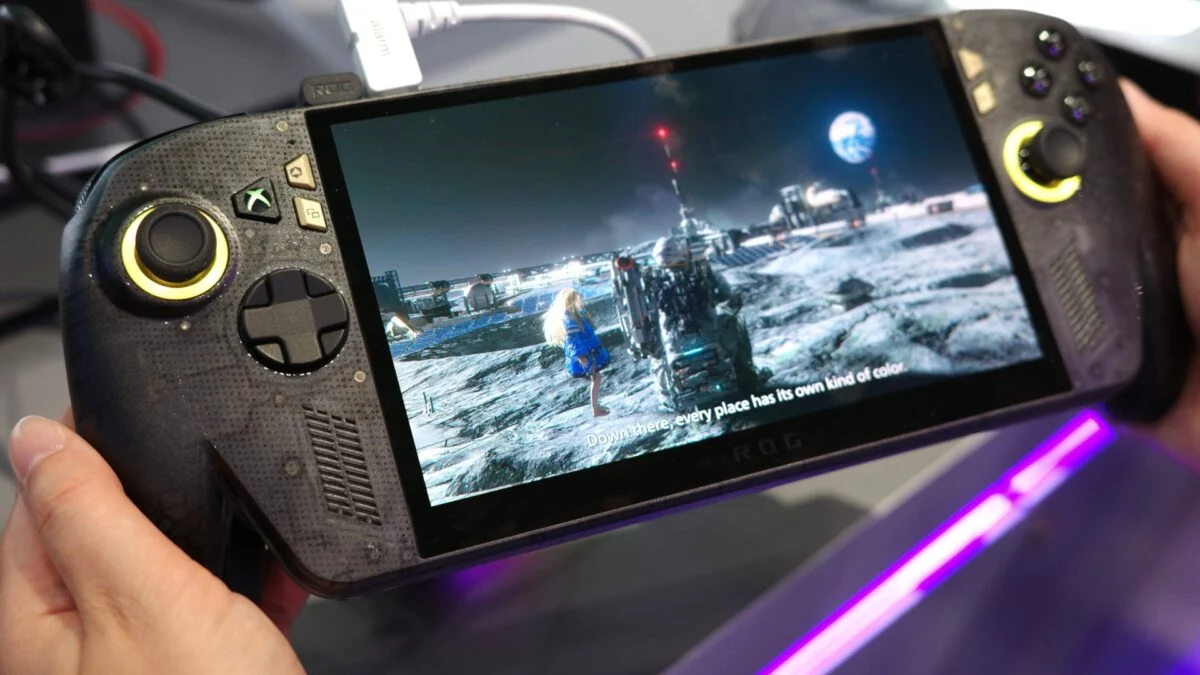
I had my hands on the new ROG Xbox Ally X20 for a hot minute, and I could tell it’s already the best version of what this handheld could be. First, the screen is now a fuller 7.4 inches rather than the original Xbox Ally’s 7 inches. In reality, that means Asus cut down the bezels to make the screen feel fuller. That’s necessary if you want to get the most out of Asus’ Nebula OLED panel. Asus added more vents to handle the increased heat output of an OLED display. © Kyle Barr / Gizmodo Even in a dim and packed conference hall, the X20’s screen felt surprisingly bright and clear. That’s likely due to its claimed 1,000-nit peak brightness in HDR and 600-nit peak brightness in SDR. The screen supports VESA DisplayHDR True Black 1000 and a 120Hz refresh rate, with AMD FreeSync for variable refresh rate. Even among other OLEDs, the Ally X20’s screen stands out. A $2,000 Legion Go 2 with an 8.8-inch OLED display is glossier, which means it delivers pretty visuals at the risk of glare. The Xbox Ally X20 includes an antireflective coating, which reduced those issues even under a swarm of lights in a crowded convention hall. © Kyle Barr / Gizmodo © Kyle Barr / Gizmodo Asus also replaced its old joysticks with TMR sticks. That means the new device uses tunneling magnetoresistance technology, a type of magnetic sensing that greatly reduces the likelihood of false inputs caused by stick drift. Those sticks also include metallic caps, and they felt smooth to turn under my thumbs. Asus also told me it had added RGB effects that track the sticks’ movements.