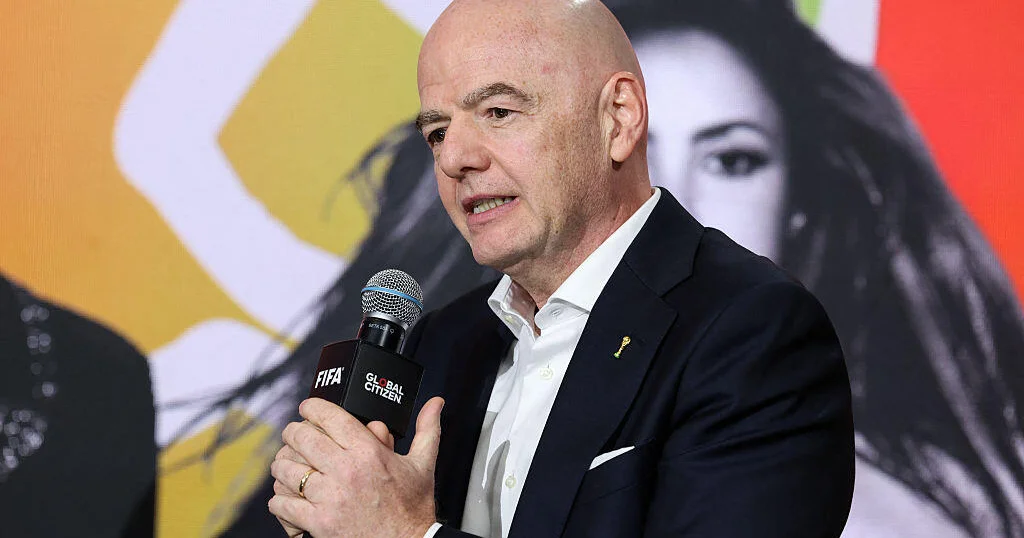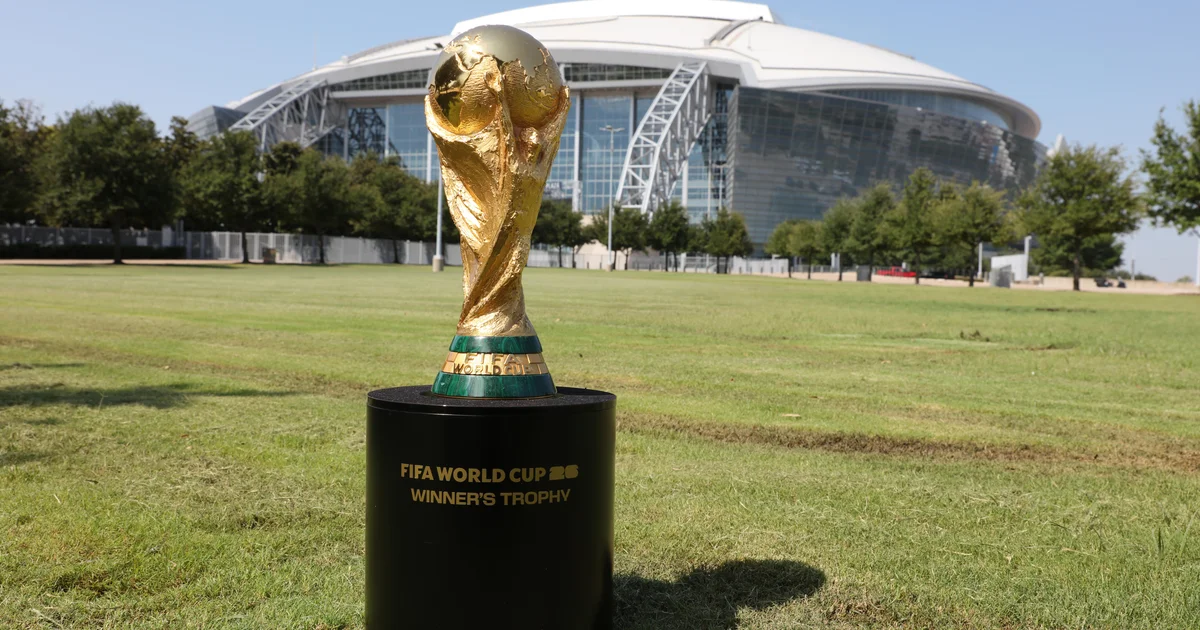
The details are a bit foggy now but the best gift I have ever received was for my 16th birthday in October 1988: a quarter-season ticket for the Detroit Pistons.It was from my parents and it cost about $250 — I think I had to mow the lawn a few times as a contribution. For that sum, I got a seat for about 10 regular-season games in the second tier of the Pistons’ brand-new home, the Palace of Auburn Hills. It also guaranteed a ticket for one game in every round of the play-offs, should the Pistons get that far, although I cannot remember if that was included in the initial price or it was a right to buy a ticket at face value.What I do recall — very vividly — is that the Pistons did reach the play-offs and I watched them blitz the hated Boston Celtics in round one, sweep the Milwaukee Bucks in the conference semi-final, beat up Michael Jordan in the conference finals, and then right the wrong of the stolen 1988 championship by larrupin’ the Los Angeles Lakers in the finals.I went to the first game of the finals and saw a 109-97 victory for Isiah Thomas and the Bad Boys. The ticket cost $25. I know because it is in a frame on the wall above my desk and I am looking at it right now.If we use the U.S. consumer price index, that is $67 in today’s money. Last year, according to ticketing platform TickPick, the average price for a ticket to the NBA Finals between the Oklahoma City Thunder and the Indiana Pacers was $1,147 — 17 times the inflation-adjusted price I paid 36 years before. And the 2025 price was 25 per cent down on the previous season, when the Celtics played the Dallas Mavericks in a battle of big-market teams.Seventeen times.If you are thinking the Pistons made a mistake and undercharged me, or a zero has faded from the ticket stub, there are other tickets in the same picture frame. Apparently, I spent an August afternoon in the bleachers at LSU’s Tiger Stadium for $4, and I went to several Lions, Michigan and Red Wings games in the late 1980s for $20 or less. Actually, the Lions might have been ripping me off.America, what has happened?How did we — well, you, as my family returned to the UK before I could see the Pistons go back-to-back in 1990 — get from there to a place where face-value tickets for this summer’s World Cup final cost almost $11,000?I have heard FIFA president Gianni Infantino’s excuse — “we are in the market in which entertainment is the most developed in the world, so we have to apply market rates” — but what have you got to say for yourselves?When my colleague Henry Bushnell wrote about this topic in December, he identified the main economic factors that first attracted FIFA to the “most developed” entertainment market in the world.Henry’s piece explained that the price of everything in the U.S. has doubled since 2000 but the cost of live sport has increased at double that rate, thanks to ticket resale apps, the surging wealth of America’s highest earners and the relative scarcity of premium sport in a large country.Some of you expanded on these points in the comments section.“If you care enough, save up and pay for a ticket,” was one contribution. “They’re World Cup games, not a social welfare project, and the tickets should go for whatever the market will bear,” was another.One subscriber asked: “Are all passionate fans dirt poor?” before answering his own question with the following admonishment: “Maybe they should have focused more on their careers and less on sports fandom.”While another, leaning into a current social-media debate, wrote “it’s fascinating how elusive the basic concept of supply and demand is to the European mind”, which is fascinating when you consider that the phrase was coined and popularised by British economists more than 250 years ago.What is fascinating to this European mind is that the average price for a Super Bowl ticket has increased from $700 in 2006 to nearly $10,000 this year but fans have not taken up their torches and pitchforks and marched on NFL HQ. Basic inflation over the last 20 years is about 64 per cent. Even after converting the 2006 price to today’s equivalent, Super Bowl inflation is running at close to 800 per cent.Attending Super Bowl LX in February would have cost a pretty penny (Justin Sullivan/Getty Images)OK, I admit the reader comments cited above were not representative of the overall debate, as the majority of you seem to agree that watching sport has got very expensive in the U.S. — too expensive, in fact, for many Americans.There was less agreement, though, on how, when and why this happened. So I asked another British economic migrant to the U.S. who remembers the late 1980s.“First, player salaries have exploded,” said Peter Moore, who came to California to sell sportswear but ended up running Sega, Microsoft’s Xbox business and EA Sports before becoming Liverpool FC’s chief executive in 2017. Santa Barbara Sky FC, his new team, will join the USL Championship next year.“Free agency, global media exposure and enormous television contracts have transformed elite athletes into worldwide brands. Payrolls in all the pro sports leagues are exponentially higher than they once were. Those costs inevitably flow downstream to the consumer.“Second, the stadium experience has changed. Decades ago, many venues were relatively simple places to watch a game. Today’s stadiums are billion-dollar entertainment complexes filled with premium seating, luxury suites, massive video boards, hospitality areas, technology infrastructure and year-round commercial development.”For me, those “simple places” were the Pontiac Silverdome and Tiger Stadium; for Moore, they were the Coliseum and Angel Stadium. He has swapped them for the Allegiant and SoFi — expensive places to run.“Another major factor is media economics,” he continued. “Ironically, the more valuable sports became on television, the more live attendance became positioned as a premium experience.“Teams realised that being in the building was no longer just about watching the game. It became about exclusivity, atmosphere, status and entertainment. That shifted pricing models dramatically.”
Why FIFA’s 2026 World Cup is such a rip-off
The price of watching live sport in the U.S. has shifted - and the World Cup is taking full advantage of the landscape
3,105 words~14 min read