A partnership between Adamawa State and EIDU is attempting to change the academic fortunes of thousands of children, writes Victoria Ojiako
“Aunty I, I, I… Aunty me, me, me… Aunty I, I, I…”
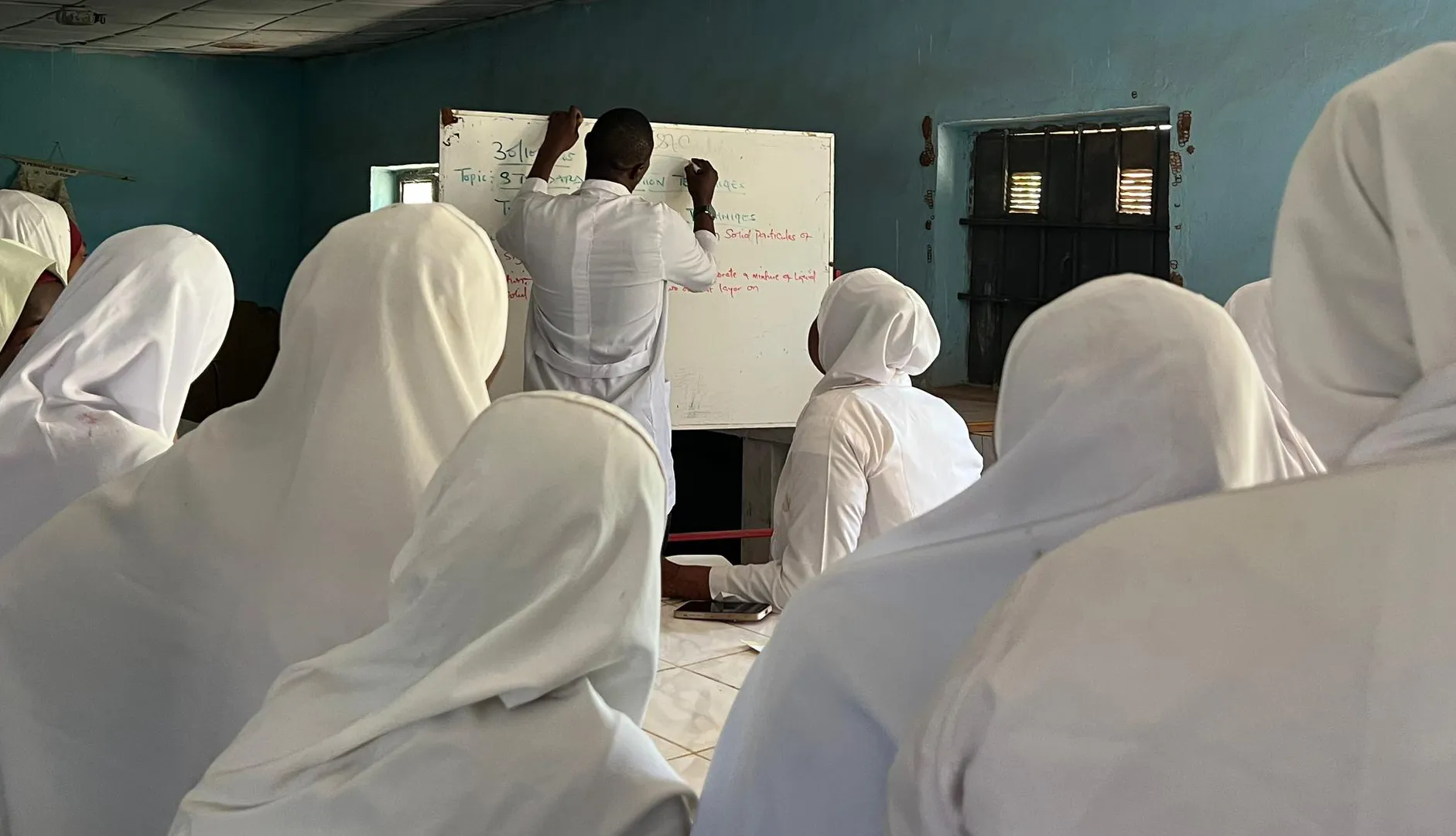
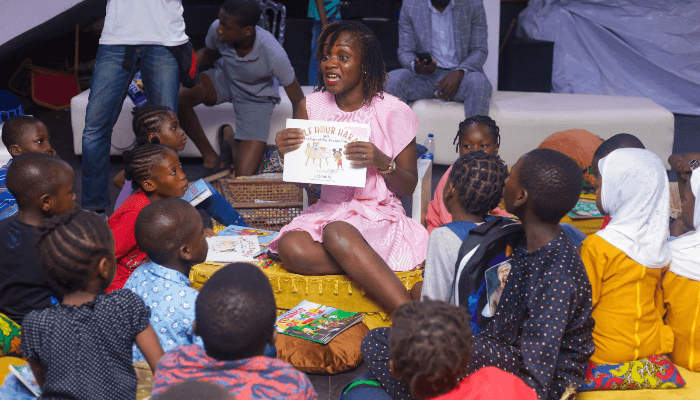
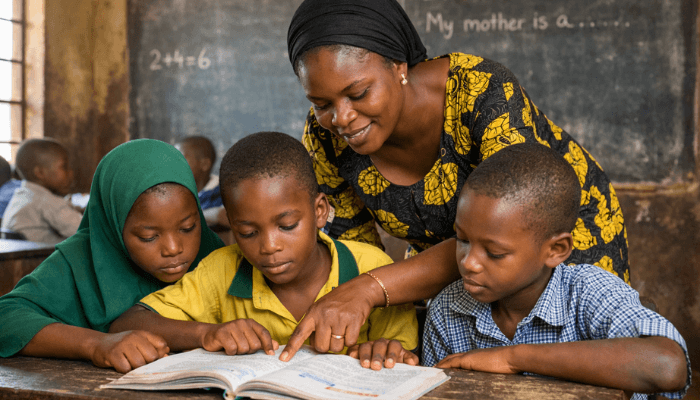
The voices rise in near perfect rhythm inside a Primary Three classroom at Central Primary School, Yola North, Adamawa State. Several pupils, most of them under the age of 10, stretch their hands impatiently into the air, eager to answer the question their English teacher has just written on the board.
Inside the classroom, learning feels animated, energetic and deeply participatory; a noticeable contrast to the quieter, more rigid learning culture that teachers say once characterised many public-school classrooms in the area.
Standing before the pupils is Bilkisu Umar, a teacher with two decades of classroom experience in Adamawa’s public education system. She pauses briefly, observing the enthusiasm in the room before inviting one of the pupils to answer.