Where parents once entrusted their little ones into the care of teachers, there is now an ache of suspicion and a gnawing, sleepless fear.
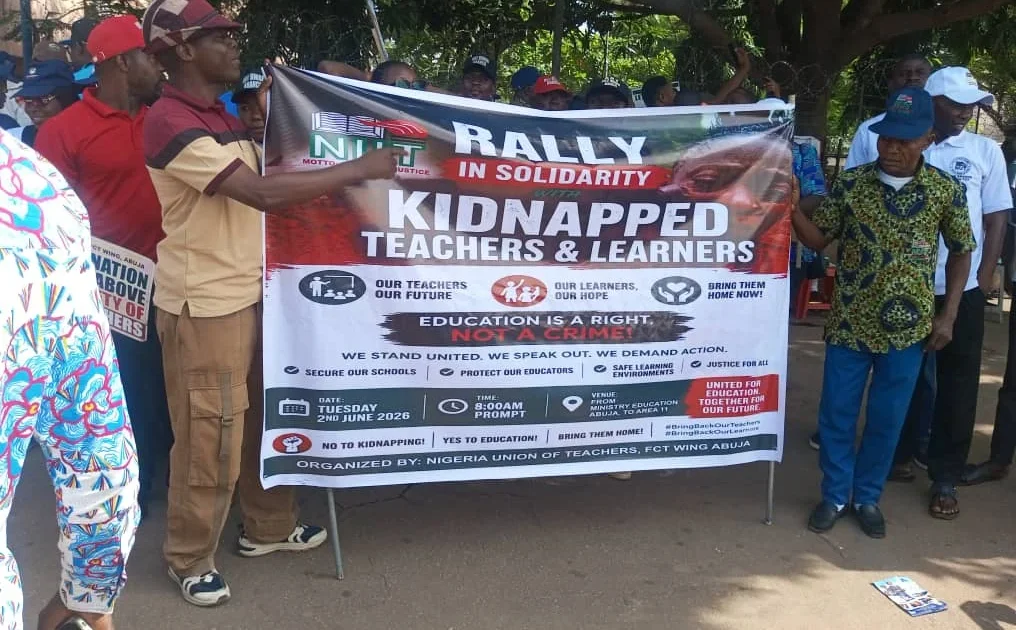
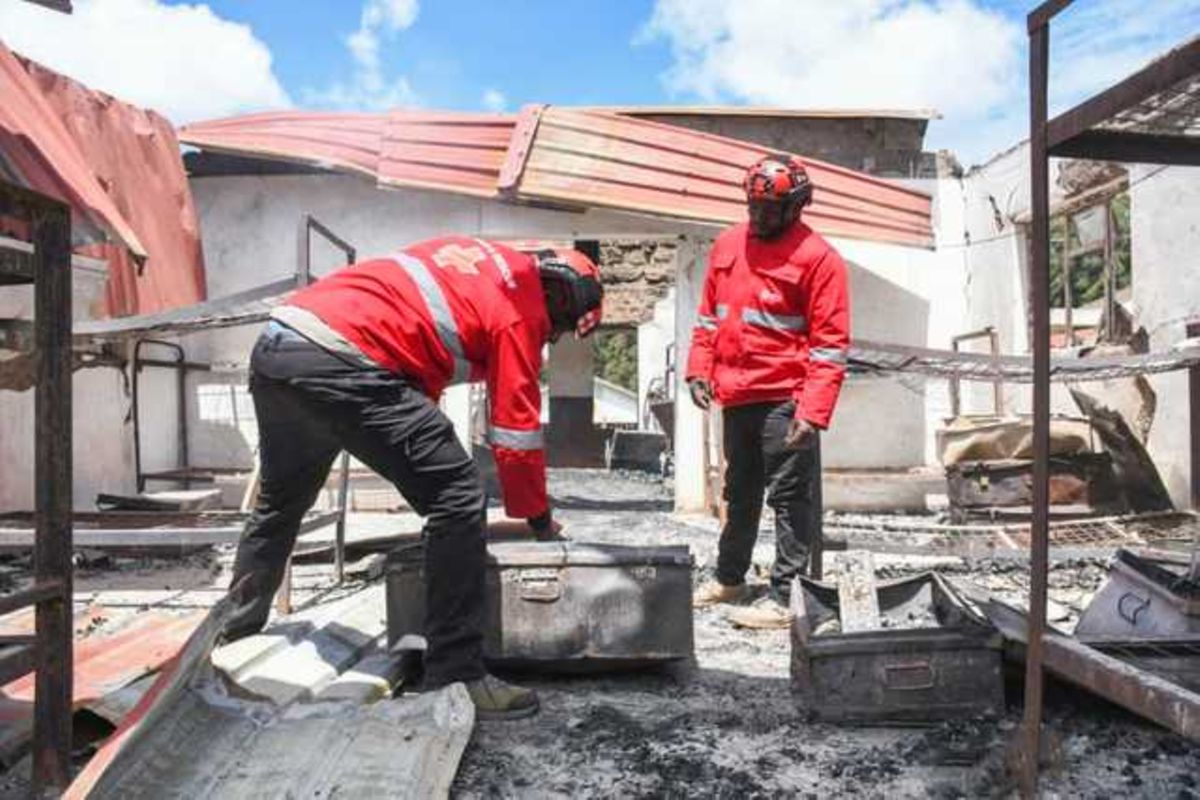
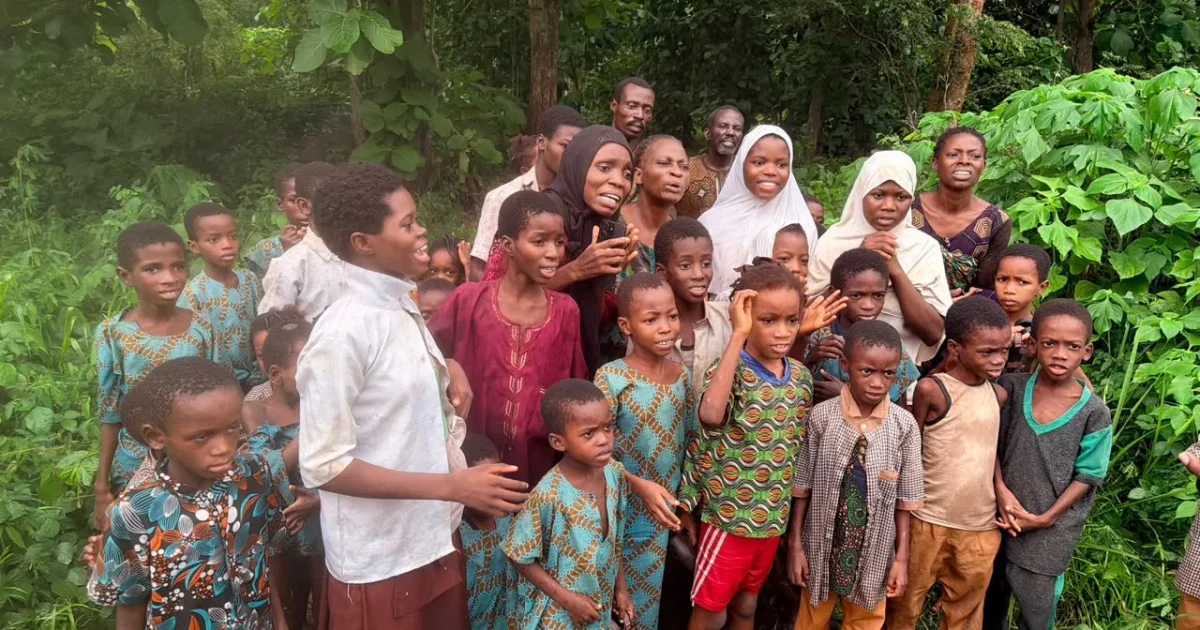
In the quiet corridors of Oriire, Oyo State, a grievous silence has fallen where laughter and learning should reign. Teachers who once stood as beacons of knowledge and more than forty pupils; some heartbreakingly as young as two years old have been wrenched from the tender ordinariness of school life into a terrifying unknown. Their only transgression, it seems, was the ancient and noble act of seeking education: to sit, to listen, to learn. Yet beneath the nominal guardianship of the state, these children and their educators have been taken into captivity, swallowed by a void of information, swept away without trace.
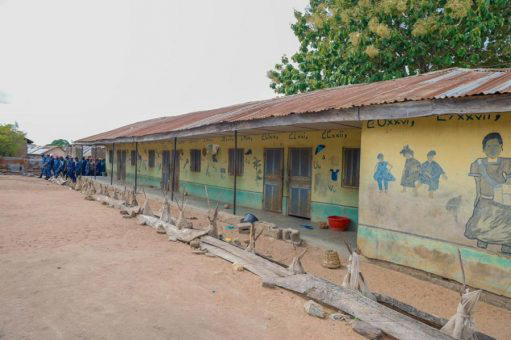
Imagine the classrooms now: small desks arranged in hopeful rows, chalk dust motes suspended in shafts of sunlight, tiny shoes left lined by the door. The absence is more than physical; it is a rupture in the trust that binds community to institution and citizen to state. Where parents once entrusted their little ones into the care of teachers, there is now an ache of suspicion and a gnawing, sleepless fear. The ordinary rhythms of school bells, lullabies, and recitations have been replaced by a constant vigil at gates and an anxious tallying of names that cannot be crossed off the list.