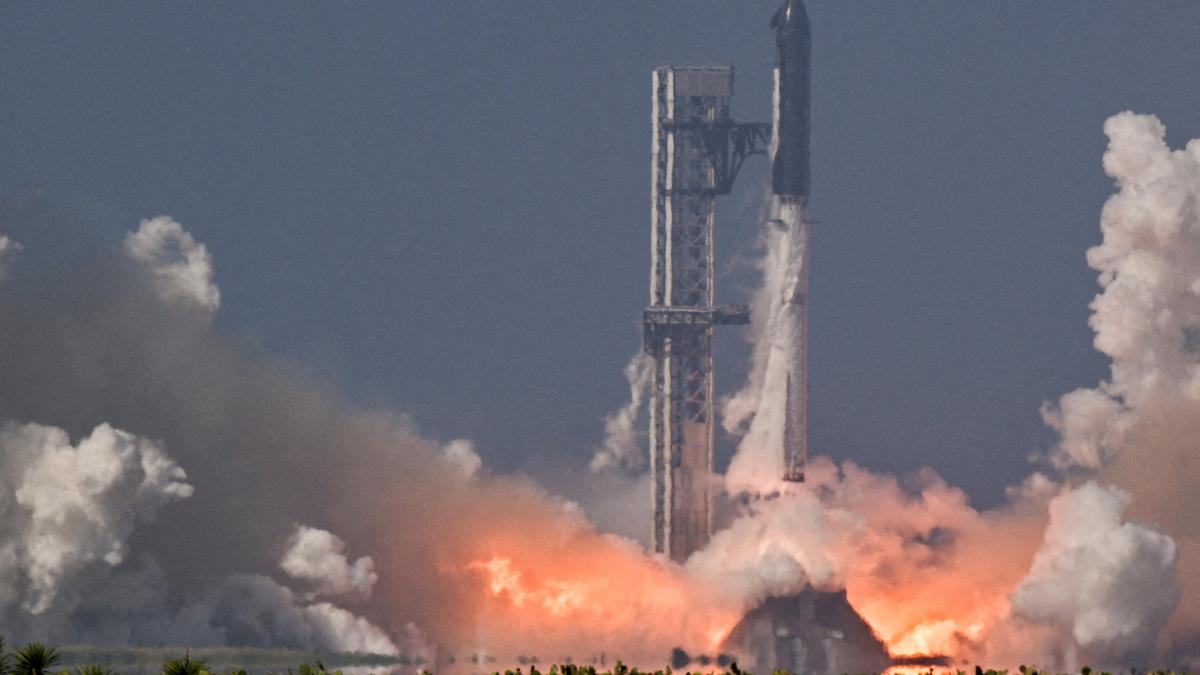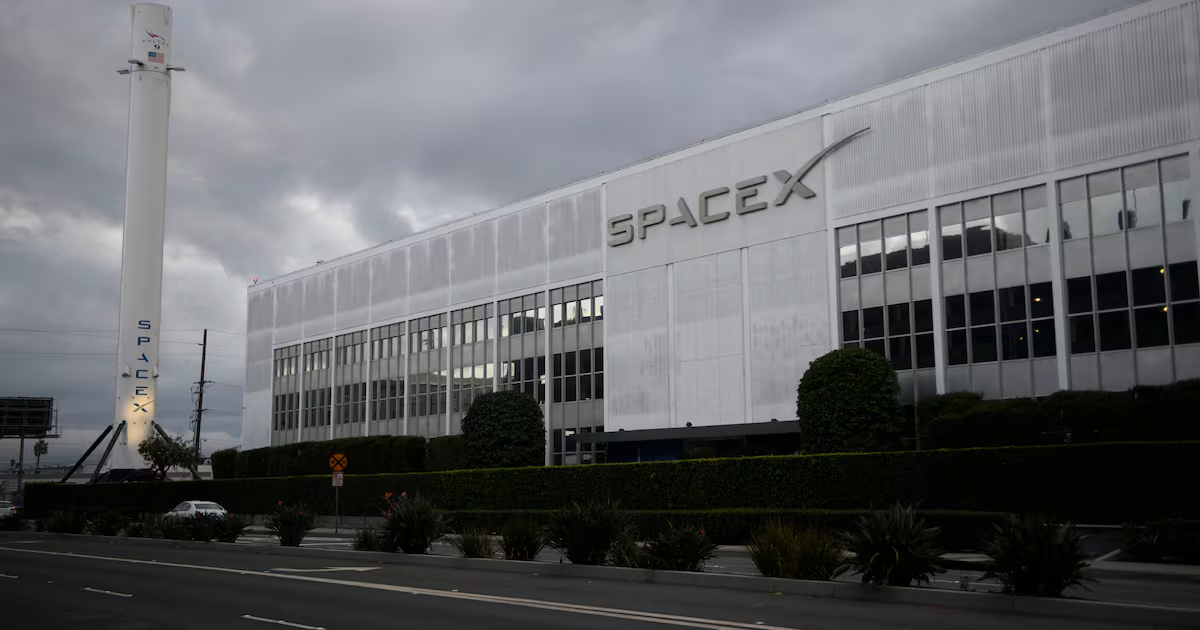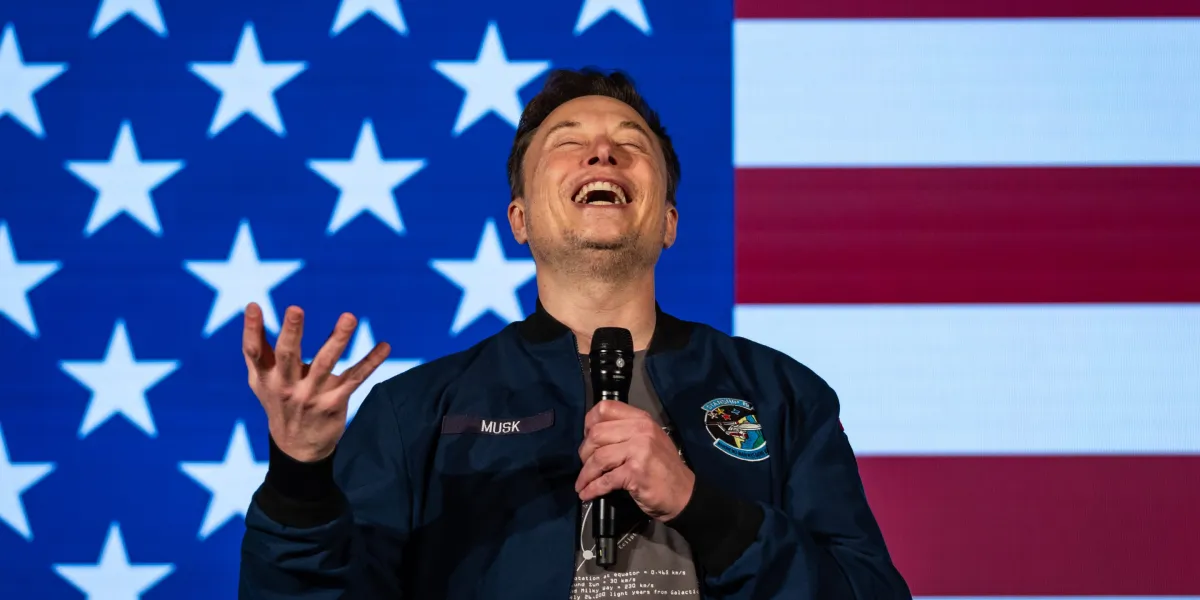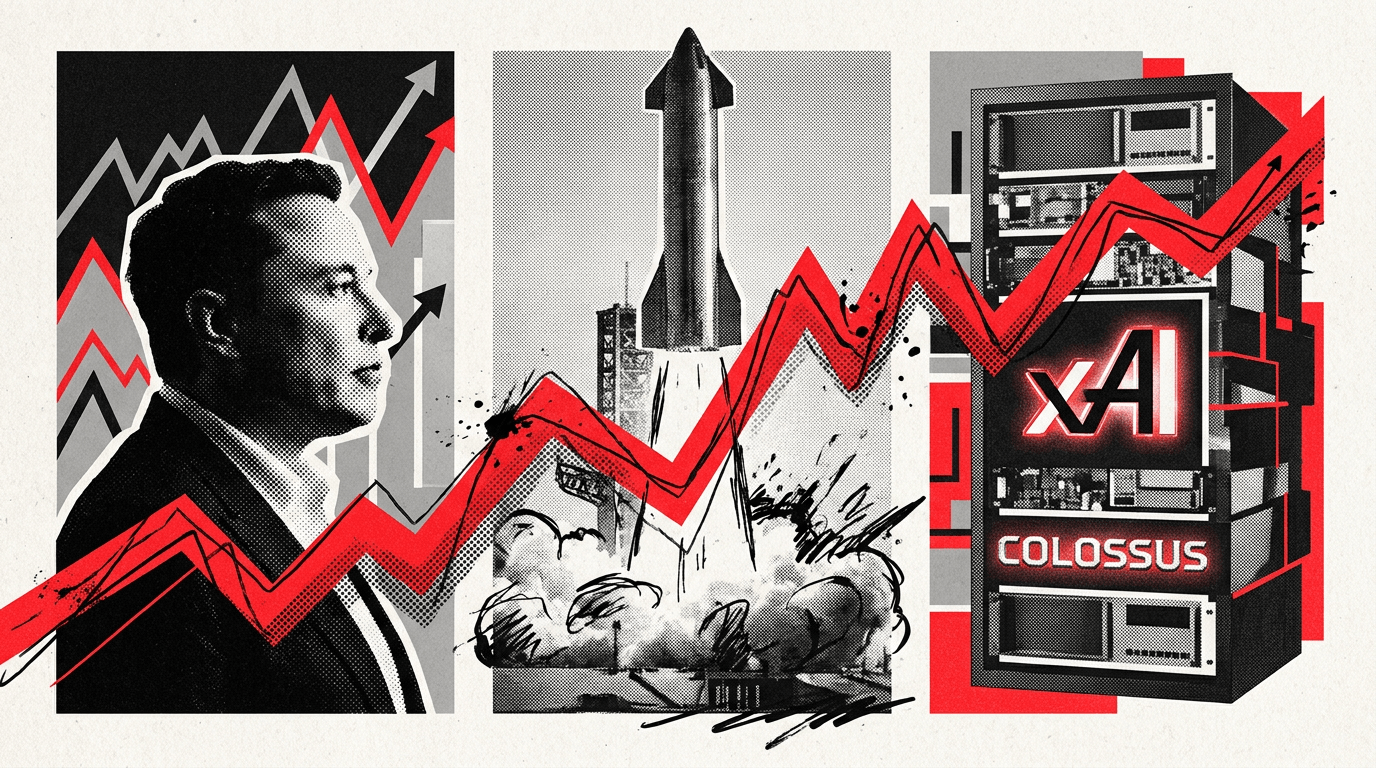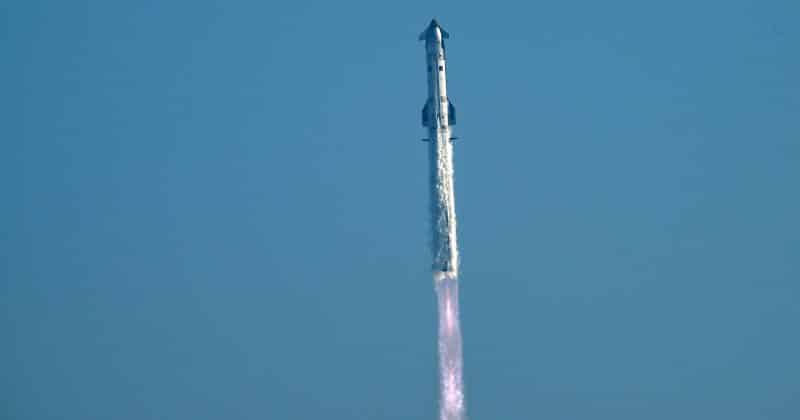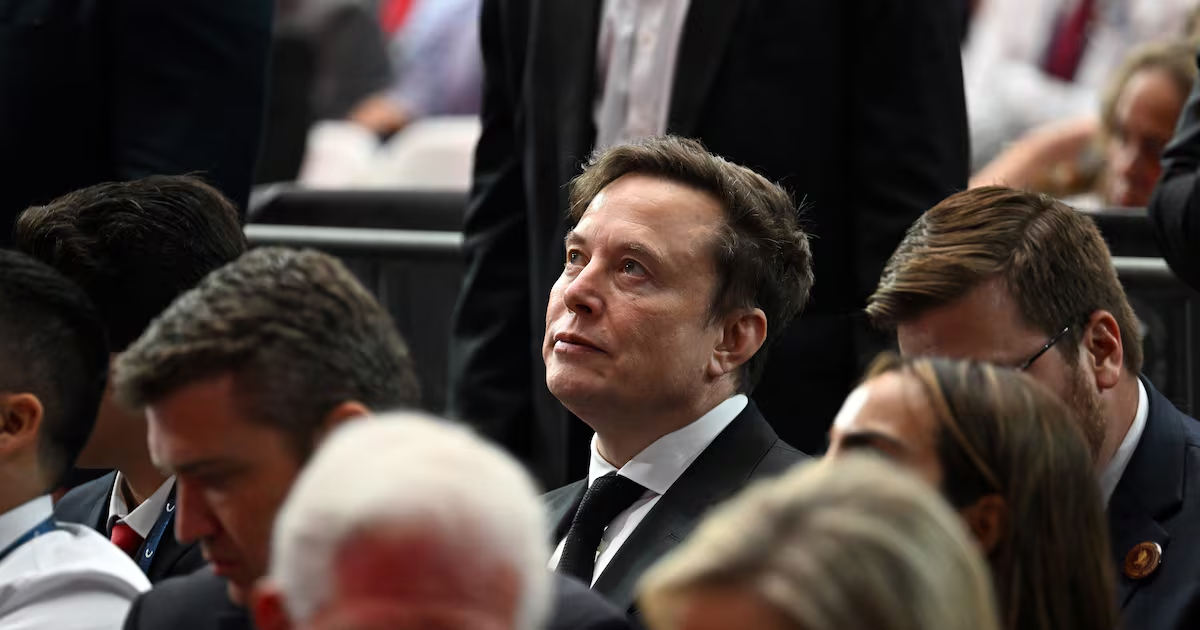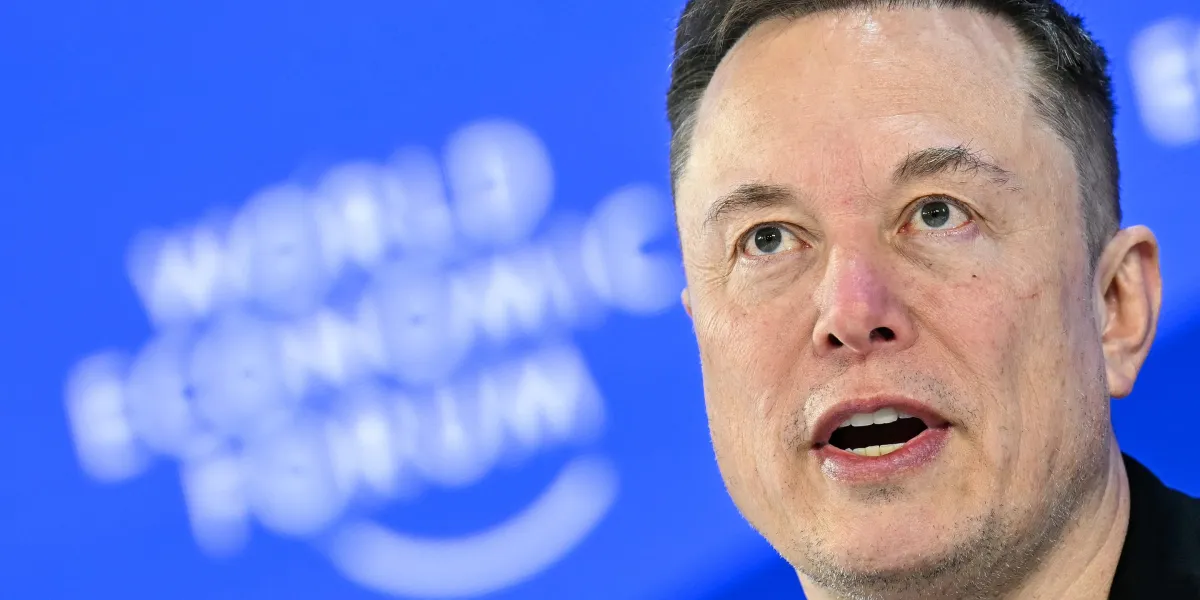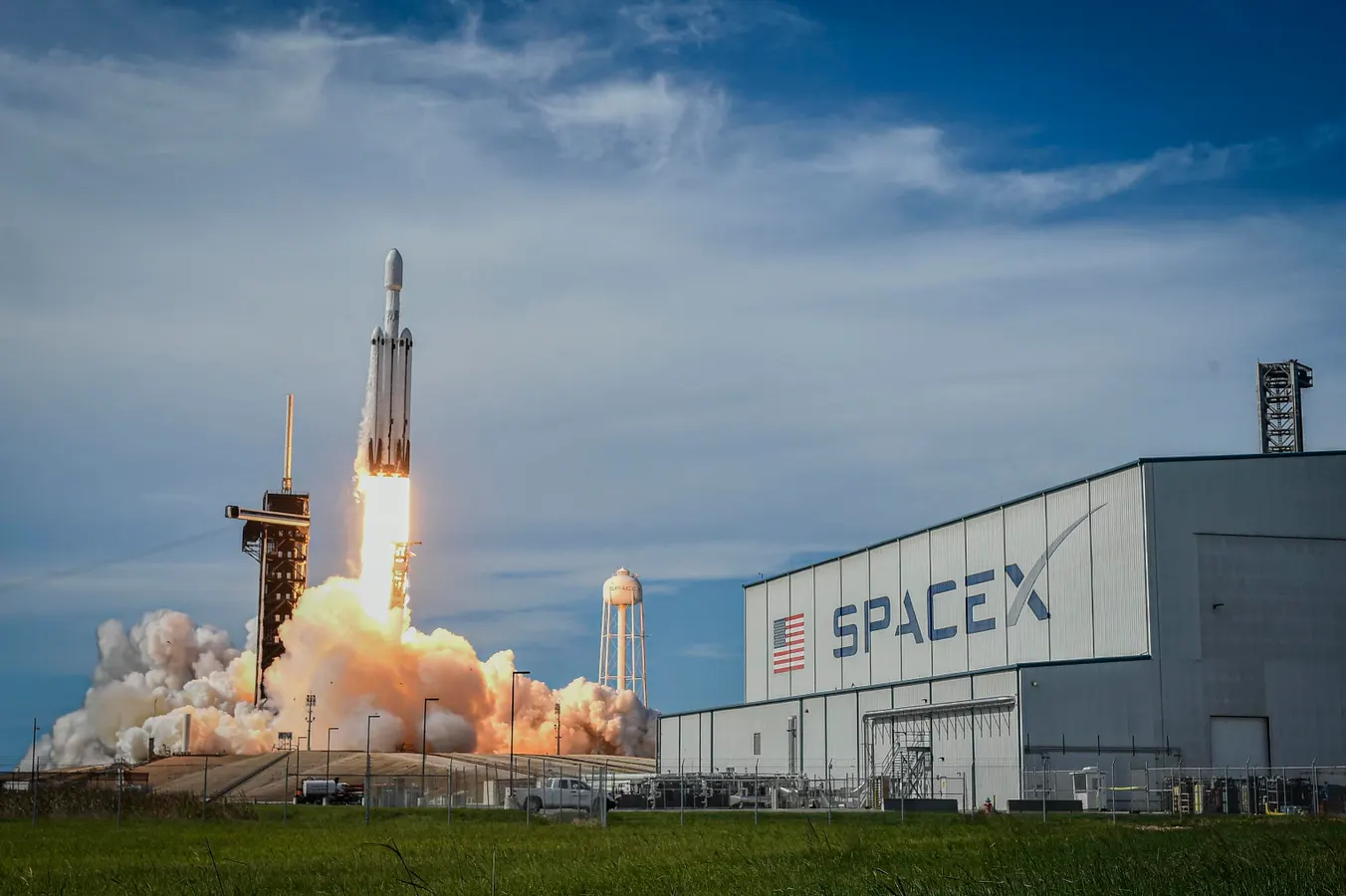
The long anticipated SpaceX IPO is nearing. (Photo by Miguel J. Rodriguez Carrillo / AFP) (Photo by MIGUEL J. RODRIGUEZ CARRILLO/AFP via Getty Images)AFP via Getty ImagesThe SpaceX IPO is targeting a price of $135 per share, valuing the company at approximately $1.77 trillion and raising roughly $75 billion in what would become the largest public offering in history, more than twice the previous record per Reuters. If it debuts as expected on June 12, SpaceX would rank as the seventh largest company in America, larger than Tesla.The coverage will focus on rockets. The $1.77 trillion valuation points somewhere larger.In chatting with R “Ray” Wang, the Founder of Constellation Research told me, “To infinity and beyond. The $75B force SpaceX the funds it needs to build out the next generation of space exploration.”R “Ray” Wang, the Founder of Constellation Research commenting on the SpaceX potential IPO.Constellation ResearchThis is the first time public markets can buy the physical layer of the AI economy. Launch, connectivity, and a frontier AI lab now sit inside one company, and investors are pricing the entire stack.Investors lining up for the SpaceX IPO are buying infrastructure that governments, militaries, enterprises, and increasingly AI systems cannot operate without.For years, analysts have debated whether SpaceX should be valued like an aerospace company, a telecommunications company, or a technology company. The answer may be none of the above.MORE FOR YOUSpaceX is becoming the operating system for national and commercial sovereignty.That distinction matters.Convergence of AI, digital infrastructure, and geopolitical competition is creating entirely new categories of strategic assets. Increasingly, the most valuable companies control the infrastructure layers underneath modern economies. That trend is accelerating.Jen Nash, Executive Coach, Strategic Advisor, and author of The Big Power of Tiny ConnectionsJen NashIn addition, the race for AI dominance now turns on access to energy, connectivity, compute, and distribution. The winners increasingly own the underlying rails.In speaking with Jen Nash, Executive Coach, Strategic Advisor, and author of The Big Power of Tiny Connections, who focuses on helping leaders do the impossible, she told me that “Markets will debate the valuation. History will remember the vision. SpaceX is a case study in what becomes possible when extraordinary talent is aligned behind a mission so ambitious that most people initially dismiss it as impossible. And yes I am 100% biased because of my field of focus!” SpaceX sits directly at the intersection of those trends.What SpaceX Actually OwnsConsider what the company actually owns today.The launch business provides access to orbit while Starlink provides global connectivity and Starshield provides defense and government communications. The February 2026 merger with xAI folded a frontier AI company directly into that stack, linking satellite communications, edge computing, and planned orbital data centers. Starlink alone now serves millions of users globally and has become a critical communications layer in regions where traditional infrastructure is unavailable or unreliable.xAI folded a frontier AI company directly into the SpaceX stack, linking satellite communications, edge computing, and planned orbital data centers (Photo by Lionel BONAVENTURE / AFP) (Photo by LIONEL BONAVENTURE/AFP via Getty Images)AFP via Getty ImagesThat combination is unprecedented.Historically, investors could buy telecommunications companies, defense contractors, cloud providers, or aerospace firms. SpaceX combines elements of all four categories into a single platform.The market is struggling to find an appropriate comparison.Morningstar recently set a fair value estimate of $780 billion, less than half the $1.77 trillion target. Its skepticism centers on the AI business, including the xAI unit and proposed orbital data centers, where the agency sees the widest gap between ambition and proven economics.That may ultimately prove correct. Yet traditional valuation frameworks may also be missing something important.The SpaceX Lock-In EffectThe world’s largest companies increasingly benefit from what economists call infrastructure lock-in. Once an infrastructure layer becomes critical, replacing it becomes difficult, expensive, and often politically undesirable.Amazon Web Services became difficult to replace because businesses built on top of it.Microsoft benefited from operating system lock-in.SpaceX may be creating orbital infrastructure lock-in.Governments, enterprises and defense organization depend on launch capacity, connectivity and secure communications. Future AI ecosystems may depend on globally distributed networking and compute capabilities that increasingly extend beyond terrestrial infrastructure.That is why this IPO may represent something larger than a liquidity event.It may signal the emergence of a new class of public company: infrastructure sovereigns.These organizations function as strategic assets that nations, industries, and entire ecosystems rely upon.There are risks, of course.The proposed valuation assumes years of future growth. The AI unit remains deeply cash-intensive and will require enormous ongoing investment. Elon Musk will retain more than 82 percent of voting power after the offering, according to SpaceX’s SEC filing.Elon Musk dreaming of SpaceX (Photo Paul Harris/Getty Images)fGetty ImagesBut investors are clearly looking beyond quarterly earnings. They are evaluating who will control the foundational infrastructure of the next economic era.For decades, investors sought ownership in companies that connected people.Today, they are increasingly seeking ownership in companies that connect economies, governments, machines, and eventually intelligent systems.The SpaceX IPO is, at its core, a bet on who owns the rails of the future.And that may ultimately explain why investors appear willing to value SpaceX at nearly $1.77 trillion.
SpaceX And xAI Power A $1.77 Trillion Bet On AI Infrastructure
SpaceX is targeting a $1.77 trillion IPO on June 12, the largest in history. The real bet is on who owns the AI economy's rails, from Starlink to its xAI merger.
852 words~4 min read